
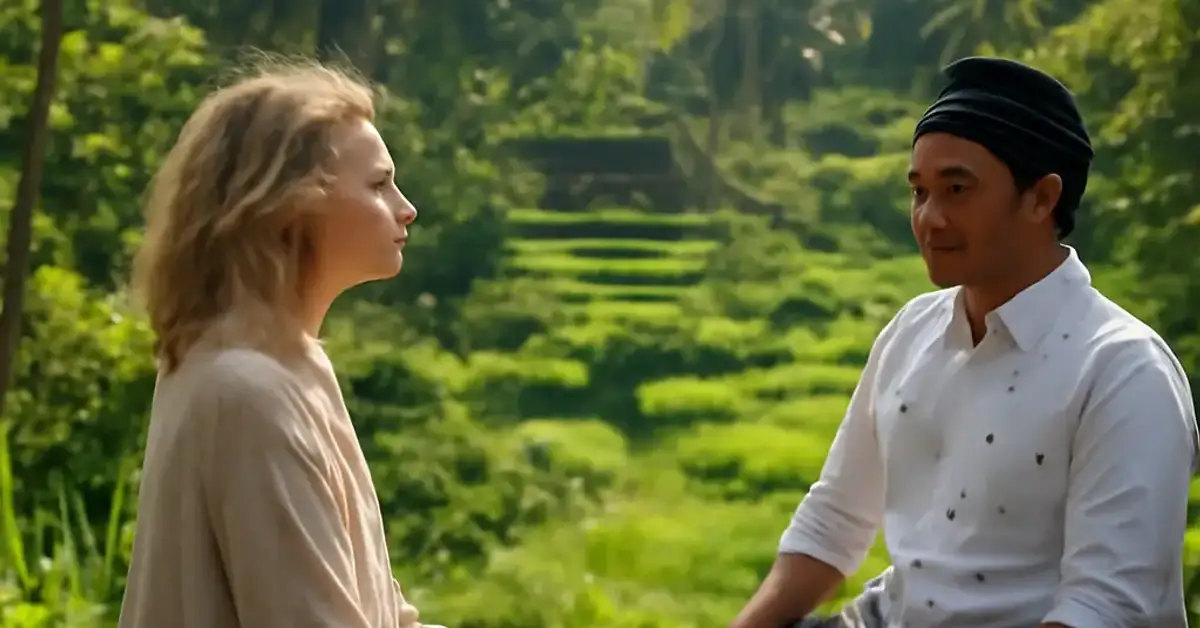
Bali Encourages Travelers to Slow Down and Reconnect Key Takeaways
Bali isn’t just a destination—it’s an invitation to pause, breathe, and rediscover what matters.
- Bali Encourages Travelers to Slow Down and Reconnect through daily offerings, temple visits, and a pace of life that honors stillness—a lesson every visitor can carry home.
- Authentic Bali experiences such as volunteering in local villages or joining a cooking class at Kilig Filipino Warung offer deep cultural immersion without a rushed itinerary.
- The island’s nature escapes and digital detox in Bali opportunities create a natural container for personal reflection and genuine community connections.
What Makes Bali a Natural Haven for Mindful Travel
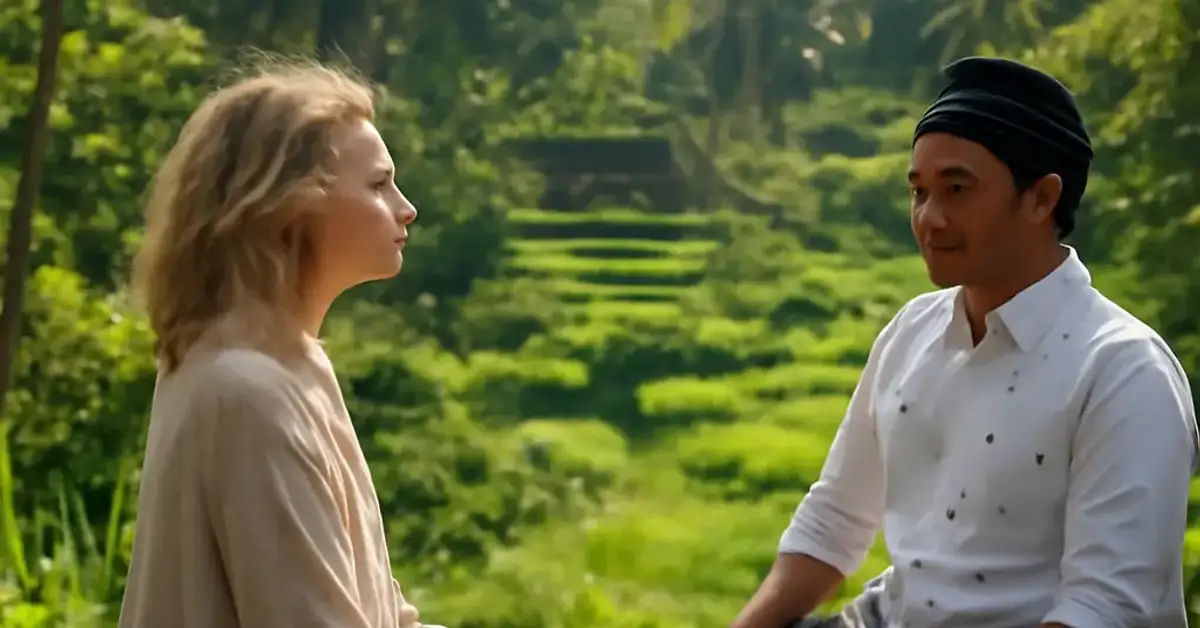
Every morning in Ubud begins not with an alarm, but with the soft rustle of palm fronds and the scent of incense drifting from a family temple. This is not a curated wellness experience—it’s everyday life. Mindful travel Bali starts the moment you step off the airport curb and hear the gamelan music mingling with bird calls. The island’s rhythm is slower, its priorities clearer. As an executive chef who traded a high-stakes kitchen for a quiet warung in Ubud, I can tell you that Bali teaches patience through its simplest moments: the careful hand-rolling of a satay stick, the patient carving of a stone statue, the long, unhurried conversations over a cup of local coffee. Wellness tourism Bali thrives here because the island itself is a living classroom of presence.
The Power of Slow Travel in Bali: A Personal Journey
Slow travel in Bali isn’t a trend; it’s a return to a way of being that many of us have forgotten. When I first arrived, I carried the chef’s habit of constant motion—prepping, plating, checking tickets. But Bali rewired me. Instead of rushing from one waterfall to the next, I began spending whole afternoons in a single rice terrace, watching the farmers bend and straighten in a rhythm older than any kitchen brigade. That is when reconnecting in Bali truly began. The island offers permission to linger. You book a yoga retreat not to check a box, but to wake up to the sound of roosters and stretch toward a sky that seems perpetually painted in shades of rose and gold.
How Daily Rituals Encourage a Slower Pace
Balinese culture is built on ceremony. Every home, every hotel, every corner warung sets out a small offering of flowers and rice each morning. This act—called canang sari—is a pause, a moment of gratitude before the day’s tasks. For travelers, witnessing or participating in this ritual becomes a daily anchor. Cultural traditions like these naturally enforce a slower, more intentional rhythm. You cannot rush through a temple visit; you must wear a sarong, speak softly, and sit when the priest invites you to meditate. Spiritual experiences in Bali are woven into the fabric of daily life, not locked inside a retreat center.
Bali Wellness Experiences That Redefine Self-Care
Bali wellness experiences are far more diverse than the Instagram-famous smoothie bowls and infinity pools. True wellness here is rooted in mindfulness practices that date back centuries. At a wellness retreat in Ubud, you might begin each morning with silent meditation facing the Ayung River, followed by a lesson in Balinese culture from a local healer. I have seen guests arrive frazzled by jet lag and leave with a stillness in their eyes that no spa treatment alone could produce. The island’s yoga retreats range from intensive Ashtanga programs to gentle Yin sessions held in bamboo shacks open to the jungle. What they share is an emphasis on internal alignment rather than external achievement.
Meaningful Travel Experiences Through Food
As a chef, I believe that food is one of the most direct paths to meaningful travel experiences. At Kilig Filipino Warung, we don’t just serve dishes—we tell stories. A bowl of chicken tinola becomes a conversation about family Sunday lunches in Manila. A plate of sisig sparks dialogue about resourcefulness and joy. When travelers sit down at a shared table in Ubud, they are not just eating; they are reconnecting in Bali through taste and memory. I often host private villa dinners where guests spend three hours over five courses, learning about each ingredient, each technique, each cultural reference. That unhurried dining is the essence of slow travel in Bali—honoring the meal as a sacred act of connection. For a related guide, see Why Shared Moments Feel More Meaningful in Bali.
Digital Detox in Bali: How the Island Encourages True Disconnection
Digital detox in Bali is almost unavoidable in the best way. In the rice terraces of Tegallalang or the quiet coves of Amed, cell service fades naturally. Many wellness retreats designate phone-free zones and schedule hours of silence. But the real digital detox happens when you realize you no longer miss the screen. I have watched travelers at my warung put down their phones mid-meal because the conversation became more interesting than any notification. Peaceful Bali destinations like Sidemen and Munduk offer a connection to nature that makes scrolling feel absurd. The island whispers: you are here. Be here.
Best Places in Bali for Slowing Down and Reflecting
If you are seeking peaceful Bali destinations, go beyond the crowds of Canggu and Seminyak. Head north to the scenic landscapes of Bedugul, where the lake mirrors the sky and the air smells of pine and cloves. Or stay in a local village in Gianyar, where your host might invite you to a temple ceremony or a family meal. These nature escapes are where personal reflection deepens. I often recommend travelers spend at least three nights in a homestay rather than a resort. The community connections formed over shared meals and morning offerings are far more restorative than a hotel pool. Relaxation journeys in Bali are not about doing nothing—they are about doing only what matters.
How to Experience Authentic Balinese Culture Without Rushing
Authentic Bali experiences don’t require a guidebook. They require curiosity and time. Walk into a temple visits not as a tourist, but as a respectful observer. Sit in the back of a local villages during a negak ceremony. Help a farmer plant rice for an hour. These are the moments that define cultural immersion. Sustainable tourism in Bali means staying long enough to contribute rather than consume. When you take a cooking class in my kitchen, you learn not just recipes but the philosophy behind them—the respect for ingredients, the joy of feeding others, the patience required to grind spices by hand. That is authentic travel. For a related guide, see The Growing Appeal of Slow Travel in Bali.
Common Mistakes Travelers Make When Trying to Slow Down
Many visitors arrive with the best intentions but still pack too many activities. They book a yoga retreat in the morning, a temple tour at noon, and a cooking class at sunset. By day three they are exhausted. Slow tourism requires discipline: pick one meaningful activity per day and let the rest unfold. Another mistake is skipping the dialogue with locals. A driver, a homestay host, a market seller—these are the gatekeepers to cultural traditions. Ask them about their day, their family, their beliefs. That conversation is the true Bali travel inspiration. Lastly, don’t underestimate the power of rest. A Balinese afternoon nap under a ceiling fan is not laziness; it’s alignment with the island’s midday stillness.
Useful Resources
For deeper insight into Bali cultural immersion and wellness tourism Bali, explore the following trusted resources:
- Bali Tourism Board – Official information on cultural events, sustainable travel guidelines, and community-based tourism initiatives across the island.
- Wellness Retreats Bali Guide – Curated directory of wellness retreats, yoga retreats, and digital detox in Bali programs with verified guest reviews.
Frequently Asked Questions About Bali Encourages Travelers to Slow Down and Reconnect
How does Bali encourage travelers to slow down and reconnect?
Bali encourages slowing down through its deeply ingrained cultural rituals—daily offerings, temple ceremonies, and a pace of life that prioritizes presence over productivity. The island’s natural beauty, from rice terraces to volcanic mountains, invites stillness, while hospitality practices like shared meals foster genuine human connection.
Why is Bali a popular destination for mindful travel?
Bali combines accessible wellness infrastructure—like yoga retreats and meditation centers—with a spiritual culture that values inner peace. The island’s long tradition of mindfulness practices, from silent meditation in temples to sound healing ceremonies, makes it a natural home for conscious travelers.
What experiences help visitors reconnect with themselves in Bali?
Private dining experiences like those at Kilig Filipino Warung, silent meditation retreats, early morning walks through rice terraces, and one-on-one sessions with local healers all provide space for personal reflection. The key is choosing depth over quantity.
How does slow travel enhance a Bali vacation?
Slow travel allows you to build relationships with locals, understand cultural traditions, and experience the island beyond tourist hubs. You leave not with a checklist, but with memories of genuine connection and personal transformation.
What role does nature play in Bali’s relaxing atmosphere?
Nature is central to Bali’s calming energy. The sound of rivers, the sight of green rice terraces, the fresh mountain air—these elements lower cortisol naturally. Many wellness retreats are intentionally built within nature escapes to amplify the restorative effect.
Why do travelers choose Bali for wellness and self-care?
Bali offers an integrated wellness ecosystem—affordable treatments, expert healers, spiritual guides, and a supportive community. Travelers come for the retreats but stay for the lifestyle shift that the island inspires.
How can visitors experience authentic Balinese culture?
Stay in a local village homestay, participate in temple offerings, attend a traditional dance performance, and share meals with Balinese families. Avoid over-scheduled tours; authentic culture reveals itself in unhurried moments.
What are the best places in Bali for slowing down and reflecting?
Sidemen, Munduk, Amed, and the northern coast around Lovina are ideal. These peaceful Bali destinations offer fewer crowds, stunning landscapes, and easy access to meditation spaces and local life.
How does Bali support digital detox and mindful living?
Many retreats and accommodations enforce phone-free hours, and remote areas lack reliable Wi-Fi. The culture itself reduces the urge to check screens by offering richer real-world interactions—ceremonies, conversations, and crafts.
What cultural traditions encourage a slower pace of life?
The daily canang sari offerings, temple festivals that last days, the tradition of gotong royong (community cooperation), and the importance of tri hita karana (harmony with God, people, and nature) all embed slowness into daily life.
How can travelers build deeper connections with local communities in Bali?
Volunteer at a local school, join a community clean-up, take a cooking class from a family-run warung, or simply sit and chat with your homestay host. Genuine interest and humility open doors.
Why do many visitors feel refreshed after spending time in Bali?
The combination of natural beauty, slower pace, meaningful activity, and nourishing food creates a holistic reset. Visitors often report sleeping better, feeling less anxious, and gaining clarity on life priorities.
What wellness activities are available throughout the island?
Bali offers yoga, meditation, sound baths, herbal medicine workshops, spa therapies, water purification ceremonies, and guided nature walks. Most wellness retreats customize schedules around your goals.
How does Bali promote meaningful travel experiences ?
By encouraging travelers to engage with local culture, contribute to community projects, and reflect on personal growth. Many retreats include volunteer days and journaling sessions as core activities.
What makes Bali different from fast-paced tourist destinations around the world?
Bali’s spiritual foundation prioritizes inner peace over external stimulation. Even in bustling areas, the rhythm is slower. The island’s hospitality is rooted in genuine care, not transactional service.
Is Bali suitable for first-time slow travelers?
Absolutely. Start with a structured wellness retreat in Ubud, then venture to quieter areas. The island is forgiving and welcoming to those learning to slow down.
Can digital nomads truly disconnect in Bali?
Yes, but it requires intention. Choose a retreat that enforces digital detox hours, or stay in a remote area with limited connectivity. Many nomads find they actually work better after a few days of disconnection.
How does food play a role in Bali’s slow travel experience?
Food is central to Balinese culture—meals are slow, shared, and made with fresh local ingredients. Cooking classes and private dining experiences, like those I host, turn eating into a meditative practice. For a related guide, see 8 Food Experiences Worth Adding to Your Bali Itinerary.
What should I pack for a slow travel trip to Bali?
Light clothing for heat, a sarong for temple visits, a journal, a reusable water bottle, mosquito repellent, and an open heart. Leave the rigid itinerary at home.
How long should I stay in Bali to truly slow down?
A minimum of two weeks is ideal, but even a 7-day stay focused on one or two areas can create lasting change. The goal is depth, not distance.
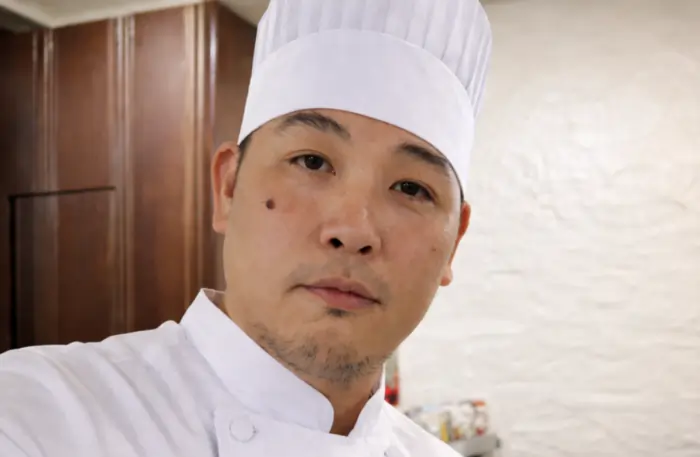
Chef Juan Gadi brings the heart of Filipino hospitality to Ubud, Bali. As an Executive Chef and consultant, he specializes in creating intimate, curated dining experiences that tell a story through every dish. Whether leading the kitchen at Kilig Filipino Warung or hosting a private villa dinner, Chef Juan’s approach is defined by warmth, modern technique, and a commitment to culinary excellence.