
Sensory Experiences That Make Bali Unforgettable Key Takeaways
Bali is more than a postcard — it is a living mosaic of scent, sound, taste, touch, and sight.
- Your journey through Sensory Experiences That Make Bali Unforgettable begins with incense smoke and ends with the lingering taste of spices.
- From temple ceremonies to sunset feasts, each sensory layer builds a memory that stays long after you leave.
- Engage all five senses intentionally, and you will return home transformed.
What Makes Sensory Experiences That Make Bali Unforgettable So Powerful
I landed in Bali years ago with a knife roll and an open mind. What I found was a place that does not just show you beauty — it immerses you in it. The Sensory Experiences That Make Bali Unforgettable work because they bypass the intellectual and speak directly to the heart. When you smell incense aromas curling from a family temple, your nervous system knows you have arrived somewhere sacred. When you taste Balinese cuisine for the first time — the lemongrass, the chili, the deep warmth of coconut — your palate learns a new language. These moments cannot be replicated. They must be lived. For a related guide, see The Role of Atmosphere in Creating Memorable Travel Moments.
Sight: The Tropical Landscapes That Burn Into Memory
The green of Bali is not a color you see every day. It is the luminous emerald of rice terraces carved into hillsides, the deep jade of jungle canopies, and the turquoise of coral reefs. How do Bali’s sights create lasting travel memories? I believe it is because the scenery here demands participation. You do not just look at a rice terrace — you walk through it, feel the mud under your sandals, and hear the water trickling through ancient irrigation channels.
The Rice Terraces of Tegallalang
Standing at the edge of a Tegallalang terrace, you see a thousand shades of green layered like pastry. The subak irrigation system, a UNESCO-recognized practice, is agriculture as art. Every curve of the terrace tells a story of community and balance.
Sunrises at Mount Batur
Watching the sun rise from the caldera rim is a rite of passage. The sky shifts from violet to gold, and the clouds below you look like a sea of cotton. It is a sight that quiets the mind.
Sound: The Island’s Rhythmic Pulse
Why are the sounds of Bali an important part of the travel experience? Because silence here is never empty. It is filled with the hum of cicadas, the distant clang of a gamelan orchestra, and the crash of ocean waves against limestone cliffs. Sound in Bali is storytelling.
Traditional Music in Village Ceremonies
The traditional music of Bali — gongs, metallophones, drums — feels both ancient and alive. I once watched a temple ceremony where the traditional music swelled as offerings of fruit and flowers were carried in procession. The rhythm matched the heartbeat of the crowd. You feel it in your chest.
Ocean Waves at Uluwatu
The crash of ocean waves against the cliffs of Uluwatu is a constant, grounding presence. It reminds you that nature here is not a backdrop — it is the main character.
Smell: The Aromas That Define Bali’s Unique Atmosphere
Close your eyes and recall Bali. What comes first? For me, it is always the scent of incense aromas. How do local aromas contribute to Bali’s unique atmosphere? They create a sense of the sacred in everyday life. Every morning, Balinese families place small offerings of flowers and rice outside their homes, accompanied by burning incense. The smoke carries prayers upward, and it also carries you into the present moment.
Frangipani and Clove
The sweet, heady fragrance of frangipani trees mixes with the spicy note of clove cigarettes. It is a scent combination you will never forget.
Morning Market Aromas
Walk through a local market at dawn, and you will smell fresh lemongrass, turmeric, ginger, and roasting coffee. These are the raw ingredients of Balinese cuisine, and their aroma tells you that food here is about more than fuel — it is ceremony.
Taste: What Role Does Balinese Cuisine Play in Sensory Travel
As a chef, I believe taste is the most intimate sense. What role does Balinese cuisine play in sensory travel? It is the storyteller. Every dish carries the geography of the island — the sea, the volcanic soil, the spice gardens. Balinese cuisine is layered, complex, and deeply tied to tradition.
| Dish | Sensory Highlight | Cultural Connection |
|---|---|---|
| Babi Guling (suckling pig) | Crispy skin, aromatic turmeric stuffing | Ceremonial feast dish |
| Sate Lilit (minced seafood satay) | Lemongrass stalk skewer, smoky grill aroma | Street food tradition turned fine |
| Lawar (spiced coconut salad) | Crunchy, tangy, herbal | Offering ingredient with deep ritual roots |
| Nasi Campur (mixed rice plate) | Multilayered flavors in a single plate | Daily meal that reflects community eating |
Kerobokan Night Market
Exploring a local market like Kerobokan at dusk is a crash course in food tourism. Vendors grill corn, fry tempeh, and ladle spicy soto soup. Every stall is a conversation.
A Private Villa Dinner with Chef Juan Gadi
When I host a private dinner in Ubud, I draw from these market experiences. The menu might include a Lawar salad sourced from a farmer I met that morning, or a grilled fish wrapped in banana leaf with a sambal made from market chilies. The taste of Bali is not just in the ingredients — it is in the story behind them.
Touch: Why Bali’s Natural Landscapes Vividly Engage the Skin
Why do travelers remember Bali’s natural landscapes so vividly? Because the island invites you to touch it. The cool moss of a temple wall, the smooth volcanic stone of a carving, the warm mud of a wellness retreat’s treatment mask — touch grounds you in the moment.
Walking the Rice Terraces
Rice terraces are not just visual. Walking the narrow bunds, you feel the moisture rise from the flooded paddies. The mud is cool and alive.
Spa Treatments at Ubud Wellness Retreats
Ubud’s wellness retreats use local ingredients like coconut, coffee, and volcanic clay. The scrub on your skin is rough at first, then softening. Touch becomes therapy.
Traditional Ceremonies: A Feast for Every Sense
How do traditional ceremonies engage multiple senses? A Balinese temple ceremony is the ultimate multisensory travel experience. You see the intricate offerings (canang sari), hear the traditional music of the gamelan, smell the incense aromas and frangipani, taste the blessed rice and holy water, and feel the cool stone under your bare feet. It is a total immersion.
Odalan (Temple Anniversary)
During an Odalan, the temple comes alive with color, sound, and scent. Dancers perform in gold brocade, and the air thickens with smoke and flowers. Visitors are often welcomed to observe, respectfully, from a distance. It is an intimate window into Balinese culture.
Local Markets: Immersive Sensory Playgrounds
How can local markets provide immersive sensory experiences? Markets in Bali are raw, unfiltered, and alive. Local markets like Ubud Art Market and Sukawati are not just for shopping — they are theater. The vendors call out in Bahasa, the scent of spices and frying shallots swirls together, and the textures of handwoven baskets and silk scarves invite your fingers to linger.
Cultural Performances: Dance and Drama That Haunt You
What makes Bali’s cultural performances memorable for visitors? It is the intensity. A Kecak dance at sunset at Uluwatu uses no instruments — only the hypnotic chant of dozens of men. The flames of the fire dance flicker against the darkening sky. Barong and Kris dancers move as if possessed, their costumes shimmering, their eyes wide. These moments are visceral.
Wellness Tourism and Its Role in Sensory Exploration
How does wellness tourism enhance sensory exploration in Bali? Wellness in Bali is not passive. At a wellness retreat in Ubud, you participate in a morning yoga session with the sound of ocean waves or the jungle waking up. You taste a breakfast of fresh papaya, turmeric shots, and coconut yogurt. You smell essential oils during a massage. Wellness becomes a full-body experience.
Sunset Views: The Iconic Final Act
Why are sunset experiences among Bali’s most iconic attractions? Because B ali’s sunsets are technicolor. At Tanah Lot, the sky turns orange, pink, and purple as the temple silhouette sharpens against the horizon. At Jimbaran Bay, the smell of grilled seafood fills the air as the sun drops. Watching a sunset view in Bali is not passive — it is a ceremony.
How to Fully Engage All Five Senses in Bali
How can travelers fully engage with Bali through all five senses? The secret is slowness. Instead of rushing from one temple to the next, sit at a local market and watch the transactions. Taste a new fruit. Walk a rice terrace barefoot. Attend a ceremony with an open heart. Authentic experiences come from presence, not from a checklist.
What Sensory Elements Distinguish Bali from Other Destinations
What sensory elements distinguish Bali from other destinations? The combination of the spiritual and the natural. In many places, you can find beautiful beaches or great food. But only Bali layers the scent of incense over the sound of traditional music over the taste of ceremonial food, all against the backdrop of tropical landscapes. It is a symphony that no other island can play.
How Authentic Cultural Experiences Deepen Travel Memories
How do authentic cultural experiences deepen travel memories? When you help a local family prepare a temple offering, or learn to cook a dish with a grandmother in her kitchen, you are not a tourist — you are a guest. These authentic adventures forge emotional bonds with the place. They become stories you tell for years. For a related guide, see How Experiential Travel Is Changing Bali Tourism.
Why Multisensory Travel Experiences Create Stronger Emotional Connections to Bali
Why do multisensory experiences create stronger emotional connections to Bali? Because the brain encodes memories more deeply when multiple senses are engaged. A memory of a dish is stronger when you also remember the sound of the waves and the smell of frangipani. Multisensory travel experiences anchor you to the moment. That is why, years later, a whiff of clove can bring you back to Bali in an instant. For a related guide, see Why Travelers Crave Authentic Human Connections Abroad.
Useful Resources
For further Bali travel inspiration and practical guides, explore these trusted sources:
- Indonesia Travel: Official Bali Tourism Portal – Comprehensive destination information, cultural background, and official travel tips from the Ministry of Tourism of Indonesia.
- Lonely Planet’s Bali Travel Guide – Expert-curated advice on attractions, food, accommodation, and immersive travel itineraries across the island.
Frequently Asked Questions About Sensory Experiences That Make Bali Unforgettable
What sensory experiences make Bali unforgettable ?
The sensory experiences that make Bali unforgettable include the scent of incense at temple ceremonies, the taste of spicy Balinese cuisine, the sound of traditional music and ocean waves, the sight of rice terraces and sunset views, and the tactile pleasure of local market textiles and spa treatments at wellness retreats.
How do Bali’s sights create lasting travel memories ?
Bali’s sights — from emerald rice terraces to volcanic peaks at sunrise — are both epic and intimate. They invite you to walk through them rather than just observe, which anchors them in your memory through the combination of visual beauty and personal effort.
Why are the sounds of Bali an important part of the travel experience ?
The sounds of Bali — traditional music from gamelan orchestras, rhythmic ocean waves, chanting at temple ceremonies, and the lively chatter of local markets — create an acoustic landscape that deepens your emotional connection to the island.
How do local aromas contribute to Bali’s unique atmosphere ?
Incense aromas, frangipani flowers, clove cigarettes, and market spices blend into a signature scent that signals you are in Bali. These aromas evoke calm and curiosity, grounding you in the present moment.
What role does Balinese cuisine play in sensory travel?
Balinese cuisine is a direct expression of the island’s culture and geography. Each dish — from Babi Guling to Nasi Campur — carries the flavors of volcanic soil, tropical spices, and community tradition, making every meal a multisensory travel experience.
How do traditional ceremonies engage multiple senses ?
Balinese temple ceremonies layer sight (colorful offerings and dancers), sound (gamelan music and chanting), smell (thick incense aromas and flowers), taste (blessed rice or holy water), and touch (cool stones underfoot) into a single, powerful experience.
Why do travelers remember Bali’s natural landscapes so vividly ?
Because Bali’s natural landscapes are not just seen — they are experienced physically. Walking through rice terraces, swimming under waterfalls, and hiking volcanoes engage the body, turning a visual impression into a full-body memory.
How can local markets provide immersive sensory experiences?
Local markets like Ubud Art Market and Sukawati overload your senses in the best way — bright textiles, the sizzle and smell of street food, the texture of handcrafted goods, and the rhythmic calls of vendors create a living, breathing authentic adventure.
What makes Bali’s cultural performances memorable for visitors?
Bali’s cultural performances — such as the Kecak fire dance and Barong dance — combine hypnotic traditional music, dramatic costumes, and storytelling that feels ancient. The live energy is something no recording can capture.
How does wellness tourism enhance sensory exploration in Bali?
Bali’s wellness retreats use natural ingredients (coconut, volcanic clay, coffee) for treatments, incorporate the sounds of nature, and serve fresh, local meals. This creates a safe space for deep sensory exploration and rejuvenation.
Why are sunset experiences among Bali’s most iconic attractions ?
Bali’s sunset views — at Tanah Lot, Uluwatu, or Jimbaran — are spectacular in color and atmosphere. They are often paired with cultural performances or fresh seafood dinners, making them a multi-sensory highlight of any trip.
How can travelers fully engage with Bali through all five senses ?
Travelers can fully engage by slowing down — sitting in a local market without buying, walking barefoot in rice terraces, attending a temple ceremony respectfully, and eating with awareness. Presence is the key.
What sensory elements distinguish Bali from other destinations ?
Bali uniquely combines spiritual rituals, lush tropical landscapes, traditional music and dance, distinctive Balinese cuisine, and an organic island atmosphere — a sensory combination that no other place replicates.
How do authentic cultural experiences deepen travel memories ?
When you learn to cook with a local family or make a temple offering, you move from observer to participant. These authentic experiences create emotional narratives that become part of your personal story.
Why do multisensory experiences create stronger emotional connections to Bali ?
Research shows that memories encoded with multiple senses are stronger. In Bali, tasting a dish while smelling incense and hearing traditional music creates a neural anchor that makes the memory vivid for years.
What is the best time of day for sensory exploration in Bali?
Dawn and dusk are particularly rich. Early morning offers market activity, temple offerings, and cool air. Evening delivers sunset views, cultural performances, and the aroma of night market grills.
How can I experience Balinese cuisine as a sensory journey?
Take a cooking class that starts at a local market. Touch the spices, smell the fresh herbs, and learn to balance sweet, sour, salty, and spicy. Cooking becomes a sensory exploration of Balinese culture.
Are there multisensory experiences in Ubud beyond the rice terraces ?
Yes, Ubud offers sound healing sessions, yoga studios with jungle views, coffee-tasting experiences, and riverside dining. It is a hub for immersive travel in Bali.
Can solo travelers enjoy sensory experiences in Bali safely?
Absolutely. Solo travelers can join group cooking classes, book wellness retreats with communal dining, and explore local markets with ease. The welcoming island atmosphere makes solo sensory exploration rewarding.
What should I pack for a sensory-focused trip to Bali?
Bring a journal for noting scents and tastes, a light scarf for temple visits, comfortable walking shoes for rice terraces, and an open mind. Leave behind rigid itineraries.
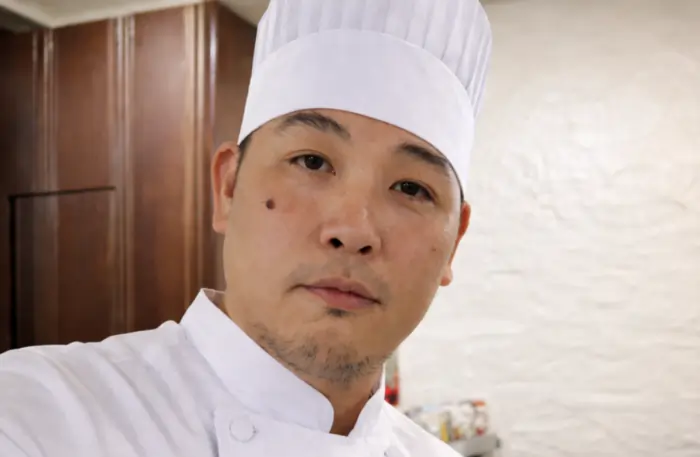
Chef Juan Gadi brings the heart of Filipino hospitality to Ubud, Bali. As an Executive Chef and consultant, he specializes in creating intimate, curated dining experiences that tell a story through every dish. Whether leading the kitchen at Kilig Filipino Warung or hosting a private villa dinner, Chef Juan’s approach is defined by warmth, modern technique, and a commitment to culinary excellence.