

Experiential Travel Is Changing Bali Tourism Key Takeaways
Bali’s tourism landscape is shifting from crowded beaches and party hubs to deeply personal, authentic encounters.
- How Experiential Travel Is Changing Bali Tourism by replacing mass-market tours with curated, culture-rich adventures that support local communities.
- Wellness retreats, food tours, and village stays are leading the shift toward experience based tourism and mindful travel .
- Travelers increasingly value authentic experiences and personalized travel , driving growth in sustainable tourism Bali and community based tourism .

The Story That Started It All: A Chef’s Journey into Experiential Bali
I still remember the first evening I spent in Ubud. I had arrived from Manila with a knife roll, a notebook full of family recipes, and a restless need to understand experiential travel in Bali beyond the glossy brochures. Before I knew it, I was sitting cross-legged on a woven mat in a village home, learning to crack fresh coconut with a grandmother who spoke only through her hands and her laughter. That night, as the scent of lemongrass and turmeric filled the open kitchen, I realized something profound: Bali wasn’t just a place to visit—it was a place to feel, taste, and live. For a related guide, see Why Travelers Crave Authentic Human Connections Abroad.
As an Executive Chef and consultant now running Kilig Filipino Warung and private villa dinners in Ubud, I’ve watched firsthand how Bali tourism trends have evolved. The visitors who come to my table aren’t looking for a standard plate of nasi goreng. They want stories. They want to know why I use palm sugar from a specific village, or how the fermentation process for my sinigang base mirrors the traditional Balinese method for making brem. This hunger for immersive travel experiences Bali offers is rewriting the rulebook for modern tourism in Bali. For a related guide, see Why Personalized Experiences Are Shaping Modern Travel.
Why Travelers Are Trading Sunsets for Soul-Stirring Moments
For decades, Bali’s allure was built on surf breaks, rice terrace selfies, and nightclubs in Seminyak. But today, something deeper is stirring. The Bali travel evolution is powered by a desire for meaningful travel experiences—those rare encounters that change the way you see the world and yourself. Instead of ticking off a checklist of Bali attractions, visitors now seek out cultural immersion: learning to make offerings with a local priestess, joining a morning blessing at a hidden temple, or spending a day planting rice alongside farmers in Jatiluwih.
This shift toward experience based tourism is not a fleeting fad. Data from the Indonesian Ministry of Tourism shows a 40% increase in village tour bookings and artisan workshop participation since 2019. Travelers are voting with their wallets, choosing depth over breadth. And the result? A more resilient, inclusive, and sustainable tourism Bali economy that puts local communities at the center.
The Rise of Authentic Bali Travel
Authentic Bali travel means stepping beyond the tourist trail. It’s about sharing a meal in a family compound, learning the philosophy behind Balinese traditions, and understanding the intricate rituals that govern daily life. These aren’t staged performances—they’re real lives, generously opened to curious strangers.
How Experiential Travel Is Changing Bali Tourism: The 7 Trends Defining a New Era
Let’s break down the key forces reshaping the island. Each trend represents a pillar of personalized travel Bali and the Bali tourism transformation underway.
1. Cultural Immersion and Village Tours
Cultural immersion has become the crown jewel of experiential tourism growth. Visitors spend days, not just hours, in traditional villages like Tenganan or Trunyan, participating in daily life. Village tours now include hands-on crafts, ceremonies, and conversations with elders, offering a window into a world that feels both ancient and vibrantly alive. These tours directly support community based tourism projects, ensuring that income stays within families rather than large resorts.
2. Wellness Retreats and Mindful Travel
Wellness retreats in Ubud, Canggu, and Sidemen are booming. Guests come for mindful travel—yoga at dawn, meditation in bamboo sanctuaries, and plant-based meals sourced from local farms. But the most transformative retreats go beyond the mat. They incorporate Balinese traditions of healing and spirituality, from traditional jamu tonics to purification ceremonies at Tirta Empul. This is immersive travel experiences Bali at its most restorative.
3. Food Tourism and Travel Storytelling
Food tourism in Bali has evolved from street food tours to deep culinary narratives. As a chef, I see this every day. Travelers want to understand the why behind the ingredients. They visit morning markets with a guide, forage for wild greens, and cook side by side with locals. Travel storytelling comes alive through taste—each dish becomes a chapter in the island’s story. Whether it’s learning to make sate lilit at a warung or joining a spice walk in the highlands, cultural activities centered on food are among the most requested destination experiences. For a related guide, see Why Travelers Remember Experiences More Than Destinations.
4. Eco Tourism and Sustainable Tourism Bali
The rise of eco tourism is inseparable from sustainable tourism Bali. Travelers now demand that their adventures leave a positive footprint. They choose homestays that recycle water, tours that offset carbon, and experiences that protect coral reefs and forests. This responsible tourism ethos is driving innovation: from bamboo architecture resorts to zero-waste cooking classes. Tourism innovation in Bali is increasingly green, and travelers reward businesses that lead with conscience.
5. Personalization and Travel Personalization
Personalized travel Bali means itineraries built around individual passions. A digital nomad might book a co-working retreat with a surf coach; a couple might arrange a private dinner in a rice field with a local chef (yes, I’ve hosted many of these). Travel personalization is powered by small, nimble operators who listen deeply to what guests want—and then craft a day that feels designed just for them. This trend is a cornerstone of modern tourism in Bali.
6. Local Communities and Community Based Tourism
Local communities are no longer just hosts—they’re partners. Community based tourism initiatives in villages like Penglipuran and Belimbingsari put decision-making into the hands of residents. They set prices, design experiences, and share profits collectively. This approach ensures that the Bali tourism transformation benefits everyone, not just foreign investors. Travelers get a richer, more genuine encounter; locals gain economic empowerment.
7. Destination Experiences and Tourism Innovation
Destination experiences in Bali now span everything from foraging expeditions to blacksmith workshops. Tourism innovation is visible everywhere: apps that connect travelers with local guides, pop-up dining events in caves, and immersive dance performances that teach the stories behind the movements. The result is a dynamic, ever-evolving ecosystem where experiential tourism thrives.
What Role Does Cultural Immersion Play in Modern Bali Tourism?
Cultural immersion is the beating heart of experience based tourism. It transforms a vacation into a learning journey. When visitors take a cultural activities workshop—making canang sari offerings, learning gamelan music, or studying batik dyeing—they form emotional bonds with the island. These moments create authentic experiences that no hotel pool can replicate. And they foster responsible tourism because travelers leave with respect rather than just photos.
Why Is Experiential Tourism Growing Faster Than Traditional Sightseeing?
Traditional sightseeing—hopping on a bus, snapping a picture, hopping off—feels hollow to today’s traveler. Social media has saturated our feeds with the same angles of the same temples. But authentic Bali travel offers something rare: a story that belongs only to you. Experiential tourism grows because it satisfies a deeper human craving for connection, learning, and transformation. When you learn to cook a family recipe with a Balinese grandmother, that memory becomes part of your identity. You can’t download that.
How Do Wellness Retreats Contribute to Bali’s Tourism Evolution?
Wellness retreats are a powerful engine in the Bali travel evolution. They attract high-value travelers who stay longer, spend more, and engage deeply with local culture. Many retreats partner with local communities for ingredients, guidance, and space. This symbiotic relationship drives sustainable tourism Bali while offering guests meaningful travel experiences that heal and inspire. The best retreats don’t isolate you from Bali—they immerse you in it.
How Does Food Tourism Enhance Experiential Travel in Bali?
Food is the most intimate entry point into a culture. Food tourism in Bali means walking through a market, smelling spices you’ve never encountered, tasting fruits that don’t exist in your home country. It means sitting in a family kitchen, rolling lawar by hand, and understanding the philosophy of “tri hita karana” as you balance flavors. For me, cooking is storytelling. Every dish I serve at Kilig Filipino Warung or at a private villa dinner tells the story of my heritage colliding with Bali’s traditions. Travelers leave not just fed, but transformed.
Useful Resources
For deeper insights into experiential travel in Bali and sustainable tourism Bali, visit these trusted sources:
- Indonesia Travel – Official Bali Tourism Information
- Sustainable Travel International – Bali Programs
Frequently Asked Questions About How Experiential Travel Is Changing Bali Tourism
How is experiential travel changing Bali tourism?
How Experiential Travel Is Changing Bali Tourism is evident in the shift from mass tourism to personalized, culture-rich encounters. Visitors now prioritize hands-on learning, local interactions, and meaningful connections over passive sightseeing, reshaping the entire industry.
Why are travelers seeking more immersive experiences in Bali?
Travelers crave immersive travel experiences Bali because they offer deeper emotional rewards. In a world of digital overload, real, tactile engagement with local communities and traditions provides authenticity and personal growth that standard tours cannot deliver.
What role does cultural immersion play in modern Bali tourism?
Cultural immersion is central to Bali tourism trends. It transforms tourists into temporary locals, fostering respect and understanding. Activities like offering-making, dance lessons, and village stays create lasting memories and support community based tourism.
How are local communities benefiting from experiential travel?
Local communities gain direct economic benefits through community based tourism initiatives. They earn fair wages, preserve traditions, and gain a platform to share their Balinese traditions with a global audience, all while maintaining control over their cultural heritage.
Why is experiential tourism growing faster than traditional sightseeing?
Experiential tourism addresses the modern traveler’s desire for meaningful travel experiences and transformation. Traditional sightseeing feels generic; experience based tourism offers personal growth, which is far more valued in today’s market.
How does experiential travel support sustainable tourism in Bali?
Experiential travel naturally aligns with sustainable tourism Bali because it relies on small groups, local resources, and cultural preservation. It minimizes environmental impact while maximizing economic benefit for local communities.
What types of authentic experiences are attracting visitors to Bali?
Authentic experiences range from village tours and volunteer rice planting to blacksmith workshops and food tourism adventures. Travelers also seek out wellness retreats and private dining events that showcase Balinese traditions in a genuine setting.
How are wellness retreats contributing to Bali’s tourism evolution?
Wellness retreats drive the Bali travel evolution by attracting mindful travelers who value health and cultural immersion. They often collaborate with local communities for authentic healing practices and ingredients, boosting sustainable tourism Bali.
Why do travelers value meaningful experiences over traditional attractions?
Traditional attractions can feel transactional. Travelers now prioritize meaningful travel experiences that foster connection and personal insight. This shift is a core driver of experiential tourism growth and personalized travel Bali.
How does food tourism enhance experiential travel in Bali ?
Food tourism deepens experiential travel in Bali by engaging all senses. Cooking classes, market tours, and farm-to-table meals offer cultural activities that tell the story of the island through flavor, creating rich travel storytelling moments.
What impact does personalized travel have on the tourism industry?
Personalized travel Bali forces the industry to move beyond one-size-fits-all packages. It encourages tourism innovation and rewards businesses that offer destination experiences tailored to individual passions, from photography to permaculture.
How are tourism businesses adapting to changing traveler expectations?
Businesses are pivoting to experience based tourism by hiring local experts, designing flexible itineraries, and focusing on authentic experiences. Many now emphasize mindful travel and responsible tourism in their marketing and operations.
Why is community based tourism becoming more important in Bali?
Community based tourism ensures that the Bali tourism transformation benefits residents directly. It fosters cultural preservation, reduces leakage of tourism revenue, and creates authentic Bali travel opportunities that cannot be replicated by large resorts.
What challenges come with the rise of experiential tourism?
Challenges include overtourism in popular villages, commodification of sacred rituals, and the need for training among local communities to meet quality expectations. Balancing experiential tourism growth with sustainable tourism Bali requires careful regulation and education.
How might experiential travel shape the future of Bali tourism?
The future will see even deeper cultural immersion, longer stays, and greater integration of eco tourism principles. How Experiential Travel Is Changing Bali Tourism sets the stage for a model where quality replaces quantity, benefiting both visitors and local culture.
Are solo travelers drawn to experiential travel in Bali ?
Absolutely. Solo travelers love experiential travel in Bali because it offers built-in community and purpose. Joining a cooking class or village tour creates natural social bonds without the pressure of a group tour.
Can experiential travel be budget-friendly?
Yes. Many community based tourism experiences, like homestays and local workshops, are affordable and offer better value than luxury alternatives. Authentic Bali travel often costs less while delivering more meaningful rewards.
How do digital nomads benefit from experiential travel trends?
Digital nomads are pioneers of modern tourism in Bali. They stay longer and seek out wellness retreats, co-living spaces, and local culture events. Their appetite for destination experiences drives demand for tourism innovation.
What is the most popular experiential activity in Bali right now?
Private cooking classes and market tours are among the top cultural activities. Guests love learning to make traditional dishes while hearing the stories behind them—a perfect blend of food tourism and travel storytelling.
How can I find authentic experiential travel experiences in Bali?
Look for small operators and community based tourism platforms that prioritize sustainable tourism Bali. Read reviews that mention cultural immersion and authentic experiences. Reach out to locals like myself who offer curated, personalized encounters.
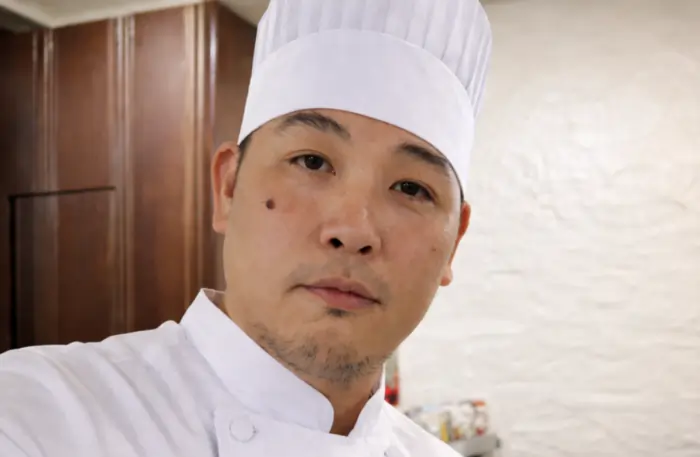
Chef Juan Gadi brings the heart of Filipino hospitality to Ubud, Bali. As an Executive Chef and consultant, he specializes in creating intimate, curated dining experiences that tell a story through every dish. Whether leading the kitchen at Kilig Filipino Warung or hosting a private villa dinner, Chef Juan’s approach is defined by warmth, modern technique, and a commitment to culinary excellence.