
Intimate Dining Changes the Way People Experience Food Key Takeaways
Intimate dining shifts the focus from simply eating to fully engaging with a meal’s story, ingredients, and the people who craft it.
- Intimate Dining Changes the Way People Experience Food by prioritizing quality over quantity, allowing guests to savor each dish with full attention.
- Personalized touches — from customized menus to direct chef interactions — create unforgettable memorable meals that standard restaurants rarely match.
- This approach is driving luxury dining trends and experiential tourism , as travelers seek deeper, more authentic connections with local food culture.

What Readers Should Know About How Intimate Dining Changes the Way People Experience Food
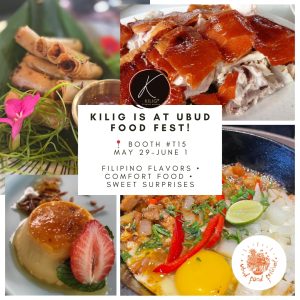
It was a balmy evening in Ubud, the spiritual heart of Bali. Chef Juan Gadi had just finished plating a dish of slow-braised pork belly with a calamansi glaze, served on a hand-thrown ceramic plate. Around a single long table, six guests watched — not from a distance, but from the open kitchen counter. They asked questions about the fermentation process of the atchar he had paired with the dish. They laughed as he explained how his Filipino grandmother’s adobo had inspired the evening’s tasting menu. That night, nobody checked their phone. No one rushed. Every bite was a conversation.
This is the essence of how intimate dining changes the way people experience food. It is not about white tablecloths or seven courses for the sake of seven courses. It is about shrinking the physical distance between diner, chef, and ingredient until the boundaries dissolve. The result is a profound shift from passive consumption to active, emotional participation.
In this guide, we will explore why intimate dining experiences are reshaping modern food culture, how they benefit both guests and hosts, and why this trend is becoming a cornerstone of luxury hospitality worldwide.
The Rise of Private Dining Trends: Why Smaller Settings Are Winning
For decades, the pinnacle of fine dining meant crowded dining rooms, hushed voices, and a menu you couldn’t change. Today, the pendulum has swung. Travelers and food lovers are increasingly seeking exclusive dining experiences where they feel seen, not served. Private dining trends have exploded because they address a fundamental human need: connection. For a related guide, see The Growing Appeal of Experience Led Dining in Bali.
The Shift from Quantity to Quality
Mass-market restaurants are designed for efficiency — turn tables quickly, serve many, maximize revenue. Intimate dining experiences flip that model. With fewer covers, chefs can focus on culinary excellence without sacrificing creativity. Guests enjoy gourmet meals that feel bespoke, not assembly-line. This shift is especially visible in destinations like Ubud, where destination dining has become a magnet for experiential travelers who want more than a photo of a pretty plate.
Exclusive Venues as the New Destination
Imagine a dinner set on a rice-terrace edge, with only candles lighting the table. Or a private dining room inside a chef’s own home. These exclusive venues are part of the allure. They make the act of eating feel like a secret, a privilege, and an adventure. For couples, romantic dining becomes unforgettable when the setting is intimate and the service hyper-personalized.
How Does Intimate Dining Change the Way People Experience Food?
At its core, intimate dining changes the way people experience food by engaging all the senses and the mind. A typical restaurant meal can be transactional: order, eat, pay, leave. An intimate meal is transformational.
Diners become co-creators. They watch as the chef finishes a plate with micro-herbs. They hear the sizzle of a pan. They smell the smoke from a wood-fired oven. This sensory dining experience anchors the memory of the meal in a way that a busy dining room never can. Taste becomes layered with context, and the result is a memorable meal that becomes a story guests tell for years.
The Power of Chef Interactions: Turning Meals into Stories
Few things elevate a meal like a personal connection with the person who prepared it. When a chef steps out from the kitchen and sits at the table, the dynamic shifts. Chef interactions demystify the cooking process and create a bridge between the plate and the palate.
Chef Juan Gadi often begins his private dinners by explaining the philosophy behind each course. “I want my guests to understand why I chose a specific ingredient or technique,” he says. “When they understand the ‘why,’ they taste the dish differently — they taste the intention.” This culinary storytelling turns a tasting menu into a narrative arc, with each dish a chapter. Guests leave not just full, but enriched.
Customized Menus: The Heart of Dining Personalization
One of the greatest advantages of intimate dining is the ability to design customized menus. In a traditional restaurant, the menu is fixed. In a private setting, the chef can adapt to dietary preferences, allergies, and even mood. This level of dining personalization is a hallmark of hospitality excellence.
Why Do Personalized Menus Improve the Dining Experience?
A tailored menu signals to the guest: “You matter. Your tastes matter.” It turns the meal into a gift rather than a commodity. For fine dining enthusiasts who have eaten at hundreds of restaurants, a personalized dining experience is the ultimate luxury because it is rare. It also allows the chef to showcase authentic flavors that resonate with the guest’s personal history, creating an emotional anchor that generic menus cannot provide.
How Ambiance Elevates the Intimate Dining Experience
Ambiance is not just background music and lighting — it is the psychological container that holds the meal. In intimate settings,dining ambiance becomes a deliberate tool to shape perception. A low, warm light encourages quieter conversation. A table placed near a window overlooking a garden invites reflection. An open kitchen with the sounds of cooking adds an element of live performance.
What Role Does Ambiance Play in Intimate Dining Experiences?
Ambiance primes the brain for enjoyment. Studies in environmental psychology show that settings with moderate lighting, comfortable seating, and pleasing aesthetics increase the perceived quality of food. In immersive dining experiences, ambiance is not an afterthought — it is a co-star of the meal. When combined with sensory dining elements like textured table linens or artisan tableware, ambiance deepens the feeling of being fully present.
Deeper Social Connections Through Shared Intimate Meals
Intimate dining changes the way people experience food partly because it changes how they experience each other. When a table seats only four to eight guests, conversation flows naturally. There is no shouting over a loud room. Eye contact is easier. Stories are shared. For couples, an intimate dinner can be more romantic than any crowded bistro. For groups of friends or family, it strengthens bonds.
How Does Intimate Dining Encourage Deeper Social Connections?
Without the distractions of a busy restaurant — waitstaff rushing, adjacent tables, clattering dishes — diners can focus on one another. The meal becomes a shared journey. This sense of togetherness is especially meaningful in today’s fast-paced world, where genuine connection is often sacrificed for convenience. Hospitality professionals are recognizing that guest engagement is highest when the setting is small and the host is present.
What Makes Private Dining Different from Traditional Restaurant Experiences?
The differences are both structural and emotional. A traditional restaurant experience is standardized: the same menu, same service sequence, same atmosphere for every table. Private dining, by contrast, is fluid. The menu can change the morning of the event. The chef can adjust a dish based on a guest’s reaction. The timing of courses can be tailored to the flow of conversation.
| Aspect | Traditional Dining | Private Dining |
|---|---|---|
| Menu | Fixed, printed | Customized, flexible |
| Chef Presence | Behind closed doors | Interactive, visible |
| Party Size | Large, anonymous | Small, intimate |
| Ambiance Control | Standard for all | Tailored to group |
| Emotional Impact | Transactional | Transformational |
This flexibility makes private dining ideal for celebrations, romantic proposals, or simply for those who crave meaningful food experiences over routine meals.
How Sensory Elements Influence the Enjoyment of Food
We eat with our eyes, ears, and nose before our mouth. Sensory dining harnesses this reality. In an intimate setting, the chef can control every sensory detail: the color of the plate, the scent of the herbs placed on the table, the texture of the flatware. These elements amplify the perception of authentic flavors.
Chef Juan Gadi often uses a table-side finishing technique — grating fresh coconut, pouring a warm broth — to introduce sound and aroma into the moment. “When a guest hears the scrape of the nutmeg grater or smells the pandan leaf just before they taste it, that dish becomes a multisensory memory,” he explains. This level of attention is what separates an ordinary dinner from an exclusive dining experience that feels like art.
Why Travelers Seek Exclusive Culinary Experiences Abroad
Experiential tourism is one of the fastest-growing segments in travel. People no longer want to just see a landmark; they want to eat like a local, cook with a grandmother, or dine in a secret garden. Destination dining — traveling specifically for a restaurant or a chef’s table — has become a primary motivator for culinary travelers.
Bali, Ubud especially, has become a global hub for this trend. Travelers come for the temples and rice terraces, but they leave talking about the dinner they had at a chef’s private villa. These exclusive culinary experiences satisfy a hunger for food culture that is both deep and personal. They offer a sense of discovery that a standard restaurant cannot replicate.
Culinary Storytelling: Why the Story Behind the Dish Matters
Every ingredient has a journey. Every recipe has a history. Culinary storytelling is the practice of weaving those narratives into the meal, and it is central to intimate dining experiences. When a chef explains that the rice in your bowl comes from a farmer cooperative in East Bali, or that the vinegar was aged for two years, the dish becomes more than fuel — it becomes a connection to place and people. For a related guide, see How Villa Dining Creates a More Personal Travel Experience.
For cultural explorers, this narrative dimension is priceless. For gastronomy enthusiasts, it deepens appreciation. Chefs like Juan Gadi use storytelling to honor their heritage — in his case, Filipino hospitality — while introducing guests to unfamiliar flavors. The result is a meal that educates and entertains simultaneously.
How Intimate Dining Supports Authentic Food Experiences
Authenticity in food means honoring tradition without being bound by it. In an intimate dining setting, chefs have the freedom to reinterpret dishes based on seasonal, local ingredients. There is no pressure to cater to a broad audience. The menu can reflect a single vision. This liberation leads to authentic flavors that feel honest, not manufactured.
Guests who participate in these meals often report that they taste ingredients more clearly — the sweetness of a tomato, the earthiness of a mushroom — because the chef’s intention is transparent. This purity of experience is why intimate dining changes the way people experience food at a fundamental level.
Why Intimate Dining Is Becoming a Luxury Hospitality Trend
Luxury has traditionally been defined by opulence: gold plating, rare ingredients, seven waiters per table. But modern dining culture is redefining luxury as something far more precious: time, attention, and uniqueness. Luxury dining trends now emphasize exclusive dining experiences over sheer extravagance.
Hotels and resorts are building private chef’s tables, secluded garden pavilions, and rooftop dinner nooks that seat only four. Hospitality experiences are being redesigned around the principle of “less is more.” This evolution is driven by luxury travelers who value privacy and personalization. For hospitality professionals, offering intimate dining is no longer a nice-to-have — it is a competitive necessity.
Common Mistakes in Intimate Dining (and How to Avoid Them)
While intimate dining has enormous potential, it also comes with pitfalls. Overcomplicating the menu can overwhelm guests. Too much chef storytelling can feel like a lecture. Poor pacing — either rushing or dragging — can break the magic.
Effective intimate dining balances personalization with professionalism. The chef must read the room: some guests want deep technical explanations, others simply want to enjoy. The space must be comfortable without being distracting. Guest engagement should feel natural, not forced. When these elements align, the result is hospitality excellence. When they miss, even the best food can fall flat.
Useful Resources
For more on how intimate dining is transforming hospitality, explore the work of the James Beard Foundation, which highlights chefs who champion personalization and local sourcing: James Beard Foundation Blog.
To understand the broader shift toward experiential travel and dining, read this analysis from the World Food Travel Association: WFTA Industry News.
Frequently Asked Questions About Intimate Dining Changes the Way People Experience Food
How does intimate dining change the way people experience food?
It transforms eating from a passive act into an active, emotional journey by emphasizing personalization, chef interaction, and a controlled sensory environment.
Why are intimate dining experiences becoming more popular?
Modern diners value authenticity and connection over volume; intimate settings offer rare, meaningful encounters that mass-market restaurants cannot provide.
How does a smaller dining setting enhance guest engagement?
Fewer distractions and a closer proximity to the chef encourage conversation, questions, and a shared sense of discovery among diners.
What role does ambiance play in intimate dining experiences ?
Ambiance sets the emotional tone; carefully chosen lighting, sound, and decor amplify the meal’s impact and help guests feel fully present.
How can chef interactions make meals more memorable?
When a chef explains the inspiration behind a dish, it adds a narrative layer that makes the flavor more meaningful and the experience unforgettable.
Why do personalized menus improve the dining experience?
They demonstrate care and respect for individual preferences, creating a sense of being truly welcomed and valued as a guest.
How does intimate dining encourage deeper social connections?
Without the noise and rush of a typical restaurant, diners can focus on each other, fostering genuine conversation and stronger relationships.
What makes private dining different from traditional restaurant experiences?
Private dining offers flexibility in menu, service pace, and setting, turning each meal into a custom event rather than a standardized transaction.
How do sensory elements influence the enjoyment of food?
By engaging sight, sound, smell, and touch alongside taste, sensory elements deepen the perception of flavor and create a fuller, more memorable experience.
Why are travelers seeking more exclusive culinary experiences?
Travelers want unique, authentic memories that go beyond sightseeing; exclusive dining offers a direct connection to local culture and cuisine.
How does culinary storytelling enhance a meal?
It contextualizes ingredients and techniques, turning each course into a chapter of a story that educates and emotionally resonates with the diner.
What benefits do guests gain from a more personalized dining environment?
Guests feel respected and seen; they enjoy dishes tailored to their tastes, dietary needs, and mood, which elevates the entire meal into a gift.
How does intimate dining support authentic food experiences?
Chefs have the freedom to highlight local, seasonal ingredients without compromise, presenting flavors that are honest and rooted in tradition.
Why is intimate dining becoming a trend in luxury hospitality?
Luxury is being redefined as exclusivity and personal attention; intimate dining perfectly aligns with this new definition by offering one-of-a-kind experiences.
How do memorable dining experiences contribute to overall travel satisfaction?
Food is a central pillar of travel memory; a transcendent meal often becomes the highlight of a trip, influencing a traveler’s desire to return or recommend the destination.
What is the ideal party size for intimate dining?
Most intimate dinners work best with four to eight guests, as this allows for balanced conversation and personal chef attention without feeling crowded.
Can intimate dining be adapted for large groups?
Yes, by dividing a large party into smaller tables and rotating courses or chefs between them, the spirit of intimacy can be preserved even for bigger gatherings.
What kind of cuisines work best for intimate dining?
Any cuisine can be adapted, but those that rely on fresh, high-quality ingredients and have a strong storytelling tradition — like Filipino, Japanese, or Italian — excel in intimate formats.
How do I find intimate dining experiences while traveling?
Search for chef’s tables, private supper clubs, or villa dining experiences on platforms like EatWith, or ask your hotel’s concierge for hidden gem recommendations.
Is intimate dining more expensive than regular fine dining?
Often yes, because the cost reflects personalized attention, higher-quality ingredients, and the exclusivity of the setting — but many guests view it as excellent value for the depth of experience.
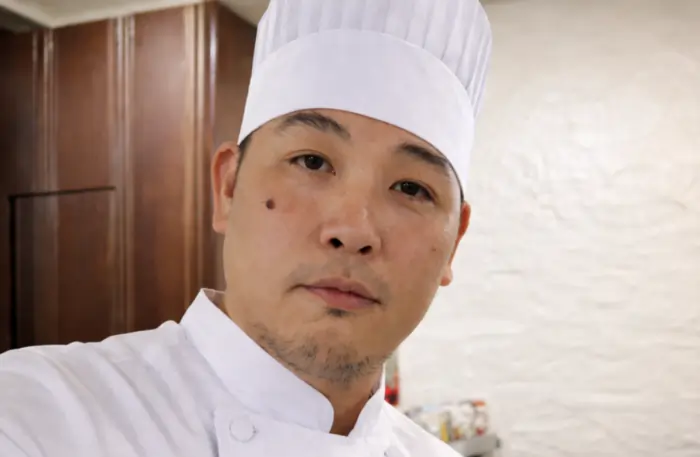
Chef Juan Gadi brings the heart of Filipino hospitality to Ubud, Bali. As an Executive Chef and consultant, he specializes in creating intimate, curated dining experiences that tell a story through every dish. Whether leading the kitchen at Kilig Filipino Warung or hosting a private villa dinner, Chef Juan’s approach is defined by warmth, modern technique, and a commitment to culinary excellence.