

What Makes a Journey Feel Truly Transformative Key Takeaways
Chef Juan Gadi still remembers the afternoon he stood barefoot in a Balinese rice field, hands sunk into wet earth, planting seedlings beside a farmer who spoke no English.
- What Makes a Journey Feel Truly Transformative is not about distance but depth — the willingness to engage fully with a place and its people.
- Transformative travel experiences often begin when comfort zones dissolve, making room for emotional resilience and authentic connections.
- Mindful, experiential travel benefits extend far beyond the trip itself, influencing your outlook, habits, and sense of purpose long after you return home.

The Quiet Revolution of Transformative Travel
Chef Juan Gadi still remembers the afternoon he stood barefoot in a Balinese rice field, hands sunk into wet earth, planting seedlings beside a farmer who spoke no English. He had left the heat of a professional kitchen in Manila to slow down, to listen. That single act of cultural immersion taught him more about patience, trust, and abundance than any five-star review ever could. It was a life changing travel moment — not because of a landmark, but because of an encounter.
This is the essence of transformative tourism. It is not about where you go, but how you show up. For travel enthusiasts, solo wanderers, wellness travelers, and digital nomads alike, the question What Makes a Journey Feel Truly Transformative has never been more relevant. In an era of curated feeds and packaged tours, the deepest shifts happen when we strip away expectations and embrace the raw, unscripted beauty of travel and self discovery.
Chef Juan’s story is a living example. He brought the heart of Filipino hospitality to Ubud, not by transplanting a restaurant, but by cooking for small groups under banana leaves, sharing stories of his grandmother’s adobo while learning about Balinese offerings. His impactful travel experiences remind us that journey transformation is available to anyone willing to trade itineraries for intention.
Why Some Journeys Change Everything
Not every trip transforms us. A week in a resort can leave you relaxed but unchanged. So what separates a pleasant holiday from a meaningful travel journey that rewires your perspective? The answer lies in three ingredients: vulnerability, presence, and connection.
The Role of Stepping Outside Your Comfort Zone
Personal development rarely happens in comfortable places. When Chef Juan first arrived in Ubud, he struggled with the quiet. The pace was slower than Manila’s relentless energy. He felt exposed, unsure of his purpose. But by saying yes to a homestay with a local family instead of a hotel, he unlocked emotional growth. Sharing meals, learning to make sambal from scratch, and waking at dawn to the sound of roosters pushed him into a new rhythm of living. That vulnerability became the crucible for change.
The same principle applies to travelers everywhere. Whether you are navigating a chaotic market in Marrakech, hiking Patagonia alone, or volunteering in a Cambodian village, the discomfort signals that you are on the edge of growth. Mindfulness in these moments — noticing your reactions without judging them — deepens the transformation. You begin to see that the real journey is internal.
How Meaningful Human Connections Create Lasting Change
Human connections are the glue of transformative travel. Chef Juan’s private villa dinners in Ubud are never just about the food. They are about sitting across from strangers and becoming friends over a shared plate of kinilaw. He watches diners open up, tell their own travel stories, laugh, and sometimes cry. Those authentic experiences remind everyone at the table that we are more alike than different.
For travelers, seeking cultural exchange rather than sightseeing makes the difference. Instead of checking off temples, spend an afternoon helping a farmer harvest. Instead of a group tour, take a cooking class with a grandmother. These meaningful experiences create bonds that outlast any photograph. They become the stories you tell for years.
Mindful Travel as a Path to Self Discovery
Mindful travel experiences ask you to be where you are. Not scrolling through photos of the next destination while standing at a current one. Not planning dinner while watching a sunset. Chef Juan practices mindfulness every time he cooks — smelling the lemongrass, feeling the heat of the wok, watching the faces of his guests as they taste a dish for the first time. He brings this same presence to his travels.
When you travel mindfully, you notice more. The way light filters through a jungle canopy. The texture of handwoven textiles. The rhythm of a local market. You start to ask different questions: How does this place shape the people who live here? What can I learn from their way of being? This shift from consuming to connecting is at the heart of personal transformation on the road.
Travel Reflection and Writing Your Story
Travel reflection is a practice that turns experiences into wisdom. Chef Juan keeps a journal. After each service or trip, he writes down not just what happened, but how it made him feel. Travel storytelling becomes a way to process the journey and share its lessons. For any traveler, journaling, recording voice memos, or even talking with a friend about your day can cement the insights that might otherwise fade.
Emotional travel growth requires that we pause long enough to let the experience land. Instead of rushing to the next activity, build in quiet time. Sit at a café and watch people. Walk without a destination. Let the place speak to you. These are the moments when life changing moments often occur, not during a highlight tour, but in the unplanned stillness between plans.
Destinations That Inspire Self Reflection and Growth
Certain places seem to hold a mirror up to your soul. For Chef Juan, Ubud is one of them. The lush green of the rice terraces, the scent of incense drifting from family temples, the gentle pace of life — all of it invites introspection. Destination experiences like these are powerful catalysts for change because they strip away distractions and ask you to sit with yourself.
Wellness travel has surged in popularity as more people seek these kinds of spaces. From retreats in Costa Rica to silent meditation in Thailand, wellness travel offers structured environments for spiritual growth. But you don’t need a formal retreat. A quiet coastal village in Portugal, a mountain hut in Nepal, or a farm stay in Tuscany can provide the same deep pause — if you approach it with intention.
Authentic travel experiences in these settings happen when you engage with local rhythms. Learn why the Balinese offer flowers at small shrines. Understand the philosophy behind Japanese tea ceremony. These are not items to observe from a distance, but invitations to participate. Cultural immersion of this depth creates memorable journeys that echo far beyond the return flight. For a related guide, see How Human Connection Shapes the Bali Experience.
The Forgotten Ingredient: Intentional Travel
Intentional travel is the conscious choice to align your journey with your values. Chef Juan’s decision to cook using local, seasonal ingredients in Ubud was not just a culinary preference — it was a commitment to sustainability and respect for the land. When travelers choose homestays over chain hotels, eat at family-run warungs, or take public transport, they travel intentionally. They create impactful travel experiences that benefit local communities and deepen their own learning.
Being intentional also means asking why you are traveling. Are you running from something or running toward growth? Do you want to relax, or are you seeking a shift in perspective? Transformative travel experiences often begin with honest answers to these questions. When your intention is clear, every decision — where to stay, what to eat, whom to talk to — becomes part of a larger story of journey transformation. For a related guide, see How Villa Dining Creates a More Personal Travel Experience.
Emotional Resilience Built on the Road
Travel is unpredictable. Flights get canceled, plans change, you get lost. These are not annoyances — they are opportunities to build emotional resilience. Chef Juan recalls a night in Ubud when a sudden storm knocked out the power during a private dinner. Instead of panicking, he lit candles, played guitar, and turned the evening into an intimate, memorable gathering. The guests still talk about it.
When you face challenges on the road — a language barrier, getting sick in a foreign country, navigating a confusing transit system — you discover capabilities you didn’t know you had. Each hurdle overcome adds a layer of confidence that stays with you. Adventure experiences, even small ones, strengthen your ability to adapt and thrive in uncertainty. That is personal growth through travel in its rawest, most powerful form.
How the Journey Continues After You Return Home
The greatest measure of a transformative trip is not the photos you post while away, but the changes you carry back. Chef Juan did not return from Ubud the same chef who left Manila. He cooks differently now — with more patience, more listening, more reverence for ingredients. He approaches his work with a calm that comes from stepping outside the frenzy and finding his center in a rice field.
Authentic connections made on the road can last a lifetime. That farmer who taught you to plant rice? You might stay in touch. The fellow traveler you shared a sleepless bus ride with? They could become a lifelong friend. Human connections forged in vulnerability and openness are some of the most durable relationships you will ever form. They remind you of who you were becoming during those transformative weeks.
Travel reflection continues at home. You alter your habits, start cooking a dish you learned, redecorate a room inspired by a foreign aesthetic. The journey embedding itself into your daily life is the truest sign that What Makes a Journey Feel Truly Transformative has happened to you.
Practical Steps to Unlock Transformative Travel
Ready to design your own meaningful travel journey? Here is a step-by-step guide informed by Chef Juan’s philosophy and years of guiding travelers through Bali.
Step 1: Define Your Intention Before You Go
Sit down before booking anything. Ask yourself: What do I want to feel, learn, or become on this trip? Write it down. Let your intention guide your choices. If you seek personal development, choose a destination known for retreats or cultural depth. If emotional growth is your goal, consider solo travel or volunteering.
Step 2: Choose Depth Over Distance
Instead of hopping between five countries in two weeks, stay in one region for longer. Slow travel allows you to form authentic connections with locals and places. Rent an apartment. Take a class. Visit the same café each morning. You will discover meaningful experiences that no guidebook can prescribe.
Step 3: Embrace Discomfort as a Teacher
Say yes to the invitation you would normally decline. Eat something unfamiliar. Take a local bus instead of a taxi. Strike up a conversation even if your language skills are shaky. Each small act of courage opens the door to life changing travel moments.
Step 4: Practice Mindfulness Daily
Set aside ten minutes each morning or evening to sit quietly. Notice your breath, the sounds around you, the feel of the ground. During the day, eat one meal without your phone. Walk without a destination. Mindful travel experiences sharpen your senses and deepen your appreciation for the present.
Step 5: Document with Intention
Write in a journal. Record voice memos. Take photos, but only after you have fully experienced the moment. Travel storytelling is not about curating a perfect feed; it is about capturing the feelings and insights that will become your memorable journeys.
Step 6: Keep the Journey Alive at Home
Return and integrate what you learned. Cook a recipe from your travels. Display a handmade object. Stay in touch with people you met. Let the transformation continue to unfold. The most impactful travel experiences are the ones that change your life long after the luggage is unpacked.
Useful Resources
For deeper exploration of transformative tourism and mindful travel, these resources offer excellent perspectives.
National Geographic: Transformative Travel Trends — In-depth reporting on how travelers are shifting from passive sightseeing to immersive, purpose-driven journeys.
Travel + Leisure: Mindful Travel Tips — Practical advice on practicing mindfulness during trips, including exercises and recommendations for slow travel.
Frequently Asked Questions About What Makes a Journey Feel Truly Transformative
What makes a journey feel truly transformative ?
A journey feels transformative when it shifts your perspective, challenges your assumptions, and connects you deeply with people and places. It is about depth over distance, and presence over planning.
How does travel contribute to personal growth and self discovery?
Travel exposes you to new cultures, languages, and ways of living, forcing you to adapt and learn. This process reveals hidden strengths, clarifies values, and accelerates personal development.
Why do some travel experiences create lasting life changes?
Lasting change happens when an experience touches your emotions, challenges your beliefs, or forms deep human bonds. These life changing moments rewire your perspective and stay with you.
What role does cultural immersion play in transformative travel?
Cultural immersion moves you from observer to participant. Cooking with a local family, learning traditional crafts, or attending festivals creates understanding and empathy that superficial sightseeing cannot.
How can meaningful human connections enhance a journey?
Human connections turn strangers into teachers and friends. Sharing stories, meals, and challenges creates a sense of belonging and mutual growth that enriches every mile of the trip.
Why is mindfulness important during travel experiences?
Mindfulness anchors you in the present, allowing you to absorb the richness of each moment. Without it, travel can become a blur of photos and checklists rather than a source of emotional travel growth.
How do challenges and new experiences lead to personal transformation?
Challenges force you to solve problems, manage uncertainty, and tap into inner resources you did not know you had. Each hurdle builds emotional resilience and confidence.
What types of destinations inspire self reflection and growth?
Destinations with natural beauty, spiritual traditions, or slower rhythms — like Ubud, the Scottish Highlands, or the Japanese countryside — naturally invite introspection and spiritual growth.
How does stepping outside a comfort zone affect travelers?
Stepping outside your comfort zone triggers a learning response. You become more adaptable, open-minded, and self-reliant — key traits of personal transformation through travel.
Why do transformative journeys often create stronger memories?
Memorable journeys are emotionally charged and novel. The brain encodes such experiences deeply because they break routine and carry meaning far beyond the everyday.
How can travelers become more intentional about their experiences?
Set clear intentions before you go, choose slow and immersive travel styles, and prioritize authentic experiences over tourist attractions. Being intentional travel conscious transforms any trip.
What role does wellness travel play in personal transformation?
Wellness travel provides structured time for healing, reflection, and growth. Yoga retreats, meditation programs, and nature immersion support emotional growth and lasting habit change.
How does travel help people gain new perspectives on life?
Seeing how others live — their priorities, struggles, and joys — expands your worldview. Travel reveals that your way is not the only way, fostering empathy and personal growth through travel.
Why are authentic experiences more impactful than traditional sightseeing?
Authentic experiences engage your senses and emotions. Sharing a meal in someone’s home or learning a craft creates memories that feel real and meaningful, unlike passive observation of monuments.
How can a journey continue influencing someone long after they return home?
By integrating lessons into daily life — cooking new recipes, maintaining human connections made abroad, or continuing a mindfulness practice. The transformation continues through travel reflection and intentional habits.
What is the difference between a vacation and a transformative journey?
A vacation rests the body; a transformative journey nourishes the soul. The latter involves growth, learning, and connection, leaving you changed rather than just relaxed.
Can a short trip still be transformative?
Yes. Even a weekend retreat or a few days of cultural immersion can spark significant emotional travel growth if you approach it with openness and intention.
How do I find transformative travel experiences ?
Look for homestays, retreats, volunteer opportunities, and local workshops. Seek recommendations from travelers who value depth. Trust serendipity over rigid planning.
What should I pack for a transformative journey?
Pack light. Bring a journal, comfortable clothes for different experiences, an open heart, and a willingness to leave expectations behind. The rest you can find along the way.
How do I stay safe while seeking transformative travel experiences ?
Trust your instincts, research destinations, inform someone of your plans, and keep digital copies of important documents. Safety and vulnerability can coexist with intentional travel choices.
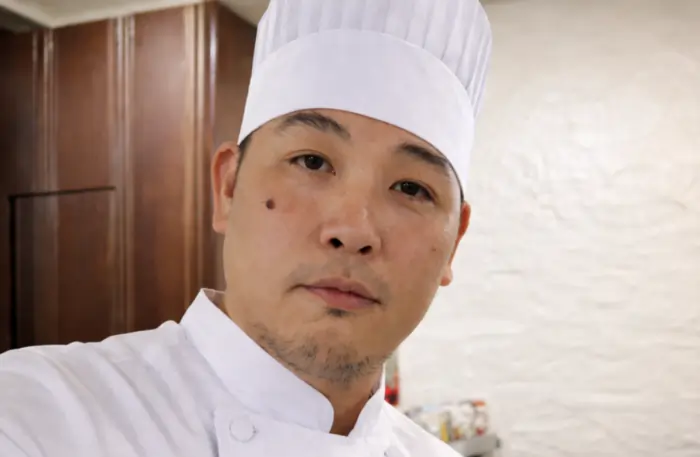
Chef Juan Gadi brings the heart of Filipino hospitality to Ubud, Bali. As an Executive Chef and consultant, he specializes in creating intimate, curated dining experiences that tell a story through every dish. Whether leading the kitchen at Kilig Filipino Warung or hosting a private villa dinner, Chef Juan’s approach is defined by warmth, modern technique, and a commitment to culinary excellence.