Discovering Bali One Local Meal at a Time Key Takeaways
When I first moved to Ubud to open Kilig Filipino Warung, I quickly learned that the heart of Bali local food beats strongest in the simplest places.
- Discovering Bali One Local Meal at a Time transforms a standard vacation into a cultural immersion that connects you with farmers, chefs, and families.
- Hidden warungs, local markets, and village dining rooms offer authentic Balinese cuisine far beyond the tourist strip.
- Cooking classes, food tours, and curated dining experiences help you appreciate the philosophy of Tri Hita Karana in every bite.
Why Discovering Bali One Local Meal at a Time Changes How You Travel
When I first moved to Ubud to open Kilig Filipino Warung, I quickly learned that the heart of Bali local food beats strongest in the simplest places. As an executive chef fascinated by how Bali cuisine mirrors its people, I realized that discovering Bali one local meal at a time wasn’t just a catchy phrase — it was the only way to truly understand this island.
Every morning, while preparing Filipino dishes with Balinese ingredients, I saw how local meals Bali offer a direct line into the culture. The Balinese food I tasted in village kitchens — cooked over wood fires, seasoned with Indonesian spices — held stories of offerings, ceremonies, and family bonds that no luxury resort buffet could ever tell. For a related guide, see 10 Cultural Lessons Hidden in Traditional Filipino Meals.
For the food traveler, this approach becomes a compass. Instead of ticking off generic attractions, you follow the scent of grilled seafood at a local warung or the laughter of a family preparing traditional Balinese dishes for a temple anniversary. Each meal becomes a chapter in your personal Bali travel guide.
The Philosophy Behind Every Bite
Balinese cooking is rooted in Tri Hita Karana — harmony between people, nature, and the divine. Authentic Balinese cuisine respects this balance through the use of base genep, a spice paste that always contains the right proportion of turmeric, ginger, galangal, shallots, garlic, chilies, and candlenut. When you sit down to eat at a local warung, you’re consuming a philosophy that has sustained the island for centuries.
Culinary tourism in Bali is not about checking off famous restaurants. It’s about sitting on a low bamboo stool, eating with your hands, and letting the flavors guide your conversation. That is the kind of food travel Bali that leaves a permanent mark on your memory.
What Are the Best Local Meals to Try in Bali?
If you ask any Balinese grandmother what to eat first, she will likely name dishes that reflect the island’s volcanic soil and tropical abundance. These are the traditional Balinese dishes every visitor should experience — not as a checklist, but as a gateway to understanding the place.
Babi Guling — The Ceremonial Roast Pig
Babi guling is the undisputed star of Balinese street food. Slow-roasted for hours, the pig is stuffed with a mixture of turmeric, coriander, lemongrass, and chilies. The skin crackles like glass. The meat falls apart. For a first-time visitor, this is the dish that announces: you have arrived in Bali. My favorite spot? The Ibu Oka warung in Ubud, but locals will send you to smaller stalls in Gianyar where the recipe hasn’t changed in four generations.
Lawar — A Complex Heritage Salad
Lawar combines finely chopped vegetables, grated coconut, and minced meat, all mixed with fresh blood or shredded offal. It sounds intimidating, but the depth of flavor reflects regional specialties perfected over centuries. The herbs — lime leaves, turmeric, and kencur — create a taste that is earthy, bright, and completely unique.
Sate Lilit — Balinese Street Food at Its Best
Unlike the skewered sate of Java, sate lilit minces fish or chicken into a paste, mixes it with grated coconut and spices, then wraps it around a lemongrass stalk. Grilled over charcoal, the fat sizzles and the lemongrass infuses the meat. It’s one of the most approachable traditional Balinese dishes for newcomers.
Nasi Campur Bali — The Island on a Plate
A truly satisfying local meal Bali comes in the form of nasi campur. A mound of steamed rice is surrounded by small portions of lawar, sate lilit, fried tempeh, sambal matah, and shredded chicken. Each bite is different. It’s the ultimate introduction to authentic Balinese cuisine and a dish every food travel Bali enthusiast should seek out.
How Can Travelers Discover Bali One Local Meal at a Time?
The secret is not to plan too rigidly. Discovering Bali one local meal at a time requires curiosity and a willingness to follow your nose. Let me guide you through the three best ways to experience local meals Bali with intention.
Dedicate Mornings to Local Markets
Local markets are the heartbeat of every Balinese community. At Pasar Ubud, Pasar Badung in Denpasar, or the smaller Gianyar market, you will find piles of fresh seafood still flopping, tropical fruits like salak and mangosteen, and spice stalls that fragrance the entire lane. Walk with an open mind. Point at what looks unfamiliar. Vendors love explaining how they use each ingredient. That is cultural immersion in its purest form — no guidebook required.
Eat at Local Warungs, Not Just Instagram Cafes
I tell every guest at my Kilig warung: skip the overpriced smoothie bowls for one meal and go where the taxi drivers eat. A local warung typically serves three to five dishes that rotate daily. Warung Nasi Ayam Ibu Dewi in Seminyak and Warung Mak Beng in Sanur are legendary — not because of marketing, but because they have served the same flawless recipes for decades.
Join a Food Tour with a Local Guide
Food tours led by Balinese chefs or cultural guides can unlock doors that remain closed to independent travelers. They take you into home kitchens, explain the significance of Banten (offerings) placed on every plate, and show you hidden food spots that don’t appear on Google Maps. This kind of cultural dining is where culinary experiences truly deepen. For a related guide, see How Food Tours Reveal the Hidden Side of Bali.
Where Can Tourists Find Authentic Local Restaurants and Warungs?
The most memorable Bali restaurants are not the ones with the longest queues. They are the ones tucked into back alleys, inside family homes, or perched on the edge of rice paddies. These are the authentic restaurants and hidden restaurants that reward the curious traveler.
| Location | Type | Signature Dish |
|---|---|---|
| Warung Babi Guling Ibu Oka (Ubud) | Local warung | Babi guling |
| Warung Mak Beng (Sanur) | Seafood warung | Ikan goreng campur |
| Nia’s Warung (Ubud) | Family warung | Nasi campur Bali |
| Warung Sate Lilit Chandra (Jimbaran) | Street food stall | Sate lilit |
| Laka Leke (Ubud) | Traditional restaurant | Bebek betutu |
| Babi Guling Men Agus (Gianyar) | Local warung | Babi guling |
My personal rule: if the menu is handwritten in Balinese and laminated, you have found gold. If they ask you how spicy you want it, you are in the right place. These dining recommendations are not about comfort — they are about connection.
Why Is Local Food an Important Part of Exploring Bali?
Bali local food is not separate from its culture; it IS the culture. Every dish — from the humblest Balinese street food to the most elaborate ceremonial feast — expresses the island’s relationship with its gods, its ancestors, and its land. When you eat local dining, you participate in that ongoing story.
Culinary heritage here is passed down through observation and taste, not written recipes. I have watched a Balinese grandmother season a pot of lawar without measuring, tasting with her finger, adjusting until the balance of salt, sour, and bitter felt right. That is a living tradition. By choosing local dining over chain restaurants, you support sustainable tourism and help preserve culinary heritage for the next generation.
How Do Balinese Meals Reflect the Island’s Culture and Traditions?
The connection between food and ritual is inescapable in Bali. Before a meal, even in a small warung, a small offering — a woven palm-leaf basket holding rice, flowers, and incense — is placed on the counter. This is a reminder that eating is sacred. Traditional Balinese dishes often mirror the colors of the gods: white (rice), red (chili), yellow (turmeric), black (blood or burnt coconut), and green (vegetables).
Village dining experiences, where a local family prepares a meal for guests, reveal this symbolism most clearly. I recall a dinner in Tegalalang where the host explained that the bitter taste in the lawar represented the challenges of life, while the sweetness of the sambal reflected gratitude. That evening changed my entire approach to cooking. It is exactly why cultural immersion through food is irreplaceable.
What Are the Benefits of Choosing Local Dining Over Tourist Restaurants?
The first benefit is flavor. Authentic flavors are complex, layered, and always made with seasonal ingredients sourced that morning. The second benefit is price. A full meal at a local warung costs a fraction of what you would pay at a Western-style cafe, and the quality of fresh seafood and tropical fruits is superior because the supply chain is shorter.
Third, you avoid contributing to the homogenization of tourism. Authentic dining keeps money circulating within local families rather than corporate chains. Fourth, you gain stories. The food experiences that stay with you long after the trip are not the ones where you ate a burger — they are the ones where the warung owner taught you how to eat lawar properly or where a farmer showed you which jackfruit is perfect for cooking.
How Can Food Tours Help Visitors Experience Authentic Bali?
Food tours provide structure without rigidity. A good guide will lead you to hidden food spots, explain the significance of local markets, and introduce you to local chefs and artisans. Many tours include a stop at a family compound where you can watch the preparation of offerings or participate in cooking classes. By choosing an operator committed to sustainable tourism, you ensure that your visit benefits the community.
I recommend tours that focus on a single region — Ubud’s market-to-plate walk, Jimbaran’s seafood trail, or the Gianyar babi guling circuit. These hyper-local cultural experiences offer a deep dive into regional specialties that you cannot replicate in a single afternoon.
What Hidden Culinary Gems Should Travelers Add to Their Itinerary?
Beyond the warungs mentioned above, several hidden food spots deserve your attention. In Sidemen, Warung Sari offers a view of Mount Agung and nasi campur that tastes like the land itself. In Amed, the fresh seafood grilled on the beach at sunset is unforgettable. In the highlands of Kintamani, the pickled vegetables and roasted duck at a family-run restaurant provide a glimpse into cooler-climate cooking.
My personal travel itinerary always includes a morning at Pasar Badung to buy spices, a lunch at a warung in Tegalalang overlooking the rice terraces, and an evening at a village dining experience organized through a local co-op. Every meal is a choice, and those choices create the texture of your journey.
Artisan Cooking and Learning the Rhythms of Bali
Artisan cooking in Bali is not a profession reserved for chefs — it belongs to every home cook. Taking a cooking class taught by a grandmother in her compound kitchen will teach you more about the island in four hours than a week of sightseeing. You will learn to make sambal matah with seasonal ingredients, grind Indonesian spices with a mortar and pestle, and wrap a banana leaf cone for a ceremonial dish. Those are skills you carry home.
Why Does Exploring Bali Through Local Cuisine Create More Meaningful Travel Memories?
Discovering Bali one local meal at a time is a slower, richer way to travel. It forces you to be present. You cannot scroll through a menu quickly — you must ask, point, and trust. That vulnerability opens doors to connection. I have seen travelers cry at a warung because the taste of a sambal reminded them of their grandmother’s cooking. That emotional resonance is the power of food adventures rooted in place.
In my work as a chef at Kilig Filipino Warung, I see this daily. Guests arrive curious, leave transformed. They don’t remember the exact price they paid — they remember the conversation with the farmer who grew the turmeric, the warmth of the local dining atmosphere, and the realization that Bali cuisine is a language of love. That is the gift of culinary experiences that go beyond tasting. For a related guide, see 12 Ways Filipino Cuisine Is Evolving in Bali: A Chef’s Expert Take.
Practical Tips for Discovering Bali One Local Meal at a Time
Here is a short checklist to guide your journey:
- Carry small bills — many local warungs do not accept cards.
- Learn three phrases in Bahasa Indonesia: “Tidak pedas” (not spicy), “enak” (delicious), and “terima kasih” (thank you).
- Eat with your right hand. It enhances the flavor and shows respect.
- Visit local markets early — by 7 AM, the best ingredients are already sold.
- Ask locals where they eat. Follow their recommendations immediately.
- Take food photography that includes hands, faces, and surroundings — not just the plate.
- Be open to local delicacies like crispy duck skin, fried sago worms, or bitter melon.
Useful Resources
For deeper reading on Bali food guide and Indonesian cuisine, I recommend the following sources:
Frequently Asked Questions About Discovering Bali One Local Meal at a Time
Frequently Asked Questions About Discovering Bali One Local Meal at a Time
What is the best way to start discovering Bali one local meal at a time ?
Begin by visiting a local market in the morning — Pasar Ubud or Pasar Badung are perfect. Choose one dish you have never tried, like lawar or sate lilit, and eat it at a warung with no English menu. Let the experience unfold naturally.
Are warungs safe for international tourists to eat at?
Yes. Local warungs in Bali serve food that is cooked fresh every morning. The turnover is high, which means the ingredients are constantly replenished. Look for warungs with a steady stream of local customers — that is the best quality signal.
What is the most iconic traditional Balinese dish?
Babi guling is widely considered the most iconic, but bebek betutu (slow-cooked duck) and sate lilit are equally cherished. Each represents the depth of traditional Balinese cooking.
How can I find hidden food spots in Bali?
Talk to local drivers, hotel staff, and market vendors. Use social media to follow Balinese food bloggers. Alternatively, book a guided food tour that specializes in off-the-beaten-path locations.
What should I eat if I have a low spice tolerance?
Start with sate lilit, nasi campur without sambal, or lawar in its mildest form. You can also ask the cook to reduce the chili. Balinese cuisine can be spicy, but many dishes are offered in mild versions.
Is vegetarian or vegan food easy to find in local warungs?
Yes. Many warungs serve tempeh, tofu, and vegetable lawar. Look for “nasi campur sayur” or ask for dishes without meat or shrimp paste. Local markets also offer abundant tropical fruits and vegetables.
What is a typical Balinese breakfast?
Bubur injin (black rice pudding with coconut milk), nasi jinggo (small rice packets with side dishes), and bubur ayam (chicken congee) are common. These are sold by street vendors in the early hours.
How does Balinese coffee culture fit into local dining ?
Bali produces some of the world’s most complex arabica beans, especially from Kintamani. Local warungs often serve kopi bali — strong, sweetened with palm sugar — alongside breakfast or after a meal.
Can I take cooking classes in local villages?
Yes. Many families in Ubud, Sidemen, and Tegalalang offer cooking classes in their home compounds. These classes include a market visit and instruction on traditional Balinese cooking techniques.
What is the role of sambal in Balinese meals?
Sambal is the soul of Balinese cuisine. It adds heat, acidity, and complexity. Varieties like sambal matah (raw shallot and chili) and sambal embe (fried chili and garlic) accompany most dishes.
How much does a meal at a local warung cost?
A complete meal typically costs between 20,000 and 50,000 IDR (about $1.30 to $3.30 USD). This is significantly cheaper than tourist-focused restaurants and often far more flavorful.
What is the etiquette for eating at a Balinese home dining experience?
Remove your shoes before entering. Wait to be invited to sit. Eat with your right hand and thank the host after the meal. Compliment the food sincerely — “enak sekali” (very delicious).
What are the must-try tropical fruits in Bali?
Mangosteen, salak (snake fruit), rambutan, jackfruit, and dragon fruit are everywhere. Visit a local market to taste them at their peak ripeness.
How can food travel Bali support sustainable tourism?
Choosing local warungs over international chains keeps money in the community. Participating in village dining programs and cooking classes also supports local employment and preserves culinary heritage.
What is the best time of day for food photography in Bali?
Early morning at a market or late afternoon during golden hour at a rice terrace warung. Natural light reveals the colors of tropical fruits and spices beautifully.
Are there any food tours that include spiritual or ritual elements?
Yes. Several operators combine a market visit with an explanation of canang sari (offerings) and the role of food in temple ceremonies. These experiences deepen your understanding of Balinese Hinduism.
What drink pairs best with a Balinese meal?
Es kelapa muda (young coconut water) or a glass of jamu (traditional herbal tonic) balances the richness of fried and spiced dishes. For a local alcoholic option, try tuak (palm wine).
How do Balinese meals reflect the island’s agriculture?
The rice terraces of Jatiluwih supply the staple grain. Volcanic soil grows turmeric, ginger, and chilies. Coastal areas provide fresh seafood. The cuisine is a direct map of the landscape.
Can I find regional specialties like lawar in every part of Bali?
Lawar varies by region. The lawar in Buleleng may include jackfruit, while in Klungkung it contains turtle meat (now rare legal). Ask for the local version wherever you visit.
Why is discovering Bali one local meal at a time more meaningful than a food tour?
The phrase refers to a mindset, not a schedule. It encourages slowing down, eating with intention, and letting each meal become a memory. Both solo exploration and guided tours can follow this philosophy.
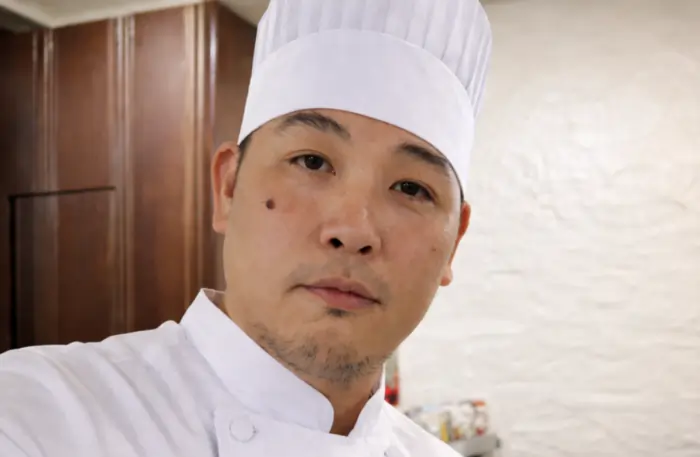
Chef Juan Gadi brings the heart of Filipino hospitality to Ubud, Bali. As an Executive Chef and consultant, he specializes in creating intimate, curated dining experiences that tell a story through every dish. Whether leading the kitchen at Kilig Filipino Warung or hosting a private villa dinner, Chef Juan’s approach is defined by warmth, modern technique, and a commitment to culinary excellence.