Cultural Lessons Hidden in Traditional Filipino Meals Key Takeaways
Traditional Filipino meals are far more than just sustenance—they are a living archive of the nation’s soul.
- Filipino food culture emphasizes sharing and connection, turning every meal into a social event.
- Indigenous cooking methods and local ingredients highlight a profound respect for nature and regional diversity.
- Centuries of trade and colonization have layered Filipino cuisine with Chinese, Spanish, and Malay influences, creating a unique Philippine culinary heritage .
What Do Traditional Filipino Meals Reveal About Filipino Culture?
To understand the Philippines, one must sit at its table. The Cultural Lessons Hidden in Traditional Filipino Meals offer a masterclass in the nation’s priorities: family first, food shared, and joy multiplied. Unlike Western dining where individual plates are the norm, Filipino family meals are a collective experience. A typical spread of local Filipino dishes like sinigang, lechon, and pancit is placed at the center of the table, inviting everyone to dig in together. This practice is a tangible expression of bayanihan—the spirit of communal unity and mutual assistance.
Furthermore, the reverence for food goes beyond taste. It is a marker of cultural identity. During fiesta traditions, entire barangays (villages) prepare hundreds of kilos of food, not just for family but for any passerby. This open-handedness is the essence of Filipino hospitality, a value so ingrained that turning down an offer to eat can sometimes be considered impolite. For culinary travelers and cultural enthusiasts, these moments offer a profound lesson in generosity that transcends the plate.
Lesson 1: The Kamayan Feast Teaches Equality and Trust
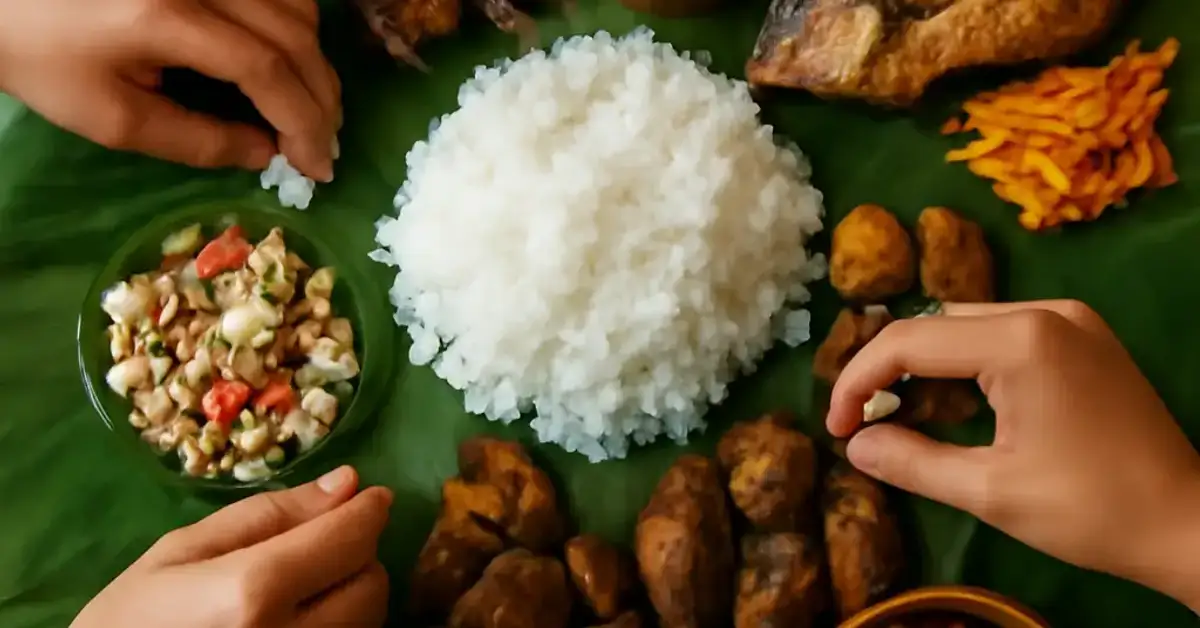
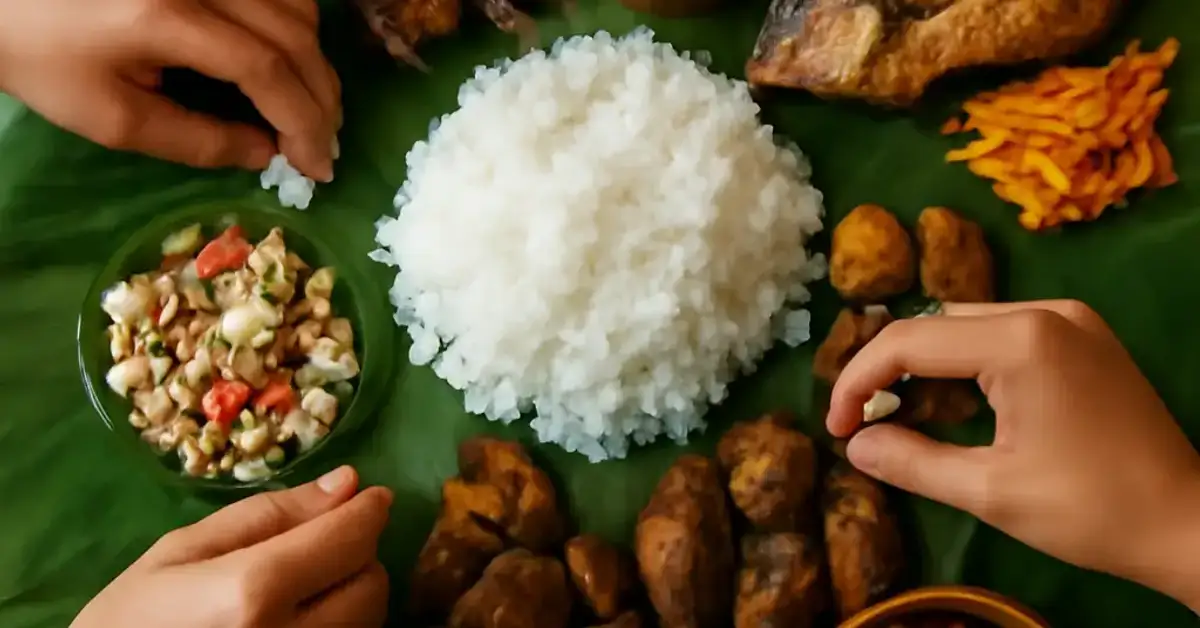
Perhaps the most visceral lesson in Filipino dining traditions comes from kamayan, the practice of eating with one’s hands. This is not merely a rustic habit; it is a ritual that levels the playing field. When everyone eats from the same spread of food on banana leaves, using only their hands, social hierarchies dissolve. A CEO eats the same way as a farmer, using the same tools—their fingers. For a related guide, see 8 Filipino Dining Customs Every Bali Traveler Should Know.
This approach to dining also demands a unique form of trust. You must trust that the hands preparing your bite of lechon or lumpia are clean and that the community is healthy. It transforms eating from a solitary act into a tactile, intimate connection with the food and the people around you. For food tourism Philippines enthusiasts, participating in a boodle fight—a military-inspired communal feast often served on banana leaves—is a bucket-list experience that encapsulates this lesson in equality and camaraderie.
Why Eating with Hands is More Than Just a Gimmick
Many tourists initially feel hesitant about eating with their hands. However, locals will explain that the hand is the perfect utensil. It allows you to feel the temperature and texture of the rice and stew, blending them into a perfect bite. This practice highlights the indigenous cooking philosophy that food should be enjoyed with all the senses. It is a reminder that sometimes, the most sophisticated cuisine heritage is found not in complexity, but in raw, unmediated connection.
Lesson 2: Rice Culture is the Foundation of Life and Community
No traditional Filipino meal is complete without rice. Rice culture in the Philippines is not just about a grain; it is a symbol of life, fertility, and hard work. The phrase “Kumain ka na ba?” (Have you eaten?) literally translates to “Have you eaten rice?” This linguistic nuance underscores that, in Filipino food culture, a meal without rice is hardly a meal at all.
This reliance on rice teaches visitors about the agrarian roots of the nation. The rice terraces of the Cordilleras, a UNESCO World Heritage site, are a monument to Philippine culture and the engineering ingenuity of indigenous people. When a Filipino family serves heaping mounds of rice alongside salty or sour dishes like sinigang or adobo, they are honoring the balance of flavors and the sustenance that their ancestors cultivated. For heritage travelers, understanding rice culture is key to understanding the patience and resilience embedded in the national psyche.
Lesson 3: Adobo is a Lesson in Resourcefulness and Preservation
Adobo is often called the unofficial national dish, but its real value lies in its history. Before refrigeration, Filipinos needed a way to preserve meat. The solution was simple and brilliant: braise pork or chicken in vinegar, soy sauce, garlic, and peppercorns. This process, known as indigenous cooking adapted to the tropics, kills bacteria and allows the dish to stay edible for days without spoiling.
The Cultural Lessons Hidden in Traditional Filipino Meals like adobo teach us about the genius of scarcity. Every family has their own version—some add coconut milk, others add potatoes—but the core principle of using what is available remains. This adaptability is a core component of Filipino values. It tells a story of a people who learned to thrive despite typhoons, economic hardship, and limited resources. For home cooks and chefs, the lesson is clear: the best dishes often come from the greatest constraints. For a related guide, see 8 Cultural Foods That Keep Every Filipino Root So Alive.
Lesson 4: Sinigang Represents the Balance of Sour and Comfort
Sinigang is a sour soup, typically made with tamarind, tomatoes, and a medley of vegetables, with pork, shrimp, or fish. The sharp, sour flavor is a hallmark of authentic Filipino food and a testament to the tropical palate. This dish teaches the lesson of balance and comfort. In Filipino culture, a hot bowl of sinigang is the ultimate comfort food, often served on rainy days or to someone who is feeling unwell.
This preference for sourness (asam) is a thread that connects the Philippines to its Southeast Asian neighbors, but the specific use of local produce like kamias or sampalok makes it distinctly Filipino. It reflects a culinary travel philosophy where the environment dictates the flavor profile. For patients and the elderly, it is the first food offered, embodying respect for elders and familial care.
Lesson 5: Pancit Symbolizes Long Life and Connection to Chinese Influence
Pancit, or stir-fried noodles, is a staple at every birthday party and family gathering in the Philippines. The Chinese influence on Filipino cuisine is undeniable here, as the dish was introduced by Chinese traders centuries ago. The lesson of pancit is about longevity and prosperity. The long noodles represent a wish for a long, unbroken life for the celebrant.
Beyond the symbolism, pancit teaches the value of celebration through simplicity. It can be made with leftover vegetables, a few slices of meat, and cheap noodles, yet it transforms into a festive dish. This reflects the Filipino traditions of making the most of what you have and celebrating even the smallest milestones with a feast. For food bloggers and travelers, tasting pancit in different regions reveals how Chinese influence was indigenized, creating unique local versions like Pancit Malabon or Pancit Palabok.
Lesson 6: Lechon is the Ultimate Symbol of Celebration and Fiesta Traditions
Lechon—a whole roasted pig—is the centerpiece of every major fiesta traditions and festive celebration. The lesson here is about abundance and community sacrifice. Raising and roasting a pig is an expensive, labor-intensive process. Offering it to the community is the highest form of Filipino hospitality. The crispy skin and tender meat are not just food; they are a declaration of joy.
The fiesta traditions surrounding lechon are a powerful display of cultural identity. In the town of Balayan, Batangas, the Parada ng Lechon parade features roasted pigs dressed up in costumes. This whimsical tradition teaches visitors that Filipinos approach life with humor and gratitude. For food tourism Philippines professionals, lechon is a non-negotiable inclusion in any cultural itinerary. It demonstrates that to be welcomed into a Filipino home is to be treated like royalty.
Lesson 7: Lumpia and the Art of Sharing and Portability
Lumpia, or Filipino spring rolls, are a lesson in the portability of culture. These crispy rolls are the quintessential party food at family gatherings. They are easy to eat, easy to share, and can be filled with almost anything—ground pork, vegetables, or even bananas for a sweet version.
The food sharing aspect of lumpia teaches restraint and generosity. During a party, hosts will ensure that the lumpia is passed around multiple times before anyone takes the last piece. This unspoken rule of sharing is a core Filipino value. For students and educators studying Philippine culture, lumpia serves as a perfect example of how food adapts to social settings—from fancy cocktail parties to simple street food stalls.
Lesson 8: Regional Specialties Teach Pride in Diversity
The Philippines is an archipelago of over 7,000 islands, and regional specialties are a source of immense pride. The Cultural Lessons Hidden in Traditional Filipino Meals include the appreciation of micro-cultures. A dish like Bicol Express (spicy pork in coconut milk) from the Bicol region teaches the bold love for chili. In the Visayas, lechon is paired with a liver-based sauce, highlighting a preference for savory richness. In Muslim Mindanao, dishes like Piyanggang Manok (burnt coconut chicken) showcase the influence of Middle Eastern and Malay trade.
This diversity teaches travelers that there is no single “Filipino” taste. Each island has its own story, local ingredients, and cooking techniques. For culinary travelers and researchers, mapping these regional specialties reveals a nation that values individual identity while still operating as a cohesive whole. It is a lesson in unity in diversity that is uniquely Philippine culture.
Lesson 9: Banana Leaves and the Lesson of Eco-Friendly Dining
Long before eco-consciousness became a trend, Filipinos were using banana leaves as plates. This practice, often seen in kamayan feasts, teaches a profound respect for the environment. When the meal is over, the leaves are simply composted or fed to animals. There is no plastic waste, no non-biodegradable trash.
The use of banana leaves also imparts a subtle flavor and aroma to the rice and viands, enhancing the dining experience. This is a form of indigenous cooking that modern chefs are now rediscovering. For hospitality professionals and restaurant owners, this tradition offers a model for sustainable dining. It proves that heritage cuisine can be both authentic and environmentally responsible, a lesson highly valued by modern food tourism Philippines initiatives.
Lesson 10: Bayanihan and Family Gatherings are the Heart of the Meal
The final and most important lesson is the concept of bayanihan. This term originally described neighbors physically moving a house to a new location, but it now applies to communal effort in all aspects of life, including food. In a typical Filipino family meal, the preparation is a group effort. Children help wash the banana leaves, adults do the cooking, and everyone contributes to the cleanup.
This collaborative spirit is especially visible during the holiday season. Family gatherings are not just about eating; they are about reaffirming bonds. The Cultural Lessons Hidden in Traditional Filipino Meals ultimately point to one truth: the meal is the medium, but the message is love and community. For Southeast Asia travelers and cultural enthusiasts, being invited into a Filipino home for a meal is the highest compliment. It is a moment to witness Filipino hospitality in its purest form, where the guest is treated as part of the family.
Useful Resources
For those looking to dive deeper into the richness of Filipino cuisine and its cultural roots, explore these authoritative sources. They offer historical context, traditional recipes, and travel guides for culinary adventurers.
- Read about the untold culinary story of the Philippines on BBC Travel
- Discover National Geographic’s guide to food tourism in the Philippines
Frequently Asked Questions About Cultural Lessons Hidden in Traditional Filipino Meals
What are the 10 cultural lessons hidden in traditional Filipino meals ?
The 10 lessons include the values of equality (kamayan), resourcefulness (adobo), balance (sinigang), longevity (pancit), celebration (lechon), sharing (lumpia), regional pride, eco-consciousness (banana leaves), hospitality, and community unity (bayanihan).
What do traditional Filipino meals reveal about Filipino culture?
They reveal a culture centered on community, generosity, and adaptability. The priority is always on sharing food and making guests feel welcome, reflecting the core value of kapwa (shared identity).
Why is sharing food important in the Philippines?
Sharing food is a tangible expression of bayanihan and family ties. It breaks down social barriers and reinforces the idea that no one should eat alone, a sign of a healthy community.
How do Filipino family meals reflect local values?
They reflect respect for elders (who are served first), the importance of togetherness (eating from shared platters), and generosity (ensuring there is always extra food for unexpected guests).
What role do fiestas play in Filipino food traditions?
Fiestas are the ultimate display of Filipino hospitality and community spirit. Entire towns prepare vast quantities of food, open their homes, and celebrate their patron saint, reinforcing social bonds and cultural identity.
How does Filipino cuisine preserve cultural heritage?
Cuisine preserves heritage through the transmission of regional recipes, indigenous cooking methods (like cooking in bamboo), and the continued use of local ingredients that date back to pre-colonial times.
What dining customs should travelers know before visiting the Philippines?
Travelers should know to wait for the host to say “kain tayo” (let’s eat) before starting, never refuse food when offered, and use their hands or spoon and fork (never a knife at the table is common).
How do traditional dishes represent regional diversity?
Each region uses its own local ingredients and cooking styles. For example, the Ilocos region is known for inabraw (vegetable stew), while Pampanga is famous for its sweet and savory dishes, showing that geography shapes taste.
Why is hospitality central to Filipino dining culture?
Hospitality, or “kagandahang loob,” is a moral obligation. Offering food is the primary way to show kindness and respect. A host will go to great lengths to ensure a guest feels welcome and well-fed.
What can visitors learn from authentic Filipino food experiences?
They learn that food is an act of love and community. Authentic experiences, like joining a kamayan feast, teach visitors to slow down, connect with others, and appreciate the joy of simple, shared ingredients.
Is adobo the same everywhere in the Philippines?
No, adobo varies greatly. Some versions use coconut milk (adobo sa gata), others use turmeric (yellow adobo), and some include liver or hard-boiled eggs, showcasing the creativity of local cooks.
What does sinigang teach us about Filipino resilience?
Sinigang uses sour fruits like tamarind or kamias that grow abundantly even in poor soil. This shows how Filipinos adapt to their environment, using available resources to create nourishing and satisfying meals.
How is Spanish influence visible in Filipino food?
Spanish influence is seen in dishes like lechon, paella, and morcon, as well as the use of sofrito (garlic, onion, tomato) and the tradition of having a midday meal (merienda).
What is a boodle fight?
A boodle fight is a military-style communal feast where food is laid out on a long table covered with banana leaves. Participants eat with their hands without plates or utensils, emphasizing equality and speed.
Are there vegetarian options in traditional Filipino meals ?
Yes, though traditional Filipino meals are meat-heavy. Options include laing (taro leaves in coconut milk), pinakbet (vegetable stew with shrimp paste), and ginataang gulay (vegetables in coconut milk).
What is the most important ingredient in Filipino cooking?
Garlic is arguably the most important foundational ingredient, along with vinegar, soy sauce, and fish sauce. However, rice remains the irreplaceable core of every meal.
How do Filipinos show respect to elders during meals?
By offering the best portion of food first, serving them before others, and using respectful gestures like taking their hand and pressing it to your forehead (pagmamano) before or after the meal.
Why are meal times longer in the Philippines?
Because meals are social events. Rushing through a meal is seen as rude. Filipinos use meal time to catch up, tell stories, and strengthen relationships, making it a multi-hour affair if possible.
What is the role of vinegar in Filipino cuisine ?
Vinegar is used not just for flavor but for preservation. It is a key ingredient in adobo, kinilaw (ceviche), and numerous dipping sauces (sawsawan), reflecting the tropical need to keep food fresh.
How has food tourism changed the perception of Filipino food?
Food tourism has elevated Filipino cuisine from a diaspora comfort food to a globally recognized culinary identity. It has encouraged the preservation of heirloom recipes and the exploration of regional specialties by international visitors.
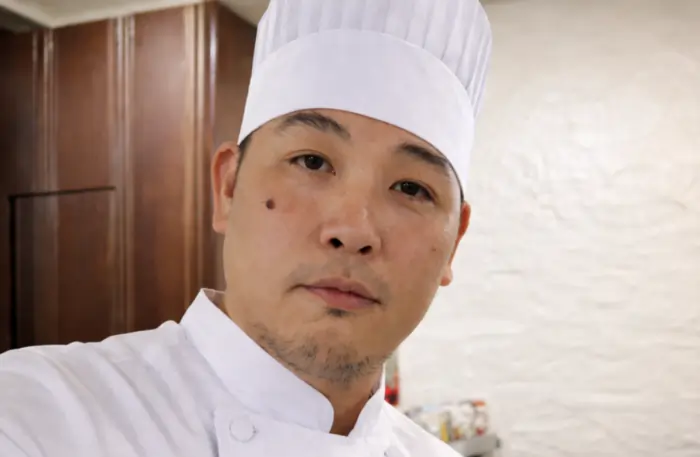
Chef Juan Gadi brings the heart of Filipino hospitality to Ubud, Bali. As an Executive Chef and consultant, he specializes in creating intimate, curated dining experiences that tell a story through every dish. Whether leading the kitchen at Kilig Filipino Warung or hosting a private villa dinner, Chef Juan’s approach is defined by warmth, modern technique, and a commitment to culinary excellence.