Cultural Influences That Continue to Shape Filipino Cuisine Key Takeaways
Filipino cuisine is a vibrant tapestry woven from centuries of trade, colonization, and migration.
- The cultural influences that continue to shape Filipino cuisine reflect 300 years of Spanish rule, 50 years of American occupation, and pre-colonial trade with China and Southeast Asia.
- Key dishes like adobo, pancit, lumpia, lechon, and sinigang each tell the story of a specific cultural exchange.
- Understanding these influences helps travelers, chefs, and food lovers appreciate Filipino food culture on a deeper level.
Why Understanding the Cultural Influences That Continue to Shape Filipino Cuisine Matters for Food Lovers
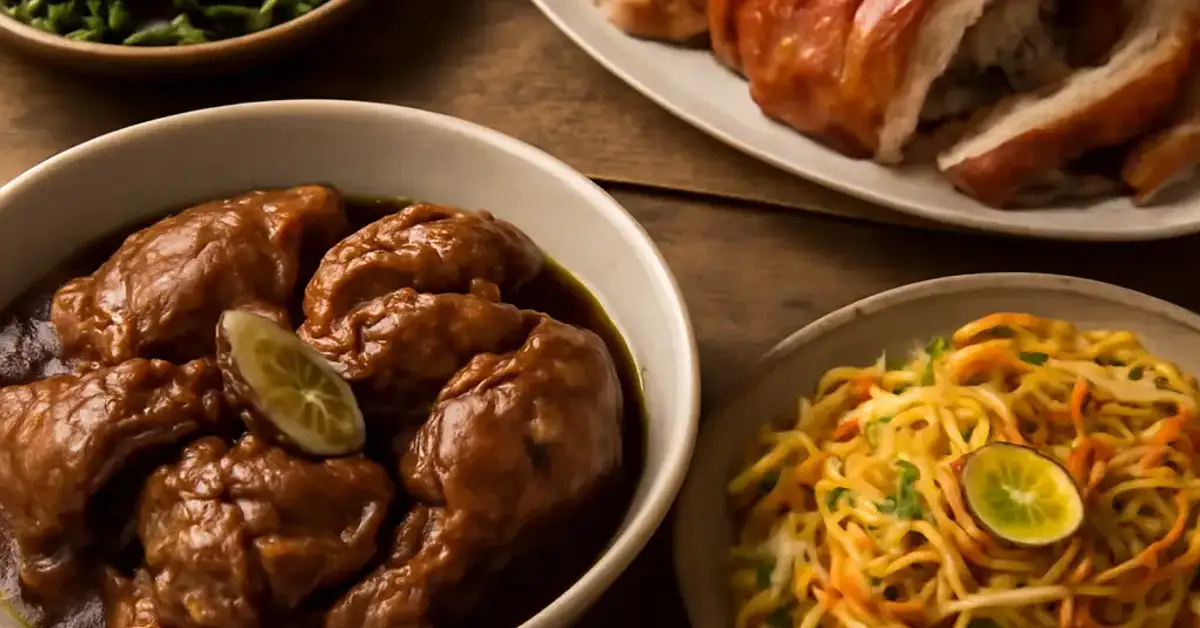
If you have ever tasted a bowl of pancit at a birthday party or bitten into crispy lechon during a fiesta, you have already experienced the cultural influences that continue to shape Filipino cuisine. The Philippines sits at a geographic crossroads, and its cooking reflects that position. Before the first Spanish galleon arrived, early Filipinos already traded with Chinese merchants, Malay migrants, and Arab traders. Each wave of contact left ingredients, techniques, and tastes that Filipinos adapted and made their own. For a related guide, see The Cultural Influences Behind Filipino Cuisine in Bali.
Today, Filipino food culture is a living museum of these encounters. For culinary travelers, understanding this mix is the key to enjoying authentic meals: the sour broth of sinigang, the vinegar tang of adobo, the coconut richness of Bicol express. Each dish carries a trace of the past. This guide walks you through the seven main cultural influences on Filipino cuisine, showing you exactly what each one contributed and where to taste it today. For a related guide, see Why Filipino Food Reflects Centuries of Asian and Western Influences.
The Seven Pillars of Cultural Influences on Filipino Cuisine
Every bowl of traditional Filipino food holds echoes of many cultures. Below, we break down each influence, the dishes it shaped, and how it continues to define Philippine culinary heritage.
1. Indigenous Filipino Cuisine — The Foundation of Flavor
Before any foreign influence touched the archipelago, Indigenous communities had already developed a rich Filipino food history. They used tropical ingredients like coconut, banana hearts, taro, root crops, and wild greens. Fermentation and vinegar-based cooking preserved food in the tropical heat. The practice of wrapping fish or meat in banana leaves and steaming or grilling it—still seen in dishes like sinigang wrapped and grilled—comes from these early people.
Rice culture runs deep in Indigenous Filipino cuisine. Rice terraces in the Cordilleras are living monuments to an agricultural system that sustained communities for millennia. Local vinegars made from coconut sap or sugarcane, along with local spices like labuyo chili and ginger, form the base of many heritage recipes. Indigenous Filipino ingredients such as pili nuts, calamansi, and ube remain central to authentic Filipino cuisine today.
2. Chinese Influence — Noodles, Wraps, and Stir-Frying
Chinese traders began arriving long before the Spanish, bringing woks, soy sauce, and the technique of stir-frying. They also introduced noodles. Pancit, the Filipino version of noodles, became a symbol of long life and is now essential at every birthday celebration. Lumpia, spring rolls stuffed with vegetables or meat, traveled from China and became a staple snack across the islands.
The Chinese influence also popularized the use of tofu, bean sprouts, and the method of braising meats in soy sauce and vinegar—a precursor to modern adobo. Many family recipes for pancit and lumpia have been passed down for generations, adapting to regional tastes. In cities like Manila and Binondo (the world’s oldest Chinatown), Chinese-Filipino culinary history is alive in every dim sum cart and noodle house.
3. Spanish Influence — Stews, Embutido, and the Fiesta Tradition
The Spanish influence on Filipino cuisine is perhaps the most visible. Over 300 years of colonization introduced tomatoes, potatoes, garlic, onions, olive oil, and the concept of stewing meat in tomatoes and spices. Lechon, the iconic roasted pig, is a direct descendant of Spanish roasting techniques, though Filipinos gave it a unique crackling crust by using local flavorings.
Fiesta traditions today still echo Spanish food traditions: whole lechon on a spit, paella at family gatherings, and sweet flan for dessert. Adobo gets its name from the Spanish word adobar (to marinate), although the vinegar-soy base is pre-colonial. The Spanish also introduced wheat flour, leading to pan de sal and other baked goods. This cultural exchange gave the Philippines its love for rich, slow-cooked local cuisine that remains celebratory and generous.
4. American Influence — Canned Goods, Fried Food, and Fast Food
American colonization in the early 20th century introduced convenience foods and a sweet tooth. Canned goods like SPAM, corned beef, and evaporated milk became pantry staples. The American influence also brought frying as a dominant cooking method: crispy fried chicken, fried fish, and the beloved Filipino spaghetti with sweet tomato sauce.
Schools and institutions popularized Filipino cooking styles that were quick and shelf-stable. Filipino food culture today includes breakfasts of garlic fried rice, scrambled eggs, and either SPAM or longganisa—a meal that blends American convenience with local taste. The fast-food boom, led by Jollibee, is uniquely Filipino: sweet burgers, chickenjoy, and spaghetti show how cultural influences on Filipino cuisine can create something entirely new.
5. Malay Influence — Coconut Milk, Lemongrass, and Spice Pastes
The Malay influence connects the Philippines to its Southeast Asian neighbors. Malay migrants brought coconut milk, lemongrass, galangal, and the technique of slow-cooking meat in coconut cream—seen in dishes like laing (taro leaves in coconut milk) and Bicol express, a fiery pork stew with chilies and coconut milk.
Southeast Asian cuisine shares many base flavors: sour, salty, spicy, and creamy. In the Philippines, the Malay influence is strongest in the Bicol region and in Muslim Mindanao, where local spices like turmeric and cumin appear in regional specialties. The use of fermented shrimp paste (bagoong) and fish sauce (patis) also traces back to early Malay cooking, anchoring Filipino culinary traditions in the broader Southeast Asian cuisine family.
6. Mexican Influence — Tamales, Pipián, and Achuete
One of the most surprising cultural influences on Filipino cuisine comes from Mexico. During the Manila-Acapulco Galleon Trade (1565–1815), Mexican ingredients and dishes crossed the Pacific. Achuete (annatto seeds) gave Filipino stews a red-orange color. Tamales in the Philippines are wrapped in banana leaves rather than corn husks and are often sweet or savory with pork and peanuts.
Mexican influence also introduced peanuts as a thickening agent for sauces—similar to Mexican pipián. In the Philippines, you taste this in kare-kare, an oxtail stew thickened with ground peanuts and colored with achuete. This heritage food is a perfect example of how cultural exchange across oceans created dishes that feel uniquely Filipino but carry the DNA of both Mexico and Spain.
7. Japanese Influence — Grilling, Pickling, and Precision
The Japanese influence on Filipino cuisine is more recent but noticeable. Japanese occupation during World War II and postwar migration introduced grilling techniques, tempura batter, and pickled vegetables. Today, Filipino food culture includes Japanese-style grilled fish, pork tonkatsu served with rice, and even Filipino-Japanese fusion dishes.
In urban areas, sushi and sashimi are popular, but the deeper cultural influence is in the appreciation for fresh, simply prepared ingredients. The Japanese emphasis on plating and quality control has influenced modern authentic Filipino cuisine restaurants, particularly in fine-dining contexts where Filipino flavors are presented with cleaner lines and lighter sauces.
What Traditional Filipino Food Tells Us About Philippine Culture
When you eat traditional Filipino food, you are tasting centuries of cultural exchange. Each dish reveals a layer of Philippine culture: the communal spirit of fiesta traditions, the resourcefulness of vinegar based cooking that preserves without refrigeration, and the hospitality that insists you eat more. Regional specialties like Ilocos bagnet (crispy pork belly) or Pampanga sisig (chopped pork face) show how local geography and history shape a dish.
Heritage recipes are not frozen in time. They evolve. Modern chefs are reviving Indigenous Filipino ingredients like heirloom rice, wild honey, and forest mushrooms, reconnecting with Philippine culinary heritage in a way that feels fresh. At the same time, food tourism Philippines is booming, with travelers seeking out authentic Filipino cuisine in local carinderias and high-end tasting menus.
How to Experience Authentic Filipino Cuisine as a Culinary Traveler
For anyone interested in food tourism Philippines, the best way to understand the cultural influences that continue to shape Filipino cuisine is to eat with curiosity. Try street food like fish balls, kwek-kwek (quail eggs), and isaw (grilled chicken intestines) to taste the influence of Chinese street vendors and local food traditions. Visit a market early in the morning to see local ingredients laid out: fresh coconuts, purple yam, green mangoes, and piles of local spices.
Attend a fiesta tradition if you can: a town celebration where a whole lechon is roasted, where tables overflow with regional specialties, and you are invited to eat until you are full. In the kitchen, volunteer to help cook adobo or sinigang with a local family, and you will see how family recipes blend all seven influences into one pot.
Comparing the Seven Cultural Influences on Filipino Cuisine
Below is a quick-reference table that shows what each influence contributed and where you taste it today.
| Cultural Influence | Key Ingredients and Techniques | Iconic Dish | Where to Taste |
|---|---|---|---|
| Indigenous | Coconut, root crops, banana leaves, fermentation | Sinigang, binakol | Rural provinces, Cordillera region |
| Chinese | Soy sauce, noodles, wok frying, bean sprouts | Pancit, lumpia | Binondo, Manila |
| Spanish | Tomatoes, garlic, onions, roasting, stewing | Lechon, paella, puchero | Fiestas, Spanish-era towns |
| American | Canned goods, frying, sugar, fast food | Filipino spaghetti, SPAM silog | Urban carinderias, Jollibee |
| Malay | Coconut milk, lemongrass, galangal, bagoong | Bicol express, laing | Bicol region, Mindanao |
| Mexican | Achuete, peanuts, tamale wrapping | Kare-kare, tamales | Pampanga, Manila |
| Japanese | Grilling, pickling, tempura batter | Grilled fish, Filipino-Japanese fusion | Urban fine dining, Tokyo Manila |
Useful Resources
For a deeper dive into Filipino food history and cultural influences on Filipino cuisine, check out these authoritative sources:
- Britannica: Filipino Cuisine — an overview of history and influences
- Nolisoli: In-depth articles on Filipino culinary heritage and regional traditions
Frequently Asked Questions About Cultural Influences That Continue to Shape Filipino Cuisine
What are the 7 cultural influences that continue to shape Filipino cuisine ?
The seven main influences are Indigenous Filipino, Chinese, Spanish, American, Malay, Mexican, and Japanese. Each contributed ingredients, techniques, and dishes that now define Filipino food culture.
How did Spanish culture influence Filipino food?
Spanish colonization introduced tomatoes, garlic, onions, olive oil, and stewing methods. It also brought the fiesta tradition of serving whole lechon and paella at celebrations.
What role did Chinese traditions play in Filipino cooking ?
Chinese traders brought noodles, soy sauce, wok frying, and wrapped snacks. Pancit and lumpia are direct results of this cultural exchange.
How do Indigenous Filipino ingredients shape local dishes?
Indigenous communities cultivated rice culture, used tropical ingredients like coconut and root crops, and developed vinegar based cooking for preservation in a hot climate.
Why is Filipino cuisine considered a fusion of many cultures?
Because the Philippines’ history of colonization, trade, and migration layered ingredients and techniques from three continents, creating a unique blend not found elsewhere in Southeast Asian cuisine.
What traditional Filipino foods reflect international influences?
Adobo (Spanish and Indigenous), pancit (Chinese), lechon (Spanish), kare-kare (Mexican), Bicol express (Malay), and Filipino spaghetti (American) all reflect global roots.
How has Filipino cuisine evolved over time?
It has moved from purely Indigenous methods to absorbing Spanish, Chinese, American, Mexican, and Japanese elements. Modern chefs now revive heritage recipes while innovating with presentation and local sourcing.
What regional dishes best represent the country’s cultural diversity?
Ilocos bagnet, Pampanga sisig, Bicol express, Cebu lechon, and Muslim Mindanao dishes like pyanggang and tiyula itum show how geography and local cultural influences create distinct regional specialties.
Why is Filipino food gaining international recognition?
Because chefs, travel writers, and food lovers have started exploring beyond the clichés. The complex Filipino flavors and the story of cultural exchange make it one of the most compelling cuisines in the world.
What makes Filipino cuisine unique among Southeast Asian food cultures?
Its heavy Spanish and American influences set it apart from neighbors like Thailand and Vietnam. The use of vinegar based cooking, coconut milk, and sweet-savory combinations also gives it a distinct profile.
Is adobo originally Spanish or Filipino?
The method of marinating meat in vinegar is pre-colonial Indigenous. The Spanish gave it the name “adobo,” but the core technique is rooted in Indigenous Filipino cuisine.
What is the most popular street food in the Philippines?
Fish balls, kwek-kwek (deep-fried quail eggs), isaw (grilled chicken intestines), and lumpia are among the most popular. Many have Chinese and Malay origins.
How did American colonization change Filipino cooking ?
It introduced canned goods, refrigeration, and frying as a dominant method. Filipino food culture today includes SPAM, corned beef, and sweet spaghetti as everyday comfort foods.
What Filipino dish uses coconut milk?
Many: Bicol express (pork in coconut milk and chilies), laing (taro leaves in coconut milk), and ginataang manok (chicken in coconut milk). These come from the Malay influence.
Are there any Mexican dishes in the Philippines?
Yes: tamales wrapped in banana leaves, pozón (a stew), and kare-kare thickened with peanuts all show Mexican influence. The Manila-Acapulco Galleon Trade brought these over centuries.
What is the role of vinegar in Filipino cooking ?
Vinegar is used for preservation, marinating, and souring. Dishes like adobo, sinigang (sour soup), and kinilaw (raw fish in vinegar) rely on it. Vinegar based cooking is a key trait of Philippine culinary heritage.
Is Japanese influence visible in everyday Filipino meals?
Increasingly yes, especially in urban areas. Japanese grilling and tempura have been adopted into Filipino cooking, and some family recipes now blend Japanese and local techniques.
What ingredient defines Filipino cuisine most strongly?
Rice. Rice culture is central: rice is eaten at every meal, sometimes even twice—plain white rice with breakfast, lunch, and dinner. Garlic fried rice is a breakfast staple.
How can a traveler best experience the cultural influences?
Visit local markets, eat at carinderias, attend a town fiesta, and take a cooking class. Each experience reveals how cultural influences on Filipino cuisine are alive in everyday life.
Will Filipino cuisine continue to evolve?
Absolutely. New generations of chefs are experimenting with Indigenous Filipino ingredients, global techniques, and sustainable practices, ensuring that Filipino culinary traditions keep growing.
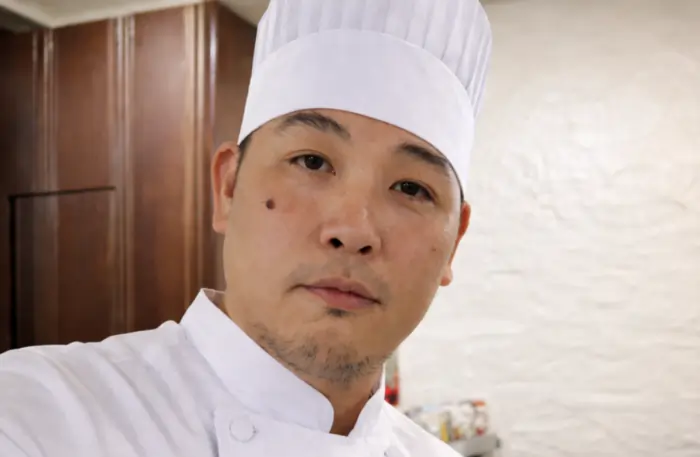
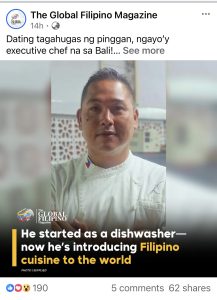
Chef Juan Gadi brings the heart of Filipino hospitality to Ubud, Bali. As an Executive Chef and consultant, he specializes in creating intimate, curated dining experiences that tell a story through every dish. Whether leading the kitchen at Kilig Filipino Warung or hosting a private villa dinner, Chef Juan’s approach is defined by warmth, modern technique, and a commitment to culinary excellence.