Indigenous Ingredients That Define Filipino Culinary Heritage Key Takeaways
Filipino cuisine , rooted in centuries of indigenous Filipino ingredients , offers a remarkable depth of flavor that reflects the country and #8217;s diverse ecosystems and cultural history.
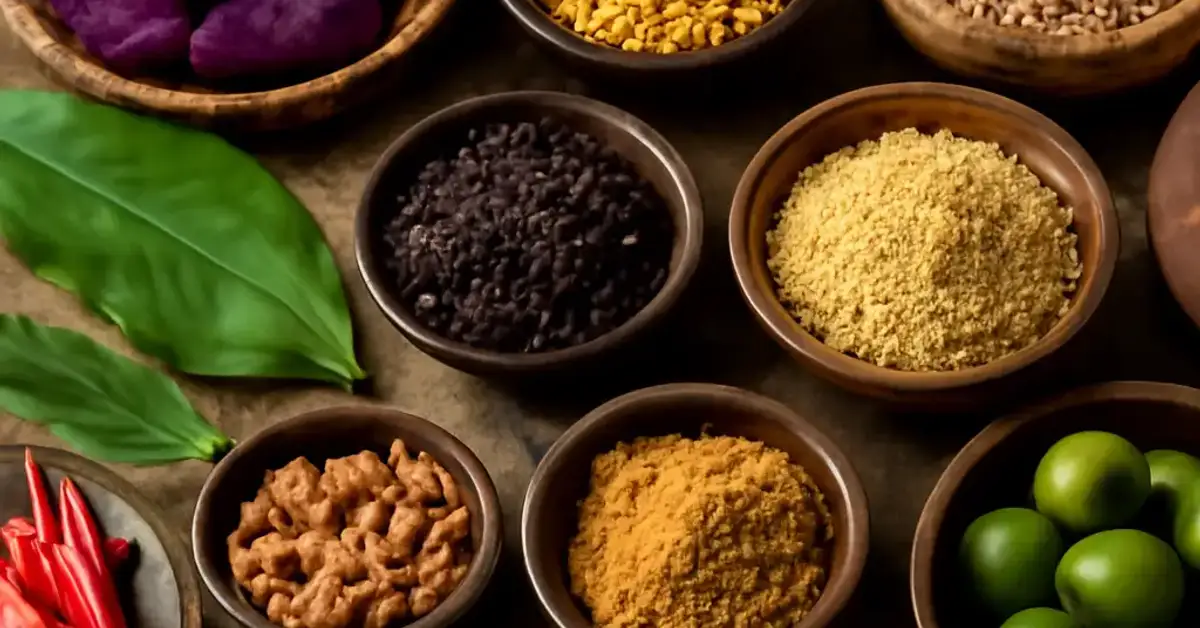
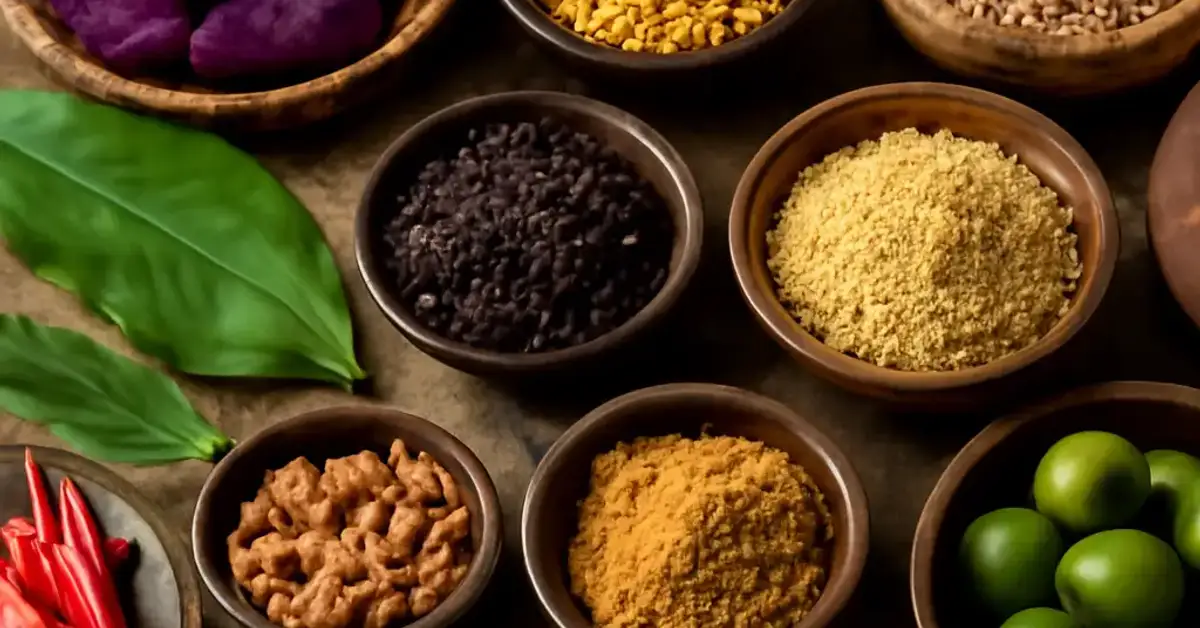
- The indigenous ingredients that define Filipino culinary heritage include ube, calamansi, coconut, pandan, banana leaves, malunggay, gabi, kamote, annatto, pili nuts, native vinegar, and heirloom rice.
- Each ingredient carries deep cultural significance, with regional specialties that highlight the Philippines and #8217; rich agricultural and marine biodiversity.
- Modern chefs and home cooks alike are rediscovering these heritage ingredients , integrating them into contemporary recipes that honor tradition while appealing to global palates.
What Are the Indigenous Ingredients That Define Filipino Culinary Heritage?
Filipino culinary heritage is a vibrant mosaic of flavors, textures, and aromas shaped by the archipelago’s geography and history. The indigenous ingredients that define Filipino culinary heritage are not merely pantry staples; they are living links to pre-colonial traditions, regional identities, and sustainable food systems. From the highlands of the Cordilleras to the coral-rich waters of Palawan, these native foods tell stories of adaptation, community, and resilience. For a related guide, see 10 Regional Filipino Food Traditions That Inspire Bali Menus.
For travelers, chefs, and food lovers, understanding these ingredients is the key to experiencing authentic Filipino cuisine. Whether you’re exploring street food stalls in Manila or dining at a farm-to-table restaurant in Negros, the same foundational traditional Filipino ingredients appear in countless variations. They are the soul of Philippine food culture and the reason food tourism Philippines continues to grow as a global attraction. For a related guide, see 12 Ways Filipino Food Shares the Story of the Philippines.
The 12 Indigenous Ingredients That Define Filipino Culinary Heritage
Below is a journey through the twelve essential native Filipino food items that every culinary explorer should know. Each ingredient is examined for its cultural roots, regional prominence, and modern applications.
1. Ube
Ube, or purple yam, is perhaps the most visually striking of all heritage ingredients. Its vibrant purple hue and naturally sweet, nutty flavor make it a favorite in desserts such as halo-halo, ube halaya (jam), and ube ice cream. Indigenous to the Philippines, ube has been cultivated for centuries, often grown in backyard gardens across Luzon and the Visayas. Today, it has crossed over into global pastry trends, appearing in donuts, cakes, and even lattes. The rise of ube as a superfood ingredient highlights how local Philippine ingredients can captivate international audiences while preserving their traditional roots.
2. Calamansi
No Filipino cooking is complete without calamansi, a tiny citrus fruit that packs a punch of sourness and aroma. Used as a marinade base, dipping sauce, or beverage flavoring, calamansi is the go-to acid for balancing rich, savory dishes. It grows abundantly in backyards throughout the archipelago, making it a readily available local Philippine ingredient. In modern kitchens, calamansi is being incorporated into vinaigrettes, ceviche-style seafood, and craft cocktails, proving its versatility beyond Filipino culinary traditions.
3. Coconut
Coconut is the backbone of Philippine gastronomy. Every part of the coconut is utilized: the meat yields coconut milk (gata) for rich stews like laing and ginataan, the water is a refreshing drink, and the oil is used for cooking and skincare. Regions such as Quezon and Bicol are famous for their coconut-based cuisines, where regional specialties like Bicol Express rely heavily on gata. In the context of sustainable cooking traditions, coconut farming supports smallholder farmers and provides a renewable resource that is central to rural livelihoods.
4. Pandan
Pandan leaves lend a distinctive floral, vanilla-like fragrance to both sweet and savory dishes. Often tied into knots and boiled with rice or desserts, pandan is also used as a natural food coloring. It grows easily throughout the islands, making it one of the most accessible native Filipino food flavorings. Modern pastry chefs are increasingly using pandan extract in cakes, panna cottas, and even cocktails, showcasing how heritage ingredients can inspire contemporary creations.
5. Banana Leaves
Banana leaves are not an ingredient you eat, but they are indispensable in Filipino cooking. They serve as natural wrappers for steaming or grilling foods like suman (rice cakes) and bibingka (rice cake cooked in clay pots). The leaves impart a subtle grassy aroma and help keep food moist. In many provinces, traditional farming practices include planting banana trees alongside other crops, providing both food and biodegradable packaging. Using banana leaves reduces reliance on plastic and aluminum foil, aligning with sustainable cooking traditions.
6. Malunggay
Malunggay, or moringa, is a nutrient-dense leafy green that grows abundantly across the Philippines. Its leaves are added to soups like tinola, stir-fries, and even powdered for teas. Known as a “miracle tree,” malunggay is rich in vitamins and minerals, making it a staple in traditional Filipino ingredients for health-conscious families. In recent years, malunggay has gained international fame as a superfood, yet in the Philippines it remains an everyday local Philippine ingredient sold in wet markets.
7. Gabi
Gabi, or taro, is a starchy root vegetable that appears in both savory dishes and desserts. Its leaves are also edible and feature in dishes like laing (cooked in coconut milk). Gabi grows well in flooded fields similar to rice paddies, making it a versatile crop in traditional farming systems. In Bicol, the combination of gabi leaves, coconut milk, and chili creates a dish that exemplifies regional cuisine. Modern uses include gabi chips, mash, and even flour for gluten-free baking.
8. Kamote
Kamote, or sweet potato, is a hardy root crop that thrives in marginal soils. It is boiled, fried, or roasted and often paired with coconut or sugar for snacks. During lean seasons, kamote served as a vital food source, embodying the resourcefulness of traditional Filipino ingredients. Today, kamote is being repurposed in artisanal breads, noodles, and even craft beers, demonstrating the adaptability of heritage ingredients.
9. Annatto
Annatto seeds, derived from the achiote tree, produce a vibrant orange-red color used in many Filipino dishes. It is commonly added to stews like kare-kare and to marinades for grilled meats. Annatto also has a subtle, earthy flavor that deepens the taste of authentic Filipino cuisine. The seeds are a traditional coloring agent in many regional specialties and are increasingly sought after by natural food enthusiasts looking to avoid artificial dyes.
10. Pili Nuts
Pili nuts are a premium native Filipino food grown primarily in the Bicol region. They have a buttery texture and rich flavor, often enjoyed roasted or as an ingredient in desserts and confections. Pili nuts are also pressed for oil, which is used in cooking and cosmetics. The cultivation of pili nuts supports local economies and preserves biodiversity, making them a standout heritage ingredient. Their rising popularity in global markets underscores the value of indigenous Filipino ingredients in high-end gastronomy.
11. Native Vinegar
Native vinegar in the Philippines comes from various sources: coconut sap (sukang niyog), nipa palm (sukang sasa), and sugarcane (sukang iloko). Each type has a distinct acidity and aroma that defines Filipino flavors. Vinegar is used in dipping sauces, pickling (atcharra), and braising (adobo). The art of making native vinegar is a time-honored Filipino culinary tradition passed down through generations. Its role in preservation reflects the ingenuity of traditional Filipino ingredients.
12. Heirloom Rice
Heirloom rice varieties, such as Ifugao’s red rice and the black rice of the Cordilleras, are an essential part of Philippine food culture. These grains are cultivated using traditional farming methods on terraced rice paddies that are UNESCO World Heritage sites. Each strain offers a distinct flavor, color, and nutritional profile. Efforts by local organizations like the Heirloom Rice Project have helped revive these ancient grains, making them available to chefs and consumers who value heritage ingredients. The sustainable cultivation of heirloom rice also supports indigenous communities and ecotourism.
How Indigenous Ingredients Support Sustainable Cooking Traditions
The indigenous ingredients that define Filipino culinary heritage are not just about taste; they embody principles of sustainability. Many of these plants are drought-resistant, require minimal inputs, and grow in a variety of ecosystems. For example, malunggay and kamote thrive in poor soil, while coconut and banana trees provide multiple products from a single plant. By prioritizing local Philippine ingredients, chefs and home cooks reduce their carbon footprint and support small farmers. This approach aligns with global movements toward farm-to-table dining and regenerative agriculture.
In addition, the use of traditional Filipino ingredients like native vinegar and banana leaves minimizes waste. Vinegar extends the shelf life of vegetables and meats, while banana leaves replace plastic wrap. These practices are being revived in zero-waste restaurants in Manila and Cebu, proving that ancient wisdom can solve modern environmental challenges.
Where Travelers Can Experience Authentic Filipino Ingredients
For those interested in food tourism Philippines, the best way to encounter indigenous Filipino ingredients is to travel to the regions where they are grown. In Bicol, visitors can taste pili nuts and laing made from gabi leaves. In the Cordilleras, heirloom rice is served alongside mountain vegetables and local smoked meats. In Palawan and Mindanao, fresh local seafood is cooked with coconut and turmeric. Many farm-to-table tours and cooking classes now highlight these heritage ingredients, offering immersive experiences that go beyond the usual tourist trail.
Useful Resources
For readers who want to dive deeper into Filipino culinary traditions and the indigenous ingredients that define Filipino culinary heritage, the following resources provide authoritative information.
- Pepper.ph — A comprehensive guide to Filipino recipes and ingredient profiles, run by food writers based in Manila.
- Nolisoli.ph — A lifestyle and travel publication covering Philippine food culture, local produce, and culinary heritage.
In conclusion, the indigenous ingredients that define Filipino culinary heritage are more than just items on a grocery list—they are the soul of a nation’s food story. For travelers, chefs, and home cooks, exploring these ingredients offers a direct connection to the land, the sea, and the people of the Philippines. As food tourism Philippines continues to flourish, these heritage ingredients will remain at the heart of every authentic meal, inviting the world to taste the richness of Philippine gastronomy.
Frequently Asked Questions About Indigenous Ingredients That Define Filipino Culinary Heritage
What are the 12 indigenous ingredients that define Filipino culinary heritage ?
The 12 key ingredients are ube, calamansi, coconut, pandan, banana leaves, malunggay, gabi, kamote, annatto, pili nuts, native vinegar, and heirloom rice. They collectively represent the indigenous ingredients that define Filipino culinary heritage.
Which native ingredients are essential in Filipino cooking ?
Essential native ingredients include calamansi for acidity, coconut for richness, malunggay for nutrition, and native vinegar for preservation and flavor. These are core to Filipino culinary heritage.
How do indigenous ingredients shape traditional Filipino cuisine ?
They define the flavor profiles of iconic dishes such as adobo (vinegar-based), sinigang (sour using calamansi), and laing (coconut milk with gabi leaves). Each ingredient contributes to the unique Filipino flavors.
What regional foods highlight the Philippines’ native produce?
Bicol Express highlights coconut and chili; Inihaw na Talong uses grilled eggplant; and Pinakbet features mountain vegetables. These dishes showcase regional cuisine and native Filipino food.
Why are local ingredients important to Filipino food culture?
They support small farmers, preserve biodiversity, and maintain culinary traditions that have been passed down for generations. Using traditional Filipino ingredients is a way to honor Philippine food culture.
How are indigenous ingredients used in modern Filipino recipes?
Chefs incorporate ube into desserts, pandan into cocktails, and heirloom rice into fusion bowls. The indigenous ingredients that define Filipino culinary heritage are being reimagined in upscale restaurants globally.
Where can travelers experience authentic Filipino ingredients?
Farm-to-table tours in Bicol, cooking classes in Bacolod, and market visits in Baguio offer direct encounters with local Philippine ingredients and authentic Filipino cuisine.
What makes Philippine culinary heritage unique?
Its blend of indigenous, Malay, Chinese, Spanish, and American influences, combined with a geography of over 7,000 islands, creates a diverse food culture that relies on heritage ingredients.
How do native ingredients support sustainable cooking traditions?
Many native crops require fewer resources and are grown organically. Practices like using banana leaves instead of plastic align with sustainable cooking traditions.
Why are indigenous Filipino ingredients gaining global recognition?
Global chefs are seeking unique, flavorful, and ethically sourced ingredients. Ube, calamansi, and pili nuts have become trendy in health-food and gourmet circles, increasing interest in Philippine gastronomy.
What is ube and how is it used?
Ube is purple yam used in desserts like ice cream and jam. It is a key native Filipino food with a naturally sweet, nutty flavor.
How does calamansi differ from lemon?
Calamansi is smaller, more aromatic, and less acidic than lemon. It is essential in Filipino cooking for marinades and dipping sauces.
Is coconut the most versatile ingredient in Filipino cuisine ?
Yes, coconut provides milk, oil, water, and meat, and is used in everything from stews to desserts. It is central to traditional Filipino ingredients.
What dishes use pandan leaves?
Pandan is used in rice cooking (pandan rice), desserts (buko pandan), and as a flavoring for cakes and drinks. It is a beloved heritage ingredient.
Are banana leaves only for wrapping food?
They are also used as plates and for steaming. Banana leaves add fragrance and moisture to dishes, making them invaluable in Filipino culinary traditions.
Can malunggay be eaten raw?
Yes, young malunggay leaves can be added fresh to salads or juices. Most often they are cooked in soups to retain nutrients. It is a superfood local Philippine ingredient.
What is the best way to cook gabi?
Gabi roots are boiled, roasted, or added to stews. The leaves must be cooked thoroughly to remove irritants. Laing is a classic dish that uses gabi leaves and coconut milk.
How is kamote different from regular potato?
Kamote is sweeter, more colorful, and richer in fiber. It is a staple native Filipino food often used in desserts like kamote cue.
What does annatto taste like?
Annatto has a mild, earthy, slightly peppery flavor. It is primarily used for color in regional specialties like kare-kare.
Where can I buy heirloom rice?
Heirloom rice is available in specialty stores in the Philippines and through online retailers like the Heirloom Rice Project. It is a prized heritage ingredient for authentic Filipino cuisine.
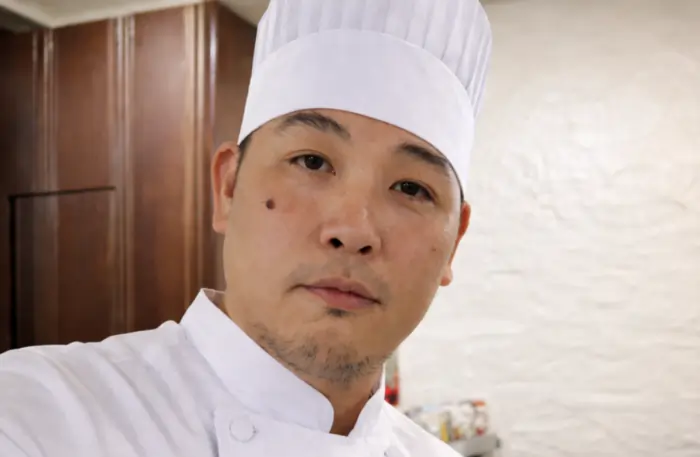
Chef Juan Gadi brings the heart of Filipino hospitality to Ubud, Bali. As an Executive Chef and consultant, he specializes in creating intimate, curated dining experiences that tell a story through every dish. Whether leading the kitchen at Kilig Filipino Warung or hosting a private villa dinner, Chef Juan’s approach is defined by warmth, modern technique, and a commitment to culinary excellence.