Filipino Food Traditions That Every Traveler Should Experience Key Takeaways
Filipino food traditions that every traveler should experience reveal a cuisine built on Filipino heritage , communal joy, and bold flavors.
- Filipino food traditions that every traveler should experience include kamayan feasts, boodle fights, and street food tours at local markets.
- Filipino cuisine blends indigenous, Malay, Spanish, and Chinese influences using local ingredients like banana leaves , coconut milk , and regional specialties .
- Travelers can find authentic Filipino food through fiesta celebrations , family gatherings , and visits to local markets across the Philippine islands.
Why Filipino Food Traditions That Every Traveler Should Experience Are Unforgettable
Philippine travel offers more than stunning beaches and warm smiles—it invites you to share a meal the Filipino way. Filipino food traditions that every traveler should experience go beyond taste; they connect you to Filipino heritage and the spirit of Filipino hospitality. Whether you are a first-time visitor or a returning food lover, understanding Philippine food culture transforms your journey into a cultural dining adventure.
The Heart of Filipino Dining: Sharing and Hospitality
Filipino dining revolves around sharing. Meals are rarely solitary; they are family gatherings where dishes are placed in the center of the table for everyone to enjoy. This practice reflects Filipino hospitality, where guests are treated like family. Traditional cooking methods, such as using banana leaves as plates and coconut milk as a base for stews, add layers of flavor and meaning.
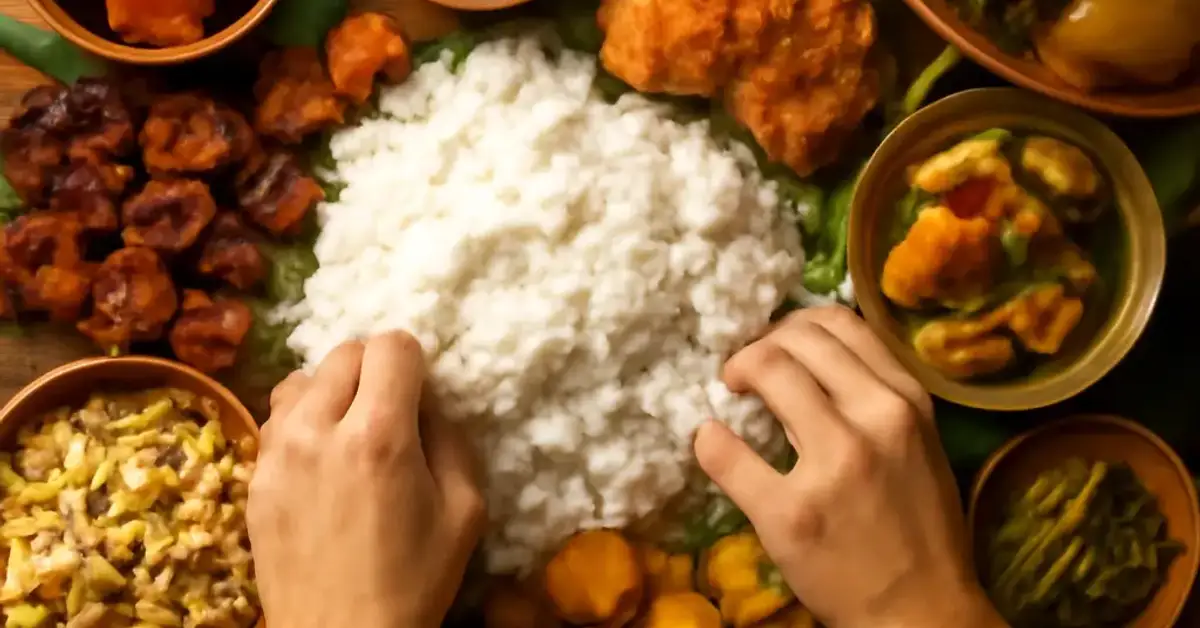
Rice culture is central to every meal. Rice accompanies nearly every dish, from savory stews to grilled seafood. The act of sharing food, often with hands instead of utensils, creates an intimate bond among diners. This communal spirit is what makes Filipino food traditions that every traveler should experience so memorable.
1. The Kamayan Feast: Eating with Your Hands
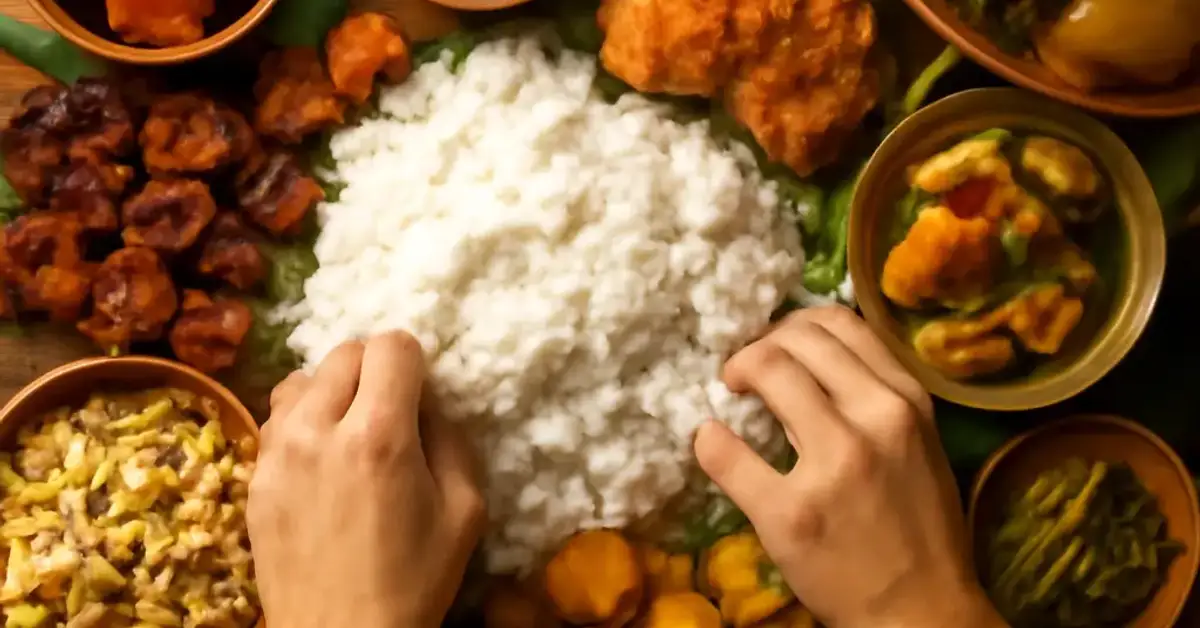
No introduction to Filipino food traditions that every traveler should experience is complete without a kamayan feast. The word kamayan literally means “by hand.” This cultural dining practice involves spreading local Filipino dishes on a table lined with banana leaves. Diners gather around and eat directly with their hands, forming bite-sized balls of rice mixed with meat, vegetables, and sauces. The tactile experience enhances the flavors and turns a meal into a celebration. Kamayan feast is common at celebrations and family reunions, and many restaurants in Manila, Cebu, and Davao now offer kamayan setups for tourists.
2. The Boodle Fight: A Military Tradition Turned Feast
Derived from the military practice of eating together from a shared table, the boodle fight is a lively food sharing tradition. Soldiers originally ate this way to build camaraderie. Today, restaurants across the Philippines serve boodle fights featuring heaps of rice, grilled meat, seafood, and vegetables all laid out on banana leaves. Travelers love the interactive, hands-on nature of a boodle fight. It is a chance to enjoy authentic Filipino food while making new friends. The boodle fight is one of the most popular culinary travel experiences in the country.
3. Lechon: The Centerpiece of Filipino Celebrations
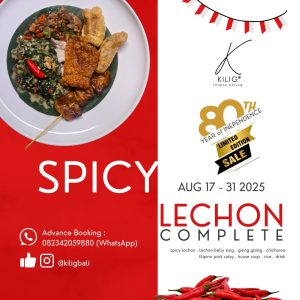
Lechon is the undisputed star of fiesta celebrations. A whole pig roasted over charcoal until the skin is crackling and the meat is tender, lechon is served at birthdays, weddings, and town fiestas. Each region has its own variation: Cebu’s lechon is famous for its flavorful stuffing, while Luzon versions use a different blend of spices. Eating lechon with a dipping sauce made of liver, vinegar, and garlic is a quintessential authentic Filipino food experience. No fiesta celebrations are complete without it.
4. Adobo: The National Dish in Endless Variations
Adobo is perhaps the most recognized traditional Filipino food. It is a method of braising meat—usually chicken or pork—in vinegar, soy sauce, garlic, and peppercorns. Every Filipino family has its own adobo recipe, passed down through generations. Some add coconut milk for a richer sauce, while others use turmeric for color. Adobo exemplifies heritage recipes that adapt to local ingredients. Travelers can taste adobo at carinderias (small eateries), markets, and fine-dining restaurants alike.
5. Sinigang: A Sour and Comforting Soup
Sinigang is a tangy soup made sour with tamarind, guava, or kamias. It typically includes pork, shrimp, or fish, along with vegetables like eggplant, okra, and water spinach. Sinigang represents the Filipino love for sour flavors and is a staple comfort food. Each region puts its own twist; for example, sinigang in the Visayas may use calamansi or even green mangoes. A bowl of piping hot sinigang on a rainy day is a Filipino culinary traditions highlight that visitors quickly learn to crave.
6. Pancit: Noodles for Long Life and Celebration
Pancit refers to a wide variety of noodle dishes that are essential to Filipino dining and celebrations. The most common versions are pancit bihon (thin rice noodles), pancit canton (egg noodles), and pancit palabok (noodles in a thick shrimp sauce). Noodles symbolize long life, so pancit always appears at birthdays and family gatherings. Regional specialties like pancit Malabon or pancit Luglug showcase different toppings and broths. For travelers, a plate of pancit from a local markets stall is a quick and delicious introduction to Filipino cuisine.
7. Lumpia: Crispy Spring Rolls That Vary by Region
Lumpia are Filipino spring rolls, available in fresh (lumpia sariwa) or fried (lumpia Shanghai) versions. They are filled with minced pork, shrimp, vegetables, and sometimes sweet potato. Lumpia is a popular street food and party snack, often dipped in sweet chili sauce. Traditional cooking of lumpia uses thin wrappers made from rice flour. During Philippine travel, you will find lumpia variations in every province, highlighting regional specialties and local ingredients.
8. Halo-Halo: The Ultimate Filipino Dessert
Halo halo means “mix mix” in Tagalog, and that is exactly what this dessert is. A tall glass is filled with crushed ice, sweetened fruits, jellies, beans, leche flan, purple yam (ube) jam, and topped with evaporated milk and ice cream. Halo halo is the most famous among Filipino desserts and a must-try for any culinary travel enthusiast. It is sold everywhere, from local markets to high-end restaurants. Each spoonful offers a different combination of textures and flavors.
9. Bibingka and Puto Bumbong: Christmas Treats You Can Enjoy All Year
Bibingka and puto bumbong are rice cakes traditionally eaten during the Christmas season, but many specialty shops now serve them year-round. Bibingka is a soft, slightly charred rice cake topped with salted egg, cheese, and grated coconut. Puto bumbong is a purple rice cake steamed in bamboo tubes, served with butter and shredded coconut. Both are baked using banana leaves and traditional cooking methods that infuse them with a distinctive aroma. Trying these Filipino desserts is a delicious way to connect with Filipino heritage.
10. Regional Specialties: A Culinary Journey Across the Islands
The Philippines is an archipelago with regional specialties that reflect local ingredients and cultural influences. In the Ilocos region, you will find bagnet (crispy fried pork belly) and pinakbet (vegetable stew). In Bicol, dishes are cooked with lots of coconut milk and chili (Bicol Express). Cebu is famous for its lechon and dried mangoes. Mindanao offers rich seafood dishes and dishes influenced by Arab and Malay traders. Exploring these regional specialties is the core of food tourism Philippines. Travelers who venture beyond Manila discover the depth of local Filipino dishes and traditional cooking techniques. For a related guide, see Why Filipino Culinary Heritage Resonates: 7 Authentic Flavors That Captivate Visitors.
How Filipino Festivals Celebrate Local Cuisine
Filipino festivals are vibrant showcases of Philippine food culture. Events like the Pahiyas Festival in Lucban, the Ati-Atihan in Kalibo, and the Panagbenga in Baguio feature food stalls serving local Filipino dishes. During the Pahiyas, houses are decorated with agricultural products, and visitors feast on heritage recipes. The Lechon Festival in Balayan honors the beloved roasted pig with a grand parade. Attending a local fiesta is one of the most immersive ways to experience Filipino food traditions that every traveler should experience.
Where to Experience Authentic Filipino Food Traditions
Authentic Filipino food is found not only in restaurants but also in homes, markets, and street corners. Local markets like BGC’s Salcedo Saturday Market, Iloilo’s Supermarket, and Davao’s Roxas Night Market offer a wide range of street food and local Filipino dishes. For a deeper dive, join a food tour that visits family gatherings or home kitchens. Many travel agencies now offer culinary travel packages that include cooking classes and market tours. Travelers can also eat at carinderias, where a tray of dishes is laid out and you choose what to eat. These places serve authentic Filipino food daily and are a favorite among locals.
Useful Resources
For more about Philippine food culture and travel tips, check out these resources:
- Philippine Department of Tourism – Official guide to travel and food experiences in the Philippines.
- TasteAtlas: Filipino Cuisine – A curated list of traditional Filipino dishes and where to try them.
Conclusion: Embrace Filipino Food Traditions That Every Traveler Should Experience
Filipino food traditions that every traveler should experience offer a delicious doorway into the soul of the Philippines. From the hands-on joy of a kamayan feast to the comforting bowl of sinigang, each dish tells a story of Filipino heritage, community, and resilience. Whether you are exploring local markets, joining a fiesta celebration, or enjoying street food, the flavors of the Philippines will leave a lasting impression. Pack your appetite and an open mind—the journey through Philippine food culture is one you will cherish forever. For a related guide, see 12 Ways Filipino Food Shares the Story of the Philippines.
Frequently Asked Questions About Filipino Food Traditions That Every Traveler Should Experience
What are the 10 Filipino food traditions every traveler should experience?
The ten traditions include the kamayan feast, boodle fight, lechon, adobo, sinigang, pancit, lumpia, halo halo, bibingka and puto bumbong, and exploring regional specialties across the Philippines.
What makes Filipino food culture unique ?
Filipino food culture is unique because it blends indigenous, Malay, Spanish, Chinese, and American influences with a strong emphasis on sharing, hand-eating, and hospitality.
Why is food an important part of Filipino traditions ?
Food is central to Filipino traditions because it is used to celebrate milestones, honor guests, and strengthen family and community bonds.
What traditional Filipino dishes should first time visitors try ?
First-time visitors should try adobo, sinigang, lechon, pancit, lumpia, halo-halo, and bibingka. These dishes represent the diverse flavors of the country.
What is a kamayan feast and boodle fight ?
A kamayan feast is a communal meal where food is eaten by hand on banana leaves. A boodle fight is a similar military-style feast with rice and viands laid out in rows.
How do Filipino festivals celebrate local cuisine?
Filipino festivals feature food stalls, cooking contests, and grand displays of local dishes like lechon and bibingka, allowing travelers to taste regional specialties.
Where can travelers experience authentic Filipino food traditions ?
Travelers can experience authentic traditions at local markets, carinderias, fiestas, and by joining food tours that include home-cooked meals.
What regional specialties are worth exploring across the Philippines ?
Regional specialties include bagnet from Ilocos, Bicol Express from Bicol, lechon from Cebu, and seafood dishes from Mindanao.
How does Filipino hospitality shape the dining experience?
Filipino hospitality makes dining warm and generous. Guests are served first, portions are abundant, and the host ensures everyone is comfortable and well-fed.
Why do food traditions create unforgettable travel memories ?
Food traditions create memories because they engage all senses and connect travelers to local culture, stories, and the warmth of Filipino hospitality.
Is it safe to eat street food in the Philippines?
Yes, it is generally safe if you choose busy stalls with high turnover. Stick to freshly cooked items like isaw and fish balls, and avoid raw dishes.
What is the best time to visit for food festivals?
January (Ati-Atihan), May (Pahiyas), and June (Lechon Festival) are ideal months. Christmas season also offers bibingka and puto bumbong.
Do Filipinos eat with their hands all the time?
No, hand eating is reserved for kamayan feasts and informal gatherings. Most meals use utensils like fork and spoon.
Can I find vegetarian Filipino dishes?
Yes, dishes like pinakbet, laing, and ginataang gulay are vegetarian-friendly. Many carinderias offer vegetable options cooked in coconut milk.
What drinks are commonly paired with Filipino meals?
Popular drinks include calamansi juice, sago’t gulaman, buko juice, and local beers like San Miguel. For dessert, you can try hot tsokolate.
Are there Michelin-starred Filipino restaurants?
As of now, no Filipino restaurant has a Michelin star, but several have been recognized in the Asia’s 50 Best Restaurants list, like Toyo Eatery in Manila.
How can I learn to cook Filipino food?
Join a cooking class in Manila, Cebu, or Bicol. Many local chefs offer hands-on lessons that include market tours.
What is the most popular Filipino dessert?
Halo-halo is the most popular, followed by leche flan, ube halaya, and bibingka.
Why is rice so important in Filipino meals?
Rice is the staple grain and neutral base that balances the strong flavors of viands, soups, and sauces. It is eaten at almost every meal.
Is Filipino food spicy?
Generally, Filipino food is not very spicy. However, dishes from Bicol use a lot of chili, and many meals are served with spicy vinegar on the side.
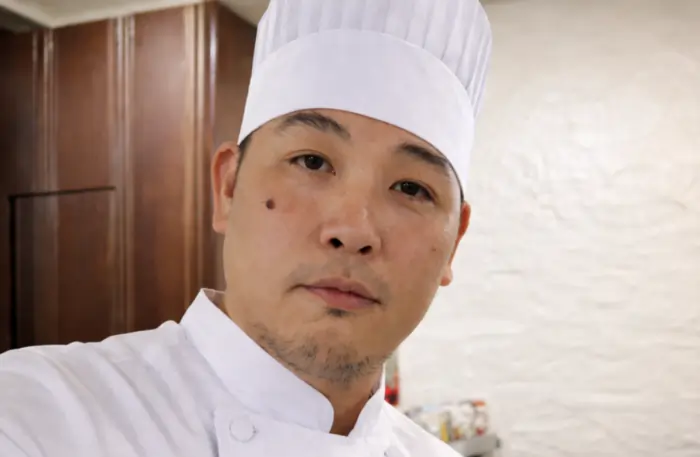
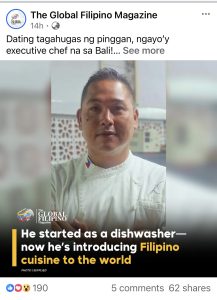
Chef Juan Gadi brings the heart of Filipino hospitality to Ubud, Bali. As an Executive Chef and consultant, he specializes in creating intimate, curated dining experiences that tell a story through every dish. Whether leading the kitchen at Kilig Filipino Warung or hosting a private villa dinner, Chef Juan’s approach is defined by warmth, modern technique, and a commitment to culinary excellence.