Filipino Cuisine Connects Travelers to the Philippines Key Takeaways
Filipino cuisine is more than just food — it is a living bridge that transports travelers straight to the heart of the Philippines, even while they are surrounded by Bali’s rice terraces and temples.
- Filipino Cuisine Connects Travelers to the Philippines by recreating the familiar aromas and tastes of home through family recipes and heritage cooking techniques.
- Bali’s Filipino restaurants and private dining venues serve as cultural hubs where overseas Filipinos and international visitors share shared meals that celebrate culinary heritage .
- From comfort food like adobo to festive regional specialties , Filipino dining experiences in Bali create meaningful cultural exchange and unforgettable memorable dining experiences .
How Filipino Cuisine Connects Travelers to the Philippines: A Balinese Homecoming
The first bite of crispy pata at a warung in Ubud does not just satisfy hunger — it closes a thousand miles. The sound of sizzling pork skin, the vinegary tang of the dipping sauce, the steam rising from a bowl of steaming rice — every sensory detail whispers “uwi na tayo” (let’s go home). For Chef Juan Gadi, this is the very purpose of his kitchen: to make Filipino cuisine a passport that lets travelers step into the Philippines without ever leaving Bali.
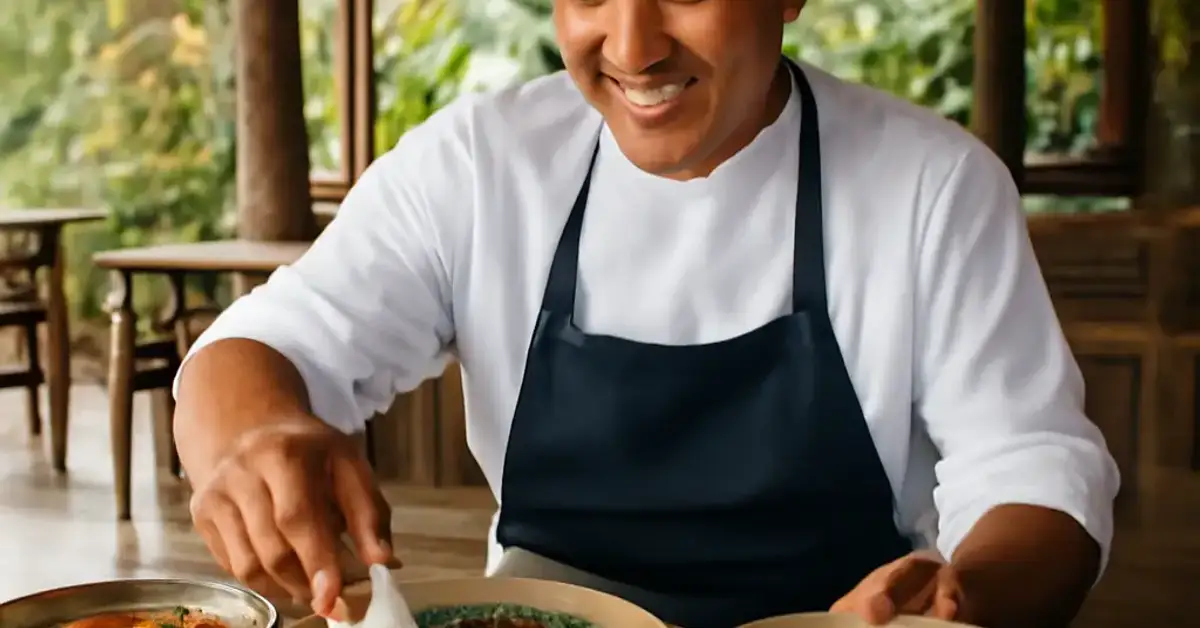
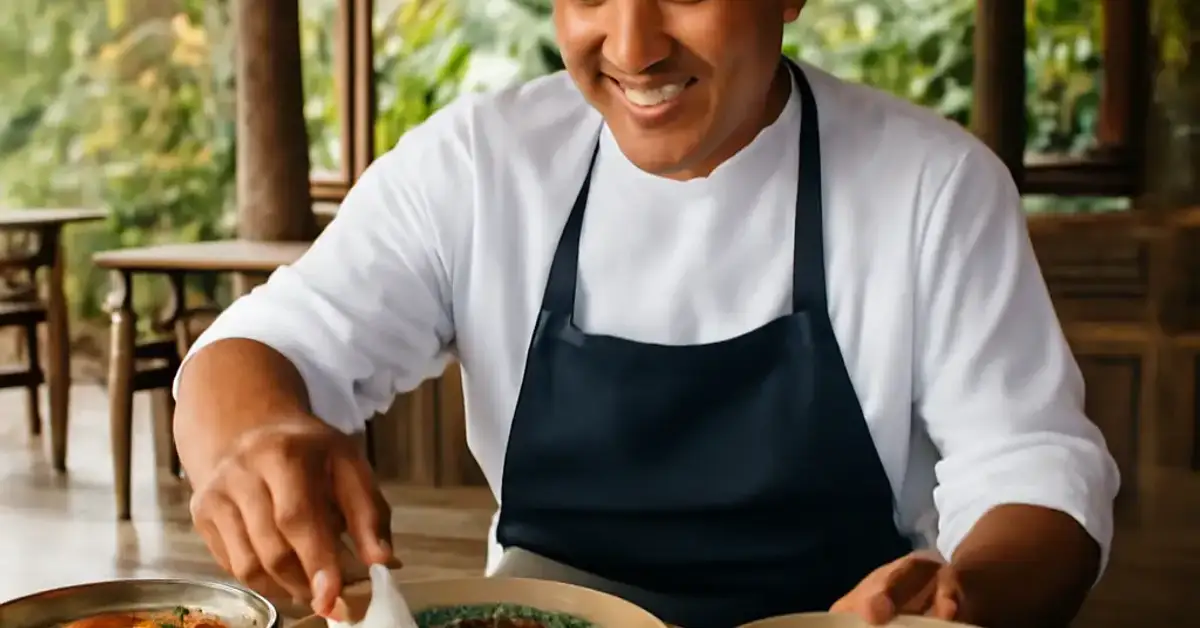
Chef Juan, an Executive Chef and consultant based in Ubud, brings the soul of Filipino hospitality to the island. Whether he is leading the kitchen at Kilig Filipino Warung or hosting a private villa dinner, his approach is defined by warmth, modern technique, and a commitment to culinary excellence. He believes that Filipino food culture is inherently shareable — and that is why it resonates so deeply with both homesick travelers and curious international visitors.
The Power of Familiar Flavors: Why Overseas Filipinos Crave Authentic Filipino Cuisine Abroad
Bali draws millions of visitors every year, but for the Filipino traveler, the island can feel both exotic and strangely familiar. The tropical humidity, the warm smiles of locals, the scent of garlic and vinegar sizzling in a pan — these echoes of home create a powerful pull. Yet nothing replaces the soul-nourishing experience of authentic Filipino cuisine abroad.
Overseas Filipinos often travel with a deep-seated longing for the tastes of childhood: the slightly burnt garlic of sinangag, the salty-sour kick of sinigang, the sweet richness of leche flan. When they find a plate of traditional recipes carefully recreated in a Balinese kitchen, it is not just dinner — it is a homecoming. Chef Juan explains that many guests tear up when they taste his kare-kare because the peanut sauce tastes exactly like their grandmother’s.
Why Do Filipino Travelers Seek Authentic Filipino Food While Visiting Bali?
The answer lies in the emotional geography of taste. Filipino comfort food is not just fuel — it is memory. For a traveler who has spent days navigating unfamiliar cuisines, a bowl of sinigang or a plate of adobo offers a familiar anchor. It reconnects them with cultural identity in a foreign land. Bali, with its vibrant food scene and openness to international flavors, has become a surprising hub for overseas Filipino cuisine. The demand is so strong that several Filipino restaurants in Bali now cater specifically to this craving.
Kilig Filipino Warung and Beyond: How Filipino Restaurants in Bali Recreate the Flavors of Home
Step into Kilig Filipino Warung in Ubud, and you will immediately notice the details: the capiz shell decorations, the woven banig placemats, the old Filipino movie posters on the wall. Chef Juan designed the space to feel like a relative’s house — a place where shared meals are the center of every gathering.
Filipino dining experiences in Bali are not limited to restaurants. Private villa dinners, pop-ups at local markets, and even cooking classes are becoming popular. Chef Juan often hosts cultural dining in Bali events where he prepares a multi-course menu that tells a story — from the Spanish influence in mechado to the Chinese roots of lumpia. Each dish is a chapter of Filipino culinary heritage. For a related guide, see How Family Recipes Shape Filipino Dining Experiences in Bali.
How Do Filipino Restaurants Recreate the Flavors of Home in Bali?
The challenge is sourcing ingredients. Not every Balinese market carries bagoong or calamansi. Chef Juan works with local farmers to find substitutes — kaffir lime for calamansi, for instance — while importing key items like banana ketchup and dried fish directly from the Philippines. This balance between heritage cooking and local adaptation is what keeps the food authentic yet sustainable. He says that the secret is not to replicate, but to evoke: the feeling of home must be preserved even if the exact ingredient is different.
Traditional Recipes as Cultural Archives: Preserving Filipino Culinary Heritage Abroad
Traditional recipes are more than instructions — they are living documents that carry the stories of families, regions, and generations. When a chef like Juan Gadi prepares his grandmother’s chicken relleno for a Balinese dinner party, he is performing an act of cultural preservation. He passes on food traditions to a new audience, ensuring that Filipino gastronomy continues to thrive far beyond the archipelago.
Regional specialties such as Bicol Express, La Paz batchoy, and Cebu lechon appear on his menus throughout the year. Each dish sparks conversations about the region it comes from — the volcanic soils of Bicol, the port culture of Iloilo, the festive spirit of Cebu. This is how Filipino cuisine connects travelers to the Philippines: not just through taste, but through geography. For a related guide, see Why Filipino Culinary Heritage Resonates: 7 Authentic Flavors That Captivate Visitors.
What Makes Filipino Cuisine a Meaningful Cultural Experience for International Visitors?
International visitors often arrive with little knowledge of Filipino food culture. They might expect something similar to Thai or Vietnamese cuisine. Instead, they discover a unique Southeast Asian cuisine that is distinctly its own — sweeter, saltier, more vinegar-forward, and deeply rooted in family. Chef Juan notes that after trying Filipino food, many travelers tell him they now want to visit the Philippines. The food becomes a travel brochure for the palate.
Memorable dining experiences at Kilig or at a private villa often end with guests writing down recipes or asking for cooking tips. The cultural exchange flows both ways: Filipinos learn about Balinese ingredients, and international guests learn about Philippine traditions. This mutual discovery strengthens community connections between the two islands.
From Kamayan to Leche Flan: The Most Popular Filipino Dishes in Bali
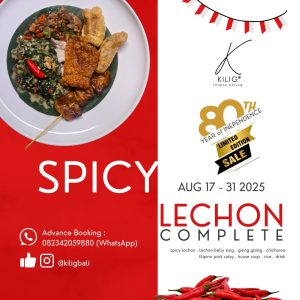
Some dishes are universally beloved. At Kilig Filipino Warung, the bestseller is kare-kare — oxtail and vegetables in a thick peanut sauce, served with bagoong on the side. Second is sisig, the sizzling chopped pork dish that has become a global icon. Chef Juan also offers a kamayan experience, where guests eat with their hands on a banana leaf. This tactile way of eating creates cultural dining in Bali at its most immersive.
Filipino comfort food fills the menu: tocino, longganisa, lumpia, and halo-halo for dessert. Each dish is prepared with the balance of sweetness, saltiness, and sourness that defines authentic flavors. Chef Juan emphasizes that home cooked meals are his standard: everything should taste like it came from a Filipino kitchen, not a fine dining laboratory.
Which Filipino Dishes Are Most Popular with Travelers in Bali?
The most requested dish among overseas Filipinos is adobo — no surprise, given its status as the national dish. But international guests often prefer dishes that challenge their expectations: crispy pata, dinuguan, and balut (for the adventurous). Chef Juan notes that family recipes often sell out first. When he makes his lola’s version of chicken afritada, word spreads fast among the Filipino community in Bali.
Culinary Tourism and the Spirit of the Philippines: How Filipino Cuisine Strengthens Connections
Filipino travel experiences are incomplete without food. But when travel is not possible, Filipino cuisine in Bali serves as a proxy. It allows travelers to experience the spirit of the Philippines — the warmth, the generosity, the joy of shared meals — while staying on the Island of the Gods. Chef Juan sees this as a form of food tourism that is both inward and outward: inward, because it serves the Filipino soul; outward, because it welcomes the world.
How does Filipino cuisine allow travelers to experience the spirit of the Philippines while staying in Bali? Through every dish that is cooked with love, every story shared at the table, and every moment of recognition when a flavor sparks a memory. Chef Juan’s kitchen does not just serve food — it serves connection.
Why Is Culinary Tourism Important for Experiencing Filipino Culture?
Culinary tourism allows people to engage with a culture on its most intimate level: taste. For international visitors, tasting traditional Filipino recipes is the quickest route to understanding the country’s history, geography, and values. The sourness of sinigang reflects the Filipino preference for sharp, fresh flavors. The Filipino hospitality of kamayan shows the importance of sharing and equality. Every meal is a lesson in cultural identity.
Useful Resources
For those who want to explore more about Filipino cuisine abroad and its cultural significance, visit Food and Wine’s guide to Filipino food culture for a deep dive into the country’s culinary history.
To learn more about the global Filipino dining scene, including restaurants in Bali, check out Travel + Leisure’s curated list of Filipino restaurants worldwide.
Frequently Asked Questions About Filipino Cuisine Connects Travelers to the Philippines
How does Filipino cuisine connect travelers to the Philippines without leaving Bali?
Through authentic flavors, traditional recipes, and the warm Filipino hospitality of chefs like Juan Gadi, Filipino food in Bali recreates the sensory and emotional experience of being in the Philippines.
Why do Filipino travelers seek authentic Filipino food while visiting Bali?
They crave the comfort food and family recipes that remind them of home, especially after days of unfamiliar cuisines. It reconnects them with their cultural identity.
How do Filipino restaurants recreate the flavors of home in Bali?
Chefs like Juan Gadi import key ingredients from the Philippines, substitute locally when possible, and rely on heritage cooking techniques passed down through generations.
What makes Filipino cuisine a meaningful cultural experience for international visitors?
It introduces them to a unique Southeast Asian cuisine that emphasizes shared meals, Filipino hospitality, and storytelling through every dish.
How do traditional Filipino recipes preserve cultural heritage abroad?
By passing down family recipes and food traditions, Filipino chefs in Bali keep culinary heritage alive and share it with a global audience.
Why does Filipino comfort food create a sense of home for overseas Filipinos?
Comfort food like adobo and sinigang carries emotional memories of home cooked meals and family gatherings, making it a powerful anchor in a foreign environment.
How do shared meals reflect Filipino hospitality and family values?
Filipino dining is communal — kamayan meals, shared dishes, and the tradition of “extra rice for everyone” embody Filipino hospitality and the importance of togetherness.
Which Filipino dishes are most popular with travelers in Bali?
Kare-kare, sisig, adobo, crispy pata, and halo-halo are consistently the most requested, with regional specialties like Bicol Express also gaining fans.
How does Filipino cuisine introduce visitors to Philippine culture?
Each dish tells a story — culinary heritage reflects the country’s colonial history, regional diversity, and the central role of food in celebrations.
What role do family recipes play in authentic Filipino dining experiences?
Family recipes are the heart of overseas Filipino cuisine — they carry personal history and authenticity that cannot be replicated by commercial cookbooks.
How do chefs maintain the authenticity of Filipino food while sourcing local ingredients?
Chefs balance importing essential items with adapting local produce, ensuring that the soul of traditional recipes remains intact.
Why is culinary tourism important for experiencing Filipino culture?
Food tourism offers the most direct access to a culture’s values, history, and daily life — and Filipino food is among the most expressive cuisines in Southeast Asia.
How does Filipino food strengthen cultural connections between the Philippines and Bali?
Shared meals and cultural exchange at Filipino restaurants create bonds between Filipinos, Balinese, and international visitors, fostering mutual appreciation.
What makes Filipino dining a memorable part of a Bali vacation?
The combination of authentic flavors, warm Filipino hospitality, and unique experiences like kamayan leaves a lasting impression on travelers.
How does Filipino cuisine allow travelers to experience the spirit of the Philippines while staying in Bali?
By delivering home cooked meals that evoke memories, spark conversations, and celebrate Filipino gastronomy, it makes the Philippines feel just a bite away.
Is Filipino food in Bali spicy?
Most traditional Filipino recipes are milder than Thai or Indonesian food, though dishes like Bicol Express bring the heat. Chefs often adjust spice levels upon request.
How can I find authentic Filipino restaurants in Bali ?
Look for restaurants that emphasize heritage cooking and family recipes, such as Kilig Filipino Warung in Ubud. Online food communities and Facebook groups for overseas Filipinos in Bali are also great resources.
Do Filipino restaurants in Bali offer vegetarian options?
Yes. Many Filipino restaurants now offer vegetable-based dishes like pinakbet, laing, and vegetable lumpia, catering to both local and international preferences.
Can I take a Filipino cooking class in Bali?
Chef Juan Gadi and other chefs occasionally host private cooking classes where participants learn to prepare traditional recipes — a perfect way to bring Filipino gastronomy home.
What is the best dish for a first-time visitor to Filipino cuisine?
Adobo is the safest and most representative introduction. Pair it with garlic fried rice and a side of atchara for the full Filipino dining experience in Bali.
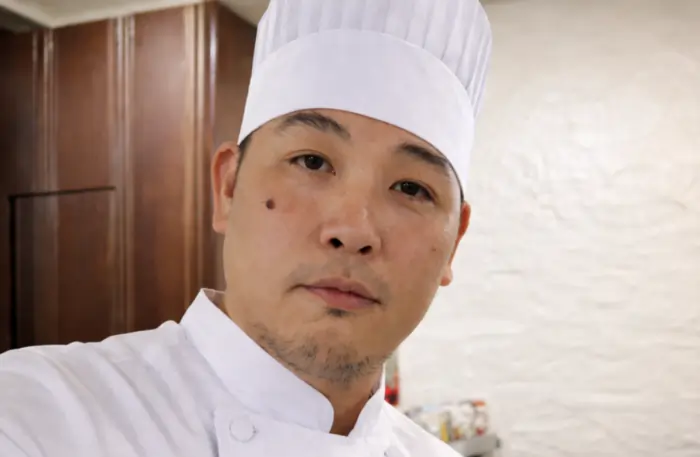
Chef Juan Gadi brings the heart of Filipino hospitality to Ubud, Bali. As an Executive Chef and consultant, he specializes in creating intimate, curated dining experiences that tell a story through every dish. Whether leading the kitchen at Kilig Filipino Warung or hosting a private villa dinner, Chef Juan’s approach is defined by warmth, modern technique, and a commitment to culinary excellence.