Storytelling Lives On Through Filipino Food in Bali Key Takeaways
Storytelling lives on through Filipino food in Bali every time a plate of adobo, sinigang, or lumpia is shared with a curious traveler.
- Storytelling lives on through Filipino food in Bali by turning every dish into a narrative of heritage, migration, and food memories .
- Family recipes serve as edible archives, connecting overseas Filipinos to their roots and introducing international diners to authentic Southeast Asian cuisine .
- Shared meals at venues like Kilig Filipino Warung or private villa dinners become platforms for cultural identity preservation and meaningful community gatherings .
What Readers Should Know About How Storytelling Lives On Through Filipino Food in Bali
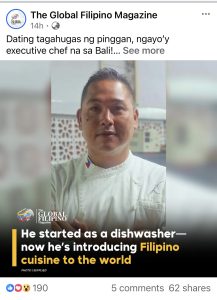
In Bali’s lush spiritual heart, Ubud, an unexpected culinary story unfolds. Chef Juan Gadi, an Executive Chef who brings the warmth of Filipino hospitality to every table, is reshaping how we experience Filipino cuisine in Bali. For him, cooking is more than technique—it is an act of heritage preservation. Each dish carries the whispers of grandmothers, the laughter of family fiestas, and the resilience of a nation shaped by centuries of trade and colonization. For a related guide, see The Cultural Stories Behind Filipino Cuisine Served in Bali.
When diners sit down at Kilig Filipino Warung or a private villa dinner hosted by Chef Juan, they are not just eating. They are listening to a story—one of traditional cooking methods passed down through generations, of ancestral recipes that survived migration, and of a people who carry their home in their hearts, no matter how far they roam.
Why Filipino Food Storytelling Matters for Cultural Identity
Food storytelling is the heartbeat of Filipino culture. Every comfort food dish—from the sour punch of sinigang to the caramelized depth of Filipino cuisine’s adobo—carries layers of history. These flavors speak of indigenous ingredients, Chinese trading ships, Spanish colonial kitchens, and American influence, all reimagined through the Filipino palate.
How Traditional Filipino Recipes Connect Generations
Traditional Filipino recipes are living documents. When Chef Juan recreates his Lola’s chicken adobo recipe in his Ubud kitchen, he is engaging in an act of heritage preservation. He adjusts for locally available ingredients—Bali’s fragrant lemongrass, its tiny but fiery chilies—without losing the soul of the dish. This adaptation mirrors the adaptive spirit of the Filipino people themselves. For a related guide, see How Filipino Communities Preserve Food Heritage Beyond the Philippines.
For overseas Filipinos living in Bali, finding a restaurant that serves authentic flavors of home is deeply emotional. A single spoonful of kare-kare can transport them back to Sunday lunches in Manila or provincial fiestas in Pangasinan. Chef Juan understands this power deeply. His dining experiences are designed to stir food memories and create new ones.
7 Powerful Ways Storytelling Lives On Through Filipino Food in Bali
From intimate warung dining to private villa feasts, here are the key ways Chef Juan Gadi and the Filipino culinary community in Bali keep stories alive.
1. Personal Narratives Behind Every Dish
Chef Juan does not just serve sinigang; he tells you about his father’s fishing trips that inspired the dish’s sour broth. Each recipe has a backstory rooted in family recipes and cultural traditions. This personal approach makes dining a truly cultural experience for travelers.
2. Curated Private Dining Experiences
In private villa dinners, Chef Juan designs multi-course meals that unfold like chapters in a book. Guests learn about Filipino hospitality through the ritual of kamayan (eating with hands) and shared platters, creating shared meals that build genuine connection.
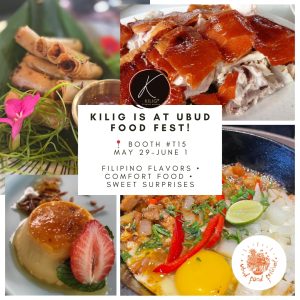
3. Kilig Filipino Warung as a Storytelling Hub
At his warung, Chef Juan creates an atmosphere where strangers become friends over comfort food. The open kitchen allows diners to see traditional cooking techniques in action—grilling over charcoal, pounding spices in a mortar—turning each meal into a live performance of culinary heritage.
4. Ingredient Sourcing as Cultural Narrative
Chef Juan sources local Balinese produce while staying true to Filipino techniques. He explains how calamansi (Philippine lime) can be substituted with local kaffir lime, and how ube (purple yam) grows similarly in both regions. This cross-cultural exchange teaches diners about both cuisines.
5. Celebrating Filipino Festivals Through Food
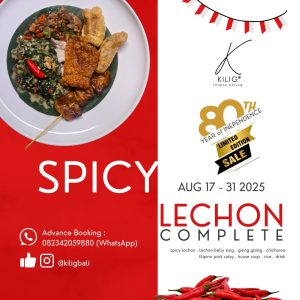
During holidays like Christmas or Independence Day, Chef Juan creates special menus that feature ancestral recipes from different Philippine provinces. These events become community gatherings for overseas Filipinos and educational opportunities for international guests.
6. Preserving Heirloom Cooking Techniques
From making traditional cooking methods like palayok (clay pot) simmering to the meticulous art of lumpia wrapping, Chef Juan passes on knowledge that might otherwise be lost in the diaspora. He hosts small workshops alongside dinners.
7. Documenting Stories for Future Generations
Chef Juan keeps a journal of every guest’s reaction to his dishes, writing down questions, memories shared, and new recipe ideas. This living document ensures that storytelling lives on through Filipino food in Bali beyond his own tenure.
How Filipino Restaurants in Bali Share Stories Through Their Dishes
Beyond Chef Juan’s kitchen, a small but passionate community of Filipino restaurateurs in Bali is doing similar work. Menus often include brief histories of each dish. Waitstaff are trained to explain the cultural significance of authentic flavors. In some venues, diners can watch videos of grandmothers cooking in their home provinces while they eat.
This approach transforms a simple meal into a cultural identity lesson. Travelers leave not only full-stomached but also enriched by food storytelling they can carry home. For international diners, it is a rare window into Southeast Asian cuisine beyond the tourist trail.
Why Dining Becomes a Cultural Experience for Travelers in Bali
Bali is already a destination rich in spiritual and artistic tradition. Adding Filipino cuisine to the mix creates a powerful layer of cultural exchange. Travelers come expecting Balinese food, but when they discover Filipino food in Bali, they gain insight into another Asian culture with its own complex history of trade, colonization, and resilience.
Chef Juan’s approach—combining Filipino hospitality with modern culinary technique—makes guests feel like they are dining in someone’s home. The warmth, the storytelling, the shared laughter over shared meals—these elements create lasting food memories that travelers treasure long after they return home.
Practical Tips for Enjoying Filipino Food Storytelling in Bali
- Book a kamayan dinner at Kilig Filipino Warung for a hands-on cultural experience.
- Ask Chef Juan about the origin of each dish—every ingredient has a story.
- Attend special holiday feasts to experience cultural traditions tied to specific dishes.
- Invite local Balinese friends—they will enjoy the cross-cultural exchange as much as you.
- Take photos of dishes and write down the stories; share them with family to continue the tradition of food storytelling.
Useful Resources
Learn more about the rich tapestry of Filipino cuisine and its global diaspora from these trusted sources:
- New York Times: The Global Rise of Filipino Food – an exploration of how Filipino dishes are gaining international recognition.
- BBC Travel: The Philippines’ Culinary Secret Weapon – a deep dive into the storytelling power of adobo and other classics.
Frequently Asked Questions About Storytelling Lives On Through Filipino Food in Bali
How does storytelling live on through Filipino food in Bali?
Through personal narratives shared by Chef Juan and other Filipino chefs, every dish becomes a story about family, migration, and cultural heritage. Diners learn the history behind each recipe while tasting authentic flavors.
Why are family recipes important in preserving Filipino traditions?
Family recipes are living links to the past, carrying techniques and ingredients that define regional Filipino cuisine. Sharing them abroad keeps cultural identity alive for overseas Filipinos and educates new audiences.
How do Filipino restaurants in Bali share stories through their dishes?
Restaurants like Kilig Filipino Warung use menu descriptions, staff storytelling, and open kitchens to explain the history of each dish. Some even show videos of traditional cooking from the Philippines.
What role does food play in preserving Filipino cultural heritage abroad?
Food is a portable artifact of culinary heritage. When overseas Filipinos cook ancestral recipes abroad, they recreate the smells, tastes, and rituals of home, sparking food memories and passing traditions to younger generations.
How do traditional Filipino recipes connect generations?
Traditional Filipino recipes are often taught by grandparents to grandchildren. In Bali, Chef Juan adapts these recipes for local ingredients while preserving the core techniques, ensuring that the story continues across time and distance.
Why do overseas Filipinos use food to keep family memories alive?
Food triggers powerful food memories of community gatherings and family recipes. For Filipinos living abroad, cooking adobo or sinigang is a way to feel close to loved ones and maintain cultural identity.
How does Filipino cuisine reflect the history and identity of the Philippines?
Filipino cuisine is a blend of indigenous, Chinese, Spanish, and American influences, reflecting centuries of trade and colonization. Its authentic flavors tell the story of a resilient, adaptive people.
What stories are commonly associated with classic Filipino dishes?
Adobo is often said to have been invented by Filipino women to preserve meat in vinegar. Sinigang reflects the Filipino love for sour flavors from tamarind. Each dish carries layers of culinary heritage and practical wisdom.
How does dining become a cultural experience for travelers in Bali?
Chef Juan Gadi transforms dining into food storytelling by welcoming guests into intimate settings, explaining the cultural significance of each ingredient, and encouraging shared meals that foster connection.
Why is storytelling an essential part of Filipino culinary traditions?
Filipinos are natural storytellers, and food is their medium. Food storytelling carries the history of cultural traditions, family bonds, and the Filipino spirit of hospitality.
How do chefs preserve authenticity while sharing Filipino food overseas?
Chefs like Juan Gadi stay true to traditional cooking methods and family recipes while sourcing local ingredients. They prioritize authentic flavors over adaptation, ensuring the core story remains unchanged.
What can international visitors learn about Filipino culture through its cuisine?
Visitors learn about Filipino hospitality, the importance of shared meals, regional diversity, and the country’s history of cross-cultural exchange. Each dish is a lesson in cultural identity.
How do shared meals strengthen community and cultural connections?
Shared meals are central to Filipino culture. In Bali, community gatherings around food create spaces for overseas Filipinos to bond and for international diners to experience genuine Filipino hospitality.
Why do food memories create lasting travel experiences?
Food memories are sensory and emotional. A meal enjoyed at a Filipino restaurant in Bali becomes a lasting memory because it is tied to taste, smell, and personal connection—elements that transport travelers back to that moment.
How does Filipino cuisine continue passing cultural stories to future generations in Bali?
Through Chef Juan’s workshops, journaling, and mentorship, storytelling lives on through Filipino food in Bali as younger chefs and diners learn traditional cooking techniques and the history behind ancestral recipes.
What is the best dish to try for first-time Filipino food diners in Bali?
Chicken adobo is the most accessible entry point. Its savory, tangy, and slightly sweet profile is universally appealing. Chef Juan recommends pairing it with garlic fried rice for a complete comfort food experience.
How can I find Filipino restaurants in Bali?
Kilig Filipino Warung in Ubud is the premier destination for Filipino cuisine in Bali. Chef Juan also hosts private villa dinners that can be booked through his social media or website.
Are Filipino dishes in Bali adapted for local tastes?
While ingredients may be locally sourced, Chef Juan stays faithful to authentic flavors. He believes that true food storytelling requires preserving the original taste profiles that define Filipino culinary heritage.
What makes Chef Juan Gadi’s approach unique?
Chef Juan combines technical expertise with a deep commitment to heritage preservation. His intimate dining settings, personal narratives, and dedication to Filipino hospitality create an experience that is both educational and deeply moving.
Can I host a private Filipino dinner event in Bali?
Yes. Chef Juan offers curated private villa dinners that include multi-course menus, storytelling, and optional kamayan (hand-eating) experiences. It is an unforgettable way to celebrate shared meals with friends and family.
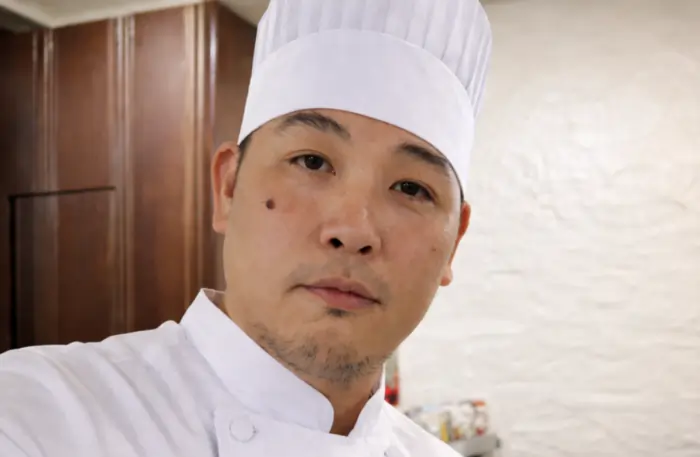
Chef Juan Gadi brings the heart of Filipino hospitality to Ubud, Bali. As an Executive Chef and consultant, he specializes in creating intimate, curated dining experiences that tell a story through every dish. Whether leading the kitchen at Kilig Filipino Warung or hosting a private villa dinner, Chef Juan’s approach is defined by warmth, modern technique, and a commitment to culinary excellence.