Why Traditional Filipino Recipes Continue to Inspire Bali Diners Key Takeaways
Why Traditional Filipino Recipes Continue to Inspire Bali Diners goes beyond nostalgia—it is a testament to the deep cultural exchange between the Philippines and Bali.
- Why Traditional Filipino Recipes Continue to Inspire Bali Diners is rooted in the shared values of family, community, and fresh local ingredients that both Filipino and Balinese food cultures celebrate.
- Filipino food Bali —from warungs to private dining—offers travelers a cross cultural dining experience that feels both familiar and exciting, inviting deeper cultural appreciation .
- The rise of Filipino restaurants in Bali and pop-up events highlights how Filipino culinary traditions are creating meaningful connections in the Southeast Asian cuisine landscape.
What Makes Traditional Filipino Recipes in Bali So Captivating
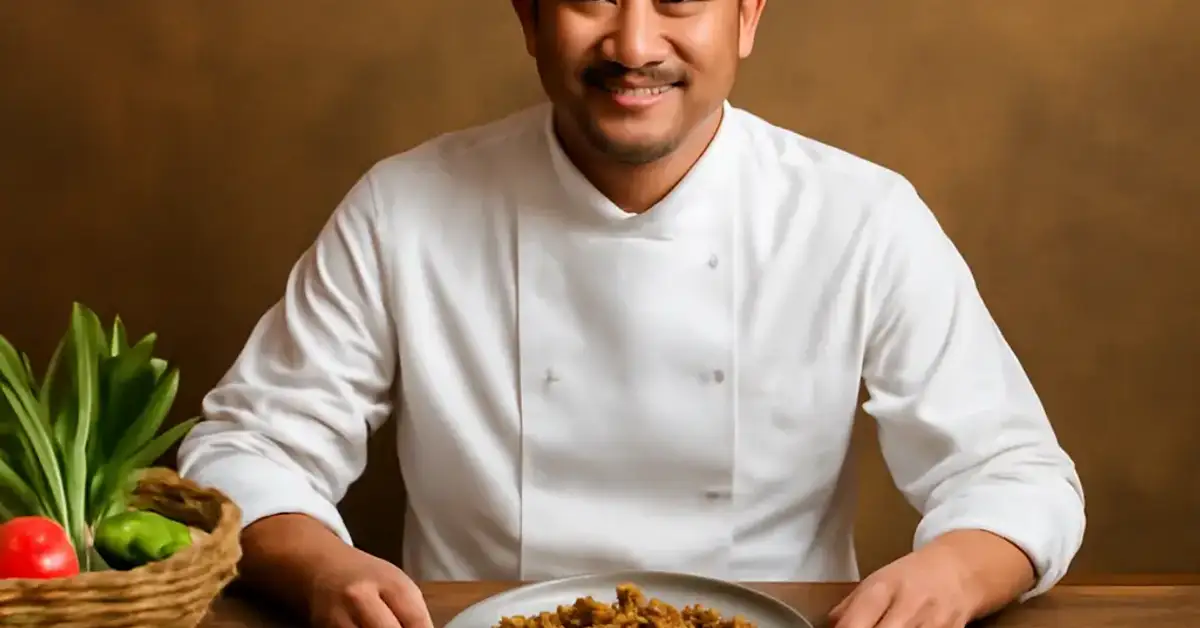
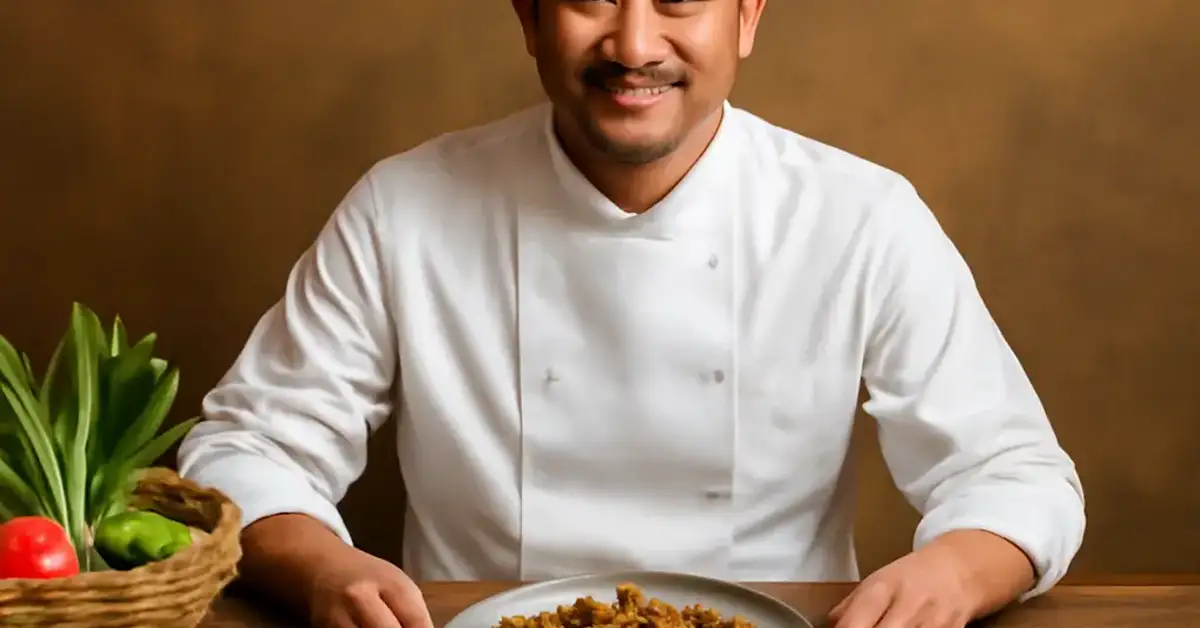
When I first set up my kitchen in Ubud, I noticed something remarkable. Travelers from all over the world—many of whom had never visited the Philippines—were drawn to the authentic flavors of Filipino cuisine. They weren’t just looking for a meal. They were looking for a story. And traditional Filipino recipes have so many stories to tell.
Bali itself is a melting pot of Southeast Asian flavors, yet Filipino food Bali offers a unique voice within that chorus. The culinary heritage of the Philippines—shaped by centuries of trade, colonization, and regional diversity—speaks the universal language of comfort. Whether it’s the slow-simmered tang of sinigang or the crispy, garlicky crunch of lechon kawali, these dishes resonate with Bali diners because they taste like home, even if home is halfway across the world.
In my experience at Kilig Filipino Warung and during private villa dinners, I have watched guests’ eyes light up when they taste authentic Filipino dishes for the first time. That is the magic of Filipino flavors abroad—they are bold yet welcoming, complex yet deeply familiar.
The Role of Filipino Culinary Traditions in Bali’s Dining Scene
A Shared Love for Local Ingredients
One of the reasons Filipino food culture fits so naturally into Bali dining experiences is the shared reverence for local ingredients. In the Philippines, we cook with whatever the land and sea provide—fresh fish, tropical fruits, root vegetables, and fragrant herbs. Bali’s markets offer the same abundance. When I prepare traditional Filipino recipes here, I often source jackfruit, lemongrass, coconut, and chili from local farmers, exactly as I would back home. For a related guide, see Why Bali Remains a Favorite Destination for Food Lovers.
This connection to the land makes every dish feel alive. Diners sense that the regional specialties on their plate were crafted with home cooking principles—respect for the ingredient, patience for the process, and generosity in the portion.
Filipino Hospitality Meets Balinese Warmth
Bali is famous for its hospitality. So is the Philippines. When these two cultures meet at the table, something beautiful happens. Filipino hospitality—what we call “malasakit”—is about caring for the guest as if they were family. That spirit translates directly into the way we serve Filipino comfort food: with a smile, a story, and an extra scoop of rice.
At my private dinners, I always share the family recipes behind each dish. Guests don’t just eat; they connect. They ask about the food traditions of my grandmother, the fiestas of my childhood, the culinary heritage that shaped me. That dialogue is what makes cross cultural dining unforgettable.
How Filipino Cuisine Inspiration Is Shaping Bali’s Food Landscape
Filipino cuisine inspiration is not limited to a few restaurants. It is influencing how Bali diners think about Southeast Asian cuisine as a whole. While Thai, Vietnamese, and Indonesian dishes have long dominated the scene, Filipino food Bali is carving out its own identity—one that balances authentic Filipino dishes with modern presentation. For a related guide, see Food Connects Filipinos to Cultural Roots: 1 Chef’s Story in Bali.
Chefs across the island are experimenting with traditional recipes, incorporating local ingredients while respecting the original techniques. This Filipino gastronomy movement is not about fusion for fusion’s sake. It is about honoring Filipino culinary traditions and letting them speak for themselves.
The Appeal of Filipino Comfort Food in a Global Setting
Why does Filipino comfort food resonate so deeply with international diners? Because comfort is universal. A bowl of arroz caldo on a rainy day, the crispy skin of lechon, the sweet-salty tug of tocino—these are not just traditional Filipino recipes. They are emotional anchors. In Bali, where travelers often seek both adventure and solace, Filipino comfort food provides a grounding moment.
I have had guests tell me that my chicken adobo reminded them of their own mother’s cooking, even though their mother is from Italy or Japan. That is the power of heritage cooking—it transcends borders.
Authentic Filipino Dishes That Bali Visitors Love
While the entire menu of Filipino cuisine is worth exploring, certain dishes have become favorites among Bali diners. Here is a quick look at the most popular choices and why they work so well in Bali’s international dining scene.
| Dish | Flavor Profile | Why It Works in Bali |
|---|---|---|
| Chicken Adobo | Savory, tangy, garlicky | Uses soy sauce and vinegar (pantry staples in both cuisines) |
| Sinigang | Sour, umami, comforting | Bali’s tropical heat makes the sour broth refreshing |
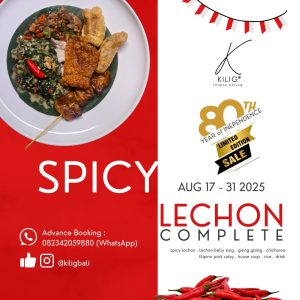
| Lechon Kawali | Crispy, fatty, indulgent | Bali diners already love babi guling—this is a cousin |
| Kare-Kare | Rich, nutty, savory | Peanut-based sauces are beloved across Southeast Asia |
| Halo-Halo | Sweet, cold, textured | Bali’s warm climate makes cold desserts a must |
Each of these authentic Filipino dishes tells a story. When I serve them in Bali, I make sure the story comes with the plate—whether it’s the origin of the family recipes or the food traditions of the region they come from.
Why Travelers Seek Filipino Restaurants in Bali
Filipino restaurants in Bali are more than places to eat. They are cultural hubs. For Filipino travelers and overseas Filipinos, a meal at a place like Kilig is a taste of home. For international diners, it is a gateway to understanding the Philippines through its Filipino food culture.
When I consult for restaurants and host events, I notice that diners are hungry for stories as much as for food. They want to know why Filipino flavors abroad taste different—and better—than what they have tried before. The answer lies in cooking traditions that prioritize shared meals and family recipes over speed or trend.
Cross Cultural Dining as a Bridge
Cross cultural dining is not just about putting two cuisines on the same table. It is about understanding how they complement each other. How do Filipino and Balinese cuisines complement each other? Both rely on local ingredients, both celebrate shared meals, and both value food traditions that are passed down through generations. When a diner tastes adobo alongside Balinese lawar, they are not just eating—they are participating in a conversation between islands.
How Chefs Keep Traditional Filipino Recipes Relevant
Maintaining heritage cooking while appealing to a modern audience is a delicate balance. I approach it by asking one question: “Does this traditional Filipino recipe still taste like my grandmother intended?” If the answer is yes, then I can present it in a contemporary setting—on a beautiful plate, with a local garnish—without losing its soul.
How do chefs adapt traditional Filipino dishes while maintaining authenticity? The key is to respect the technique and the culinary heritage while being creative with presentation and sourcing. For example, I might use Balinese sea salt for lechon kawali, or add a touch of local honey to a marinade. The dish remains true to its roots, but it also reflects its new home.
Preserving Filipino Food Culture Through Storytelling and Shared Meals
What role does storytelling play in preserving Filipino culinary traditions? Storytelling is everything. Every traditional Filipino recipe comes with a context—a fiesta, a rainy afternoon, a grandmother’s kitchen. When I share those stories with my guests, the food becomes more than ingredients. It becomes memory.
During my Bali dining experiences, I often ask guests to close their eyes before tasting a dish. I describe the scene: the sound of the kawali sizzling, the smell of garlic and vinegar, the laughter around a table. This cultural appreciation turns a meal into an experience that stays with them long after they leave Bali.
Why Family Recipes Travel So Well
Why do authentic family recipes remain relevant across generations? Because they are built on food traditions that never go out of style. A recipe that has fed a family for fifty years has already been tested, perfected, and loved. When I bring those recipes to Bali, I am not inventing anything new—I am sharing something timeless.
Useful Resources
Explore more about the richness of Filipino cuisine and its connection to Bali:
- Traditional Filipino Cooking: Discover authentic recipes and cooking techniques at Curious Cuisiniere’s guide to Filipino food.
- Filipino Food Culture in Southeast Asia: Read about the cultural significance of shared meals and Filipino hospitality at TasteAtlas’s Filipino cuisine overview.
Frequently Asked Questions About Why Traditional Filipino Recipes Continue to Inspire Bali Diners
Why do traditional Filipino recipes continue to inspire Bali diners?
Why Traditional Filipino Recipes Continue to Inspire Bali Diners is because they offer authentic, soulful flavors that resonate with the Balinese appreciation for local ingredients and shared meals. The warmth of Filipino hospitality creates a dining experience that feels both exotic and familiar.
What makes Filipino cuisine appealing to international diners in Bali?
Filipino cuisine stands out for its bold, balanced flavors—sour, salty, sweet, and savory—that are easy to love. Combined with Filipino comfort food textures and the story behind each traditional recipe, it offers a unique cultural appreciation that international dining enthusiasts seek.
How do traditional Filipino recipes reflect the country’s cultural heritage?
Filipino culinary traditions are a tapestry of indigenous, Malay, Spanish, and Chinese influences. Each traditional Filipino recipe is a family recipe that tells a story of colonization, trade, and resilience. Food traditions like cooking adobo or making kare-kare preserve culinary heritage across generations.
Which Filipino dishes are most popular among Bali visitors?
Chicken adobo, lechon kawali, sinigang, and kare-kare top the list. These authentic Filipino dishes appeal to Bali diners because they use local ingredients and techniques similar to Balinese cooking, while offering distinct Filipino flavors abroad.
How does Filipino food create meaningful cultural connections abroad?
By focusing on shared meals and Filipino hospitality, Filipino food culture turns every meal into an opportunity for cultural exchange. Guests feel welcomed like family, and the stories behind traditional recipes foster deeper cultural appreciation.
Why do authentic family recipes remain relevant across generations?
Family recipes are rooted in food traditions that have been perfected over time. They provide comfort, identity, and continuity. Heritage cooking keeps them alive, ensuring that Filipino cuisine inspiration continues to influence new audiences. For a related guide, see How Filipino Food Keeps Cultural Traditions Alive in Bali.
How do Filipino and Balinese cuisines complement each other?
Both cuisines celebrate local ingredients, island cuisine, and shared meals. The sourness of sinigang pairs beautifully with Balinese satay, and the richness of kare-kare echoes the peanut sauces common in Southeast Asian flavors.
What ingredients make traditional Filipino recipes unique?
Key ingredients include calamansi, local ingredients like fresh coconut, and fermented sauces such as patis and bagoong. These give Filipino cuisine a distinct flavor profile that sets it apart in the Southeast Asian cuisine landscape.
Why are travelers seeking authentic Filipino dining experiences in Bali?
Travelers want more than food—they seek Bali dining experiences that offer cultural depth. Filipino restaurants in Bali provide authentic Filipino dishes and stories, making them a memorable part of any trip.
How do Filipino restaurants introduce local diners to Philippine cuisine?
Through carefully curated menus, traditional Filipino recipes, and Filipino hospitality, restaurants like Kilig Filipino Warung educate guests about Filipino food culture. Cross cultural dining events also help bridge the gap.
What role does storytelling play in preserving Filipino culinary traditions ?
Storytelling is essential. It keeps food traditions alive by connecting traditional recipes to culinary heritage and personal memory. When chefs share the origin of each dish, diners develop cultural appreciation and the tradition continues.
How do chefs adapt traditional Filipino dishes while maintaining authenticity?
Chefs preserve heritage cooking by respecting core techniques and family recipes, then using local ingredients from Bali for freshness. Small adjustments honor Filipino culinary traditions without compromising the soul of the dish.
Why does Filipino comfort food resonate with people from different cultures?
Filipino comfort food is built on universal cravings—savory, tangy, rich, and satisfying. Its cooking traditions emphasize shared meals and generosity, which transcend cultural boundaries.
How does food encourage cultural appreciation between the Philippines and Bali?
Food acts as a bridge. When Filipino flavors abroad meet Balinese palates, it sparks curiosity and respect. Cultural exchange through authentic Filipino dishes fosters mutual appreciation for both cuisines.
What makes traditional Filipino cuisine a memorable part of Bali’s diverse dining scene?
Its depth of flavor, Filipino hospitality, and connection to food traditions make it stand out. Bali dining experiences that include Filipino food are remembered because they engage all the senses.
Can I find halal Filipino food in Bali?
Yes, many Filipino restaurants in Bali adapt traditional Filipino recipes to be halal-friendly, using chicken, beef, and seafood while respecting local ingredients and Filipino food culture.
Are there Filipino cooking classes in Bali?
Some Filipino restaurants in Bali and private chefs offer classes. These sessions teach traditional Filipino recipes and cooking traditions, giving participants hands-on food experiences and deeper cultural appreciation.
What is the best time to visit Filipino restaurants in Bali ?
Dinner is ideal for full Bali dining experiences, but lunch also works. Many Filipino restaurants in Bali offer specials during holidays and cultural events, making Filipino food Bali celebrations even more vibrant.
How can I host a private Filipino dinner in Bali?
Contact chefs like me who specialize in traditional Filipino recipes and curated dining experiences. We bring Filipino hospitality and authentic Filipino dishes to your villa or event, creating unforgettable cross cultural dining moments.
Why is Filipino food considered a growing trend in Bali?
Filipino cuisine inspiration is rising because of its unique Southeast Asian flavors, strong food traditions, and the warm Filipino hospitality behind every meal. Travelers and locals alike are embracing Filipino gastronomy as a must-try food experience.
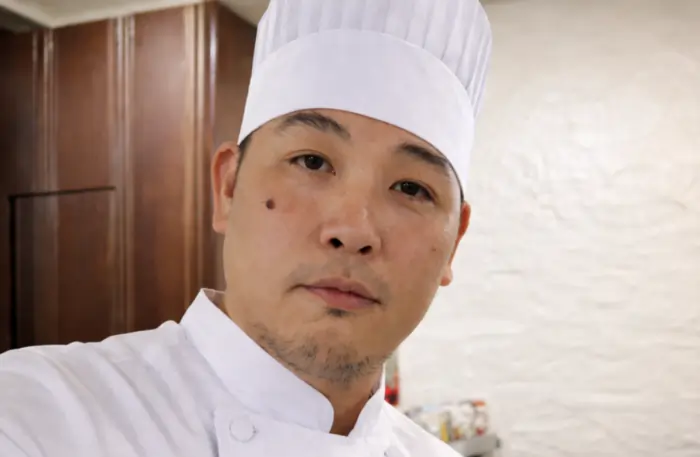
Chef Juan Gadi brings the heart of Filipino hospitality to Ubud, Bali. As an Executive Chef and consultant, he specializes in creating intimate, curated dining experiences that tell a story through every dish. Whether leading the kitchen at Kilig Filipino Warung or hosting a private villa dinner, Chef Juan’s approach is defined by warmth, modern technique, and a commitment to culinary excellence.