Filipino Food Keeps Cultural Traditions Alive in Bali Key Takeaways
Filipino Food Keeps Cultural Traditions Alive in Bali through more than just recipes—it’s a living bridge between generations, a source of comfort in a foreign land, and a celebration of heritage.
- Filipino Food Keeps Cultural Traditions Alive in Bali by recreating family rituals and festive celebrations, like Noche Buena and lechon feasts, within the Balinese landscape.
- Overseas Filipinos use Filipino cuisine in Bali as a tool for cultural education, passing down traditional recipes to children born abroad.
- Filipino restaurants in Bali act as community hubs where food nostalgia, hospitality, and cross-cultural exchange thrive, strengthening the Filipino community overseas.
What Makes Filipino Food a Vessel for Cultural Heritage in Bali
When I first arrived in Ubud, the scent of coconut milk and lemongrass wafting from local warungs felt familiar, yet distinctly Balinese. As a chef who grew up in the Philippines, I knew that food carries memory—the tang of sinigang on a rainy afternoon, the sticky sweetness of bibingka after Christmas Mass, the communal joy of boodle fights. Here, in the lush rice terraces of Bali, I discovered that Filipino food in Bali is not just about feeding the stomach; it’s about feeding the soul. It’s how we keep Filipino cultural traditions abroad alive, one dish at a time.
The Emotional Anchor of Home Cooking
For many overseas Filipinos living in Bali, a home-cooked adobo is more than a meal—it’s a hug from a grandmother they haven’t seen in years. Traditional Filipino recipes carry the essence of family kitchens in Manila, Cebu, or Davao. When we recreate these dishes, we’re not just following steps; we’re invoking cultural heritage. The comfort food abroad that comes from a bubbling pot of tinola or a crispy pata becomes a lifeline to cultural identity through food. For a related guide, see Why Traditional Filipino Recipes Are Passed Down Through Families.
How Filipino Food Keeps Cultural Traditions Alive in Bali: 7 Authentic Ways
Through my work as an Executive Chef at Kilig Filipino Warung and as a consultant for private dining experiences, I’ve seen seven distinct ways Filipino food keeps cultural traditions alive in Bali. Each method reinforces the bonds of Filipino community in Bali and invites travelers to taste our story.
1. Recreating Festive Celebrations with Authentic Feasts
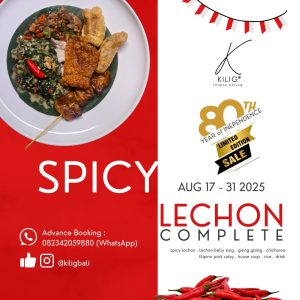
Filipino celebrations like Pasko, Araw ng Kalayaan, and town fiestas are incomplete without a table groaning under lechon, pancit, and lumpia. In Bali, Filipino restaurants in Bali host themed nights where families come together to share these dishes. The act of preparing and serving authentic Filipino food Bali replicates the family traditions of the Philippines, making the holiday feel real even thousands of miles from home. At Kilig, we prepare a traditional Noche Buena spread every December, and the joy on our guests’ faces reminds me why preserving Filipino heritage through food matters.
2. Passing Down Recipes to the Next Generation
Many overseas Filipinos worry that their children, growing up in Bali’s multicultural environment, will lose their roots. That’s why cooking traditional Filipino recipes together becomes a daily lesson in cultural identity. I’ve taught Balinese-Filipino kids to wrap lumpia and pound pork for sisig. These moments are preserving Filipino heritage through food by making it hands-on and delicious. The kitchen becomes a classroom for family traditions.
3. Building a Filipino Community Through Shared Meals
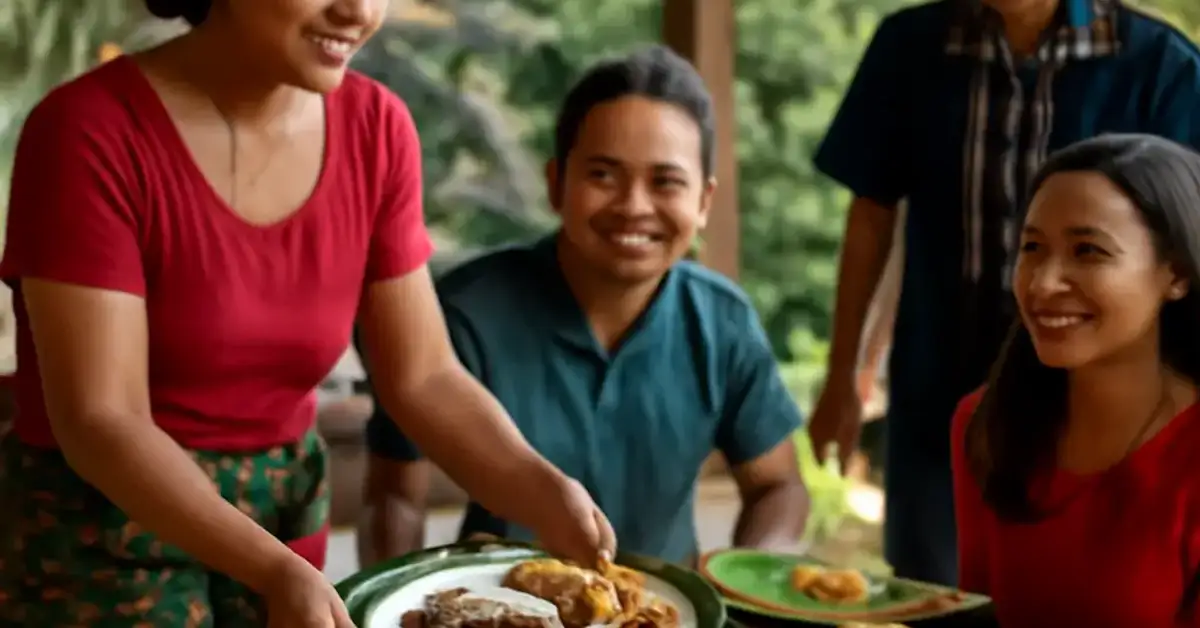
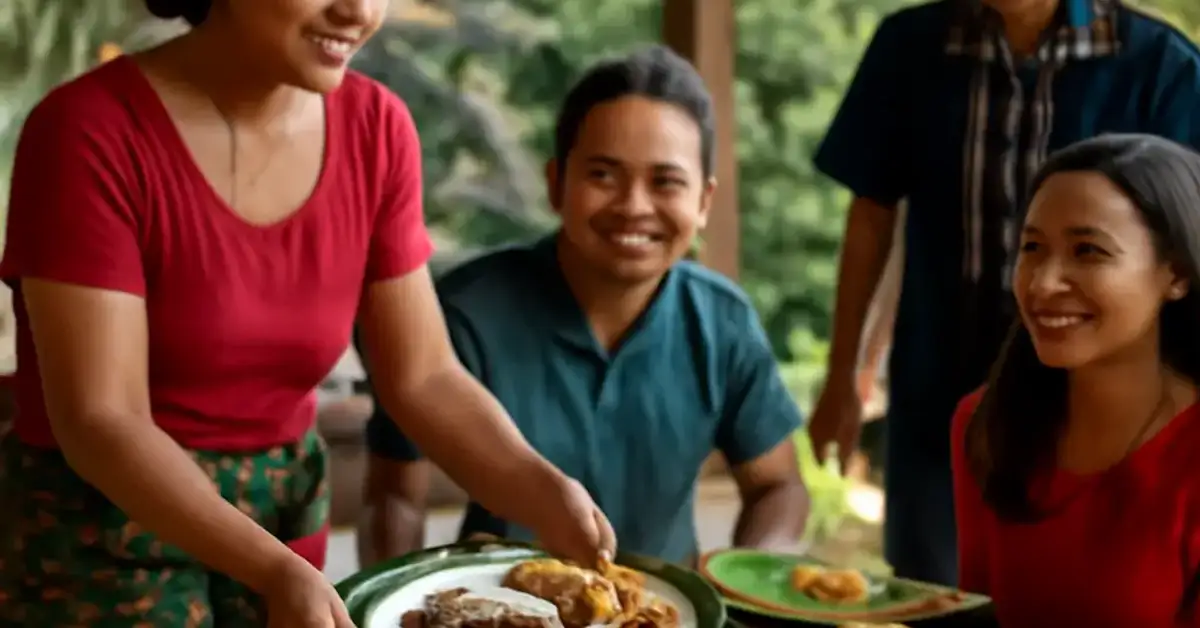
Community gatherings around food are the heartbeat of Filipino culture. In Bali, Filipino community in Bali groups organize potlucks and shared meals where everyone brings a dish from their province. These events strengthen overseas Filipino food culture by creating a space where stories are exchanged over kare-kare and halo-halo. The Filipino hospitality extends to Balinese friends and travelers, fostering cross cultural experiences that enrich both communities.
4. Introducing Filipino Cuisine to Balinese and International Audiences
Filipino cuisine is often called the underdog of Southeast Asian cuisine, but in Bali, it’s gaining recognition. Filipino restaurants in Bali like Kilig serve dishes that intrigue food lovers and culinary tourists. By pairing authentic flavors with modern presentation, we showcase Filipino culinary traditions to a global audience. This exchange also highlights how Balinese culture and Filipino food cultures complement one another—both value rice, coconut, and communal eating.
5. Curating Intimate Dining Experiences That Tell a Story
As a chef, I specialize in creating private villa dinners where each course narrates a chapter of Filipino cultural traditions abroad. Guests taste dishes like sinigang na baboy paired with a story about my grandmother’s market trips, or chicken inasal that recalls a family picnic in Bacolod. These curated experiences are a form of filipino dining in Bali that transforms a meal into a journey. They answer the question, “How does Filipino food keep cultural traditions alive in Bali?” by making every bite a lesson in heritage.
6. Using Food as a Tool for Cultural Exchange and Hospitality
Filipino hospitality is legendary—we welcome strangers as family. In Bali, this translates into cross cultural experiences where Balinese neighbors learn to cook adobo, and Filipinos learn to make lawar. Filipino food in Bali becomes a bridge for cultural exchange between the Philippines and Bali. At community events, the question “Why do travelers seek authentic Filipino dining experiences in Bali?” is answered by the warmth of our welcome. We don’t just serve authentic Filipino food Bali; we serve connection.
7. Preserving Food Nostalgia Through Comfort Dishes
Food nostalgia is powerful. The smell of garlic fried rice can transport an overseas Filipino back to a Sunday morning in their childhood home. Filipino comfort food abroad, like arroz caldo or champorado, provides a sense of security in an unfamiliar environment. By cooking these dishes, Filipino families abroad maintain their cultural identity and pass on culinary heritage to children who might otherwise feel disconnected. This is how Filipino food keeps cultural traditions alive in Bali—through the everyday magic of a simple meal. For a related guide, see How Overseas Filipinos Keep Food Traditions Alive.
Why Filipino Cuisine Matters for Overseas Filipinos Living in Bali
The question “Why is Filipino cuisine important for overseas Filipinos living in Bali?” is answered by the deep emotional need for belonging. Filipino cultural traditions abroad can fade without active preservation, and food is the most accessible way to keep them strong. When we cook traditional Filipino recipes, we uphold cultural heritage and teach our children who they are. Filipino food in Bali is not just about sustenance; it’s about identity.
The Role of Filipino Restaurants in Strengthening Community Bonds
Filipino restaurants in Bali serve as unofficial community centers. They host celebrations, provide a place to meet fellow overseas Filipinos, and introduce Bali visitors to our culture. At Kilig, I’ve watched strangers become friends over a plate of crispy pata. The question “How do Filipino restaurants contribute to the Filipino community in Bali?” is simple: they create a home away from home.
Overcoming Challenges: Maintaining Culinary Traditions Abroad
What challenges do overseas Filipinos face in maintaining culinary traditions? The biggest is ingredient availability. We can’t always find ube, calamansi, or fresh pandan in Bali. But creativity and resourcefulness—hallmarks of Filipino culture overseas—solve this. We substitute local limes for calamansi, grow our own kangkong, and source ube powder from specialty shops. These adaptations are themselves a form of preserving Filipino heritage through food, proving that tradition evolves without being lost.
Where to Experience Authentic Filipino Dining in Bali
If you’re asking “Where can travelers experience authentic Filipino food in Bali?”, start with Kilig Filipino Warung in Ubud. We serve classics like sisig, sinigang, and leche flan in a cozy, welcoming setting. For a more personalized experience, book a private villa dinner through my consultancy—I’ll tailor a menu that tells the story of your family’s region or simply introduces you to the best of Filipino cuisine in Bali. Other spots include pop-up events hosted by the Filipino community in Bali and Balinese markets where Filipino food in Bali occasionally appears.
Tips for Travelers Seeking Filipino Comfort Food Abroad
For Filipino travel experiences in Bali, plan your visit around community gatherings listed on social media groups. Join the Bali-based Filipino Facebook communities to stay updated. If you’re a culinary tourist, ask for the chef’s special—often, it’s a dish not on the menu, like my grandmother’s chicken relleno. And always say “salamat” with a smile; it’s part of the Filipino hospitality you’ll receive.
How Filipino and Balinese Food Cultures Complement One Another
The question “How do Filipino and Balinese food cultures complement one another?” finds answers in shared ingredients and philosophies. Both cultures honor rice as a staple, use coconut and spices generously, and celebrate shared meals. Balinese lawar and Filipino dinuguan both use blood as a key ingredient—a parallel that sparks curiosity among food enthusiasts. This harmony is why Filipino food in Bali feels both exotic and familiar.
Useful Resources
For more on Filipino culinary traditions and their role in preserving identity abroad, explore these resources:
- Spot.ph: How Filipinos Keep Food Traditions Alive Overseas – A feature on diaspora food communities.
- TripZilla: Where to Find Filipino Food in Bali – A guide to eating Filipino in Bali, including Kilig.
Frequently Asked Questions About Filipino Food Keeps Cultural Traditions Alive in Bali
How does Filipino food keep cultural traditions alive in Bali?
Filipino food keeps cultural traditions alive in Bali by recreating family recipes, hosting festive meals like Noche Buena, and gathering the Filipino community for shared feasts. Each dish carries stories of home, preserving heritage abroad.
Why is Filipino cuisine important for overseas Filipinos living in Bali?
Filipino cuisine is a vital link to cultural identity, providing comfort and a sense of belonging. It helps overseas Filipinos maintain family traditions and pass down heritage to children who grow up in a different environment.
How do traditional Filipino recipes preserve cultural identity abroad?
Traditional recipes are a direct connection to ancestors and homeland. Cooking them abroad reinforces cultural identity by evoking memories, teaching younger generations, and celebrating Filipino values like hospitality.
Where can travelers experience authentic Filipino food in Bali ?
Travelers can visit Kilig Filipino Warung in Ubud, attend community potlucks, or book private villa dinners with Chef Juan Gadi. These experiences offer genuine Filipino flavors and hospitality.
How does food help Filipino families maintain their heritage while overseas?
Food anchors family heritage by recreating home routines and celebrations. Cooking and eating together strengthens family bonds and ensures that cultural traditions are passed on intact.
Why do Filipino comfort foods create a sense of home in another country?
Comfort foods like adobo or arroz caldo trigger nostalgia and emotional warmth. They remind overseas Filipinos of family kitchens and childhood, making a foreign land feel more like home.
How do Filipino restaurants contribute to the Filipino community in Bali ?
Filipino restaurants act as gathering spots where the community celebrates holidays, shares news, and supports one another. They preserve culture while introducing Balinese locals and tourists to Filipino cuisine.
What role do shared meals play in preserving Filipino traditions?
Shared meals are central to Filipino culture, symbolizing unity and generosity. In Bali, communal eating at potlucks or restaurants reinforces traditions of bayanihan and close family ties.
How does Filipino cuisine connect younger generations with their cultural roots?
Cooking and eating Filipino dishes introduces younger generations to flavors, stories, and practices unique to their heritage. It builds pride and a sense of belonging to the Filipino community.
Why is food an important part of Filipino celebrations abroad?
Food is central to Filipino celebrations because it reflects abundance, gratitude, and togetherness. In Bali, festive meals during Christmas or Independence Day recreate the joy of home celebrations.
How do Filipino and Balinese food cultures complement one another?
Both cultures emphasize rice, coconut, and communal dining. Shared ingredients like coconut milk and tropical fruits create a natural culinary bridge, fostering cross-cultural appreciation.
What challenges do overseas Filipinos face in maintaining culinary traditions?
Finding authentic ingredients like ube or calamansi can be difficult. Overseas Filipinos often substitute local alternatives or grow their own, adapting recipes while keeping the essence alive.
How does cooking traditional dishes strengthen family and community bonds?
Cooking together involves teamwork, storytelling, and shared effort. It strengthens bonds by creating memories and reinforcing the importance of family and community in Filipino culture.
Why do travelers seek authentic Filipino dining experiences in Bali?
Travelers are curious about Filipino cuisine’s unique flavors and want to connect with the Filipino diaspora. Authentic dining offers a taste of genuine culture and warm hospitality.
How does Filipino food promote cultural exchange between the Philippines and Bali?
Filipino food introduces Balinese and international visitors to Filipino customs, while also learning from local traditions. This mutual sharing builds understanding and friendship.
What is the most popular Filipino dish among tourists in Bali?
Chicken adobo is often the most requested, followed by lumpia and sisig. These dishes are approachable yet distinct, sparking interest in deeper Filipino culinary traditions.
Can I learn to cook Filipino food while in Bali?
Yes, some Filipino restaurants and chefs offer cooking classes. Private sessions can be arranged to teach dishes like sinigang or leche flan, providing hands-on cultural immersion.
Are there Filipino grocery stores in Bali?
While dedicated Filipino stores are rare, some Asian supermarkets in Bali carry Filipino products like banana ketchup and pandan extract. The Filipino community shares sourcing tips online.
How often do Filipino communities in Bali host food events?
Events happen monthly, especially around holidays. They are announced on social media groups and Filipino community channels, welcoming all to join and taste authentic flavors.
What makes Chef Juan Gadi’s dining experiences unique in Bali?
Chef Juan curates storytelling dinners that pair each dish with a personal narrative, transforming a meal into a cultural journey. His focus on Filipino hospitality and modern technique creates unforgettable experiences.
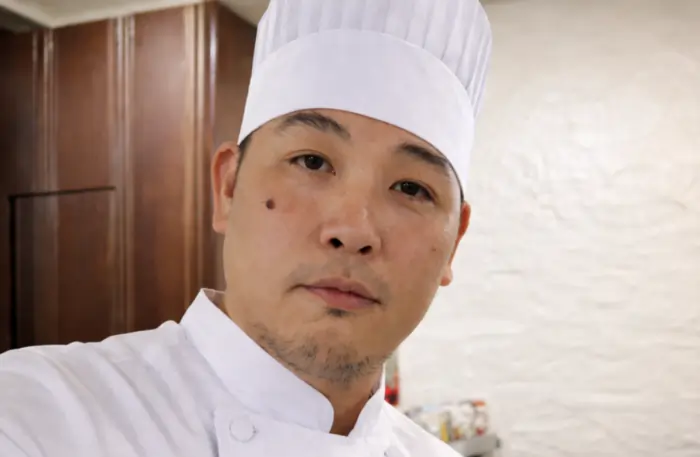
Chef Juan Gadi brings the heart of Filipino hospitality to Ubud, Bali. As an Executive Chef and consultant, he specializes in creating intimate, curated dining experiences that tell a story through every dish. Whether leading the kitchen at Kilig Filipino Warung or hosting a private villa dinner, Chef Juan’s approach is defined by warmth, modern technique, and a commitment to culinary excellence.