Cultural Stories Behind Filipino Cuisine Served in Bali Key Takeaways
Every plate of Filipino cuisine in Bali carries a cultural story of family, resilience, and community.
- Understand how traditional Filipino dishes narrate centuries of trade and colonization.
- Learn why family recipes and storytelling are central to the Filipino culinary heritage
- Discover how Bali Filipino dining experiences create a bridge for cultural exchange and nostalgia.
What Cultural Stories Are Behind Filipino Cuisine Served in Bali?
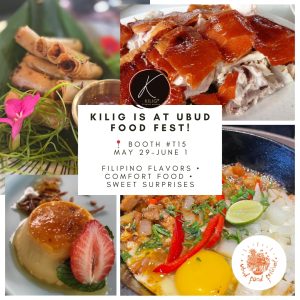
The answer lies not in a single dish, but in the soulful narrative woven into every meal. When I first opened Kilig in Ubud, I quickly realized that diners were not just hungry for authentic flavors—they were starved for meaning. A bowl of arroz caldo, for instance, tells the story of Chinese traders who brought congee to the archipelago, yet the Filipino addition of chicken, ginger, and safflower transformed it into a comfort food that now nourishes overseas Filipinos missing home. In Bali, where cultures converge, each spoonful becomes a cultural dining experience that connects the diner to a broader food history of resilience and adaptation.
How Does Filipino Food Reflect the History and Traditions of the Philippines?
Filipino food culture is a living tapestry stitched by Malay, Chinese, Spanish, and American influences. At every Filipino restaurant in Bali, you will find dishes that mirror this layered past. Take adobo, for example: the vinegar and soy sauce braise is a direct legacy of Spanish preservation techniques, yet the use of local ingredients like calamansi and coconut vinegar makes it uniquely Filipino. These heritage recipes are not just meals—they are documents of culinary heritage that reveal how Filipinos have always turned scarcity into abundance. In Bali, serving adobo is an act of heritage preservation, reminding diners that Filipino gastronomy is both ancient and constantly evolving. For a related guide, see The Role of Storytelling in Filipino Culinary Traditions.
The Spanish Influence on Adobo
The Spanish introduced the method of stewing in vinegar to preserve meat in the tropical heat. Over centuries, family recipes evolved to include bay leaves, peppercorns, and soy sauce, creating the rich, savory dish we now call adobo. In Bali, Chef Juan often pairs adobo with a touch of Indonesian kemangi basil, a small cross-cultural exchange that honors both traditions.
Chinese Roots in Pancit and Lumpia
Chinese immigrants brought noodles (pancit) and spring rolls (lumpia) as symbols of long life. Today, pancit is a staple at every Filipino birthday party. In Ubud, pancit canton with pork and vegetables is a favorite order, not just for its taste but for the storytelling it invites—a reminder of the Chinese-Filipino families who built the food traditions we now celebrate.
Why Are Traditional Filipino Recipes Meaningful to Overseas Filipinos?
For overseas Filipinos, food is the quickest bridge back to childhood. I have seen grown adults weep over a plate of sinigang at Kilig. The sour tamarind broth, the tender vegetables, the fish sauce—it all transports them to a grandmother’s kitchen in the provinces. These traditional Filipino dishes carry the weight of ancestral recipes, handed down through generations not in cookbooks but through observation and memory. In Bali, where many Pinoys work in hospitality, these meals are an anchor for Filipino cultural identity through food. They are eaten at shared tables, reinforcing shared meals and Filipino hospitality that says, “You are welcome here.”
How Do Filipino Restaurants in Bali Preserve Cultural Heritage?
Filipino restaurants in Bali serve as cultural embassies. At Kilig, we do not simply cook—we teach. We show guests how to crush ginger for tinola, explain why we prefer muscovado sugar from Negros for desserts, and recount the regional specialties of Bicol (spicy, coconut-rich) versus Ilocos (bagnet, pinakbet). This conscious heritage preservation ensures that authentic Filipino cuisine abroad does not become diluted. By collaborating with Balinese farmers for local ingredients like turmeric and lemongrass, we also create a respectful cross-cultural exchange that elevates both cuisines.
Understanding the Balinese Dining Context
Indonesia and the Philippines share a maritime history, yet their culinary paths diverged. When we serve kare-kare (peanut stew) in Bali, we introduce diners to annatto seeds and bagoong, ingredients that feel familiar but are distinctly Filipino. This is the magic of Bali Filipino dining: it becomes a conversation between two Southeast Asian food cultures, deepening appreciation for both.
What Stories Do Classic Filipino Dishes Tell About Family and Community?
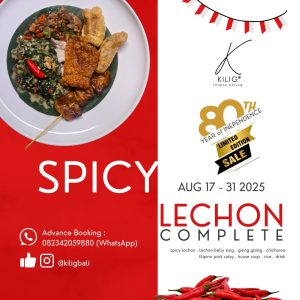
Classic traditional Filipino dishes are rarely eaten alone. The lechon is not just crispy pork—it is the centerpiece of fiestas, a symbol of abundance and community. The comfort food of champorado (chocolate rice porridge) reminds us of rainy mornings when families gathered. In Bali, I often host private villa dinners where the storytelling part of the meal matters as much as the food. I share how sinigang was born from necessity (using sour fruits in lean times) and how it became a symbol of Filipino hospitality. Guests leave not just full, but connected to a cultural identity they may have never known.
How Does Filipino Cuisine Connect Travelers With Philippine Culture?
Food is the most intimate way to experience a culture. For travelers who have never been to the Philippines, dining at an authentic Filipino cuisine abroad restaurant in Bali offers a sensory crash course. The aroma of smoked tinapa, the texture of pusit (squid) stuffed with ground pork, the heat of siling labuyo—each element teaches something about the Filipino culinary heritage. Chef Juan’s curated tasting menus often include a narrative card explaining the dish’s origin. This transforms a meal into a cultural dining experience that tourists remember long after they leave Bali.
Why Is Storytelling an Important Part of Filipino Culinary Traditions?
Storytelling is how ancestral recipes survived colonialism, war, and diaspora. In the Philippines, recipes were never written down; they were lived. My lola (grandmother) would say, “Add enough vinegar so the ancestors approve.” That oral tradition is central to Filipino food culture. In Bali, when I tell guests about the cultural stories behind Filipino food, I am continuing that tradition. Diners are not just eating—they are participating in a centuries-old ritual of heritage preservation. They become part of the food history themselves.
How Do Regional Filipino Dishes Showcase the Country’s Diversity?
The Philippines has over 7,000 islands, each with its own regional specialties. Ilocos is known for bagnet (crispy pork belly) and pinakbet (vegetable stew). The Visayas region treasures kinilaw (raw fish in vinegar). Mindanao offers rich, spicy dishes like kurma with coconut and turmeric. In Bali, Kilig rotates a “Regional Spotlight” menu to showcase this culinary heritage. Guests learn that Filipino cuisine is not monolithic; it is a mosaic of ecosystems, histories, and heritage recipes. This diversity surprises many who assume Filipino food is just adobo and lumpia.
What Role Does Food Play in Preserving Filipino Identity Abroad?
For overseas Filipinos, food is the final frontier of cultural identity. In a globalized world where English dominates and Western norms creep in, the taste of sinigang or the crunch of chicharon grounds us. At Filipino restaurants in Bali, we often see second-generation Pinoys who have never visited the islands but who taste their ancestral recipes for the first time. These meals become a way to reclaim Filipino cultural identity through food. It is a profound act of heritage preservation that ensures food traditions survive across generations and oceans. For a related guide, see How Filipino Food Keeps Cultural Traditions Alive in Bali.
How Do Authentic Filipino Recipes Create Memorable Dining Experiences in Bali?
When you serve an authentic dish in an unfamiliar setting, it creates a moment of discovery. At Kilig, we serve lechon with a Balinese sambal twist, but the family recipes for the stuffing and roasting time are my grandmother’s. The combination surprises and delights. Diners write home about it. This cultural exchange works because the food is honest—it does not pretend to be something it is not. Chef Juan’s private dining experiences offer a tasting journey through the seven traditional Filipino dishes that best narrate our food history, each paired with a story about Filipino hospitality and community.
Why Do Travelers Appreciate Learning the History Behind Filipino Dishes?
In an age of fast food, depth matters. Travelers, especially cultural tourists and food enthusiasts, crave meaning. Knowing that the sourness in sinigang comes from the local ingredient kamias (bilimbi) used by pre-colonial Filipinos adds a layer of storytelling that transforms the meal. Guests appreciate that Filipino cuisine in Bali is not just imported but interpreted with respect. This makes every dinner a cultural dining experience that is educational, emotional, and delicious.
How Does Filipino Cuisine Encourage Cultural Exchange in Bali?
Bali is a global crossroads, and Kilig is a meeting point. Balinese cooks learn Filipino food culture; Filipino chefs adopt Balinese spices. This cross-cultural exchange enriches both cuisines. When we serve a Filipino dessert like halo-halo with local Balinese jackfruit, the dessert becomes a symbol of cultural exchange. Diners from Japan, Australia, and Europe leave with a new appreciation for Southeast Asian cuisine and its shared roots. This cultural exchange is the heart of Bali Filipino dining.
What Ingredients and Cooking Traditions Define Authentic Filipino Food?
Authenticity begins with ingredients. Traditional cooking relies on calamansi, patis (fish sauce), bagoong (shrimp paste), and taba ng talangka (crab fat). In Bali, sourcing these requires intentional partnerships with Filipino importers and local producers. The cooking methods—stewing, grilling over charcoal, and roasting—are equally defining. Authentic Filipino cuisine abroad demands these food traditions because without them, a dish loses its soul. Chef Juan’s kitchen sources local ingredients like Balinese sea salt and turmeric, but never substitutes the cornerstone sauces that define Filipino culinary heritage.
How Do Shared Meals Strengthen Cultural Connections Among Filipinos Overseas?
There is a saying in the Philippines: “Kain tayo” (Let’s eat). It is an invitation to communion. For overseas Filipinos, shared meals are lifelines. In Bali, Sunday lunch at Kilig is a ritual where Pinoy cooks, hotel workers, and travelers sit together. They share comfort food like adobo rice bowls and swap stories of their provinces. This storytelling over food strengthens cultural identity and creates a support network. The meal becomes a celebration of Filipino hospitality that transcends geography.
Why Does Filipino Cuisine Continue to Resonate With Diners From Around the World?
Because it is honest. Filipino gastronomy does not try to be fancy; it tries to be true. The flavors are bold—sour, salty, sweet—and they linger. Cultural dining experiences that tell the cultural stories behind Filipino food resonate because they tap into universal themes: family, home, resilience. In Bali, diners from every corner of the globe find something familiar and something exotic in every dish. They leave with a new appreciation for Filipino food culture and the cultural identity it represents.
Seven Traditional Filipino Dishes That Tell Powerful Cultural Stories
Here are seven traditional Filipino dishes that Chef Juan features at his Bali Filipino dining experiences, each carrying a distinct cultural story:
| Dish | Cultural Story | Key Ingredient |
|---|---|---|
| Adobo | Spanish preservation method meets Filipino resourcefulness | Vinegar, soy sauce, garlic |
| Sinigang | Pre-sour tradition from indigenous fruits | Tamarind, kamias |
| Lechon | Pork fiesta tradition rooted in pre-colonial feasts | Whole pig, lemongrass |
| Pancit | Chinese long-life symbolism adapted by Filipinos | Noodles, vegetables, meat |
| Kare-kare | Peanut stew showing Filipino love for thick savory sauces | Peanut butter, annatto |
| Tinola | Ginger soup born from peasant kitchen | Ginger, chicken, papaya |
| Halo-halo | Filipino creativity mixing ice, fruits, and sweets | Shaved ice, ube, leche flan |
Risks and Safeguards in Sharing Cultural Stories Through Food
One risk in exporting authentic Filipino cuisine abroad is cultural appropriation—when dishes are modified without respect. A safeguard is education. At Kilig, every dish is served with a short oral or written cultural story. Another risk is overseas Filipinos feeling nostalgic pain instead of joy. Chef Juan addresses this by creating a warm, communal dining space where emotions are welcomed. Finally, there is the risk of diluting heritage recipes for commercial appeal. The safeguard is a strict ingredient standard: no substitutes for calamansi, no shortcuts in the cooking process. This ensures heritage preservation is genuine.
Useful Resources
For readers who want to explore more about Filipino culinary heritage and its global presence, these resources offer authoritative insights:
- National Commission for Culture and the Arts (NCCA) – Philippine Food Culture — An official government resource that documents the history and cultural significance of traditional Filipino dishes and food traditions.
- Bali Spirit – Food Culture in Bali — A deep dive into Balinese culinary traditions, helping readers understand the context of cross-cultural exchange with Filipino cuisine in Bali.
Frequently Asked Questions About Cultural Stories Behind Filipino Cuisine Served in Bali
What cultural stories are behind Filipino cuisine served in Bali?
The cultural stories behind Filipino cuisine served in Bali involve narratives of migration, family, and resilience. Dishes like adobo and sinigang carry histories of trade, colonization, and adaptation, which Chef Juan Gadi shares through his curated dining experiences at Kilig in Ubud.
How does Filipino food reflect the history and traditions of the Philippines?
Filipino food reflects history through its layers of influence: Malay, Chinese, Spanish, and American. Each dish represents a fusion of trade, colonialism, and indigenous cooking traditions, making it a living archive of the nation’s past.
Why are traditional Filipino recipes meaningful to overseas Filipinos?
Traditional Filipino recipes are meaningful because they evoke nostalgia and a deep connection to homeland. For overseas Filipinos, eating these dishes in Bali revives memories of family gatherings and heritage recipes passed down through generations.
How do Filipino restaurants in Bali preserve cultural heritage?
Filipino restaurants in Bali preserve cultural heritage by using family recipes, sourcing authentic local ingredients from the Philippines, and educating diners about the cultural stories behind each dish. Kilig Ubud, for example, includes narrative cards and chef talks during meals.
What stories do classic Filipino dishes tell about family and community?
Classic Filipino dishes like lechon and pancit tell stories of abundance and unity. They are central to fiestas and celebrations, symbolizing the shared meals and Filipino hospitality that define family life and community ties.
How does Filipino cuisine connect travelers with Philippine culture?
Filipino cuisine connects travelers to Philippine culture by offering a sensory experience of its food traditions. Tasting traditional dishes like sinigang or kare-kare provides an immediate understanding of Filipino hospitality and culinary heritage.
Why is storytelling an important part of Filipino culinary traditions?
Storytelling preserves ancestral recipes and the cultural identity behind them. In the Philippines, recipes were shared orally, so storytelling ensures that the food history and heritage preservation continue across generations.
How do regional Filipino dishes showcase the country’s diversity?
Regional specialties like Bicol express, Ilocos bagnet, and Visayan kinilaw highlight the diverse local ingredients and cooking methods across the archipelago. This diversity is celebrated at Filipino restaurants in Bali through rotating menu features.
What role does food play in preserving Filipino identity abroad?
Food is a cornerstone of Filipino cultural identity abroad. Authentic Filipino cuisine helps overseas Filipinos maintain a connection to their roots, reinforcing cultural identity through the shared meals and heritage recipes they experience in places like Bali.
How do authentic Filipino recipes create memorable dining experiences in Bali?
Authentic Filipino recipes create memorable experiences by combining traditional cooking methods with local ingredients and storytelling. Chef Juan’s tasting menus at Kilig offer a journey through Filipino gastronomy that leaves diners with a deep cultural connection.
Why do travelers appreciate learning the history behind Filipino dishes?
Travelers appreciate food history because it adds depth to their cultural dining experience. Learning that a dish originated from a specific regional specialty or ancestral recipe enhances appreciation for Filipino food culture and culinary heritage.
How does Filipino cuisine encourage cultural exchange in Bali?
Filipino cuisine encourages cultural exchange by introducing Balinese and international diners to Southeast Asian food culture. The fusion of local ingredients and family recipes fosters a dialogue between traditions, enriching both cuisines.
What ingredients and cooking traditions define authentic Filipino food?
Authentic Filipino food is defined by local ingredients like calamansi, bagoong, and patis, along with cooking traditions such as stewing, grilling, and roasting. These elements form the backbone of Filipino culinary heritage and food traditions.
How do shared meals strengthen cultural connections among Filipinos overseas?
Shared meals strengthen cultural connections by recreating the Filipino hospitality of home. For overseas Filipinos, communal dining at Bali Filipino dining spots like Kilig reinforces bonds and cultural identity through comfort food and storytelling.
Why does Filipino cuisine continue to resonate with diners from around the world?
Filipino cuisine resonates because of its bold flavors and emotional depth. The cultural stories behind Filipino food touch on universal themes of family and home, making cultural dining experiences in Bali appealing to a global audience.
What is the most popular traditional Filipino dish served in Bali?
Adobo is the most popular traditional Filipino dish served in Filipino restaurants in Bali. Its savory, tangy profile appeals to a wide range of palates, and its cultural story of Spanish influence and Filipino adaptation intrigues many diners.
How does Chef Juan Gadi incorporate storytelling at Kilig Ubud?
Chef Juan Gadi incorporates storytelling by personally narrating the history of each dish, sharing his own family recipes, and providing written cards that explain the cultural identity behind the authentic flavors. This transforms dining into an educational journey.
Can I find regional Filipino specialties in Bali?
Yes, at Kilig and other Filipino restaurants in Bali, you can find regional specialties like Ilocos bagnet, Bicol express, and Visayan kinilaw. These dishes are presented with heritage recipes and highlight the diversity of Filipino food culture.
What is the role of local ingredients in Filipino cuisine served in Bali?
Local ingredients play a dual role: they maintain authenticity (calamansi, bagoong) while also incorporating Balinese produce (lemongrass, turmeric) for a cross-cultural exchange. This balance keeps authentic Filipino cuisine abroad both genuine and adaptive.
Why is Bali an ideal location for experiencing Filipino food culture ?
Bali’s diverse, international audience makes it a perfect hub for cultural dining experiences. The island’s openness to Southeast Asian cuisine and its cultural exchange environment allow Filipino food culture to be presented and appreciated in a global context.
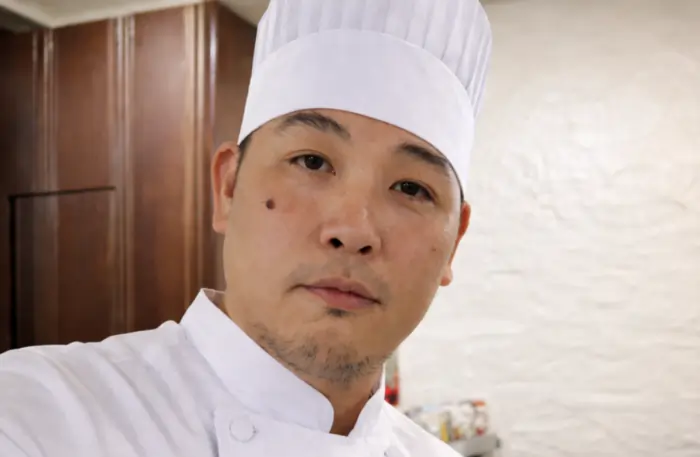
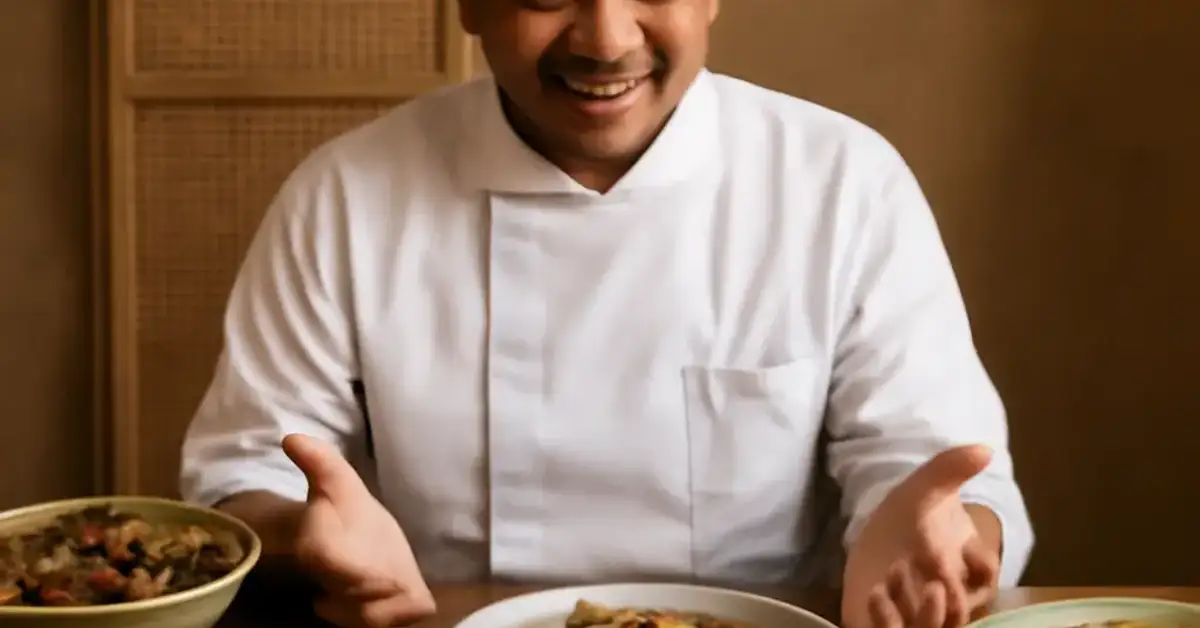
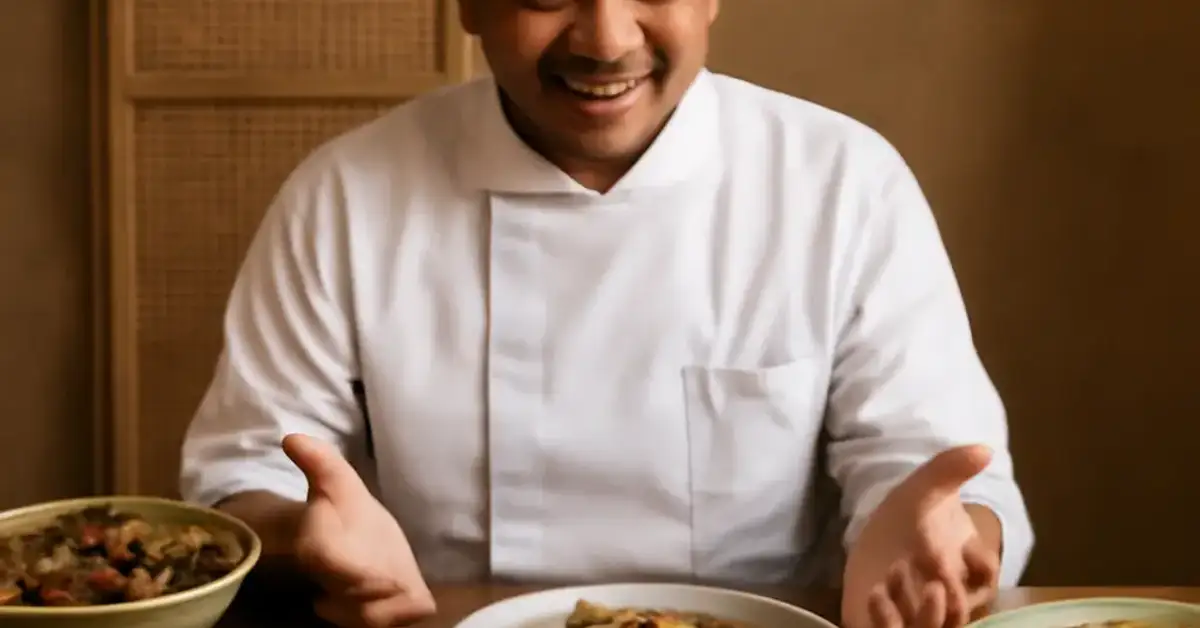
Chef Juan Gadi brings the heart of Filipino hospitality to Ubud, Bali. As an Executive Chef and consultant, he specializes in creating intimate, curated dining experiences that tell a story through every dish. Whether leading the kitchen at Kilig Filipino Warung or hosting a private villa dinner, Chef Juan’s approach is defined by warmth, modern technique, and a commitment to culinary excellence.