Filipino Communities Preserve Food Heritage Key Takeaways
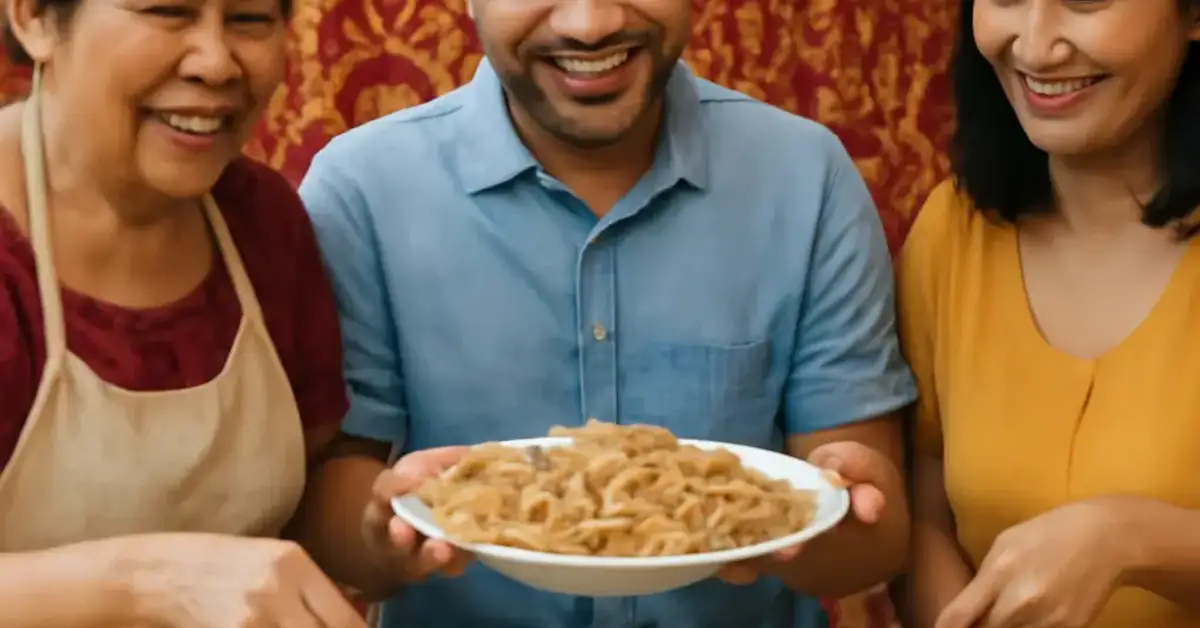
Filipino communities preserve food heritage beyond the Philippines by turning family kitchens, community halls, and restaurant dining rooms into living archives of flavor.
- Filipino Communities Preserve Food Heritage by passing down recipes orally and by hand, adapting ingredients while keeping the soul of the dish intact.
- Community celebrations, church fiestas, and informal kamayan dinners create spaces where traditional Filipino recipes abroad are taught, tasted, and treasured.
- Overseas Filipino restaurateurs and home cooks alike champion authentic Filipino cuisine , sparking cross-cultural curiosity and a renewed sense of pride in the global Filipino community .
What Drives Filipino Communities to Preserve Food Heritage Overseas?
Every time a Filipino mother packs a bottle of homemade patis or a tin of dried tuyo in a balikbayan box, she is shipping more than ingredients—she is shipping home. Filipino food heritage abroad matters because it anchors identity in a foreign landscape. When families gather around a table piled high with lechon belly, pancit, and ube halaya, they are not just eating. They are telling their children: This is who we are.
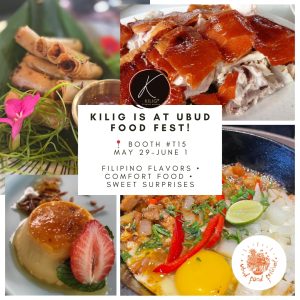
I have seen this firsthand in Ubud, Bali. At Kilig Filipino Warung, diners often arrive with tears in their eyes after tasting sinigang that tastes exactly like their lola’s version. That moment—when memory and flavor collide—is why preserving Filipino culinary traditions is a sacred duty for overseas Filipinos.
How Do Filipino Communities Preserve Food Heritage Beyond the Philippines?
The preservation of heritage happens in gentle, daily rituals. In diaspora kitchens across the Middle East, North America, Europe, and the Asia-Pacific, Filipino communities overseas recreate the tastes of their childhood using local produce without losing the dish’s soul. A sinigang might be made with tamarind pulp flown from Manila or with locally sourced calamansi and green mangoes. The method—the slow simmer, the order of adding vegetables, the balance of sour and salty—remains unchanged.
Beyond the home, community gatherings become living classrooms. Potlucks, fiestas, and church fundraisers in cities like Dubai, Los Angeles, and Singapore are platforms where recipes are shared, techniques are demonstrated, and the next generation watches and learns. Filipino celebrations such as Christmas Noche Buena or Pasko in July feature dishes that have been cooked the same way for decades—proof that heritage cooking thrives in foreign soil.
Oral Tradition and Family Recipe Books
Many Filipino families still pass down recipes by memory. There is no precise measurement—only “one coconut shell of water” or “a pinch of magic.” These heritage recipes are protected by the family who guards them like heirlooms. I learned adobo from my aunt, who learned it from her mother, who learned it from a neighbor in Pampanga. That lineage is precious.
Why Is Filipino Cuisine Important for Overseas Filipino Communities?
Filipino cuisine is more than food—it is home on a plate. For overseas Filipinos, cooking sinigang or kare-kare is a declaration that their identity has not been erased by distance. The aroma of sautéed garlic and onions can soothe homesickness faster than a phone call. When family traditions are carried into foreign kitchens, they create a thread that connects the diaspora back to the archipelago. For a related guide, see Food Connects Filipinos to Cultural Roots: 1 Chef’s Story in Bali.
In my work as a chef in Bali, I see travelers order chicken inasal and immediately light up. They say, “This tastes like Bacolod.” That taste is identity. Authentic Filipino cuisine assures overseas Filipinos that they belong—not just to a country, but to a culinary identity that travels with them.
How Do Traditional Recipes Help Maintain Cultural Identity Abroad?
Traditional recipes are narratives written in vinegar, soy sauce, and palm sugar. When a family cooks dinuguan or relies on the seven-step process for making crispy pata, they are performing a cultural ritual. Each ingredient holds meaning—the sourness of sinigang mirrors Filipino resilience; the sharing of a single platter of grilled meat reflects Filipino hospitality.
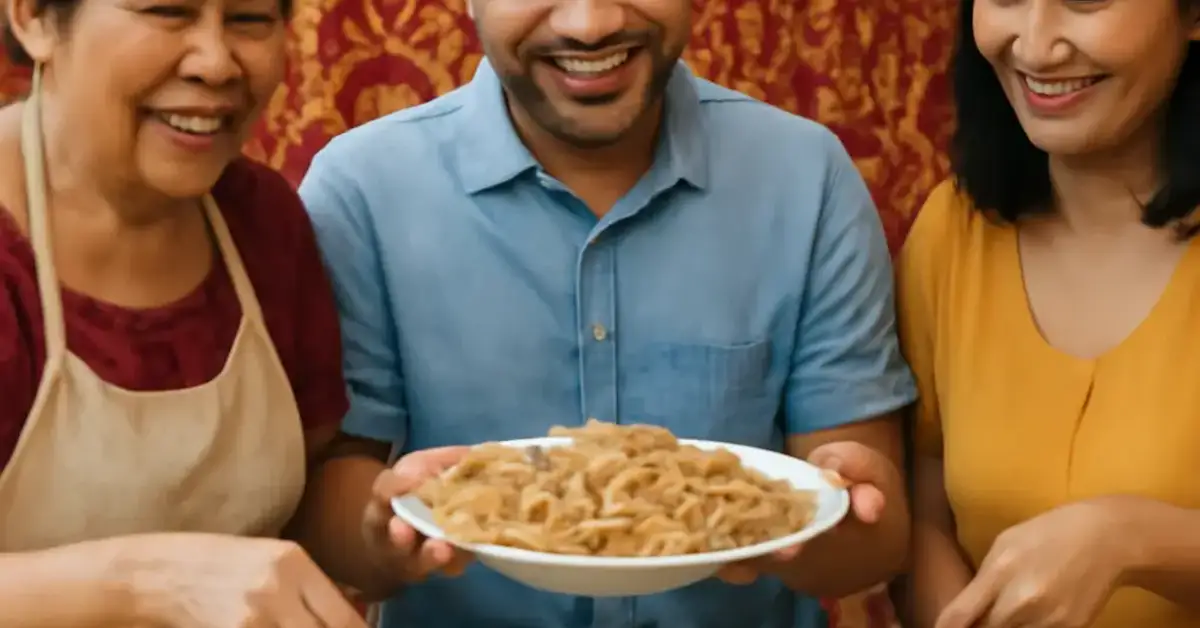
Cultural preservation through food is especially vital for second-generation children who might only speak English. A grandmother teaching her granddaughter to wrap lumpia is also teaching patience, precision, and the value of shared meals. These moments cement Filipino food identity in young hearts.
What Role Do Filipino Restaurants Play in Preserving Culinary Heritage?
Filipino restaurants overseas are not just businesses—they are embassies of flavor. A well-curated menu introduces regional specialties like Bicol Express, Cebu lechon, or Ilocos bagnet to locals and tourists. Diners who have never been to the Philippines experience authentic flavors through every bowl and plate. I have seen French tourists in Ubud fall in love with sinigang after a single spoonful.
These restaurants also serve as gathering spots for diaspora communities to celebrate milestones. Birthdays, anniversaries, and even fiestas are held in these spaces. Owners often source traditional Filipino recipes directly from their own families, ensuring each dish carries the weight of memory. Cross cultural exchange happens naturally here—local diners learn about Filipino cultural heritage while savoring dishes like chicken adobo and lumpia.
Innovation Without Erasure
Preserving heritage does not mean refusing innovation. I enjoy creating dishes that respect tradition while using local Balinese ingredients—like using kencur instead of ginger in a chicken soup. The key is intention. Authentic Filipino cuisine adapts when done with respect for the original dish.
How Do Filipino Families Pass Down Recipes Across Generations While Living Overseas?
The process is intimate and hands-on. Filipino families often gather for weekly Sunday lunches where grandparents cook and grandchildren assist. This is the primary classroom for heritage cooking. Today, video calls have extended that classroom. An OFW mother in Hong Kong might video-call her daughter in Manila while teaching her to make arroz caldo.
I often tell young chefs: learn your family’s version first. Traditional recipes abroad can be tweaked later, but the baseline must be honored. Home cooking is the original library of Filipino culinary legacy.
Why Do Shared Meals Strengthen Filipino Communities Abroad?
Shared meals are the hearth of the global Filipino community. When community gatherings center around food, barriers fall. In Bali, I host kamayan dinners where strangers sit side by side and eat with their hands. By the end of the meal, they have become friends. Filipino hospitality encourages feeding people until they feel loved. That warmth strengthens bonds across the diaspora.
These gatherings reinforce Filipino food culture. They remind everyone that food is not a transaction—it is a celebration of family traditions and authentic flavors.
How Does Food Help Overseas Filipinos Stay Connected to Their Roots?
Food is a sensory time machine. The scent of sinangag (garlic fried rice) can conjure the memory of a Manila morning. Comfort food like champorado and tuyo brings back childhood afternoons. For overseas Filipinos, cooking these dishes is an act of re-rooting. The kitchen becomes a sanctuary where cultural preservation happens one meal at a time.
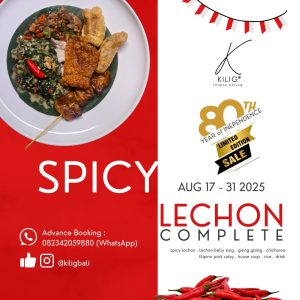
I have met Filipinos in Bali who travel to the island specifically for Kilig’s crispy pata. They tell me it tastes exactly like the one their father made every Sunday. That connection—between a plate of food and a father’s love—is the essence of Filipino food identity preserved abroad.
What Challenges Do Filipino Communities Face in Preserving Authentic Recipes?
Several obstacles threaten preserving Filipino culinary traditions. Ingredient availability is the most common. Tamarind, fresh kalamunggay leaves, and native vinegar are hard to find in many countries. Overseas Filipino cuisine must adapt to what is locally available, which can dilute the original taste if done carelessly.
Another challenge is the fast-food mentality. Busy schedules mean shortcuts. Authentic Filipino cuisine often requires patience—slow braising, hand-pounding, or hours of simmering. Without the time to cook, the recipes risk being simplified into oblivion. Diaspora communities must actively choose to prioritize heritage cooking despite the pace of modern life.
How Do Younger Generations Learn Traditional Filipino Cooking Outside the Philippines?
The younger generation learns through immersion and curiosity. Many are inspired by Filipino restaurants overseas that present regional specialties in fresh ways. Social media also plays a role. TikTok and YouTube are full of traditional recipes abroad taught by grandmothers and young influencers alike. Filipino food culture is being shared with the world, byte by byte.
I encourage young chefs to participate in community gatherings and Filipino celebrations. Cooking alongside elders is irreplaceable. The knowledge they gain becomes part of the Filipino culinary legacy they will carry forward.
Why Are Filipino Food Traditions Valued in Multicultural Communities?
Filipino food traditions resonate because they are communal, generous, and bold. In a multicultural neighborhood, a lechon party or a kakanin display is an invitation to cultural exchange. Neighbors from India, Indonesia, or Italy try authentic Filipino cuisine and discover flavors that are both unfamiliar and welcoming. Filipino hospitality is disarming. It builds bridges.
In Bali, I see this daily. Diners from Japan, Australia, and Germany sit at the same table and enjoy shared meals that celebrate the global Filipino community. The comfort food of one culture becomes the delight of many.
How Does Filipino Hospitality Influence Food Culture Abroad?
Filipino hospitality is legendary. It demands that no guest leaves hungry. This value influences every aspect of Filipino food culture abroad. Portions are generous. Extra rice is offered without asking. The host will insist you take home leftovers. This openness creates a welcoming atmosphere that encourages cross cultural exchange.
When I host private dinners in Ubud, I always ensure every guest leaves with a small jar of homemade atchara or ube jam. That small gesture is Filipino food identity—sharing what we love so others can love it too.
What Role Do Cultural Celebrations Play in Preserving Filipino Cuisine?
Filipino celebrations are the heartbeat of cultural preservation. From Sinulog fiestas to Pasko gatherings, each event features specific dishes that have been cooked for generations. Lechon for birthdays, pancit for long life, bibingka during Christmas. These rituals ensure the traditional recipes are not forgotten.
Overseas, these celebrations are even more intentional. Without the context of the Philippines, Filipino communities overseas create new traditions—like a block-wide kamayan in a Dubai park—that preserve the essence while adapting the setting. Community gatherings around food keep Filipino cuisine alive, vibrant, and relevant. For a related guide, see How Overseas Filipinos Keep Food Traditions Alive.
How Does Filipino Food Encourage Cultural Exchange in Different Countries?
Filipino food is a conversation starter. Its bold flavors—sour, salty, sweet—invite curiosity. When a non-Filipino tries adobo for the first time and asks about its history, an exchange begins. Filipino restaurants overseas serve as cultural ambassadors. They introduce regional specialties like sisig, dinakdakan, and pochero to an international audience.
In my experience, feeding someone is the quickest way to share culture. At Kilig, Filipino hospitality pairs with Balinese warmth to create an environment where cultural exchange happens effortlessly. Diners leave with a smile and a new appreciation for authentic flavors from the Philippines.
Why Do Authentic Filipino Dishes Continue to Attract International Diners?
Authentic Filipino dishes attract international diners because they deliver a genuine sensory experience. The crunch of lechon skin, the tang of sinigang on a rainy day, the sweetness of ube halaya—these are universal pleasures. Filipino cuisine offers something distinct in a world full of culinary sameness. It is honest food, made with family traditions and authentic flavors that need no translation.
International diners are increasingly seeking heritage cooking that tells a story. Filipino communities preserve food heritage by sharing these stories through every plate. The Filipino culinary legacy is not just for Filipinos—it is a gift to the world.
How Will Filipino Communities Continue Protecting Their Culinary Heritage for Future Generations?
The protection of Filipino culinary heritage will rely on intentionality and innovation. Filipino communities overseas are already creating digital archives—Instagram accounts dedicated to family recipes, YouTube channels that document heritage cooking, and even community gatherings that include a “recipe exchange” portion. These efforts ensure that traditional Filipino recipes abroad survive even as the older generation passes on.
As chefs, we have a responsibility to train the next generation. I mentor young cooks who want to open Filipino restaurants overseas. I teach them that cultural preservation is not about being rigid—it is about maintaining the soul of the dish while allowing it to breathe in a new place. The global Filipino community is a net that holds every story, every flavor, and every memory.
The future is bright. With every bowl of sinigang served in a foreign city, every child who learns to cook their grandmother’s adobo, and every international diner who falls in love with authentic Filipino cuisine, the Filipino culinary legacy grows stronger.
Useful Resources
- Feast Magazine — Filipino Food Heritage Abroad: How the Diaspora Keeps Tradition Alive
- Culture Trip — The Filipino Culinary Traditions That Travel the World
Frequently Asked Questions About Filipino Communities Preserve Food Heritage
How do Filipino communities preserve food heritage beyond the Philippines?
They preserve it by passing down recipes through generations, hosting community gatherings centered on traditional dishes, and opening Filipino restaurants that showcase authentic cuisine adapted with local ingredients.
Why is Filipino cuisine important for overseas Filipino communities?
Filipino cuisine is a powerful anchor of identity and comfort; it helps overseas Filipinos feel connected to their homeland and preserves cultural memory through taste and ritual.
How do traditional recipes help maintain cultural identity abroad?
Traditional recipes are living documents of cultural values. Cooking them abroad reinforces identity for adults and teaches children about their heritage in a tangible, sensory way.
What role do Filipino restaurants play in preserving culinary heritage?
Filipino restaurants act as cultural embassies that introduce authentic dishes to international diners while serving as community hubs where overseas Filipinos gather to celebrate shared traditions.
How do Filipino families pass down recipes across generations while living overseas?
Families pass down recipes through hands-on cooking sessions, video calls with elders, and the preservation of handwritten or digital recipe books that capture the essence of each dish.
Why do shared meals strengthen Filipino communities abroad?
Shared meals create bonds through the communal act of eating; they reinforce Filipino hospitality, build trust among community members, and ensure that traditions are celebrated collectively.
How does food help overseas Filipinos stay connected to their roots?
Food triggers powerful memory and emotion; cooking and eating traditional dishes abroad allows overseas Filipinos to recreate their homeland experience and maintain a sense of belonging.
What challenges do Filipino communities face in preserving authentic recipes?
Challenges include limited access to native ingredients, time constraints from busy lifestyles, and the dilution of techniques when shortcuts are taken to adapt to local environments.
How do younger generations learn traditional Filipino cooking outside the Philippines?
They learn through family cooking sessions, online tutorials from Filipino chefs and grandmothers, and participation in community events that showcase heritage dishes.
Why are Filipino food traditions valued in multicultural communities?
They are valued because they offer unique, generous, and communal dining experiences that invite cross-cultural curiosity and appreciation for bold, honest flavors.
How does Filipino hospitality influence food culture abroad?
Filipino hospitality ensures that food is served abundantly and with warmth; this creates an inviting atmosphere that encourages sharing and builds community across cultural lines.
What role do cultural celebrations play in preserving Filipino cuisine?
Cultural celebrations are the moments when traditional dishes are prepared with the most care and intention; they pass on the cuisine to younger generations and reinforce community identity.
How does Filipino food encourage cultural exchange in different countries?
Filipino food acts as a conversation starter; its unique flavors intrigue international diners, leading to deeper discussions about Filipino history, values, and hospitality.
Why do authentic Filipino dishes continue to attract international diners?
They attract diners because they deliver a genuine, sensory experience—bold, umami-rich flavors—that stands out in a global culinary landscape seeking authenticity and story.
How will Filipino communities continue protecting their culinary heritage for future generations?
Through digital archiving of recipes, mentorship programs in Filipino restaurants, and intentional community events that prioritize heritage cooking, the culinary legacy will survive and thrive.
What is the most popular Filipino dish preserved abroad?
Adobo is the most iconic; its simple yet flavorful recipe is adapted by families worldwide while maintaining the core balance of vinegar, soy sauce, garlic, and pepper.
How do overseas Filipinos source authentic ingredients?
They use Asian grocery stores, online specialty shops, and balikbayan boxes from relatives; some also grow native herbs and vegetables in home gardens.
What is a kamayan feast and why is it important?
Kamayan is a communal dining style where food is eaten with hands from banana leaves; it is important because it intensifies the sensory connection to food and reinforces communal bonds.
How do Filipino chefs abroad balance authenticity with local ingredients?
They honor the original technique and flavor profile while substituting missing ingredients with locally sourced alternatives that respect the dish’s core character—such as using local limes for calamansi.
Can non-Filipinos help preserve Filipino food heritage?
Yes, by supporting Filipino-owned restaurants, sharing their positive experiences, learning about the culture behind the dishes, and cooking Filipino recipes at home with respect and curiosity.
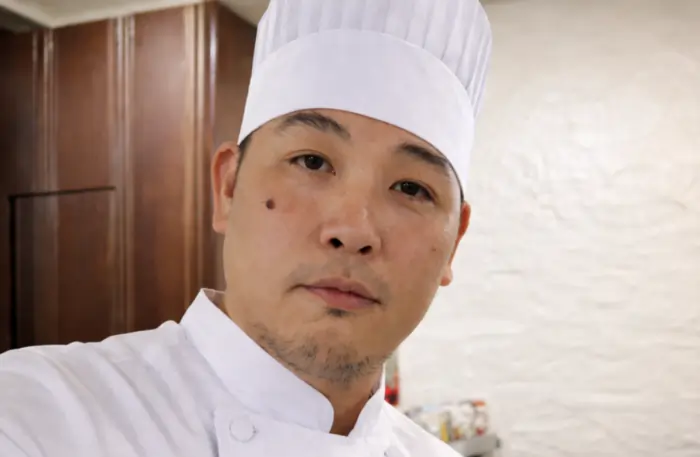
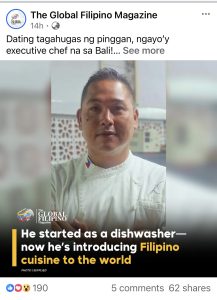
Chef Juan Gadi brings the heart of Filipino hospitality to Ubud, Bali. As an Executive Chef and consultant, he specializes in creating intimate, curated dining experiences that tell a story through every dish. Whether leading the kitchen at Kilig Filipino Warung or hosting a private villa dinner, Chef Juan’s approach is defined by warmth, modern technique, and a commitment to culinary excellence.