Why Filipino Culinary Heritage Resonates Key Takeaways
Why Filipino culinary heritage resonates with travelers goes beyond taste—it’s about a deep sense of belonging.
- Filipino food is a gateway to cultural identity , offering stories of migration, community, and resilience through every traditional recipe .
- Regional specialties like Bicol Express, Ilocos longganisa, and Cebu lechon showcase the diversity of Southeast Asian flavors and local ingredients .
- Authentic dining experiences —from street food tours to home-cooked meals—are transforming food tourism in the Philippines and beyond.
What Makes Filipino Culinary Heritage So Captivating?
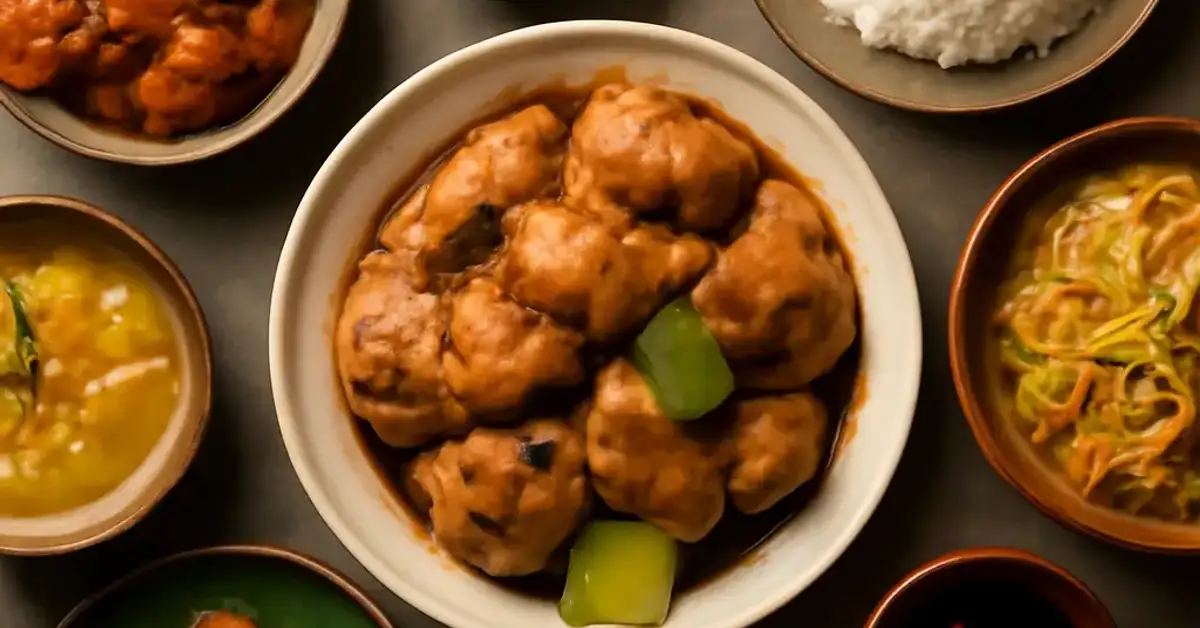
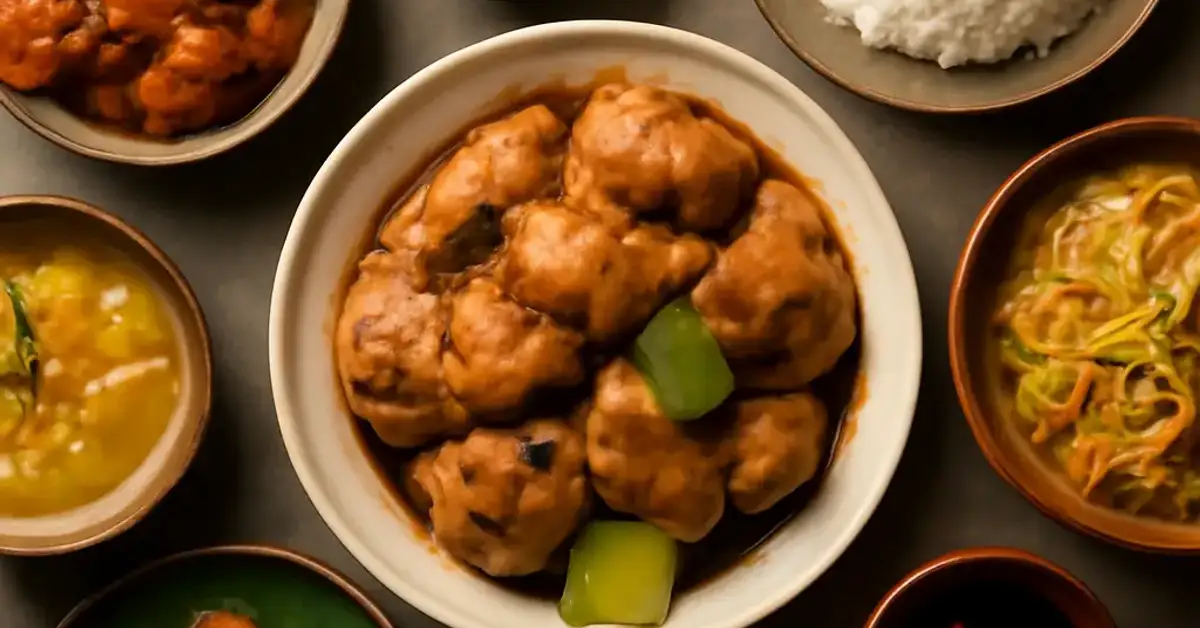
On a humid evening in Manila, a traveler took her first bite of chicken adobo—tender meat simmered in soy sauce, vinegar, garlic, and black pepper. She didn’t just taste salt and sour; she tasted generations of adaptation, of families cooking with whatever was available, of meals that welcomed strangers as family. That moment is why Filipino culinary heritage resonates so deeply with international visitors. It’s not just food—it’s an invitation into the cultural identity and warmth of the Filipino people.
Filipino cuisine has long been an under-the-radar gem in the world of international dining. But today, thanks to rising food tourism and a growing appreciation for authentic flavors, dishes like sinigang, kare-kare, and lechon are finally taking center stage. This article explores the emotional and cultural layers behind every plate, and why travelers leave with more than a full stomach.
The Heart of Filipino Hospitality
Ask any Filipino what defines their culture, and they’ll likely mention Filipino hospitality. It’s the spontaneous invitation to eat, the insistence that guests take the last piece of meat, and the joy of cooking comfort food for loved ones. This warmth turns every meal into a shared meal that breaks down barriers and creates connection.
Why Visitors Feel Instantly Welcome
International travelers often remark that Filipino hosts treat them like family. When you sit down to a table of traditional recipes, you’re not just eating—you’re participating in community traditions that have been passed down for generations. The food storytelling that accompanies each dish—grandmother’s technique for lumpia, a hometown rivalry over the best sinigang—adds a layer of intimacy that makes the experience unforgettable. For a related guide, see 7 Powerful Ways Storytelling Lives On Through Filipino Food in Bali.
A Journey Through Regional Specialties
The Philippines is an archipelago of over 7,000 islands, and each region brings its own twist to Filipino cuisine. From the coconut-rich dishes of Bicol to the vinegar-based stews of the north, regional specialties reveal how geography and history shape flavor.
Here’s a quick look at some iconic dishes that highlight this diversity:
| Region | Dish | Key Ingredient | Flavor Profile |
|---|---|---|---|
| Bicol | Bicol Express | Coconut milk, chili | Creamy, spicy |
| Ilocos | Ilocos Longganisa | Garlic, vinegar | Tangy, savory |
| Cebu | Lechon | Whole roasted pig, lemongrass | Crispy, aromatic |
| Pampanga | Sisig | Pork face, calamansi | Citrusy, sizzling |
| Iloilo | La Paz Batchoy | Beef broth, pork offal | Rich, hearty |
Each dish is a story of heritage cooking—using local ingredients like coconut, calamansi, and native vinegar in ways that reflect centuries of cultural exchange with Chinese, Spanish, Malay, and American influences.
How Heritage Cooking Tells a Story
Food is perhaps the most delicious way to understand a culture. In the Philippines, heritage cooking is deeply tied to family traditions and the rhythms of daily life. A pot of sinigang, for example, is often made on rainy days to warm the soul. Lechon is reserved for celebrations, its crispy skin a symbol of abundance and joy.
Food storytelling is alive in every generation. Grandmothers teach their grandchildren how to pound garlic, how to balance sour and salty, and why patience matters when rendering pork fat. These moments are not just about cooking—they’re about preserving cultural identity and passing it forward.
For travelers, joining a cooking class or a home-based authentic dining experience becomes more than a lesson—it’s a chance to be part of a living tradition. Many visitors leave the Philippines with new recipes and a deep appreciation for Southeast Asian flavors that feel both exotic and familiar.
Practical Tips for Authentic Filipino Dining Experiences
If you’re planning to explore Filipino cuisine—whether in Manila, Cebu, or a Filipino restaurant abroad—here’s how to make the most of your culinary experiences:
- Seek out carinderias: These small, family-run eateries serve home-style dishes that highlight traditional recipes. Try the adobo, pinakbet, and ginataan.
- Join a food tour: Guides will take you through wet markets and street stalls, explaining the food storytelling behind each bite. It’s one of the best ways to understand regional specialties.
- Attend a kamayan feast: Eating with your hands (kamayan) is a communal experience that emphasizes shared meals and Filipino hospitality. It’s messy, fun, and deeply satisfying.
- Learn a recipe: Take a cooking class where locals teach you how to make dishes using local ingredients. You’ll carry a piece of cultural identity home with you.
- Ask questions: Don’t be shy about asking restaurant owners or home cooks about the origins of a dish. Their food storytelling will enrich your appreciation.
For chefs and hospitality professionals, incorporating Filipino dishes into menus can be a powerful way to offer authentic Filipino dining experiences that stand out in the world of international dining. The Filipino cuisine international appeal lies in its bold, contrasting flavors—salty, sour, sweet, and savory—that surprise and delight the palate.
Useful Resources
To dive deeper into Filipino culinary heritage, check out these trusted sources:
- New York Times: Filipino Food Finally Gets Its Moment — An in-depth look at why Filipino cuisine is gaining global recognition.
- Travel + Leisure: A Guide to Filipino Food for Travelers — A practical guide to what to eat and where to find authentic dining experiences.
Frequently Asked Questions About Filipino Culinary Heritage
Frequently Asked Questions About Why Filipino Culinary Heritage Resonates
Why does Filipino culinary heritage resonate with international visitors?
It resonates because the food is deeply tied to family traditions, Filipino hospitality, and a story of cultural exchange. Travelers feel a sense of belonging when they share meals prepared with love and passed-down techniques. For a related guide, see Food Connects Filipinos to Cultural Roots: 1 Chef’s Story in Bali.
What are the most iconic Filipino dishes for first-time visitors?
Adobo, sinigang, lechon, lumpia, and sisig are great starting points. Each showcases the balance of salty, sour, and savory that defines Filipino cuisine.
Is Filipino food very spicy?
Not generally. While some regional specialties like Bicol Express use chili, most Filipino dishes are mildly spiced and focus on tangy, savory, and sweet flavors.
What makes Filipino cuisine different from other Southeast Asian cuisines?
Filipino cuisine is influenced by Chinese, Spanish, Malay, and American traditions, resulting in unique combinations like sweet spaghetti, adobo (soy and vinegar stew), and desserts made from rice and coconut.
Where can I find authentic Filipino dining experiences abroad?
Major cities like New York, London, Dubai, and Sydney have Filipino restaurants that emphasize authentic flavors. Look for those that source local ingredients from the Philippines.
What is kamayan?
Kamayan is the tradition of eating with your hands, often during a feast where food is spread on banana leaves. It encourages shared meals and a closer connection to the food.
How does Filipino hospitality affect dining experiences?
Filipino hospitality means hosts go out of their way to make guests feel welcome, often offering extra portions and sharing stories behind each dish.
What is the role of food storytelling in Filipino culture?
Food storytelling preserves cultural identity and passes down traditional recipes. Each dish carries family history, regional pride, and memories.
What are some must-try regional specialties when visiting the Philippines?
Bicol Express (Bicol), Ilocos longganisa (Ilocos), Cebu lechon (Cebu), sisig (Pampanga), and La Paz batchoy (Iloilo) are unforgettable.
Is Filipino food suitable for vegetarians?
Yes, many dishes use vegetables, tofu, and coconut milk. Look for pinakbet (vegetable stew), ginataan (vegetables in coconut milk), and ensaladang talong (grilled eggplant salad).
How can I learn to cook Filipino food at home?
Take online cooking classes, watch YouTube channels dedicated to traditional recipes, or buy cookbooks by Filipino chefs. Start with adobo or sinigang.
What local ingredients are essential for Filipino cooking?
Calamansi, patis (fish sauce), bagoong (shrimp paste), coconut milk, and native vinegar are staples that give Filipino dishes their distinct flavor.
How has Filipino cuisine influenced international dining?
Chefs worldwide are incorporating Southeast Asian flavors from the Philippines into their menus, from adobo-glazed pork belly to sinigang-inspired broths.
What is the best way to experience Filipino food as a tourist?
Join a food tourism tour in Manila or Cebu, visit a carinderia, and attend a kamayan feast. Home-based cooking classes also offer authentic dining experiences.
Why is Filipino comfort food so popular among travelers?
Dishes like arroz caldo and champorado are warm, hearty, and remind visitors of home. Comfort food transcends culture, and Filipino versions are especially soulful.
What are some common Filipino desserts?
Halo-halo (shaved ice dessert), leche flan, bibingka (rice cake), and ube halaya (purple yam jam) are beloved desserts made with local ingredients.
How do family traditions influence Filipino cooking?
Family traditions dictate recipes, techniques, and even the time of day certain dishes are made. Cooking together strengthens bonds and preserves heritage cooking.
What is the significance of street food in Filipino culture?
Street food like isaw (grilled chicken intestines), fish balls, and kwek-kwek (deep-fried quail eggs) reflect community traditions and offer an accessible way to enjoy authentic flavors.
Can I find Filipino food in Bali?
Yes, Bali has several Filipino restaurants and pop-ups that serve traditional recipes to a mix of local diners and international visitors, adding to the island’s diverse culinary experiences.
What is the future of Filipino culinary heritage in global food tourism?
As food tourism grows, Filipino food will continue to gain exposure through food festivals, chef collaborations, and social media. Why Filipino culinary heritage resonates will become an even bigger talking point for travelers and culinary professionals alike.
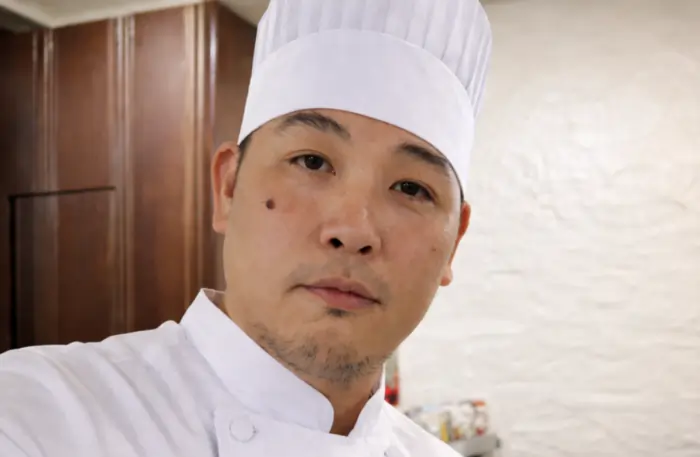
Chef Juan Gadi brings the heart of Filipino hospitality to Ubud, Bali. As an Executive Chef and consultant, he specializes in creating intimate, curated dining experiences that tell a story through every dish. Whether leading the kitchen at Kilig Filipino Warung or hosting a private villa dinner, Chef Juan’s approach is defined by warmth, modern technique, and a commitment to culinary excellence.