
Cultural Influences Behind Filipino Cuisine in Bali Key Takeaways
The cultural influences behind Filipino cuisine in Bali reveal a layered story of Spanish colonization, Chinese trade, Malay heritage, and indigenous cooking methods that converge in every dish.
- Filipino cuisine reflects centuries of cultural exchange , with Spanish, Chinese, Malay, and indigenous traditions blending uniquely.
- Filipino restaurants in Bali like Kilig Filipino Warung preserve authentic Filipino cuisine abroad by using local ingredients while honoring family recipes .
- Filipino hospitality and food storytelling make dining a cross-cultural bridge, attracting overseas Filipinos , tourists, and culinary travelers .

What Readers Should Know About the Cultural Influences Behind Filipino Cuisine in Bali
When I first stepped into the kitchen at Kilig Filipino Warung in Ubud, I realized that Filipino cuisine is not just about food—it is a living archive of history. Every dish carries the mark of Spanish galleons, Chinese junks, Malay seafarers, and indigenous farmers. Here in Bali, where Southeast Asian cuisine thrives, Filipino gastronomy finds a natural home because the islands share tropical ingredients and a deep respect for food traditions.
As an Executive Chef and consultant specializing in intimate dining experiences, I have seen how cultural influences on Filipino cuisine come alive when we cook with local ingredients from Balinese markets. The Filipino flavors in Bali tell a story that connects two archipelagos and invites diners to explore Filipino food culture firsthand. For a related guide, see Food Connects Filipinos to Cultural Roots: 1 Chef’s Story in Bali.
The Spanish Influence: A Colonial Layer That Defines Filipino Food Culture
Spanish influence is perhaps the most visible thread in the cultural influences behind Filipino cuisine in Bali. When I prepare adobo or caldereta for guests at a private villa dinner, I explain that these dishes echo Spain’s colonial presence in the Philippines from the 16th to the 19th centuries. The techniques of braising in vinegar and garlic, the use of tomatoes and olive oil, and the tradition of stews all trace back to Spain.
In Bali, this Spanish influence adapts beautifully. For example, our Kilig version of adobo uses local Bumbu Bali spices alongside traditional soy sauce and vinegar, creating a cross cultural dining experience that feels both familiar and new. Authentic Filipino cuisine abroad does not mean rigid replication; it means honoring the method while respecting the place.
How Spanish Traditions Shaped Filipino Dining Experiences
Filipino dining experiences often mirror Spanish food traditions like the merienda (afternoon snack) and the festive lechon (roasted pig). When I host a Balinese-style kamayan feast—where guests eat with their hands from banana leaves—I see how Filipino cultural identity merges Spanish formality with indigenous warmth. Filipino hospitality, known as “malasakit,” encourages sharing, laughter, and generous portions, all of which resonate deeply with Balinese culture.
Chinese Influence: The Flavor of Trade and Migration
Chinese influence on Filipino cuisine runs deep, from noodle dishes like pancit to dumplings like siopao. Chinese traders arrived in the Philippines long before the Spanish, bringing soy sauce, noodles, and stir-fry techniques. These ingredients became essential for Filipino food culture. In Bali, our pancit uses rice vermicelli and fresh vegetables from Ubud market, proving that traditional recipes can travel and adapt while keeping their soul.
The cultural influences behind Filipino cuisine in Bali become tangible when a diner tastes our lumpia—crispy spring rolls stuffed with local chicken and sayur (Balinese vegetables). This dish represents centuries of cultural exchange between Chinese migrants and Filipino communities, now bridging to Balinese palates.
Why Chinese Ingredients Are Central to Filipino Gastronomy
Filipino gastronomy owes much of its depth to Chinese culinary culinary heritage. Soy sauce, tofu, and mung beans are staples in regional specialties like pansit palabok and chopsuey. In Bali, these ingredients are widely available, making it easier for overseas Filipinos and local chefs to prepare authentic flavors without compromise. The Filipino culinary heritage here is a testament to how migration enriches food traditions across borders.
Malay Heritage and Indigenous Filipino Cooking: The Roots of Southeast Asian Flavors
Malay heritage and indigenous Filipino cooking form the foundation of the cultural influences behind Filipino cuisine in Bali. Before any foreign contact, Filipinos cooked using bamboo tubes, banana leaves, and open fires. Ingredients like coconut, ginger, lemongrass, and turmeric are shared across Southeast Asian cuisine. This commonality makes Bali an ideal stage for Filipino flavors to shine.
When I prepare sinigang—a sour tamarind soup—at Kilig, I use Balinese belimbing wuluh (sour starfruit) instead of imported tamarind. This swap honors the indigenous Filipino cooking principle of using what the land provides. Local ingredients like coconut milk, chili, and fresh seafood allow traditional recipes to feel organic in a new setting.
How Indigenous Techniques Preserve Filipino Culinary Heritage
Filipino culinary heritage relies on techniques passed down through generations: sun-drying fish, fermenting shrimp paste (bagoong), and roasting over charcoal. In Bali, we apply these methods to local catches and produce. Shared meals become an act of food storytelling, as I explain to guests how each technique connects to the cultural identity of the Philippines. Heritage cooking is not static; it evolves with each migration and adaptation.
Filipino Cuisine in Bali: A Hub for Cross-Cultural Dining and Hospitality
Filipino cuisine in Bali thrives because of the island’s international crowd and the warmth of Filipino hospitality. At Kilig Filipino Warung, we often serve tables where Filipino expats sit next to Swedish tourists and Balinese locals. The cross cultural dining atmosphere encourages questions: “What is adobo?” “Why do you eat with your hands?” These conversations reveal the cultural influences behind Filipino cuisine in Bali in real time.
Filipino restaurants in Bali like ours become cultural embassies. We do not just serve authentic Filipino cuisine abroad; we host Filipino dining experiences that include music, stories, and the famous Filipino smile. Overseas Filipinos feel at home, while culinary travelers discover a new world of Southeast Asian cuisine.
Why Family Recipes Matter for Authenticity
Family recipes are the backbone of Filipino culinary heritage. I learned sinigang from my grandmother’s hand-written notebook, and I still refer to it today. In Bali, these traditional recipes are non-negotiable for ensuring authentic flavors even when cooking with local ingredients. Regional specialties like Bicol Express (spicy coconut stew) or Kare-Kare (oxtail in peanut sauce) come alive because the recipes are preserved.
Restaurant owners and chefs who respect these food traditions earn the trust of Filipino travelers and culture seekers. The cultural exchange that happens over a plate of crispy pata is irreplaceable.
Food Storytelling: How Chefs Share Philippine Cultural Identity Through Dishes
Food storytelling is central to Filipino food culture. Every dish has a story—why the vinegar is sour, why the rice is always present, why the meal ends with sweet leche flan. In my private villa dinners, I share these narratives as part of the Filipino dining experiences. Guests do not just eat; they travel through time and geography.
The cultural influences behind Filipino cuisine in Bali become memorable when people understand that adobo was originally a method of preservation, not a recipe. Or that leche flan came from Spain but gained a Filipino identity through the use of condensed milk. These stories strengthen Filipino cultural identity and build bridges between the Philippines and Bali.
How Local Ingredients Complement Traditional Filipino Cooking
Bali’s markets are treasure troves for Filipino gastronomy. I source coconut cream, turmeric, and red chili from Ubud’s traditional pasar. Local ingredients like Balinese long pepper and kemangi (lemon basil) add unexpected depth to traditional recipes. This culinary exchange benefits both cuisines: Filipino flavors in Bali gain freshness, and Balinese cooks learn heritage cooking techniques.
The result is authentic Filipino cuisine abroad that feels rooted in its new home while honoring its origin. Food traditions evolve, and that evolution is beautiful.
Useful Resources
For those interested in deeper exploration of Filipino cuisine and its cultural roots, I recommend the following resources:
- Rappler: The History and Cultural Influences of Filipino Cuisine – A comprehensive article covering Spanish, Chinese, and indigenous contributions to Filipino food culture.
- Food and Wine: The Filipino-Balinese Food Connection – Insights on how Filipino flavors align with Balinese ingredients and dining traditions.
Frequently Asked Questions About Cultural Influences Behind Filipino Cuisine in Bali
What cultural influences shape Filipino cuisine in Bali ?
The cultural influences behind Filipino cuisine in Bali include Spanish colonization, Chinese trade, Malay migration, and indigenous Filipino cooking. Each layer contributes distinct ingredients, techniques, and food traditions that make Filipino cuisine unique.
How do Spanish, Chinese, and indigenous traditions influence Filipino food?
Spanish influence introduced stews, garlic, and vinegar-based cooking. Chinese influence brought noodles, soy sauce, and dumplings. Indigenous Filipino cooking contributed coconut, root vegetables, and bamboo-steaming methods. Together, they form the Filipino culinary heritage.
Why does Filipino cuisine reflect centuries of cultural exchange?
The Philippines’ history as a trade hub and colony brought different cultures into contact. Cultural exchange through migration, trade, and governance shaped Filipino food culture into a layered, diverse cuisine that continues to evolve, especially in places like Bali.
How do Filipino restaurants preserve authentic culinary traditions in Bali?
Filipino restaurants in Bali preserve authentic Filipino cuisine abroad by using family recipes, sourcing local ingredients that mimic Philippine staples, and maintaining heritage cooking techniques. Chefs like Chef Juan Gadi prioritize food traditions over shortcuts. For a related guide, see How Family Recipes Shape Filipino Dining Experiences in Bali.
What makes Filipino cuisine unique among Southeast Asian food cultures?
Filipino gastronomy stands out due to its heavy Spanish, Chinese, and Malay influences combined with indigenous methods. The use of vinegar, soy sauce, and coconut in sour-savory dishes, plus the Filipino hospitality that accompanies shared meals, creates a distinct Southeast Asian cuisine experience.
How do traditional Filipino recipes maintain their authenticity abroad?
Authentic flavors are maintained through adherence to family recipes and regional specialties. Chefs adapt to local ingredients without compromising the soul of the dish. Food storytelling and cultural identity also help preserve meaning.
Why are family recipes important in preserving Filipino culinary heritage ?
Family recipes carry the essence of Filipino culinary heritage. They encode traditional recipes, techniques, and the emotional connection of shared meals. Without them, Filipino food culture risks losing its uniqueness when cooked abroad.
How does Filipino cuisine encourage cultural exchange in Bali?
Filipino cuisine in Bali attracts a diverse crowd of diners who ask questions, share stories, and learn about Philippine history. Cross cultural dining events at Filipino restaurants in Bali like Kilig Filipino Warung foster understanding and connection between Filipinos, Balinese, and international guests.
Which Filipino dishes best represent the country’s diverse cultural influences?
Adobo (Spanish influence), pancit (Chinese influence), sinigang (indigenous souring), and lechon (Spanish-Malay hybrid) are prime examples. These dishes showcase the cultural influences behind Filipino cuisine in Bali and are popular among culinary travelers.
How do local ingredients in Bali complement traditional Filipino cooking?
Local ingredients like Balinese chili, coconut, and starfruit align perfectly with Filipino flavors. They add freshness and terroir to traditional recipes, making authentic Filipino cuisine abroad vibrant and regionally distinct.
Why do international visitors enjoy learning about Filipino food history?
Food storytelling makes Filipino dining experiences educational and memorable. Visitors appreciate understanding why Filipino food culture is so layered. Culinary travelers and culture seekers value the historical context behind each dish.
How does Filipino hospitality enhance the dining experience?
Filipino hospitality emphasizes warmth, generosity, and genuine care for guests. In Bali, this translates to attentive service, family-style shared meals, and a welcoming atmosphere that makes diners feel like part of the family.
What role does storytelling play in Filipino culinary traditions?
Food storytelling is how Filipino food culture passes down knowledge and meaning. In Filipino restaurants in Bali, stories about family recipes, regional specialties, and cultural exchange deepen the appreciation for Filipino culinary heritage.
How does Filipino cuisine strengthen cultural connections between the Philippines and Bali?
Filipino cuisine in Bali acts as a cultural bridge. Shared meals and cross cultural dining events introduce Balinese and international guests to Filipino cultural identity, while overseas Filipinos reconnect with their roots through authentic flavors.
Why does Filipino cuisine continue attracting travelers seeking authentic cultural experiences?
Filipino gastronomy offers a unique blend of Southeast Asian cuisine, Spanish influence, and indigenous roots that cannot be found elsewhere. The Filipino hospitality and food storytelling create a deeply personal Filipino dining experience that cultural travelers crave.
What is adobo and why is it important to Filipino food culture ?
Adobo is a method of braising meat in vinegar, soy sauce, garlic, and spices. It represents Spanish influence and indigenous Filipino cooking. For Filipino cuisine in Bali, adobo is a signature dish that embodies Filipino culinary heritage.
Are there halal options in Filipino restaurants in Bali ?
Many Filipino restaurants in Bali, including Kilig Filipino Warung, offer halal-friendly dishes by using halal-certified meats and avoiding pork in certain menu items. Filipino food culture is adaptable to dietary needs while preserving authentic flavors.
How do I find the best Filipino dining experiences in Bali?
Look for Filipino restaurants in Bali that prioritize family recipes and use local ingredients. Read reviews from overseas Filipinos and culinary travelers. Private villa dinners and chef-led events offer intimate Filipino dining experiences with food storytelling.
What is kamayan and how does it reflect Filipino food traditions ?
Kamayan is a communal feast where diners eat with their hands from banana leaves. It reflects Filipino food traditions of shared meals and Filipino hospitality. In Bali, kamayan dinners are popular cross cultural dining events that encourage interaction.
How can I learn to cook Filipino dishes at home in Bali?
Join cooking classes offered by Filipino restaurants in Bali, follow food storytelling sessions by chefs like Chef Juan Gadi, or use online resources that focus on cultural influences on Filipino cuisine. Start with traditional recipes that use local ingredients from Balinese markets.
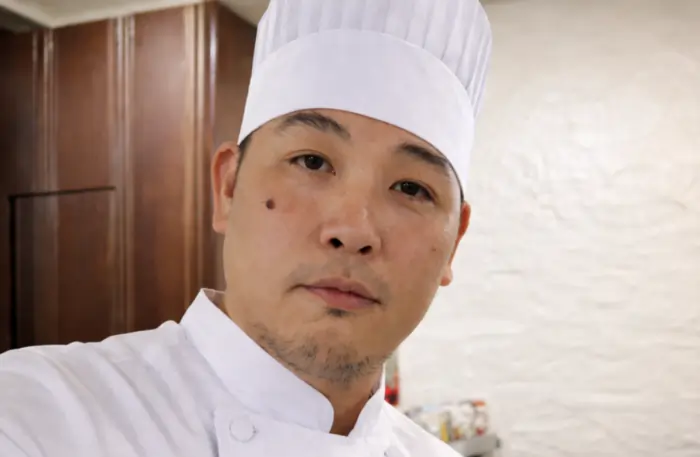
Chef Juan Gadi brings the heart of Filipino hospitality to Ubud, Bali. As an Executive Chef and consultant, he specializes in creating intimate, curated dining experiences that tell a story through every dish. Whether leading the kitchen at Kilig Filipino Warung or hosting a private villa dinner, Chef Juan’s approach is defined by warmth, modern technique, and a commitment to culinary excellence.