Why Filipino Food Reflects Centuries Key Takeaways
When a traveler in Ubud sits down to a bowl of authentic Filipino cuisine like Kilig’s slow-braised pork adobo or a bright, tangy sinigang, they are tasting a history that spans five centuries.
- Why Filipino Food Reflects Centuries of cultural exchange through its unique blend of sour, salty, sweet, and savory flavors.
- Indigenous, Malay, Chinese, Spanish, Mexican, and American influences each left a distinct mark on Filipino cuisine history .
- Traditional recipes and regional specialties continue to preserve this rich culinary identity for modern diners.
What Readers Should Know About Why Filipino Food Reflects Centuries
When a traveler in Ubud sits down to a bowl of authentic Filipino cuisine like Kilig’s slow-braised pork adobo or a bright, tangy sinigang, they are tasting a history that spans five centuries. Why Filipino food reflects centuries of Asian and Western influences is more than an academic question—it is the key to understanding the Filipino people. Every dish is a map of voyages, migrations, and trade routes that shaped the archipelago. As an executive chef working in Bali, I see this story resonate deeply with culinary travelers who crave not just a meal, but a narrative.
This article breaks down the major influences—indigenous, Malay, Chinese, Spanish, Mexican, and American—and how each layer contributes to the distinct culinary identity of the Philippines. Whether you are a chef looking for inspiration, a history lover, or an overseas Filipino reconnecting with your roots, understanding Filipino food influences will deepen your appreciation for every dish.
The Indigenous Roots: The Foundation of Filipino Culinary Heritage
Before any foreign ship reached Philippine shores, indigenous Filipino cuisine already had a sophisticated system of cooking using bamboo tubes, banana leaves, and earthen pots. The core principles—souring, salting, and fermenting—were born from the tropical climate. These are the roots of the Filipino culinary heritage that remain vital today.
How Did Indigenous Traditions Shape Filipino Cuisine?
Indigenous communities utilized local ingredients such as coconut, root vegetables (camote, ube, gabi), seafood, and native herbs. Cooking methods like kinilaw (a vinegar and citrus “cooking” of raw fish) and inihaw (grilling over live coals) are direct links to this heritage cooking tradition. These techniques required no special equipment—just nature and ingenuity. The answer to how indigenous traditions shaped the cuisine lies in the foundational techniques still used in every Filipino kitchen: souring with tamarind or calamansi, and slow-cooking in vinegar to preserve food without refrigeration.
Key Indigenous Ingredients Still in Use
- Coconut: Grated, milked, and toasted for curries and desserts.
- Bagoong: Fermented shrimp or fish paste, a umami powerhouse.
- Luya (ginger): Used for flavor and medicinal properties.
- Sitaw, ampalaya, malunggay: Native vegetables central to traditional recipes.
Malay Heritage: The Shared Soul of Southeast Asian Flavors
The migration of Austronesian peoples brought a Malay heritage that forms the linguistic and culinary bedrock of the Philippines. Southeast Asian flavors such as the use of lemongrass, galangal, and turmeric are not unique to Thailand or Indonesia—they are also deeply woven into Filipino culinary traditions, albeit in more subtle ways.
Why Is Malay Heritage Important in Filipino Culinary History?
The Malay influence is best seen in dishes like tinola (a ginger-based chicken soup), paksiw (vinegar-braised fish or meat), and laing (taro leaves cooked in coconut milk). These dishes share a cultural exchange across the region but have adapted to local ingredients. The importance of Malay heritage is that it connected the Philippines to a larger Southeast Asian cuisine network, exchanging not only trade goods but food traditions. It is why Filipino adobo shares a family resemblance to Malay rendang—both rely on slow cooking in coconut milk and spices to tenderize and preserve meat.
Chinese Influences: Traders Who Transformed the Kitchen
Long before the Spanish arrived, Chinese traders were regular visitors to Philippine shores. They brought noodles, soy sauce, and stir-frying techniques that became essential to Filipino cuisine history. This is a major pillar in why Filipino food reflects centuries of Asian and Western influences.
How Did Chinese Traders Influence Traditional Filipino Dishes?
Chinese influence is most obvious in iconic dishes like pancit (noodles), lumpia (spring rolls), and siopao (steamed buns). The use of soy sauce as a base for adobo is a direct Chinese contribution. The practice of stir-frying in a wok (known locally as kawali) became a standard technique. Filipino family recipes for pancit are passed down through generations, and the dish is considered a symbol of long life and good health. Chinese merchants also introduced new ingredients like tofu, mung beans, and certain types of seafood that enriched the local culinary identity.
A Table of Key Chinese Contributions
| Chinese Element | Filipino Adaptation | Famous Dish |
|---|---|---|
| Noodles (misua, bihon) | Stir-fried with vegetables and meat | Pancit Bihon |
| Soy Sauce (toyo) | Salty base for braised dishes | Adobo |
| Lumpia wrappers | Deep-fried spring rolls | Lumpiang Shanghai |
| Steaming techniques | Steamed rice cakes and buns | Siopao, Puto |
Spanish Colonial Influence: Layers of Flavor and History
The Spanish colonial influence, lasting over 300 years, is perhaps the most visible layer of Asian and Western influences on Filipino cuisine. The Spanish brought Christianity, new agricultural methods, and a palate for rich stews, cured meats, and elaborate feasts. Filipino cuisine history would be incomplete without acknowledging this deep impact.
What Impact Did Spanish Rule Have on Filipino Food Culture?
The introduction of olive oil, tomatoes, garlic, onions, and cheese transformed the local diet. Dishes like mechado, caldereta, and afritada are clearly descendants of Spanish stews. The practice of celebrating fiestas with enormous buffets of lechón (roasted whole pig) and embutido (meatloaf) shows how Spanish influence on Filipino food went beyond ingredients—it created a culture of communal feasting. However, Filipinos adapted these dishes with local souring agents (calamansi, vinegar) and a preference for sweeter profiles, making them unique. This is a key part of Filipino food evolution.
Spanish Legacy in the Kitchen
- Lechón: The ultimate festive dish, a legacy of Spanish roasting.
- Relleno: Stuffed chicken or fish, a technique learned from Spanish convents.
- Desserts: Flan, leche flan, and bizcocho show a clear Western influence.
- Merienda: The concept of afternoon snacks, a Spanish tradition embraced fully in the Philippines.
Mexican Influence: The Galleon Trade’s Culinary Gift
The Mexican influence on Filipino cuisine is often overlooked but deeply significant. Through the Manila-Acapulco Galleon Trade (1565–1815), ingredients and dishes crossed the Pacific. This cross-cultural cuisine exchange enriched both sides of the ocean.
What Role Did Mexican Trade Play in the Development of Filipino Cuisine?
Mexican traders and settlers brought chili peppers, corn, tomatoes, avocados, and the technique of making tamales (which became Filipino tamales, often wrapped in banana leaves). The Filipino champorado (chocolate rice porridge) has roots in Mexican champurrado. The practice of using annatto (atsuete) for color and flavor also came from Mexico. This period shows how Filipino gastronomy was never isolated—it was constantly absorbing and reinventing global influences.
American Influence: Modernization and Fast Food Habits
The American influence changed how Filipinos eat on a daily basis. The introduction of canned goods, refrigeration, and American-style meals created a new Filipino food culture that is both beloved and debated.
How Did American Influences Change Filipino Eating Habits?
The Americans introduced processed ingredients like canned corned beef, spam, and condensed milk. They popularized breakfast staples such as fried eggs, toast, and coffee, which merged with local dishes to create the iconic silog meal (garlic fried rice + fried egg + meat). Hamburgers, fried chicken, and spaghetti (sweet-style) became part of traditional Filipino recipes adapted for local taste. This is a more recent chapter in Filipino cuisine history but one that shows the ongoing evolution of the cuisine.
Regional Specialties: A Mosaic of Cultural Influences
No discussion of why Filipino food reflects centuries of Asian and Western influences is complete without exploring regional specialties. Each region of the Philippines developed its own interpretation of foreign influences based on local ingredients and history.
How Do Regional Filipino Dishes Showcase Diverse Cultural Influences?
In Ilocos, you find pinakbet (a hearty vegetable stew with bagoong) that shows indigenous and Malay roots. Pampanga is known for sisig (a sizzling pork dish) that has Chinese and American influences in its use of mayonnaise and calamansi. Bicol region’s heavy use of coconut and chili (Bicol Express) shows Malay and Chinese spice trade connections. Visayas islands are famous for lechon (Spanish) and inasal (grilled chicken marinated in vinegar and annatto, showing Malay and Mexican influence). Mindanao’s cuisine, like piyanggang (grilled chicken with burnt coconut) and rendang, shows a stronger Malay and Middle Eastern influence. These regional specialties are living museums of cultural exchange. For a related guide, see Why Filipino Culinary Heritage Resonates: 7 Authentic Flavors That Captivate Visitors.
How Filipino Cuisine Preserves Its Cultural Identity
Despite the heavy layers of foreign influence, why Filipino food reflects centuries of Asian and Western influences without losing its identity is a testament to the resilience of Filipino culinary traditions. The answer lies in the authentic flavors of local ingredients and the unwavering principles of Filipino hospitality.
How Does Filipino Cuisine Preserve Its Cultural Identity Despite Foreign Influences?
Filipino cooks have always applied the principle of pagbabawas at pagdaragdag (subtracting and adding). Foreign ingredients were never simply adopted; they were adapted. A Chinese noodle dish becomes a Filipino pancit by adding calamansi, patis (fish sauce), and native vegetables. A Spanish stew becomes caldereta by adding liver spread and longer cooking. The use of heritage cooking techniques like palayok (clay pot) cooking and kinilaw freshness remain standards. This is how the culinary identity remains distinctly Filipino—it is a creative reclamation of every influence.
Why Filipino Cuisine Is Unique Among Fusion Food Traditions
Many world cuisines have fusion elements, but why Filipino food reflects centuries of Asian and Western influences in a way that feels coherent is what makes it special. It is not fusion for novelty—it is fusion born of necessity and creativity.
What Makes Filipino Cuisine Unique Among the World’s Fusion Food Traditions?
Unlike many fusion cuisines that try to balance two distinct traditions, Filipino food has absorbed and integrated multiple influences over centuries, creating a single, cohesive flavor profile. The use of Southeast Asian flavors (sour, salty) with Spanish colonial influence (rich, savory) and American influence (sweet, processed) results in dishes that are simultaneously familiar and exotic. The unique balance of sweet, sour, salty, and bitter in a single meal is a hallmark. Moreover, the spirit of Filipino hospitality—always offering more food, always sharing—makes every meal a communal experience. This is the soul behind the ingredients.
Chef Juan Gadi’s Perspective: From Balinese Kitchen to Filipino Roots
As an executive chef in Ubud, I often draw from the culinary heritage of my homeland. The question of why Filipino food reflects centuries of Asian and Western influences is something I consider with every dish I create. When I prepare adobo for a private villa dinner in Bali, I use free-range chicken, local local ingredients like Balinese coconut vinegar and native chilies, but keep the soul of the technique intact. The authentic flavors come from understanding history: the vinegar preservation from indigenous and Malay traditions, the soy sauce from Chinese traders, the garlic and bay leaf from the Spanish, and the finishing touch of a bit of sugar—a nod to American influence.
At Kilig Filipino Warung, we serve Lechon Kawali (deep-fried pork belly) with a dipping sauce that combines vinegar, soy sauce, and crushed chili—a perfect example of how Chinese influence on Filipino cuisine and Spanish colonial influence coexist. The dish is Filipino because it carries the spirit of family recipes and food history. It tells the story of the nation’s history on every plate.
Useful Resources
For a deeper dive into the culinary heritage of the Philippines and its history of cultural exchange, the following resources provide excellent scholarly and practical perspectives.
- Philippine Cookbook and History at Project Gutenberg – Explore digitized historical cookbooks and writings that document early Filipino food culture.
- The History of Filipino Cuisine on Filipino-Food.com – A comprehensive overview of how Asian and Western influences on Filipino cuisine have shaped modern dishes.
Frequently Asked Questions About Why Filipino Food Reflects Centuries
Why does Filipino food reflect centuries of Asian and Western influences?
Filipino food reflects centuries of Asian and Western influences because the archipelago was a major trading hub and was colonized by Spain and the United States. Each era introduced new ingredients, techniques, and flavors that local cooks adapted using indigenous methods, creating a unique fusion that tells the story of the nation’s history.
How did indigenous traditions shape Filipino cuisine?
Indigenous traditions established the foundation of Filipino cuisine through the use of local ingredients like coconut, root crops, and seafood. Techniques such as kinilaw (vinegar-cooked raw fish) and inihaw (grilling) are still central to heritage cooking and emphasize fresh, simple, and bold flavors.
What impact did Spanish rule have on Filipino food culture?
Spanish rule introduced key ingredients like olive oil, onions, garlic, tomatoes, and cheese, along with techniques for making stews and cured meats. It also established the tradition of fiestas and large communal meals, which remain a core part of Filipino culinary traditions today.
How did Chinese traders influence traditional Filipino dishes?
Chinese traders introduced soy sauce, noodles, stir-frying techniques, and ingredients like tofu and mung beans. These gave rise to beloved dishes like pancit and lumpia and significantly shaped Filipino cuisine history by adding new dimensions of flavor and texture.
Why is Malay heritage important in Filipino culinary history?
Malay heritage is important because it connects Filipino cuisine to the broader Southeast Asian flavors network. Dishes like tinola and paksiw share roots with Malay cooking, and the use of coconut milk, lemongrass, and souring agents reflects a long history of cultural exchange across the region.
How did American influences change Filipino eating habits?
American influences introduced processed foods like canned corned beef and spaghetti, as well as the concept of eating fried eggs and toast for breakfast. This led to the creation of the silog meal and adapted Western dishes like sweet-style spaghetti, showing a significant but integrated Filipino food evolution.
What role did Mexican trade play in the development of Filipino cuisine?
Through the Manila-Acapulco Galleon Trade, Mexico contributed ingredients like chili peppers, corn, tomatoes, and annatto, as well as techniques for making tamales. This enriched the Filipino gastronomy and created dishes like champorado and local tamales that are beloved today.
How do regional Filipino dishes showcase diverse cultural influences?
Each region of the Philippines developed unique regional specialties based on available ingredients and dominant historical influences. Ilocos shows indigenous and Malay roots, Pampanga blends Chinese and American touches, Bicol emphasizes coconut and chili (Malay/Chinese), and Mindanao reflects stronger Malay and Middle Eastern flavors.
Why is Filipino cuisine considered a fusion of many cultures?
Filipino cuisine is considered a fusion because it systematically absorbed and adapted ingredients and techniques from Asian and Western influences on Filipino cuisine over centuries. Unlike modern fusion cuisine, this integration happened organically through trade, colonization, and daily life, creating a unique culinary identity that is distinctly Filipino.
How have centuries of cultural exchange shaped Filipino cooking techniques?
Centuries of cultural exchange introduced techniques such as stir-frying (Chinese), braising in sauces (Spanish), using processed ingredients (American), and slow-cooking in coconut milk (Malay). These techniques merged with indigenous methods like kinilaw and halabos (steaming in salted water) to create a rich and versatile heritage cooking repertoire.
What ingredients best represent the blend of Asian and Western influences?
Key ingredients include vinegar (indigenous/Chinese), soy sauce (Chinese), coconut milk (Malay), garlic and onions (Spanish), tomatoes (Spanish/Mexican), and canned meats (American). These ingredients appear together in iconic dishes like adobo and caldereta, perfectly embodying the cross-cultural cuisine of the Philippines.
How does Filipino cuisine preserve its cultural identity despite foreign influences?
Filipino cuisine preserves its identity by always laying foreign ingredients over a foundation of indigenous techniques and local tastes. The use of local ingredients like calamansi, patis, and bagoong, combined with the deeply ingrained practice of Filipino hospitality (offering food to guests), ensures that every adapted dish remains authentically Filipino.
Why are traditional Filipino recipes still relevant today?
Traditional recipes remain relevant because they connect modern Filipinos and global diners to the history of the nation. They use local ingredients that are sustainable and culturally significant, and they continue to be the heart of family gatherings, fiestas, and celebrations. Traditional recipes are a living archive of Filipino food culture. For a related guide, see Food Connects Filipinos to Cultural Roots: 1 Chef’s Story in Bali.
How does Filipino food tell the story of the nation’s history?
Every dish in Filipino cuisine contains a narrative. Adobo represents the combination of Chinese soy sauce and indigenous vinegar preservation. Lechon tells the story of Spanish colonial feasts. Pancit traces Chinese trade routes. The history of colonization, trade, and adaptation is cooked directly into the food history of the Philippines.
What makes Filipino cuisine unique among the world’s fusion food traditions?
Filipino cuisine stands out because its fusion is not artificial—it is the result of centuries of genuine cultural osmosis. The flavors are unified by a consistent palate that balances sour, salty, sweet, and bitter in one meal. The philosophy of sharing and hospitality makes every dish a communal experience, and family recipes ensure these traditions are passed down.
What are the most common misconceptions about Filipino food?
A common misconception is that Filipino food is just “adobo and lumpia.” In reality, Filipino culinary traditions are incredibly diverse, with a vast array of regional specialties and influences. Another myth is that it is overly sweet; while some dishes are sweet, the cuisine is defined by a complex balance of flavors.
How can a home cook start exploring authentic Filipino cuisine?
Start with a classic dish like adobo or sinigang. Use local ingredients available in your area (substitute calamansi with lime, if needed). Follow traditional recipes from trusted sources and pay attention to the balance of sour, salty, and sweet. Cooking Filipino is about patience, tasting constantly, and sharing the meal with others.
What is the role of rice in Filipino gastronomy?
Rice is the foundation of every Filipino meal, reflecting the Malay heritage and the agricultural history of the archipelago. It acts as a neutral canvas that balances the strong flavors of the dishes and is present at breakfast, lunch, dinner, and even snacks (merienda). Rice is more than a side dish—it is the central pillar of Filipino culinary heritage.
How does Filipino hospitality influence dining experiences?
Filipino hospitality means that a meal is never just about food—it is about caring for guests. This is seen in the abundance of dishes served, the insistence that guests take more, and the warm, welcoming atmosphere of a Filipino table. In my own practice at Kilig, this spirit of Filipino hospitality is the essence of every curated dining experience.
Are there opportunities to learn Filipino cooking in Bali?
Yes! At Kilig Filipino Warung in Ubud, we offer intimate dining experiences where guests can taste authentic Filipino cuisine and learn about the ingredients and history behind each dish. Private cooking classes and villa dinners are also available for those who want a deeper, hands-on understanding of why Filipino food reflects centuries of Asian and Western influences.
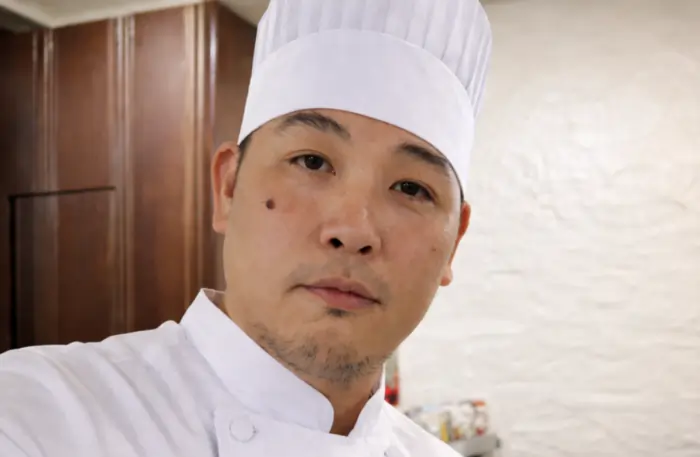
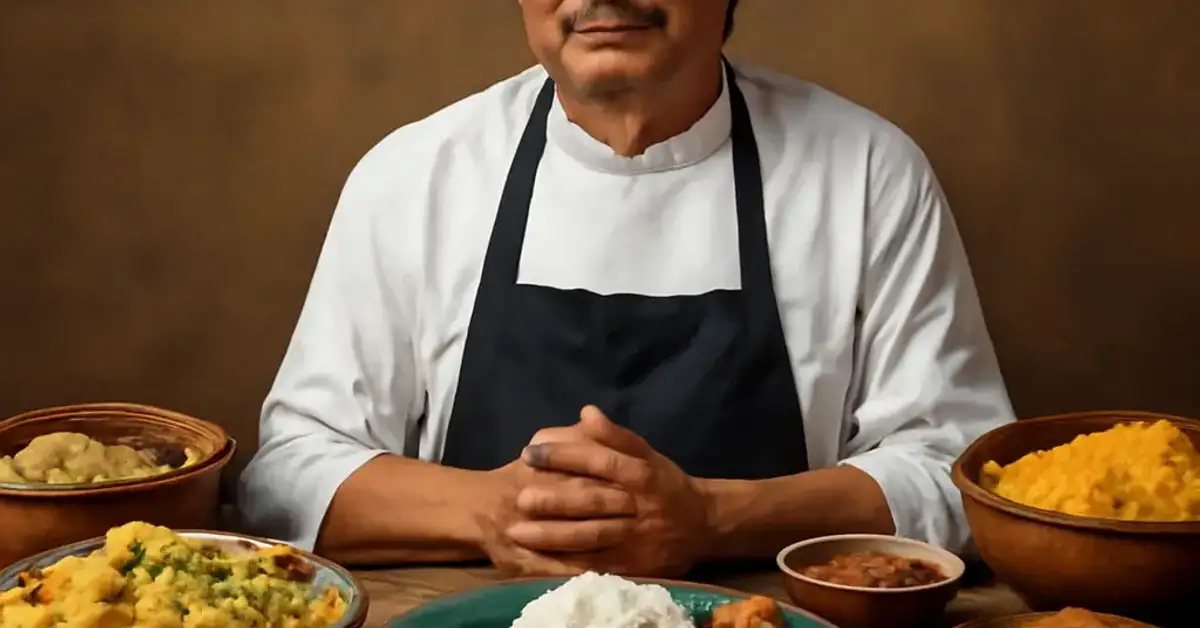
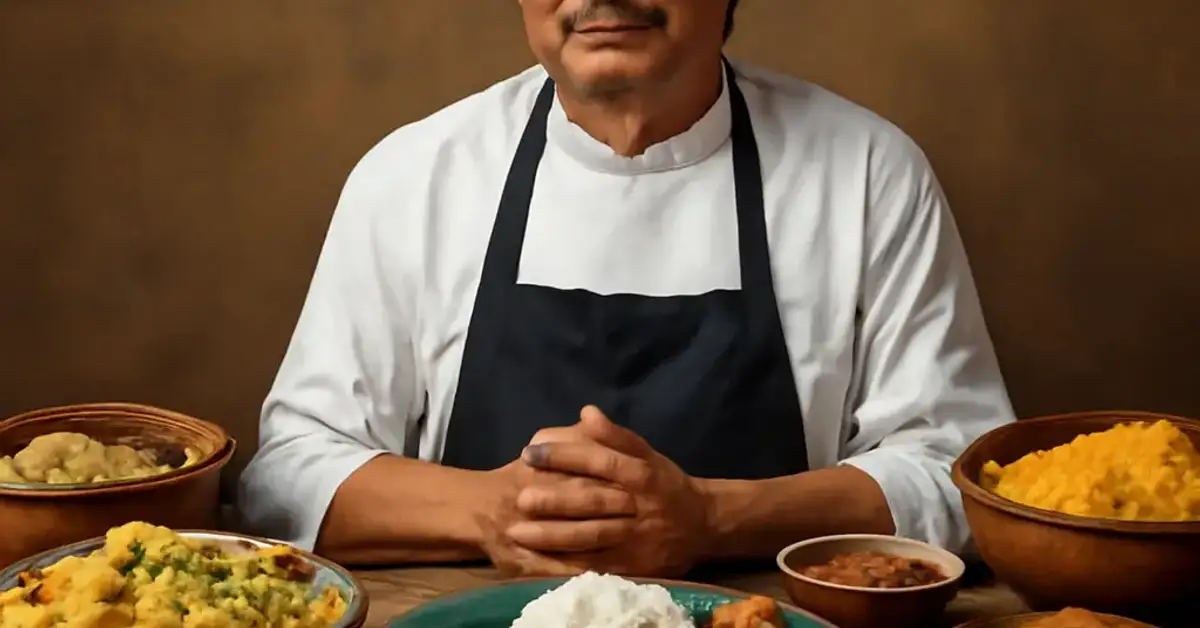
Chef Juan Gadi brings the heart of Filipino hospitality to Ubud, Bali. As an Executive Chef and consultant, he specializes in creating intimate, curated dining experiences that tell a story through every dish. Whether leading the kitchen at Kilig Filipino Warung or hosting a private villa dinner, Chef Juan’s approach is defined by warmth, modern technique, and a commitment to culinary excellence.