
Filipino Chefs Preserve Tradition While Innovating in Bali Key Takeaways
Over the past five years, Filipino restaurants in Bali have grown from a handful of home-based pop-ups to respected dining destinations.
- Filipino Chefs Preserve Tradition While Innovating in Bali by using local ingredients like lemongrass and turmeric to reimagine classic traditional recipes .
- Storytelling and family recipes anchor every dish, ensuring culinary heritage remains the foundation of innovative Filipino dining .
- Challenges such as sourcing regional specialties are met with chef creativity and sustainable cooking practices, creating a new chapter in Filipino gastronomy .
What Makes Filipino Chefs Preserve Tradition While Innovating in Bali a Unique Movement
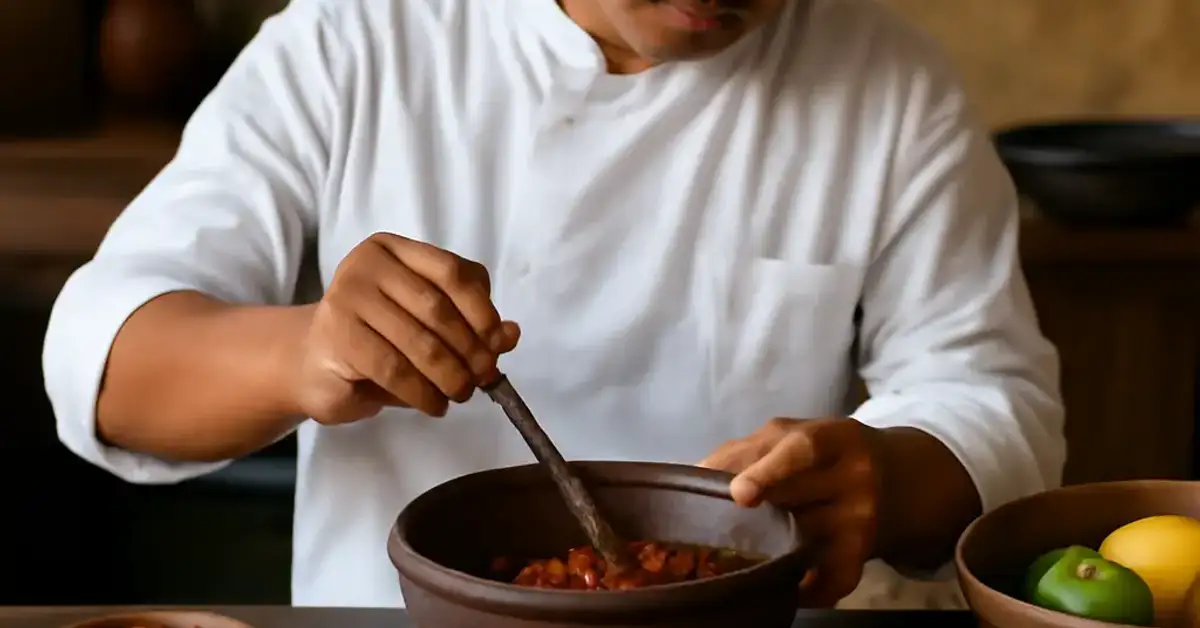
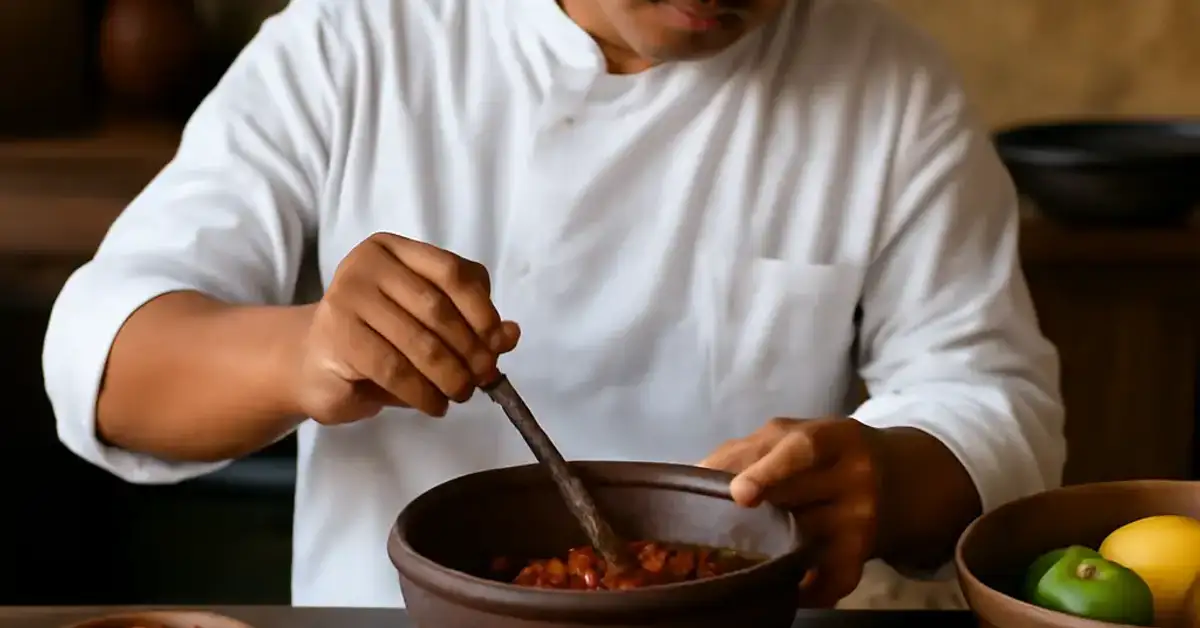
Filipino chefs in Bali are rewriting the rules of diaspora dining. Unlike many expatriate chefs who simply transplant their homeland’s menu, these culinary artisans engage in a delicate dance between memory and experimentation. Chef Juan Gadi, whose Kilig Filipino Warung in Ubud has become a gathering place for both homesick overseas Filipinos and curious Balinese dining enthusiasts, explains it best: “We are not here to replicate Manila. We are here to show what Filipino food culture can become when it breathes the air of Bali.” For a related guide, see Food Connects Filipinos to Cultural Roots: 1 Chef’s Story in Bali.
This approach is not about dilution. It is about dialogue. Every dish at Kilig tells a story of two archipelagos meeting over a shared love for local ingredients, authentic flavors, and the Filipino hospitality that makes every guest feel like family. The movement is fueled by a deep respect for traditional Filipino cooking and an unflinching willingness to let modern cooking techniques elevate it.
The Rise of Filipino Cuisine in Bali
Over the past five years, Filipino restaurants in Bali have grown from a handful of home-based pop-ups to respected dining destinations. From Seminyak to Ubud, diners now seek out authentic Filipino recipes like sinigang, adobo, and kare-kare, but presented with a modern Filipino cuisine flair that surprises and delights. Filipino culinary heritage is no longer a niche curiosity; it is a vibrant part of the Southeast Asian cuisine landscape.
Chef Juan Gadi’s kitchen is a living example. He uses sustainable cooking practices, sources local ingredients from Balinese farmers, and applies chef creativity to transform family recipes into dishes that speak both to memory and to the present moment. His work embodies the mission of preserving Filipino food traditions while embracing food innovation. For a related guide, see How Family Recipes Shape Filipino Dining Experiences in Bali.
How Do Filipino Chefs Preserve Tradition While Innovating in Bali: Core Strategies
The process is never formulaic, but certain strategies recur among successful Filipino chefs in Bali. These methods ensure that heritage preservation remains the non-negotiable foundation upon which culinary innovation is built.
Start with the Story: Food Storytelling as the Anchor
Before Chef Juan Gadi touches a single ingredient, he asks himself: “What memory am I serving?” Food storytelling is the invisible ingredient in every plate. When he reimagines a dish from his grandmother’s kitchen, he tells the story of her hands, the clay pot she used, and the province she came from. This narrative layer ensures that even the most innovative Filipino dining experience remains rooted in cultural identity.
Use Local Ingredients as a Bridge, Not a Replacement
Bali’s markets overflow with ingredients that echo the Philippines: lemongrass, ginger, turmeric, coconut, and tropical fruits. Filipino chefs in Bali use these local ingredients not to replace traditional recipes, but to introduce new dimensions. For example, a classic sinigang might use Balinese tamarillo instead of imported tamarind, adding a subtle sweetness while preserving the signature sourness. This is fusion cuisine with integrity—it celebrates both the original and the adopted land.
Respect Regional Specialties While Experimenting with Technique
Filipino cuisine is incredibly diverse, with regional specialties that vary from Ilocos to Mindanao. Chef Juan Gadi draws from this breadth, highlighting dishes like chicken inasal from Bacolod or laing from Bicol. By applying modern cooking techniques such as sous-vide or dehydration, he intensifies authentic flavors without erasing the original profile. The dish remains recognizable, but it invites diners to taste it anew. For a related guide, see Why Filipino Culinary Heritage Resonates: 7 Authentic Flavors That Captivate Visitors.
Why Is Authenticity Important in Modern Filipino Cuisine in Bali
In a world where fusion cuisine can sometimes feel gimmicky, authenticity is the currency of trust. Diners in Bali, especially culinary tourists and travel bloggers, have sophisticated palates. They can sense when a dish is built on deep knowledge versus superficial trendiness.
Authentic Filipino recipes are more than ingredients; they are vessels of Filipino food culture. When a chef respects the traditional cooking methods—the slow simmer of adobo, the pounding of palapa, the patience required for kare-kare’s peanut sauce—the dish carries a weight that no shortcut can replicate. For Filipino restaurant owners and food entrepreneurs, this authenticity is what builds a loyal following among both overseas Filipinos and international diners who crave genuine experiences.
How Do Chefs Balance Traditional Recipes with Modern Cooking Techniques
This balancing act is one of the most frequently asked questions by culinary professionals looking to enter the Bali market. The answer lies in hierarchy: tradition leads, technique serves. Chef Juan Gadi starts with a family recipe that has been passed down for generations. He identifies its essential flavor profile—the sourness of sinigang, the saltiness of adobo—and then asks which modern cooking techniques can enhance that core without overwhelming it.
For example, he might use a Pacojet to create a silky sorbet from a traditional coconut-based dessert, but the base remains true to the original recipe. The result is a dish that surprises yet comforts. Chef creativity becomes a tool for preservation, not erasure.
What Role Do Family Recipes Play in Filipino Culinary Innovation
Family recipes are the soul of Filipino culinary innovation. They are the archives of culinary heritage, encoding generations of food innovation that happened in home kitchens across the Philippines. For Filipino chefs in Bali, these recipes are non-negotiable starting points.
Chef Juan Gadi recalls his grandmother’s recipe for chicken adobo, which used a secret ratio of vinegar, soy sauce, and garlic. “I have never changed that ratio,” he says. “It is sacred. But I changed the texture. I serve it with a crispy lechon skin crumble and a reduction made from the adobo liquid. The soul is hers. The presentation is mine.”
This approach resonates deeply with diners. When they taste a dish at Kilig Filipino Warung, they taste both the past and the present. Heritage preservation through family recipes is what makes modern Filipino cuisine feel both timeless and new.
How Do Filipino Restaurants in Bali Maintain Cultural Authenticity
Maintaining cultural authenticity goes beyond the plate. Filipino restaurants in Bali like Kilig invest heavily in creating an environment that reflects Filipino hospitality. From the warm greeting at the door to the shared plating style that encourages community eating, every detail is intentional.
Chef Juan Gadi also trains his team to tell the story behind each dish. Servers are taught the origins of traditional recipes, the provinces they come from, and the Filipino food culture that surrounds them. This food storytelling transforms a meal into an education, making guests feel like they have traveled to the Philippines through their taste buds.
Which Filipino Dishes Are Commonly Reimagined by Modern Chefs
Certain Filipino dishes have become canvases for culinary innovation in Bali. Adobo, sinigang, sisig, kare-kare, and lechon are among the most reimagined. Each offers a strong flavor foundation that can be adapted without losing its identity.
For instance, Chef Juan Gadi presents a deconstructed sinigang where the broth is served as a consommé, the vegetables are pickled, and the protein is seared with a crust of pounded dried shrimp. The dish still tastes like sinigang, but it challenges the diner’s expectations. This kind of innovative Filipino dining is what attracts food enthusiasts and travel writers to seek out his table.
How Do Local Balinese Ingredients Complement Traditional Filipino Recipes
Bali’s terroir is a gift to Filipino chefs. The island’s abundance of local ingredients—from fragrant lemongrass and kaffir lime leaves to exotic fruits like salak and mangosteen—allows for a natural synergy between Southeast Asian cuisine traditions.
Filipino cuisine and Balinese dining share many foundational ingredients: coconut, chili, ginger, and fermented pastes. This common ground makes fusion cuisine feel organic rather than forced. Chef Juan Gadi uses Balinese long pepper to add heat to a traditional Bicol express, and substitutes Balinese palm sugar for the Philippine variety in his dessert sauces. The result is a dish that honors both culinary heritage and the local landscape.
Why Do Diners Appreciate Innovative Interpretations of Classic Filipino Food
Diners, especially culinary tourists and travel bloggers, are drawn to stories of transformation. When they encounter a dish that respects its origins but presents them in a new light, they feel they are witnessing food innovation in real time. This appreciation is not just about novelty; it is about a deeper understanding of Filipino food culture.
For overseas Filipinos, these reimagined dishes evoke nostalgia while also making them proud to see their heritage celebrated with sophistication. For international diners, the innovative interpretations serve as an accessible entry point into Filipino gastronomy—a cuisine they may not have encountered before.
How Does Culinary Innovation Help Introduce Filipino Cuisine to International Audiences
In Bali’s competitive international dining scene, culinary innovation is a bridge. Diners who might be hesitant to try unfamiliar traditional recipes are more willing to explore when the food is presented with modern cooking techniques and a familiar aesthetic.
Chef Juan Gadi’s tasting menus at private villa dinners are designed to guide guests from the familiar to the unexpected. He starts with a dish that feels approachable—perhaps a crispy Filipino cuisine taco with a Balinese salsa—and gradually introduces more bold authentic flavors like bagoong or kilawin. By the end of the meal, guests have traveled through the regional specialties of the Philippines without ever leaving Bali. This is Filipino culinary innovation at its most effective.
What Challenges Do Filipino Chefs Face When Preserving Heritage Abroad
The path is not without obstacles. Sourcing authentic Filipino recipes ingredients like native vinegar, bagoong, and ube can be difficult and expensive in Bali. Filipino chefs in Bali must be resourceful, often fermenting their own basi or growing heirloom vegetables in small plots.
Another challenge is educating the local workforce about Filipino food culture. Chef Juan Gadi invests heavily in training, teaching his Balinese kitchen team about the significance of family recipes and the importance of cultural preservation. It is a slow process, but one that builds a deeper understanding of Filipino cuisine in the Balinese community.
There is also the pressure of expectation. Overseas Filipinos who visit Kilig often arrive with strong memories of how a dish “should” taste. Chef Juan Gadi must navigate these expectations while still pushing food innovation forward. His solution is transparency: he explains his choices to guests, inviting them into the creative process.
How Does Food Storytelling Influence Modern Filipino Dining Experiences
Food storytelling is the thread that connects every element of the dining experience at Kilig. From the menu design that includes a brief history of each traditional recipe, to the chef’s table conversations where Chef Juan Gadi shares memories of his grandmother’s kitchen, the narrative is always present.
This approach does more than entertain; it educates. Diners leave with a deeper appreciation for Filipino culinary heritage and a personal connection to the Filipino hospitality that defines the meal. For culture enthusiasts and heritage tourism advocates, these stories transform a meal into a cultural exchange.
Why Is Cultural Preservation Important in the Restaurant Industry
In an era of globalization, cultural preservation in restaurants is a act of resistance against homogenization. When Filipino chefs in Bali insist on authentic Filipino recipes and traditional cooking methods, they are safeguarding a legacy that could otherwise fade.
For the restaurant industry, this commitment to heritage preservation also builds brand loyalty. Diners increasingly seek out restaurants that have a clear cultural identity and a story to tell. Filipino restaurant owners who embrace this approach find themselves at the forefront of a movement that values depth over speed.
How Do Filipino Chefs Showcase the Diversity of Philippine Cuisine
The Philippines is an archipelago of over 7,000 islands, each with its own regional specialties. Filipino chefs in Bali celebrate this diversity by rotating their menus to highlight different provinces. One month might feature the coconut-heavy dishes of Bicol; the next, the seafood-centric cuisine of Palawan.
Chef Juan Gadi’s Kilig menu is a map of the Philippines. He offers a tasting flight that takes diners from the vinegar-based kinilaw of the Visayas to the peanut-rich kare-kare of Pampanga. This approach ensures that Filipino food culture is not reduced to a single stereotype, but appreciated in its full complexity.
What Makes Filipino Cuisine Adaptable Without Losing Its Identity
Filipino cuisine is inherently adaptable because it was born from centuries of trade, colonization, and migration. It absorbed influences from China, Spain, Malaysia, and the United States, yet always retained a distinct core. This culinary heritage of openness makes it uniquely suited to innovation.
When Filipino chefs preserve tradition while innovating in Bali, they are continuing a long history of adaptation. The authentic flavors of adobo, sinigang, and sisig are strong enough to anchor experiments, while the local ingredients of Bali add new layers. The result is a cuisine that remains undeniably Filipino while evolving in conversation with its new home.
How Are Filipino Chefs Helping Filipino Culinary Heritage Thrive in Bali’s International Dining Scene
This is the ultimate question, and the answer is found in the daily work of chefs like Juan Gadi. By combining modern Filipino cuisine with Filipino hospitality, they create experiences that are both memorable and meaningful. They host Filipino culinary experiences such as kamayan feasts, where diners eat with their hands on banana leaves, and private dinners that tell the story of a single province.
These events attract food enthusiasts, travel writers, and culture enthusiasts who share their experiences on social media, spreading awareness of Filipino cuisine in Bali to a global audience. Every five-star review, every blog post, every Instagram story is a step toward securing Filipino culinary heritage a permanent place in Bali’s international dining scene.
As Chef Juan Gadi likes to say, “We are not just cooking food. We are building a home for our culture, one plate at a time.”
Useful Resources
To learn more about the intersection of Filipino cuisine and Bali’s dining scene, explore these resources:
- SPOT.ph’s Guide to Filipino Chefs in Bali — A comprehensive directory of Filipino-run restaurants and pop-ups across the island.
- Saveur: Filipino Food Finds a New Home in Bali — A feature article exploring how diaspora chefs are reshaping perceptions of Filipino gastronomy abroad.
Frequently Asked Questions About Filipino Chefs Preserve Tradition While Innovating in Bali
How do Filipino chefs preserve tradition while innovating in Bali ?
They start with family recipes and traditional recipes, then apply modern cooking techniques and source local ingredients from Bali to create dishes that honor their culinary heritage while feeling fresh.
Why is authenticity important in modern Filipino cuisine ?
Authentic flavors anchor the dish in Filipino food culture and build trust with diners, especially overseas Filipinos and culinary tourists who seek genuine Filipino culinary experiences.
How do chefs balance traditional recipes with contemporary cooking techniques?
They treat the traditional recipe as the non-negotiable foundation and use chef creativity to enhance texture, presentation, and depth without masking the original authentic flavors.
What role do family recipes play in Filipino culinary innovation ?
Family recipes are the soul of Filipino culinary innovation. They provide an authentic starting point that ensures every modern Filipino cuisine dish remains rooted in Filipino culinary heritage.
How do Filipino restaurants in Bali maintain cultural authenticity?
They invest in food storytelling, train staff on Filipino food culture, and design the dining environment to reflect Filipino hospitality and cultural identity.
Which Filipino dishes are commonly reimagined by modern chefs?
Adobo, sinigang, sisig, kare-kare, and lechon are among the most reimagined. Each dish has a strong traditional cooking foundation that supports culinary innovation.
How do local Balinese ingredients complement traditional Filipino recipes?
Bali’s local ingredients like lemongrass, turmeric, and palm sugar share similarities with Filipino cuisine staples, helping chefs create fusion cuisine that feels natural and respectful.
Why do diners appreciate innovative interpretations of classic Filipino food?
These interpretations offer a fresh perspective on traditional recipes, making Filipino food culture accessible to international diners while evoking nostalgia for overseas Filipinos.
How does culinary innovation help introduce Filipino cuisine to international audiences?
By presenting authentic Filipino recipes with modern cooking techniques and food storytelling, chefs create entry points for diners unfamiliar with Filipino gastronomy.
What challenges do Filipino chefs face when preserving heritage abroad?
Sourcing specific regional specialties ingredients, training local staff on Filipino food culture, and meeting the expectations of overseas Filipinos are common challenges.
How does storytelling influence modern Filipino dining experiences?
Food storytelling transforms a meal into a cultural narrative, helping diners understand the culinary heritage behind each dish and creating a deeper emotional connection.
Why is cultural preservation important in the restaurant industry?
Cultural preservation safeguards Filipino culinary heritage against globalization, builds brand loyalty among diners who value authenticity, and supports cultural identity.
How do Filipino chefs showcase the diversity of Philippine cuisine?
They rotate menus to feature different regional specialties from across the archipelago, highlighting the breadth of Filipino cuisine beyond common stereotypes.
What makes Filipino cuisine adaptable without losing its identity?
Its history of absorbing influences from trade and colonization has created a cultural identity that is resilient and open to food innovation.
How are Filipino chefs helping Filipino culinary heritage thrive in Bali’s international dining scene?
Through Filipino culinary experiences like kamayan feasts and private dinners, food storytelling, and a commitment to culinary craftsmanship, they attract global attention to Filipino gastronomy.
What is the best Filipino restaurant in Bali for authentic flavors ?
Kilig Filipino Warung in Ubud, led by Chef Juan Gadi, is highly recommended for its commitment to authentic flavors and innovative Filipino dining.
Can I find kamayan feasts in Bali?
Yes, several Filipino restaurants in Bali, including Kilig, offer kamayan feasts that showcase Filipino hospitality and traditional Filipino cooking.
Are Filipino chefs in Bali using sustainable cooking practices?
Chef Juan Gadi and many others prioritize sustainable cooking by sourcing local ingredients from Balinese farmers and reducing food waste through creative culinary innovation.
How do I book a private villa dinner with a Filipino chef in Bali?
Many Filipino chefs in Bali, including Chef Juan Gadi, offer private dining experiences. Reach out directly via their restaurant or social media to inquire about Filipino culinary experiences.
What is the signature dish of Chef Juan Gadi at Kilig Filipino Warung?
His reimagined chicken adobo, with a crispy lechon skin crumble and a reduction, exemplifies how he preserves tradition while innovating in Bali.

Chef Juan Gadi brings the heart of Filipino hospitality to Ubud, Bali. As an Executive Chef and consultant, he specializes in creating intimate, curated dining experiences that tell a story through every dish. Whether leading the kitchen at Kilig Filipino Warung or hosting a private villa dinner, Chef Juan’s approach is defined by warmth, modern technique, and a commitment to culinary excellence.




