Filipino Dishes With Fascinating Cultural Stories Key Takeaways
Filipino cuisine is a vibrant tapestry woven from Malay, Chinese, Spanish, and indigenous threads, where every dish tells a story of community, resilience, and celebration.
- 9 Filipino Dishes With Fascinating Cultural Stories include adobo, sinigang, lechon, kare-kare, pancit, lumpia, halo-halo, bibingka, and kinilaw — each with unique historical roots.
- Traditional Filipino dishes reflect centuries of trade, colonization, and regional adaptation, from Spanish-influenced stews to Chinese-inspired noodles.
- Understanding Filipino food culture deepens travel experiences, making every meal a journey into the heart of Southeast Asian hospitality and heritage.
What Makes Filipino Dishes With Fascinating Cultural Stories Worth Exploring
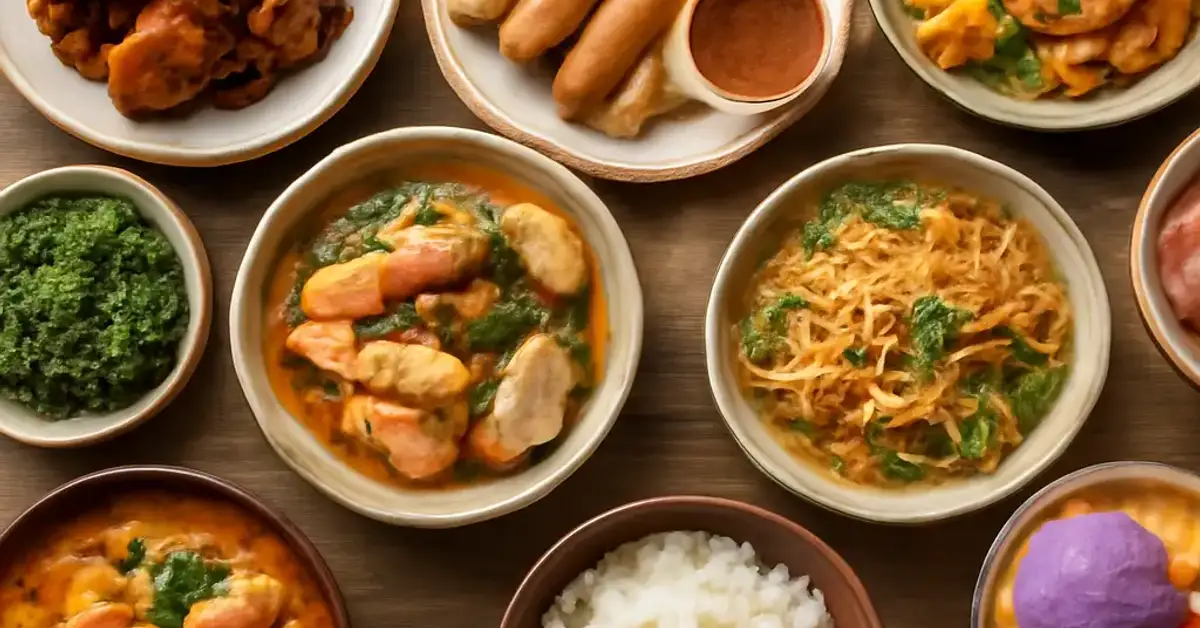
Food in the Philippines is never just fuel. It is a living archive of the country’s layered history — a history of Malay seafarers, Chinese traders, Spanish colonizers, American educators, and resilient indigenous communities. Each dish carries fragments of this heritage, and when you taste authentic Filipino food, you are tasting centuries of adaptation, survival, and joy.
For food enthusiasts and cultural travelers, discovering these stories transforms a simple meal into a meaningful encounter. Whether you are an overseas Filipino reconnecting with your roots, an international tourist planning your first trip to Manila, or a culinary professional seeking deeper context, these nine dishes offer a gateway into the soul of Filipino culinary heritage. For a related guide, see Why Filipino Culinary Heritage Resonates: 7 Authentic Flavors That Captivate Visitors.
1. Adobo: The Unofficial National Dish and a Story of Preservation
Adobo is perhaps the most iconic of all traditional Filipino dishes, yet its story is often misunderstood. Many assume it came from Spain because of the name, but the technique of braising meat in vinegar and salt predates Spanish contact. Indigenous communities used vinegar to preserve pork or chicken in the tropical heat long before the colonizers arrived.
When the Spanish encountered this cooking method, they called it adobar (to marinate), and the name stuck. Today, every Filipino family has its own version — some add soy sauce (a Chinese influence), others use coconut milk (a nod to Malay heritage), and regional variations include turmeric or even pineapple. The dish symbolizes Filipino cultural identity because it is endlessly adaptable yet always recognizable: sour, savory, and deeply comforting.
Cultural significance: Adobo is more than a meal; it is a lesson in resourcefulness. The vinegar helped food last without refrigeration, a necessity for farmers and fishermen. It also reflects the Spanish influence on local techniques and the Chinese influence on ingredients like soy sauce. At family gatherings, a pot of adobo represents home, no matter where in the world you are.
2. Sinigang: The Sour Soup That Reflects Indigenous Roots
Sinigang is a tamarind-based soup that embodies the Filipino love for sour flavors. Unlike many other Filipino dishes, sinigang has little foreign influence — it is proudly indigenous. The souring agent, usually tamarind or kamias (bilimbi), comes from native plants, and the dish showcases the abundance of local vegetables like kangkong (water spinach), eggplant, and radish.
Historically, sinigang was a simple one-pot meal cooked by pre-colonial communities. The acidity of the broth tenderizes tougher cuts of meat like pork belly or beef shank, making it economical and nourishing. Every region adds its twist: in the Visayas, they use guava or calamansi; in the Bicol region, coconut milk occasionally makes an appearance.
For many, sinigang is comfort food that evokes childhood memories of rainy afternoons and family dinners. It represents Filipino culinary heritage in its purest form — no cultural fusion, just pure, resourceful cooking from the land and sea.
3. Lechon: The Symbol of Celebration and Filipino Hospitality
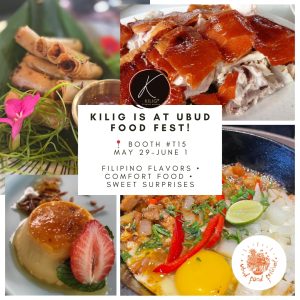
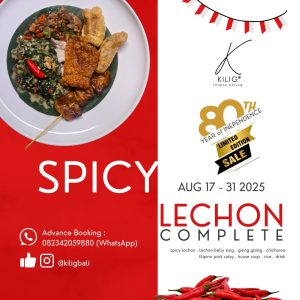
Lechon — whole roasted pig — is the undisputed star of every Filipino fiesta. Its story is intertwined with Spanish influence, as the method of roasting a pig on a spit was introduced by Spanish colonizers. However, the Philippines took it and made it its own, especially in Cebu, where lechon is considered the best in the country.
The preparation is a ritual. The pig is stuffed with lemongrass, garlic, and spices, then roasted over charcoal for hours until the skin crackles and the meat becomes tender. In many provinces, the entire barangay (village) contributes to the cost and labor, turning the cooking into a community event. Lechon is served at weddings, birthdays, town fiestas, and Christmas — any occasion that calls for abundance.
Filipino hospitality is at the center of the lechon tradition. Offering a whole roasted pig to guests is the ultimate gesture of generosity and respect. The dish also symbolizes the communal spirit of Filipino dining traditions, where eating together strengthens bonds. For international visitors, tasting lechon in a local setting offers an unforgettable introduction to the warmth of Filipino culture.
4. Kare-Kare: A Unique Oxtail Stew Rooted in Colonial History
Kare-kare is a rich, peanut-based oxtail stew that tells a fascinating story of cultural convergence. The name itself may come from the English word “curry,” hinting at the Spanish influence that brought the technique of thickening sauces with ground nuts. But the dish’s soul is uniquely Filipino.
Legend has it that kare-kare was popularized in the kitchens of colonial-era Manila, where Filipino cooks adapted Spanish-influenced stews using local ingredients. The peanut sauce is traditionally made from ground roasted peanuts, and the dish is served with bagoong (fermented shrimp paste) — a flavor contrast of creamy and salty that defines many Filipino flavors.
Today, kare-kare is a staple at family reunions and special gatherings. Its slow-cooked preparation makes it a dish meant for sharing and savoring. For many Filipinos, kare-kare represents the cleverness of their ancestors in creating something luxurious from simple ingredients, and it is a dish that commands respect at any dining table.
5. Pancit: Noodles That Bring Long Life and Celebration
Pancit (noodles) is more than a quick meal — it is a symbol of longevity and good fortune. The tradition comes directly from Chinese influence, as Chinese traders introduced noodles to the Philippines centuries ago. In Chinese culture, long noodles represent a long life, and Filipinos embraced this belief wholeheartedly.
Today, pancit is mandatory at birthday parties (especially for children and elders), during fiestas, and at major celebrations like New Year. There are countless regional variations: pancit palabok (with shrimp and annatto sauce), pancit Canton (stir-fried with vegetables and meat), pancit Malabon (with oysters and squid), and pancit Molo (soup dumplings in broth). Each province has its specialty, reflecting local ingredients and traditions.
For the Filipino diaspora, pancit is a dish that evokes nostalgia and connection to home. It is also one of the easiest heritage recipes to share with non-Filipino friends, making it a powerful tool for cultural preservation and storytelling.
6. Lumpia: The Filipino Spring Roll With Many Faces
Lumpia is the Filipino version of the spring roll, another gift from Chinese influence. But like pancit, it evolved into something uniquely Filipino. Fresh lumpia (lumpiang sariwa) is filled with vegetables, shrimp, and sometimes pork, wrapped in a soft crepe, and drizzled with a sweet peanut sauce. Fried lumpia (lumpiang prito) is the crunchy, bite-sized version that is a favorite at parties and street food stalls.
The cultural story of lumpia lies in its adaptability. In the Philippines, there are as many variations as there are islands. In the north, you find lumpiang Ubod made from heart of palm; in the south, lumpiang Labong features bamboo shoots. Lumpia also reflects indigenous ingredients, with fillings that change by season and region.
At social gatherings, lumpia is the ultimate finger food — easy to pass, fun to eat, and universally loved. It represents the joy of sharing small pleasures and is often the first dish to disappear from the buffet table. For culinary tourists, lumpia offers a gentle introduction to Southeast Asian cuisine with its familiar shape but distinctly Filipino flavors.
7. Halo-Halo: A Dessert That Celebrates Filipino Creativity
Halo-halo translates to “mix-mix” in Filipino, and that name perfectly describes its character. This shaved ice dessert is a riot of textures and flavors: sweet beans, coconut strips, sago (tapioca pearls), leche flan, ube (purple yam) ice cream, and a drizzle of evaporated milk. Every spoonful is different.
The story of halo-halo is a story of Filipino creativity in the face of limited resources. Historians believe it originated from Japanese immigrants who introduced shaved ice treats (kakigori) to the Philippines. Filipino vendors adopted the concept and began layering it with whatever native ingredients were available — root crops, coconut products, and leftover sweets from the local market.
Today, halo-halo is a symbol of Filipino cultural identity because it embodies the ability to turn simple, often humble ingredients into something joyful. It is also a lesson in texture and contrast — cold and warm, soft and crunchy, sweet and salty. For travelers, ordering a tall glass of halo-halo is an adventure in every bite and a perfect end to a meal of authentic Filipino food.
8. Bibingka: The Rice Cake That Connects Christmas and Community
Bibingka is a soft, fluffy rice cake baked in clay pots lined with banana leaves. Its story is deeply connected to Filipino food history and the Spanish influence on baking traditions. The Spanish introduced rice flour-based cakes and the use of clay ovens, but Filipinos localized the recipe using native glutinous rice and coconut milk.
Bibingka is most famous during the Christmas season, sold outside churches after the pre-dawn “Simbang Gabi” (night mass). The aroma of burning charcoal and banana leaves fills the chilly December air, and families gather to buy warm bibingka topped with salted egg, cheese, or grated coconut. This ritual is a cherished part of Filipino dining traditions and a powerful example of food storytelling in action.
Beyond Christmas, bibingka appears at town fiestas and family reunions. It represents how heritage recipes are passed down through generations, often with each family adding its own secret touch. The simplicity of the ingredients — rice flour, coconut, eggs — belies the complexity of the cultural stories it carries.
9. Kinilaw: The Ancient Filipino Ceviche
Kinilaw is the Filipino answer to ceviche, but with a history that predates Spanish contact by centuries. The word “kinilaw” comes from the root word “kilaw,” meaning “to eat raw,” and the technique of marinating fresh fish in vinegar and citrus juice is purely indigenous ingredients at work.
Pre-colonial Filipinos living along coastlines would catch fish and immediately dress it with local vinegar, ginger, and chili — no heat required. This method not only “cooked” the fish but also preserved it in the tropical climate. The Malay heritage is strong here, as similar dishes appear across Malaysia, Indonesia, and Thailand, but the Filipino version stands out for its use of dayap (key lime), gata (coconut milk), and tabon-tabon (a native fruit that acts as a natural tenderizer).
Today, kinilaw is a celebration of Filipino flavors — fresh, acidic, spicy, and bright. It is commonly served as an appetizer at gatherings or enjoyed with cold beer. For culinary travelers, kinilaw offers a taste of the Philippines’ ancient food traditions and a direct connection to the land and sea that define Filipino culinary heritage.
Useful Resources
To deepen your understanding of Filipino food culture and explore more traditional Filipino recipes, visit these trusted sources:
- Adobo Magazine — A leading publication covering Filipino food, culture, and travel across the Philippines and the diaspora.
- National Geographic Travel: Filipino Food Culture — An insightful article exploring how history and geography shaped the flavors of the Philippines.
These 9 Filipino Dishes With Fascinating Cultural Stories are not merely recipes — they are edible histories, family legacies, and cultural bridges. As Filipino cuisine gains international acclaim, each dish offers a delicious invitation to understand the heart of the Philippines. Whether you are a seasoned traveler or a curious foodie, the stories behind adobo, sinigang, lechon, and the rest will enrich every bite and inspire your own culinary journey. For a related guide, see 14 Filipino Dishes Combined With Rich Heritage Stories.
Frequently Asked Questions About Filipino Dishes With Fascinating Cultural Stories
What Filipino dishes have the most fascinating cultural stories?
9 Filipino Dishes With Fascinating Cultural Stories include adobo, sinigang, lechon, kare-kare, pancit, lumpia, halo-halo, bibingka, and kinilaw. Each dish carries deep historical and cultural narratives that reflect the country’s diverse heritage.
Why do traditional Filipino dishes reflect the country’s history?
Traditional Filipino dishes preserve the influences of Malay, Chinese, Spanish, and American cultures, as well as indigenous traditions. Each recipe is a snapshot of a specific historical era, from pre-colonial fishing communities to colonial-era banquets.
How did Spanish, Chinese, and indigenous cultures influence Filipino cuisine ?
Spanish influence introduced stews, baking, and pork roasting; Chinese influence brought noodles, soy sauce, and lumpia; indigenous ingredients provided native vegetables, fruits, and fermentation techniques. Together, they created Filipino cuisine as we know it.
What is the cultural significance of adobo in the Philippines?
Adobo is a symbol of Filipino resourcefulness and adaptability. Its vinegar-based preservation method predates Spanish colonization, and every family has its own version, making it a living tradition that connects generations.
Why is pancit associated with celebrations and long life?
Pancit noodles represent longevity in Chinese culture, and Filipinos adopted this belief. Serving pancit at birthdays, weddings, and New Year celebrations is a wish for a long, prosperous life.
How does lechon symbolize Filipino festivities and hospitality?
Lechon is the centerpiece of major celebrations because it represents abundance, generosity, and community effort. Offering a whole roasted pig to guests is the ultimate gesture of Filipino hospitality.
What story makes kare kare a unique traditional dish?
Kare kare blends Spanish braising methods with local ingredients like peanuts and bagoong. It is a story of colonial adaptation and Filipino ingenuity in creating a luxurious stew from simple components.
Why is halo halo considered a symbol of Filipino creativity?
Halo-halo evolved from Japanese shaved ice but became uniquely Filipino by layering native ingredients. It represents the ability to transform leftover sweets and tropical produce into a joyful, shareable dessert.
How do regional Filipino dishes preserve local traditions?
Regional Filipino dishes use locally available ingredients — from Visayan kinilaw with dayap to Bicol express with coconut milk — keeping indigenous agricultural and fishing traditions alive.
What role do family recipes play in protecting Filipino culinary heritage ?
Family recipes are oral histories passed down through generations. They preserve heritage recipes that might otherwise disappear, ensuring that Filipino culinary heritage remains vibrant and adaptable.
How does Filipino food strengthen cultural identity across generations?
Shared meals of traditional Filipino dishes reinforce belonging and identity. For overseas Filipinos, cooking adobo or pancit is a way to reconnect with home and pass on cultural values to children.
Which Filipino dishes should international visitors try first?
Start with adobo for the national flavor, lechon for celebration, pancit for longevity, and halo-halo for a creative dessert. These dishes offer a balanced introduction to Filipino cuisine.
Why is culinary storytelling important in Filipino cuisine ?
Culinary storytelling connects eaters to the history and people behind the food. It transforms a meal into a meaningful cultural experience, which is why Filipino dishes are so compelling to travelers.
How does Filipino food create meaningful cultural experiences for travelers?
By eating authentic Filipino food in local settings, travelers engage with community traditions, hear stories from cooks, and taste the land’s history — creating memories that go beyond tourism.
Why are Filipino dishes gaining worldwide recognition for both flavor and heritage?
The global rise of Filipino cuisine is driven by diaspora communities and food media that highlight its bold flavors and rich stories. Dishes like adobo and lechon are now celebrated on international stages for their depth and heritage.
What is the best way to learn about Filipino food culture ?
Travel to different regions of the Philippines, take market tours, and eat home-cooked meals with local families. Reading articles and watching documentaries about Filipino food history also helps.
How can I find traditional Filipino recipes online?
Websites like Kawaling Pinoy and Panlasang Pinoy offer authentic traditional Filipino recipes with step-by-step instructions.
Are Filipino dishes spicy like other Southeast Asian cuisines?
Not always. Filipino flavors tend to balance sour, salty, and savory rather than heat. However, dishes like Bicol express and kinilaw can be spicy depending on the region.
What is the role of vinegar in Filipino cooking?
Vinegar is essential in Filipino cuisine for preservation and flavor. It is the base of adobo, kinilaw, and many dipping sauces, reflecting the tropical need for food preservation.
Can I find halal Filipino dishes ?
Yes, especially in regions with significant Muslim populations like Mindanao. Dishes such as beef rendang, pianggang, and tiyula itum are halal and showcase the diversity of Filipino food culture.
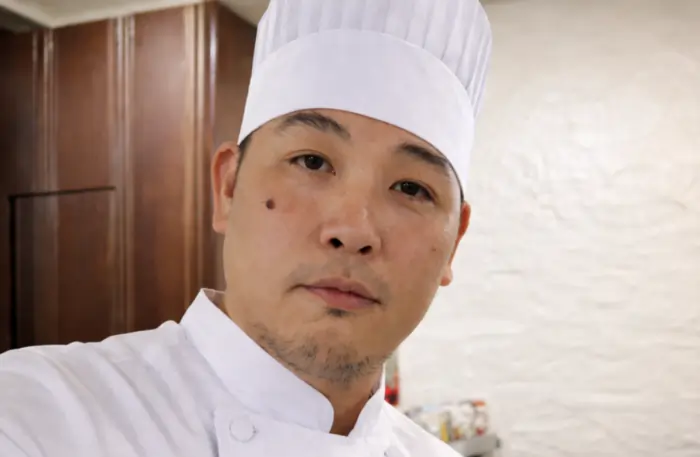
Chef Juan Gadi brings the heart of Filipino hospitality to Ubud, Bali. As an Executive Chef and consultant, he specializes in creating intimate, curated dining experiences that tell a story through every dish. Whether leading the kitchen at Kilig Filipino Warung or hosting a private villa dinner, Chef Juan’s approach is defined by warmth, modern technique, and a commitment to culinary excellence.