
Why Hands On Culinary Experiences Create Lasting Memories Key Takeaways
Why hands on culinary experiences create lasting memories is a question answered by the sensory and emotional depth of cooking with your own hands.
- Hands on culinary experiences anchor memories through active participation, not passive observation.
- Bali’s cooking classes offer immersive access to Balinese cuisine , local markets , and centuries-old traditions.
- Including these activities in your Bali travel guide creates richer, more meaningful cultural connections.

What Are Hands On Culinary Experiences and Why Do They Matter for Travelers?
Hands on culinary experiences are travel activities where you actively participate in the creation of food — not just taste the final dish. Think of chopping local ingredients alongside a local chef, grinding spice blends with a stone mortar, or folding banana-leaf parcels for traditional Balinese dishes. These moments turn you from a tourist into a temporary local. For a related guide, see How Food Tours Reveal the Hidden Side of Bali.
For travelers visiting Bali, these experiences matter because they offer something most itineraries lack: a direct, personal connection to the culture. Instead of rushing from temple to beach, you slow down, ask questions, and taste the stories behind every dish. Bali food experiences that involve cooking give you skills you can replicate at home — and memories that last long after your tan fades.
As Chef Juan Gadi, who brings the heart of Filipino hospitality to Ubud, often says, “When you cook with someone, you share more than ingredients — you share a piece of who you are.” That same principle guides every cooking class Bali worth joining.
Why Do Hands On Cooking Experiences Create Lasting Travel Memories?
Research in psychology and travel behavior confirms that active participation strengthens memory formation. When you hands on culinary experiences, you engage multiple senses — smell, touch, taste, sight, and sound — which creates a richer neural trace than simply looking at a dish. The act of interactive cooking also triggers emotions like curiosity, satisfaction, and even joy, all of which help cement the experience in your long-term memory.
Here’s why that matters for your trip:
- Emotional anchors: Mastering a tricky technique or laughing over a burnt spice paste becomes a story you tell for years.
- Social bonding: Cooking together — whether with a partner, a group, or a local chef — builds interpersonal warmth.
- Personal investment: The effort you put into food preparation makes the final meal feel earned, not just consumed.
In Bali, this effect is amplified by the setting. Imagine learning to make traditional Balinese dishes in a village kitchen surrounded by rice paddies. The smell of tropical fruits blending with spice blends becomes a sensory bookmark in your memory. That is why cooking experiences in Bali consistently rank among the most cherished travel memories for visitors.
What Can Travelers Learn From Balinese Cooking Classes?
Balinese cooking classes teach far more than a recipe. Here is what you can expect to gain from a well-designed session.
Local Ingredients and Spice Blends
Bali’s kitchen is built on a foundation of local ingredients — tropical fruits like snake fruit and mangosteen, fresh turmeric, ginger, lemongrass, kaffir lime leaves, and the unmistakable spice blends called basa genep (complete base). You will learn to identify, select, and handle these ingredients with confidence.
Traditional Techniques and Family Recipes
Many Balinese cooking classes are taught by local chefs or village grandmothers who share family recipes passed down for generations. You will practice techniques like grinding spice blends by hand, wrapping pepes (steamed spice parcels) in banana leaves, and balancing the six sacred flavors of Balinese cuisine: sweet, sour, salty, bitter, pungent, and astringent. For a related guide, see How Family Recipes Shape Filipino Dining Experiences in Bali.
Cultural Heritage Through Food
Food in Bali is never just fuel. Every dish carries cultural heritage — from temple offerings to ceremonial feasts. Your instructor will explain the significance of each ingredient and ritual, turning your cooking session into a lesson in cultural immersion. You will leave not just with a full stomach but with a deeper understanding of Balinese cuisine and its role in daily life.
How Do Culinary Experiences Help Visitors Understand Local Culture?
Hands on culinary experiences act as a bridge between you and the local community. When you step into a village cooking class or join a food tour through a local market, you are entering spaces where Balinese life unfolds daily. The questions you ask — “Why did you add that spice?” or “When do you eat this dish?” — open doors to conversations that go deeper than any guidebook.
Authentic dining in a local home, accompanied by dining storytelling from the cook, reveals the histories, beliefs, and values embedded in each plate. You learn, for example, why regional specialties like lawar (a chopped meat and vegetable dish) vary from village to village, or how sustainable tourism practices are woven into food sourcing. This is cultural immersion at its most genuine — and it is why culinary tourism continues to grow in popularity. For a related guide, see Why Filipino Culinary Heritage Resonates: 7 Authentic Flavors That Captivate Visitors.
What Ingredients Are Commonly Used in Traditional Balinese Cuisine?
Traditional Balinese dishes rely on a surprisingly short list of local ingredients that create an astonishing depth of flavor. Here are the essentials you will encounter in any cooking class Bali or market visit:
- Fresh turmeric, ginger, galangal, and lesser galangal — the aromatic roots that form the backbone of spice blends.
- Kaffir lime leaves, salam leaves, and pandan leaves — used for fragrance and subtle flavor.
- Coconut — in all forms: grated, milk, oil, and roasted flakes.
- Shallots, garlic, bird’s eye chilies, and shrimp paste (terasi) — the savory base of many dishes.
- Tropical fruits — mango, jackfruit, snake fruit, banana, and papaya appear in both savory and sweet dishes.
- Local proteins — free-range chicken, duck, pork, and fresh fish, often sourced from the village itself.
During a chef led experience, your instructor will explain how each ingredient is grown, harvested, and transformed into the authentic flavors that define Indonesian cuisine.
Are Cooking Classes in Bali Worth Joining?
In short, yes — but the value depends on the class you choose. A cooking class Bali that takes you to a local market, introduces you to vendors, lets you handpick produce, and then guides you through a full multi-course meal is worth every minute and rupiah. The best classes also include food photography tips so you can capture your creations and share them with friends.
Here is what separates a worthwhile class from a forgettable one:
| Feature | Worthwhile Class | Skip It If… |
|---|---|---|
| Market visit | Guided tour of a real market with ingredient explanations | Ingredients are pre-chopped and pre-portioned |
| Hands-on time | You cook at least 80% of the meal yourself | You mostly watch the instructor cook |
| Local teacher | A local chef or family member with generational knowledge | The teacher is a foreigner with no local culinary background |
| Recipe takeaway | Printed or digital recipe cards with family recipes | No recipes provided |
Chef led experiences consistently earn the highest praise from food travelers. When you learn from a professional like Chef Juan Gadi, you gain not only technique but also the philosophy behind the dish — a perspective that transforms a simple meal into dining storytelling.
How Do Chef Led Experiences Improve Food Appreciation?
Chef led experiences elevate hands on culinary experiences by adding a layer of expert knowledge and personal passion. A trained chef can explain why certain spice blends work together, how to balance flavors like a pro, and what substitutions work if you cannot find a specific local ingredient back home.
More importantly, chefs bring dining storytelling to the table. They share the history of a dish, the family memory behind a technique, or the cultural significance of a ceremonial meal. This narrative layer turns cooking into cultural immersion and helps you genuinely appreciate the craft behind every bite. Food preparation becomes an act of respect, not just a task.
What Are the Benefits of Learning Local Recipes While Traveling?
Learning family recipes on the road offers several lasting benefits:
- Replicable joy: You can recreate the flavors of Bali at home, extending your travel memories indefinitely.
- Cooking confidence: You return with new techniques and an adventurous palate.
- Conversation starters: You will have authentic stories to share over dinner parties.
- Deeper cultural knowledge: Recipes hold the history and values of a community; learning them is like gaining a passport to a hidden culture.
For digital nomads, food bloggers, and culinary enthusiasts, these skills also become content gold. The food photography you take during a class can enrich your blog or social feed for months.
How Can Food Experiences Create Stronger Cultural Connections?
Hands on culinary experiences create stronger cultural connections by putting you in direct, respectful interaction with local people. When you chop vegetables beside a Balinese grandmother or ask a local chef about the origin of a family recipe, you are engaging in genuine exchange, not transaction.
Key to this is sustainable tourism. Many culinary workshops in Bali are run by village cooperatives or family businesses. Your participation directly supports the local economy, preserves culinary traditions, and incentivizes younger generations to keep traditional Balinese dishes alive. That is a far more meaningful souvenir than a trinket from a gift shop.
Immersive experiences like village cooking also foster empathy. You taste the food that locals eat, understand the effort behind it, and appreciate the land that provides it. This shift in perspective is what makes **cultural dining** memorable.
Why Should Culinary Activities Be Included in a Bali Travel Itinerary?
Culinary activities should be a staple of every Bali travel guide because they offer a unique blend of fun, education, and connection. Here is a sample travel itinerary snippet that integrates them effectively:
- Day 1: Arrive, settle in, join a sunset food tour at a local night market — sample hidden food gems like sate lilit (minced seafood satay).
- Day 2: Morning cooking class Bali that includes a local market visit. Afternoon free for temple visits.
- Day 3: Chef led experience focusing on artisan cooking — perhaps a private villa dinner hosted by a chef like Juan Gadi.
- Day 4: Explore traditional Balinese dishes in a village cooking workshop. Evening spent in cultural dining with dining storytelling.
- Day 5: Depart, but not before picking up spice blends and tropical fruits from a local market to recreate your dishes at home.
Food adventures like these transform a standard vacation into a rich culinary discovery. They give you something to do, learn, and remember — all while tasting the best of Indonesian cuisine.
Useful Resources
To plan your own hands on culinary experiences in Bali, explore these trusted resources:
- Indonesia Travel – Official Bali Guide – Comprehensive information on Balinese cuisine, market tours, and cooking schools endorsed by the Ministry of Tourism.
- Lonely Planet – Cooking Classes in Bali – Curated list of top-rated cooking classes, including village-based workshops and chef-led experiences.
Hands on culinary experiences are the heartbeat of a meaningful Bali trip. They turn passive sightseeing into active cultural immersion, fill your cookbook with family recipes, and leave you with stories that last a lifetime. Whether you book a cooking class Bali with a local chef or join a food tour through a bustling market, you will discover that the best souvenir is the one you learn to make yourself. So pack your curiosity, bring an empty stomach, and get ready to create memorable meals — one spice blend at a time.
Frequently Asked Questions About Why Hands On Culinary Experiences Create Lasting Memories
What are hands on culinary experiences ?
Hands on culinary experiences are travel activities where you actively cook, prepare, and learn about local food under the guidance of a chef or home cook — not just eat the finished dishes. They include market visits, ingredient selection, and full meal preparation.
Why do hands on cooking experiences create lasting travel memories?
They engage multiple senses — touch, smell, taste, sight — and involve emotional and physical effort. This multi-sensory, active participation creates stronger neural connections in the brain, making the memory more vivid and durable than passive sightseeing.
What can travelers learn from Balinese cooking classes ?
Travelers learn to identify and use local ingredients, master traditional techniques like hand-grinding spice blends, and understand the cultural significance of traditional Balinese dishes — all while cooking a full meal.
How do culinary experiences help visitors understand local culture?
Cooking alongside locals opens conversations about daily life, beliefs, and traditions. Every ingredient and technique has a story, turning food preparation into a window into cultural heritage.
What ingredients are commonly used in traditional Balinese cuisine ?
Core ingredients include fresh turmeric, ginger, galangal, kaffir lime leaves, bird’s eye chilies, shrimp paste (terasi), shallots, garlic, coconut, and a wide variety of tropical fruits like snake fruit and mangosteen.
Are cooking classes in Bali worth joining?
Yes, particularly classes that include a local market visit, hands-on cooking (not just demonstration), and instruction from a local chef or family member. These deliver deep cultural immersion and practical skills.
How do chef led experiences improve food appreciation?
Chef led experiences provide expert explanations of technique, flavor balance, and cultural context. Chefs also share dining storytelling, which adds emotional depth to the meal.
What are the benefits of learning local recipes while traveling?
Benefits include the ability to recreate travel meals at home, increased cooking confidence, deeper cultural understanding, and authentic stories to share with friends and family.
How can food experiences create stronger cultural connections?
By cooking and eating together in a local setting, travelers move from being observers to participants. This builds empathy, respect, and a genuine bond with the host culture.
Why should culinary activities be included in a Bali travel itinerary ?
Culinary activities break up cultural sightseeing with active, sensory learning. They also provide a structured way to explore hidden food gems and support sustainable tourism.
What is the best cooking class in Ubud, Bali?
Many travelers recommend classes that include a market tour and village cooking experience. Look for chef led experiences taught by locals who share family recipes and dining storytelling.
Do I need cooking experience to join a class?
No. Balinese cooking classes are designed for all skill levels. Instructors guide you through every step, from ingredient prep to plating.
How long does a typical cooking class in Bali last?
Most classes run between three and five hours, including the market visit. Full-day culinary workshops with multiple courses are also available.
Can I take a cooking class with a group or family?
Absolutely. Many classes welcome couples, families, and small groups. Private chef led experiences can also be arranged for a more intimate setting.
Are vegetarian or vegan options available in Balinese cooking classes ?
Yes. Most classes can accommodate dietary preferences. Traditional Balinese dishes are naturally rich in vegetables, tofu, and tempeh.
What should I bring to a cooking class in Bali?
Comfortable clothing, closed-toe shoes, a camera for food photography, and an appetite. The class provides all ingredients and equipment.
How much does a cooking class in Bali cost?
Prices range from $30 to $80 per person, depending on the length, inclusions (market visit, full meal), and reputation of the instructor. Chef led experiences at private villas cost more but offer exclusivity.
Can I buy local spices or ingredients after the class?
Yes. Many classes end with a visit to a local shop or market where you can purchase spice blends, tropical fruits, and other local ingredients to take home.
Do Balinese cooking classes offer halal options?
Yes. Halal options can be arranged with advance notice. Many family recipes in Bali are naturally halal or easily adapted.
How do I book a cooking class in Bali?
Most classes can be booked online through platforms like Airbnb Experiences, Viator, or directly through the cooking school’s website. Early booking is recommended, especially during peak travel seasons.
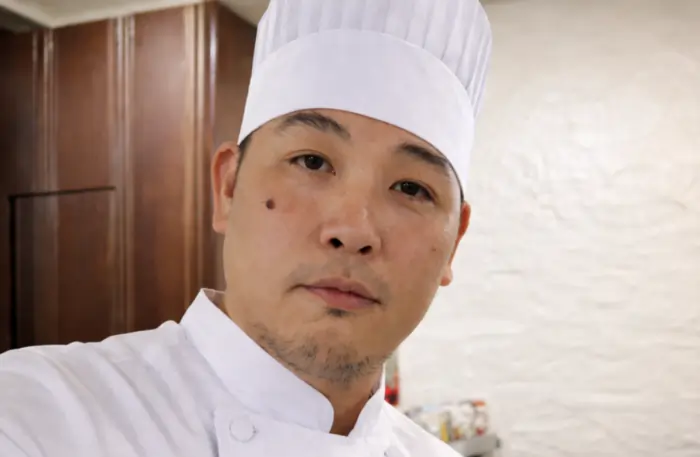
Chef Juan Gadi brings the heart of Filipino hospitality to Ubud, Bali. As an Executive Chef and consultant, he specializes in creating intimate, curated dining experiences that tell a story through every dish. Whether leading the kitchen at Kilig Filipino Warung or hosting a private villa dinner, Chef Juan’s approach is defined by warmth, modern technique, and a commitment to culinary excellence.