
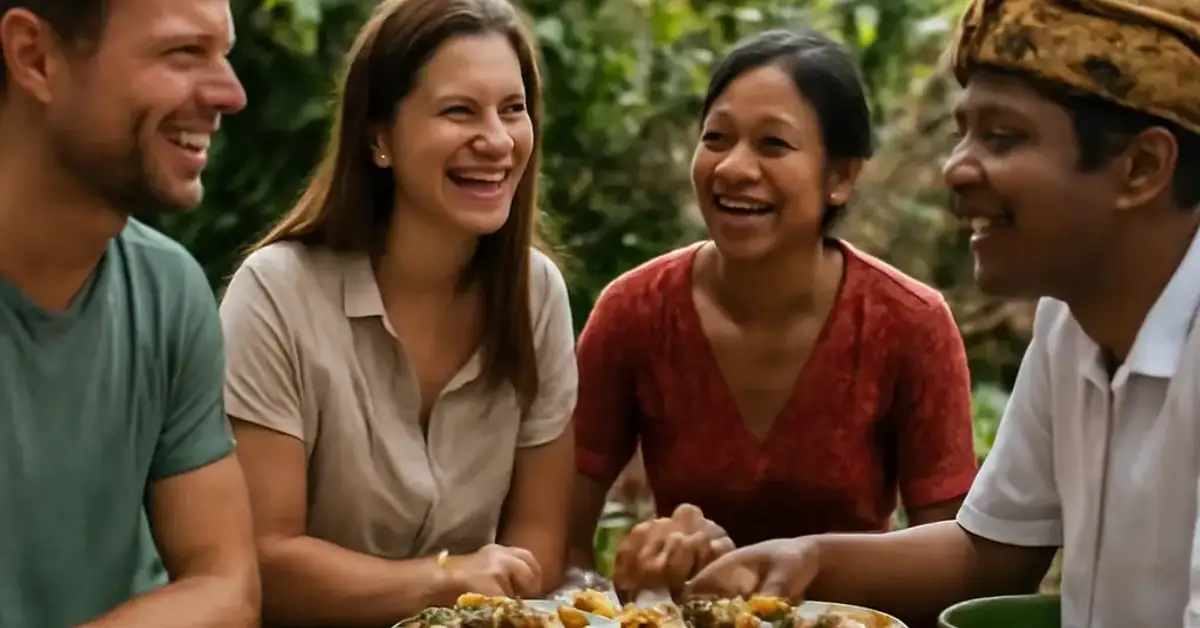
Sharing a Table With Strangers Enriches Travel Key Takeaways
Sharing a table with strangers enriches travel by transforming a simple meal into a gateway for authentic connection.
- Sharing a table with strangers enriches travel by unlocking hidden local stories and authentic flavors you would never discover alone.
- From warungs to chef-led dining, communal tables build genuine social connections and cultural immersion .
- These shared meals turn tourists into participants, making every bite a step toward meaningful travel.
Why Sharing a Table With Strangers Enriches Travel in Bali
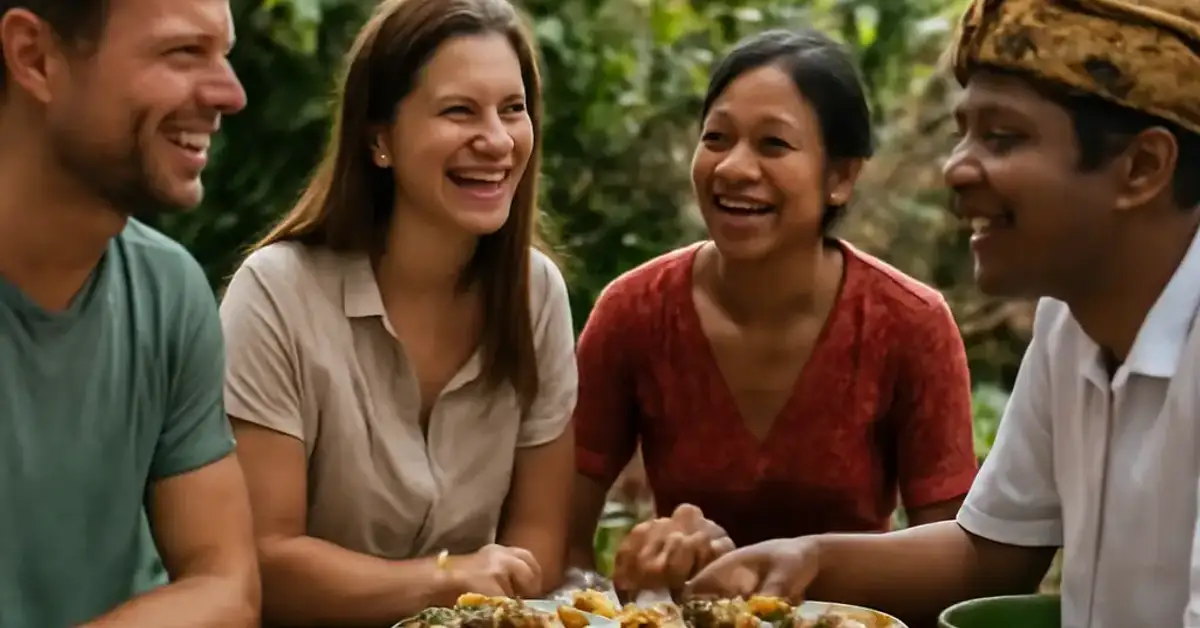
I still remember my first evening at a communal table in Ubud. I was a solo traveler, slightly nervous, clutching a small notebook and an even smaller appetite for small talk. Then a Balinese grandmother slid onto the bench beside me and pushed a plate of spicy traditional Balinese dishes my way. She didn’t speak English. I didn’t speak Bahasa. But we shared a laugh over the heat of the sambal. That moment changed how I travel forever.
Sharing a table with strangers enriches travel because it breaks down the invisible walls we carry. In a world of curated itineraries and Instagram feeds, sitting down with someone new reminds us that travel is about people, not just places. In Bali, this practice is woven into the fabric of daily life, from bustling local markets to quiet village dining spots. For a related guide, see How Experiential Travel Is Changing Bali Tourism.
As Chef Juan Gadi, I bring the heart of Filipino hospitality to Ubud, but the Balinese taught me that a shared table is the most universal language. Every meal becomes a story, every stranger a friend.
The Cultural Roots of Communal Dining in Bali
Bali food culture is built on the philosophy of Tri Hita Karana — harmony with God, people, and nature. This extends to the table. Shared dining isn’t just a trend; it is a centuries-old tradition. Families gather around low tables, sharing rice, vegetables, and meat from a single spread. This is where community dining becomes a spiritual act.
When you sit at a communal table in a local restaurant, you are stepping into a ritual of generosity. The Balinese believe that feeding someone is a blessing. By joining a table of strangers, you receive that blessing. You also offer your own presence, your curiosity, and your openness.
Warungs: The Heartbeat of Social Dining
Warungs are small family-run eateries that dot every corner of Bali. They are the perfect entry point for food travel. Here, dining experiences are stripped of pretense. You sit on a plastic stool, order a plate of nasi campur, and suddenly find yourself in a conversation with a farmer, a surfer, and a digital nomad.
The authentic flavors of Balinese cooking — turmeric, lemongrass, coconut, chili — become the backdrop for conversation over meals. You learn about the ingredients from the person who grew them. You hear stories about cultural traditions that go back generations. There is no menu translation needed when the meal itself tells a story.
Hidden Restaurants and Local Chefs
Some of the most memorable meals happen in hidden restaurants — tiny places tucked behind rice paddies or down unmarked alleys. These spots often feature local chefs who cook family recipes passed down for decades. When you share a table here, you are not just eating; you are witnessing living history.
Seven Powerful Ways Shared Tables Transform Your Journey
Sharing a table with strangers enriches travel in ways that go beyond the plate. Here are seven transformative benefits you will experience when you embrace social dining in Bali.
1. Deeper Cultural Immersion
You cannot truly understand a culture until you eat its food with its people. Cultural immersion happens naturally when you sit elbow-to-elbow with locals. You observe dining etiquette — how to use your right hand, when to start eating, how to offer food to others. These small gestures unlock a deeper understanding of Balinese life.
2. Authentic Flavors You Won’t Find on Tourist Menus
Authentic dining means eating what locals eat, not what is marketed to tourists. When you join a communal table, you often taste regional specialties that never appear on standard menus. Think lawar (spiced minced meat with coconut), bebek betutu (slow-cooked duck), or sayur urap (mixed vegetables with grated coconut). These traditional Balinese dishes are the soul of the island.
3. Genuine Social Connections
Travel can be lonely, especially for solo travelers. Social connections made over a shared meal are different from those made at a bar or a tour group. There is vulnerability and trust in eating together. You learn about someone’s life, their dreams, their local communities. These are not superficial encounters; they are the building blocks of meaningful travel.
4. A Taste of Balinese Hospitality
Balinese hospitality is legendary. When you share a table, you experience it firsthand. The host will often bring extra dishes, refill your water, and insist you try something new. This generosity is not transactional. It is a genuine expression of the Balinese belief that a guest is a blessing. Sharing a table with strangers enriches travel because it lets you receive grace in its purest form.
5. Access to Local Wisdom and Food Tours
Many food tours now incorporate communal dining as a core experience. But even without a tour, sitting with locals gives you insider knowledge. You learn which local markets sell the freshest produce, which hidden restaurants serve the best babi guling, and which regional specialties change with the season. This wisdom transforms your travel itinerary from generic to extraordinary.
6. Memorable Meals for Food Photography
For food photography enthusiasts, communal tables offer the best lighting and the most authentic compositions. The steam rising from a clay pot, the hands of a chef plating a dish, the smiles of new friends — these moments capture the essence of dining experiences in a way that posed plates never can. Your food travel photos will tell richer stories.
7. Support for Local Communities and Sustainable Tourism
When you eat at a warung or a family-run table, your money goes directly to local communities. This is sustainable tourism in action. You help preserve cultural traditions, support local chefs, and keep culinary tourism rooted in authenticity rather than commercialization. The ripple effect of your shared meal touches entire villages.
How to Experience Shared Dining in Bali: A Practical Guide
Ready to dive in? Here is how to make sharing a table with strangers enriches travel a reality on your Bali trip. These steps will help you move from observer to participant with confidence and curiosity.
Start at a Local Warung
Begin your journey at a warung. Do not be shy. Walk in, smile, and point at what looks good. Many warungs have communal tables where locals eat. Simply sit down and gesture an invitation to share the space. The Balinese are naturally warm, and you will be welcomed.
Join a Chef-Led Dining Experience
Chef led dining experiences, like the ones I host at Kilig Filipino Warung or at private villa dinners, are designed to create conversation. These intimate gatherings bring together travelers from around the world. The meal becomes a shared adventure. You taste Indonesian cuisine with a personal story attached to every dish. It is social dining at its finest. For a related guide, see Why Personalized Experiences Are Shaping Modern Travel.
Visit Local Markets Early
Local markets are a sensory explosion. Go early, before the tourists arrive. Buy a fresh coconut or a banana leaf packet of rice. Sit at a makeshift bench and eat with the vendors. This is authentic dining in its most unpolished, beautiful form. You will taste authentic flavors that no restaurant can replicate.
Try Village Dining Experiences
Village dining programs, like those in Penglipuran or Tenganan, invite travelers into homes. You sit on the floor, eat with your hands, and share stories with a family. This is the pinnacle of cultural immersion. These experiences often feature traditional Balinese dishes prepared by local chefs who are grandmothers, aunties, and neighbors.
Practice Dining Etiquette with an Open Heart
Dining etiquette in Bali is simple: use your right hand for eating, wait to be invited before starting, and never point your feet at the food. But beyond the rules, the real etiquette is curiosity. Ask questions. Compliment the cook. Offer to share something from your own culture. Conversation over meals flows naturally when both sides are genuinely interested.
Common Missteps to Avoid When Sharing a Table
Even with the best intentions, some travelers miss the point. Here are common mistakes and how to avoid them.
| Misstep | Why It Happens | How to Avoid It |
|---|---|---|
| Rushing the meal | Treating it like a quick lunch | Sit down with the intention to linger. Let the meal unfold. |
| Focusing only on photos | Prioritizing content over connection | Take one photo, then put the phone away. Be present. |
| Sticking to familiar foods | Fear of unknown ingredients | Say yes to everything offered. Trust your host. |
| Dominating the conversation | Nervousness or cultural habit | Listen more than you speak. Let stories emerge naturally. |
| Ignoring local customs | Lack of preparation | Read about Balinese dining etiquette before you go. |
How These Experiences Create Lasting Connections
Sharing a table with strangers enriches travel not just for the duration of the meal, but for years afterward. I have seen travelers exchange contact information with Balinese farmers, return to the same warung a decade later, and host their own communal dinners inspired by what they learned.
The travel connections formed over food are uniquely resilient. They are grounded in the most fundamental human activity: eating together. When you share a meal, you share trust. You share vulnerability. You share joy. These bonds transcend language, nationality, and background.
On a practical level, these experiences also reshape your travel itinerary. You start seeking out hidden restaurants over tourist traps. You prioritize cultural exchange over checkbox sightseeing. Your food adventures become the highlight of your journey, and your culinary experiences become stories you tell for a lifetime.
For first time visitors to Bali, this shift can feel intimidating. But once you experience the warmth of a shared table, you will never travel the same way again. You become part of a global community of travelers who understand that meaningful travel is about connection, not consumption.
Useful Resources
To deepen your understanding of Bali’s food culture and communal dining traditions, explore these resources:
- Bali Food Culture Guide — A comprehensive look at the island’s culinary heritage and the role of shared meals.
- Bali Restaurant Guide — Curated recommendations for authentic warungs and community dining experiences.
Frequently Asked Questions About Sharing a Table With Strangers Enriches Travel
What does sharing a table with strangers enriches travel mean?
It means that eating with people you don’t know creates deeper cultural exchange, fosters genuine social connections, and transforms a meal into a meaningful travel experience that goes beyond sightseeing.
How do I find communal tables in Bali?
Look for local restaurants, warungs, and hidden restaurants that use communal tables. You can also join food tours or chef led dining events designed for social dining.
Is it safe to share a table with strangers in Bali?
Yes, Bali is known for its warm hospitality and safe local communities. Use common sense and trust your instincts, just as you would anywhere in the world.
What are the best traditional Balinese dishes to try?
Traditional Balinese dishes include nasi campur, babi guling, bebek betutu, lawar, and sayur urap. These regional specialties showcase the depth of Balinese cuisine.
Can solo travelers benefit from communal dining ?
Absolutely. Solo travelers find that communal dining makes it easy to meet people, form social connections, and experience authentic dining without the awkwardness of eating alone.
What is the dining etiquette in Bali?
Use your right hand for eating, wait to be invited before starting, and never point your feet at the food or people. Dining etiquette also includes showing appreciation for the meal.
How does communal dining support sustainable tourism?
When you eat at warungs and family-run tables, your money directly supports local communities and local chefs. This is a key principle of sustainable tourism.
What is a warung in Bali?
A warung is a small family-run eatery that serves local cuisine. They are the heart of community dining in Bali and the best place to experience authentic flavors.
Are there chef-led dining experiences in Bali?
Yes. Chef led dining experiences, like those hosted by Chef Juan Gadi, offer intimate culinary experiences that combine traditional Balinese dishes with modern technique.
How do I photograph food at a communal table respectfully?
Take one or two quick shots for food photography, then put your camera away. Focus on the conversation over meals and the people, not just the plate.
What should I talk about when dining with strangers?
Start with the food itself. Ask about ingredients, cooking methods, and cultural traditions. This naturally leads to deeper cultural exchange and travel connections.
Can I find vegetarian options at communal tables in Bali?
Yes. Balinese cuisine includes many vegetable dishes like sayur urap and lawar. Warungs are usually happy to accommodate dietary needs with authentic flavors.
What is the best time of day for communal dining in Bali?
Lunch and early dinner (around 7 PM) are the best times. Local markets are most active in the morning, while village dining often happens in the evening.
How do I find hidden restaurants in Bali?
Ask local food bloggers or travel bloggers, join food tours, or strike up a conversation over meals with a local. Word of mouth is the best guide to hidden restaurants.
What are the best food tours for communal dining ?
Look for food tours that emphasize cultural immersion and community dining. Tours that visit warungs, local markets, and village dining spots are ideal.
How does sharing a table help digital nomads?
Digital nomads often struggle with isolation. Shared dining creates social connections and a sense of belonging, making long-term travel more sustainable and fulfilling.
What is the role of local chefs in communal dining ?
Local chefs are storytellers. They preserve cultural traditions, use regional specialties, and create memorable meals that connect diners to the land and community.
Can I host my own communal dining experience in Bali?
Yes. Many villas and local restaurants offer spaces for private dinners. You can invite strangers from your travel community or connect with food enthusiasts online.
How do I overcome shyness about eating with strangers?
Start small. Sit at a communal table during a busy lunchtime. Smile and ask a simple question about the menu. The hospitality of the Balinese will quickly put you at ease.
Why is sharing a table with strangers enriches travel important for first-time visitors?
For first time visitors to Bali, it breaks the tourist bubble. It offers a direct path to authentic experiences, cultural exchange, and memorable meals that define meaningful travel. For a related guide, see Why Travelers Crave Authentic Human Connections Abroad.
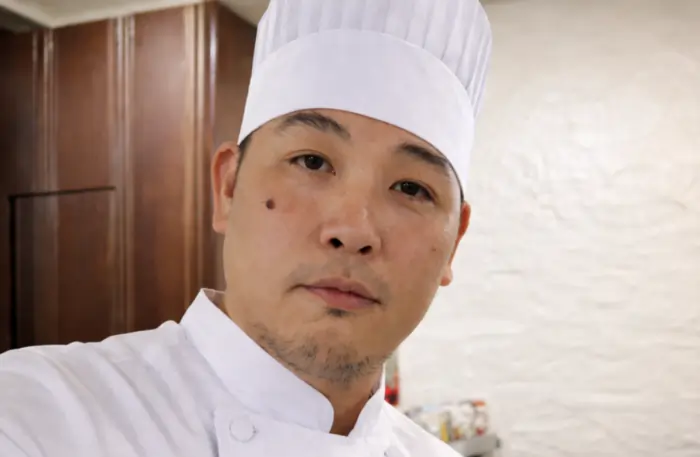
Chef Juan Gadi brings the heart of Filipino hospitality to Ubud, Bali. As an Executive Chef and consultant, he specializes in creating intimate, curated dining experiences that tell a story through every dish. Whether leading the kitchen at Kilig Filipino Warung or hosting a private villa dinner, Chef Juan’s approach is defined by warmth, modern technique, and a commitment to culinary excellence.