
Seasonal Ingredients Shape Filipino Menus in Bali Key Takeaways
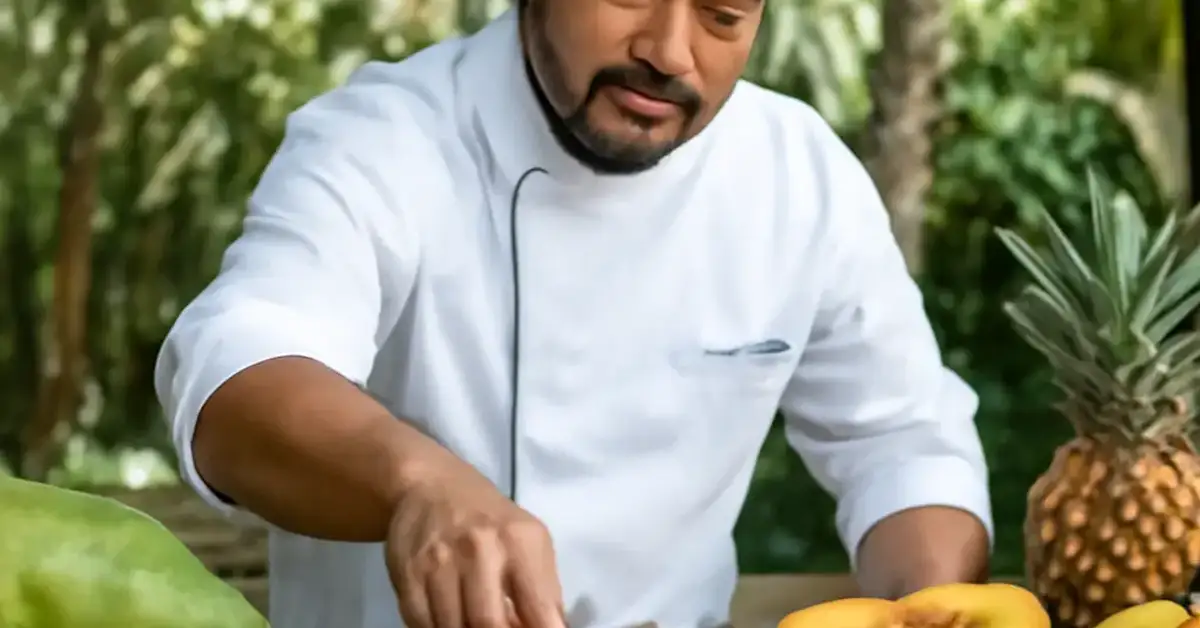
Chef Juan Gadi brings the warmth of Filipino hospitality to Ubud, Bali, crafting menus that honor both Philippine culinary traditions and the island’s vibrant seasonal harvest.
- Seasonal Ingredients Shape Filipino Menus in Bali by dictating which vegetables, fruits, and seafood appear on the plate, from wet-season jackfruit to dry-season tuna.
- Travelers who seek Filipino cuisine Bali experiences at Kilig Filipino Warung enjoy menus that change with the calendar, offering a genuine taste of both Philippine and Balinese terroir.
- Seasonal sourcing supports sustainable dining practices, reduces food miles, and introduces guests to tropical ingredients they may have never tasted before.
Why Seasonal Ingredients Shape Filipino Menus in Bali for Travelers
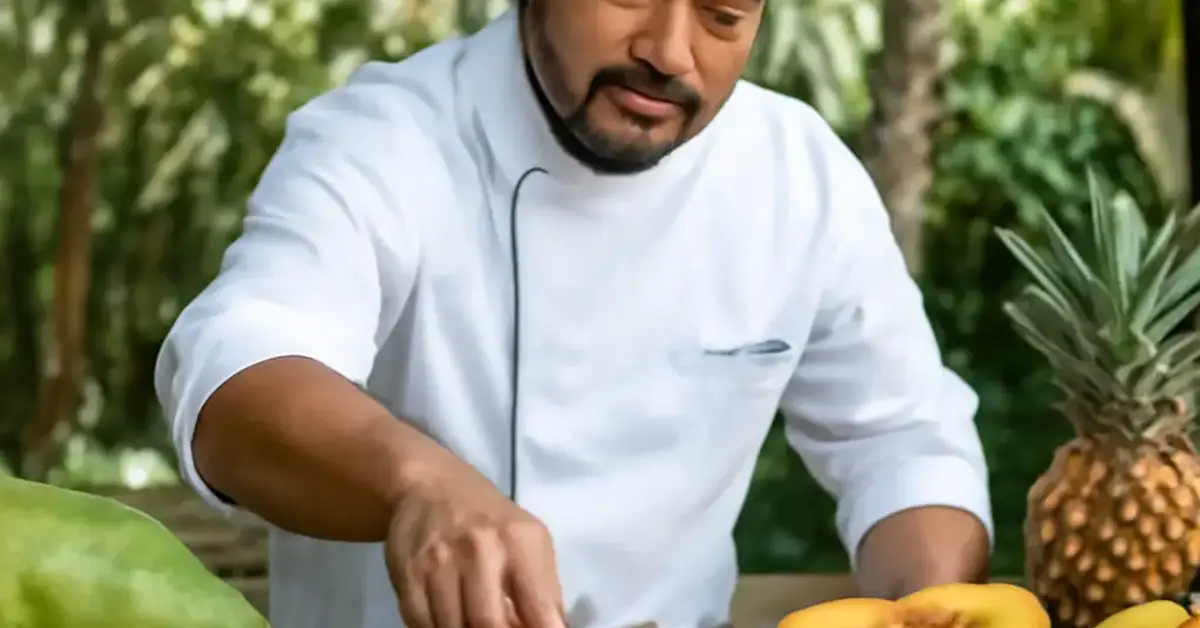
Bali’s tropical climate yields two distinct seasons — wet and dry — each bringing its own bounty of produce and seafood. For Chef Juan Gadi, seasonal ingredients shape Filipino menus in Bali in ways that surprise and delight guests. “When a traveler walks into Kilig, I want them to taste the story of that week’s market haul,” he says. “It’s not just about replicating a recipe from the Philippines; it’s about letting Bali’s soil and sea speak through our dishes.”
This philosophy resonates deeply with the growing number of culinary travel Bali enthusiasts who crave more than a standard meal. They want to understand where their food comes from, how it connects to local culture, and why it tastes different on a humid afternoon in Ubud compared to a rainy evening in Manila. By centering the menu on seasonality, Chef Juan delivers an experience that is both educational and deeply satisfying.
Whether you are a food tourism Bali seeker, a digital nomad exploring Ubud’s warungs, or a Filipino traveler longing for home flavors reimagined with local twists, these menus offer something rare: a conversation between two island nations united by tropical abundance.
The Seasonal Bounty: What Are Seasonal Ingredients in Bali?
To understand how seasonal ingredients shape Filipino menus in Bali, it helps to know what the island offers throughout the year. Seasonal ingredients in Bali are heavily influenced by the monsoon cycles. The wet season (October to April) brings heavy rains that nourish leafy greens, root vegetables, and tropical fruits like jackfruit and snake fruit. The dry season (May to September) yields a different harvest: sun-ripened mango, sweet banana, and abundant fresh seafood from the surrounding waters.
Chef Juan works closely with local farmers and fishermen who deliver market fresh produce daily. He sources local vegetables such as water spinach, long beans, and purple yam — ingredients that mirror the regional specialties of the Philippines but carry the distinct terroir of Bali. “The coconut here has a slightly nuttier flavor because of the volcanic soil,” he notes. “It changes how I approach a classic ginataan.”
Key ingredients that define these menus include:
- Tropical fruits: mango, banana, papaya, jackfruit, snake fruit, mangosteen
- Tropical herbs: pandan, lemongrass, kaffir lime leaves, turmeric, galangal
- Fresh seafood: tuna, snapper, mackerel, squid, prawns — all caught seasonally
- Local vegetables: water spinach (kangkong), long beans, winged beans, cassava leaves, purple yam (ube)
- Citrus and souring agents: calamansi (grown locally in Bali), tamarind, green mango
How Do Balinese and Filipino Ingredients Complement Each Other?
The two cuisines share a deep reliance on tropical ingredients, grilled seafood, and bold, sour-savory profiles. Balinese ingredients like salam leaves and candlenut blend seamlessly into Filipino recipes. For example, Chef Juan uses Balinese long pepper in place of traditional black pepper to give his adobo a subtle floral heat. The result is a fusion cuisine that respects both traditions without diluting their identities.
At Kilig Filipino Warung, guests often remark how familiar yet new the food tastes. The Filipino flavors they love — tangy, salty, umami — are present, but the local ingredients add an unexpected layer of brightness. This cross-cultural harmony is what makes Bali dining so exciting for international tourists and culinary travelers alike. For a related guide, see 9 Filipino Dining Trends Influencing Bali’s Culinary Scene.
How Do Chefs Adapt Filipino Recipes Using Seasonal Produce?
Adapting Filipino recipes to Bali’s seasonal cycles requires both technical skill and creative intuition. Chef Juan approaches each dish with a question: “What is the strongest ingredient available right now, and how can I make it the star?”
For example, during the wet season, when tropical fruits like jackfruit and banana are plentiful, he prepares a jackfruit kinilaw — a raw salad marinated in calamansi and coconut cream. In the dry season, when tuna runs thick, he serves a seared tuna belly sinigang with a clear broth made from Balinese green tomatoes and lemongrass. The seasonal cooking approach ensures that every plate reflects the moment it was made.
Menu planning happens weekly. Chef Juan visits local markets with his team, selecting market fresh produce and adjusting the menu board accordingly. This farm to table model keeps the kitchen agile and the guests curious. “It’s not sustainable to import frozen vegetables when Bali grows some of the best tropical herbs and local vegetables in the world,” he says. “Why would I use canned bamboo shoots when I can get fresh ones from a farmer ten kilometers away?”
What Are the Benefits of Cooking with Fresh Seasonal Ingredients?
Cooking with fresh, seasonal ingredients offers a host of benefits that go beyond flavor:
- Nutritional density: Produce harvested at peak ripeness contains more vitamins and antioxidants.
- Environmental sustainability: Less transportation means lower carbon emissions and less packaging waste.
- Economic support: Sourcing from local markets strengthens Bali’s farming communities.
- Flavor intensity: A mango picked yesterday tastes sweeter and more aromatic than one shipped from abroad.
- Menu creativity: Limited availability forces chefs to innovate, leading to more diverse seasonal Filipino dishes.
What Seasonal Seafood and Tropical Fruits Are Popular in Filipino Cuisine?
Filipino cuisine Bali menus often highlight seafood that mirrors the Philippines’ own coastal traditions. Popular choices include:
| Season | Seafood | Tropical Fruit | Filipino Dish Example |
|---|---|---|---|
| Dry (May–Sep) | Yellowfin tuna, snapper, squid | Mango, papaya, dragon fruit | Grilled tuna belly with green mango salsa |
| Wet (Oct–Apr) | Mackerel, prawns, clams | Jackfruit, banana, mangosteen | Coconut milk-based prawn curry with jackfruit |
| Year-round | Sardines, crab, octopus | Coconut, calamansi, banana | Calamansi-cured sardines on rice |
The constant rotation keeps guests coming back. Food tourism Bali fans often plan their trips around seasonal peaks to taste dishes like grilled seafood with fresh pandan rice or young coconut desserts that appear only during certain months.
How Does Seasonal Sourcing Support Sustainable Dining?
Sustainable dining is not a marketing term at Kilig; it is a daily practice. By relying on seasonal ingredients in Bali, Chef Juan minimizes food waste and energy consumption. He preserves excess produce through fermentation and pickling — techniques that also add Filipino flavors to the menu. Burong mangga (pickled green mango) made with Balinese vinegar appears as a condiment year-round, extending the life of a seasonal fruit. For a related guide, see 12 Ways Filipino Cuisine Is Evolving in Bali: A Chef’s Expert Take.
This model aligns with the values of digital nomads and travelers in Bali who prioritize eco-conscious choices. Chef Juan often hosts intimate, curated dining experiences at private villas where he explains the sourcing story behind each course. These gatherings have become a highlight for fine dining guests who want to invest in meaningful food experiences.
Sustainable sourcing also reduces the restaurant’s reliance on imported goods. Chef Juan estimates that over 85% of his ingredients come from within 50 kilometers of Ubud. This short supply chain keeps money in the local economy and ensures that every dish is an authentic reflection of place.
Where Can Travelers Enjoy Seasonal Filipino Dishes in Bali?
Travelers eager to experience how seasonal ingredients shape Filipino menus in Bali should head to Kilig Filipino Warung in Ubud. The intimate setting — a handful of tables tucked into a garden — creates the perfect backdrop for Chef Juan’s storytelling approach. Guests can choose a la carte dishes or opt for a multi-course tasting menu that changes weekly.
For those who prefer private dining, Chef Juan offers consultant services for villa guests, customizing menus based on the group’s preferences and the day’s market finds. These private dinners are popular with expatriates, honeymooners, and food bloggers looking for exclusive content opportunities.
Many hospitality professionals and restaurant owners visit Kilig to study the culinary innovation happening there. Chef Juan welcomes fellow chefs to his kitchen for informal knowledge exchange, reinforcing his belief that seasonality is a universal language in island cuisine.
5 Proven Benefits of Seasonal Filipino Menus for Travelers
Here is a quick overview of why seasonal ingredients shape Filipino menus in Bali into a must-try experience:
- Unmatched freshness: Market fresh produce harvested within 24 hours retains vibrant flavors.
- Cultural immersion: Eating seasonally connects you to Bali’s agricultural rhythms and Filipino hospitality.
- Health and digestion: Seasonal foods are naturally aligned with the body’s needs in a tropical climate.
- Lower environmental impact: Seasonal menus reduce food miles and packaging waste.
- Memorable variety: Every visit offers something new — no two trips to Kilig are the same.
Useful Resources
For more on seasonal ingredients in Bali, check out Bali Grown’s seasonal produce guide, which tracks what is available month by month. To dive deeper into Filipino cuisine Bali traditions and their adaptation abroad, visit Curated PH’s diaspora cooking series.
Frequently Asked Questions About Seasonal Ingredients Shape Filipino Menus in Bali
What are seasonal ingredients in Bali ?
Seasonal ingredients in Bali include tropical fruits like mango, jackfruit, banana, and snake fruit, along with fresh seafood such as tuna, snapper, and prawns. Leafy greens, root vegetables, and herbs like pandan and lemongrass also vary with the wet and dry seasons.
How do seasonal ingredients shape Filipino menus in Bali ?
They determine which vegetables, fruits, and seafood appear in dishes, encouraging chefs to adapt traditional Filipino recipes to what is locally available. This results in menus that change weekly and highlight the best of both Balinese and Philippine terroir.
Which local ingredients are commonly used in Filipino restaurants across Bali?
Common local ingredients include calamansi, coconut, pandan, lemongrass, water spinach, long beans, winged beans, Balinese long pepper, and fresh tuna or snapper. These replace imported items while maintaining authentic Filipino flavors.
How do chefs adapt Filipino recipes using seasonal produce?
Chefs start with the strongest ingredient of the week — such as jackfruit in the wet season — and build a dish around it. They adjust cooking techniques, souring agents, and spices to match what the market offers while staying true to Filipino taste profiles.
What are the benefits of cooking with fresh seasonal ingredients?
Benefits include higher nutritional value, better flavor, lower environmental impact, support for local farmers, and increased creativity in the kitchen. Seasonal cooking also reduces food waste and transportation emissions.
Where can travelers enjoy seasonal Filipino dishes in Bali?
Kilig Filipino Warung in Ubud offers a changing menu based on daily market finds. Chef Juan also provides private villa dining services for groups seeking an intimate, curated experience.
How do Balinese and Filipino ingredients complement each other?
Both cuisines rely on tropical produce, sour-savory profiles, and grilled seafood. Balinese ingredients like candlenut and salam leaves integrate seamlessly into Filipino adobo and sinigang, creating a natural fusion that respects both cultures.
What seasonal seafood and tropical fruits are popular in Filipino cuisine?
Popular seasonal seafood includes tuna, snapper, mackerel, and prawns. Tropical fruits such as mango, jackfruit, banana, and papaya are frequently used in both savory dishes and desserts.
How does seasonal sourcing support sustainable dining ?
Seasonal sourcing reduces food miles, eliminates the need for long-term cold storage, and supports local farmers. It also encourages chefs to preserve surplus through fermentation, minimizing waste while expanding flavor options.
Why do seasonal menus create a better dining experience for travelers?
Seasonal menus offer variety, freshness, and a direct connection to the local environment. Each visit reveals new flavors and ingredients, making the meal feel unique and memorable rather than standardized.
Is Kilig Filipino Warung open for lunch and dinner?
Kilig typically serves dinner from 5 PM to 10 PM, though hours may vary seasonally. Chef Juan recommends booking in advance as the intimate space fills quickly with travelers and locals alike.
Can I request a dish that is not on the current menu?
If the required ingredients are in season, Chef Juan is happy to accommodate special requests. Guests are encouraged to communicate dietary needs or preferences at least 24 hours ahead.
What is the price range for a meal at Kilig Filipino Warung?
A la carte dishes range from IDR 50,000 to IDR 150,000. The tasting menu, which includes multiple courses and a beverage pairing, is priced around IDR 350,000 per person.
Does Chef Juan offer cooking classes or market tours?
Yes, Chef Juan periodically hosts market tours followed by hands-on cooking sessions. These workshops focus on seasonal ingredient selection and Filipino cooking techniques adapted to Balinese produce.
Are vegetarian or vegan options available?
Many seasonal Filipino dishes are plant-based or can be modified. Chef Juan prepares vegetable-centric options such as coconut-based curries, jackfruit kinilaw, and grilled vegetable salads using local greens.
How far in advance should I book a private villa dinner?
At least one week is recommended to allow Chef Juan to source the best seasonal ingredients and design a personalized menu. Larger groups may require two weeks’ notice.
What languages does Chef Juan speak?
Chef Juan is fluent in English, Tagalog, and conversational Indonesian. He communicates easily with international guests, local farmers, and Balinese staff.
Can I buy local ingredients or prepared sauces to take home?
Kilig occasionally sells small batches of house-made calamansi concentrate, pickled green mango, and coconut-based sauces. Availability depends on seasonal supply and production capacity.
Is there parking near Kilig Filipino Warung in Ubud?
Street parking is available in the vicinity. Many guests opt for scooters or ride-hailing services, as Ubud’s center can get congested in the evenings.
How can I stay updated on Kilig’s seasonal menu changes?
Follow Kilig Filipino Warung on Instagram or subscribe to Chef Juan’s newsletter. He posts weekly market updates and previews of new dishes before they debut.
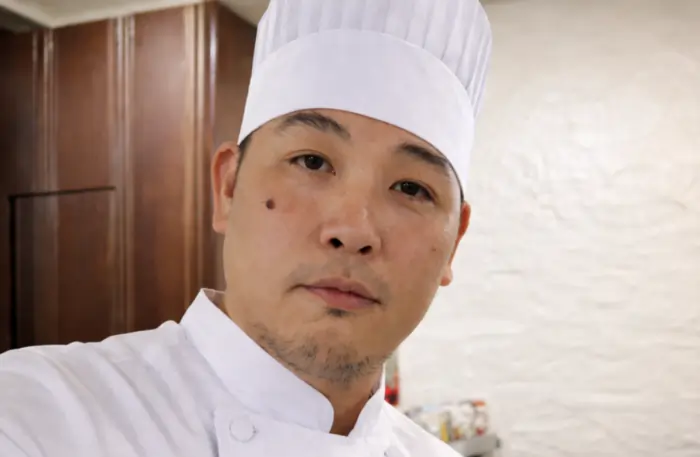
Chef Juan Gadi brings the heart of Filipino hospitality to Ubud, Bali. As an Executive Chef and consultant, he specializes in creating intimate, curated dining experiences that tell a story through every dish. Whether leading the kitchen at Kilig Filipino Warung or hosting a private villa dinner, Chef Juan’s approach is defined by warmth, modern technique, and a commitment to culinary excellence.