Understanding the Role of Texture in Filipino Cuisine Key Takeaways
Filipino food is a symphony of contrasts, where each bite tells a story through its texture.
- Understanding the role of texture in Filipino cuisine is essential for anyone who wants to cook or appreciate this vibrant Southeast Asian tradition. Texture is not an afterthought — it is a core principle of Filipino gastronomy .
- Chef Juan Gadi, an Executive Chef in Ubud, Bali, demonstrates how traditional cooking methods like deep-frying, stewing, and steaming achieve distinct textures that balance every meal. From crunchy lumpia to tender adobo , every dish plays its part.
- This guide offers 7 expert insights into how texture shapes Filipino culinary traditions , from indigenous ingredients like coconut milk and sticky rice to family-style dining that celebrates texture contrast . Whether you are a chef, a food traveler, or a home cook, you will understand why Filipino food feels as good as it tastes.
What Is the Role of Texture in Filipino Cuisine?
Understanding the role of texture in Filipino cuisine starts with a simple truth: every Filipino dish is built around a deliberate mouthfeel. When I cook at Kilig Filipino Warung in Ubud, I see guests close their eyes at the first bite of crispy pork — not because the flavor is surprising, but because that crackling crunch announces something truly special. Filipino cuisine uses texture as a language. A crunchy lumpia whispers of celebration; a bowl of creamy kare kare speaks comfort; and a slice of silky leche flan sings sweetness with every spoonful.
Chefs and home cooks alike rely on texture to create food balance on the plate. A single meal often moves from the shatter of roasted lechon skin to the soft surrender of tender adobo, then to the cool smoothness of gelatinous desserts. This is not chaos — it is intention. Filipino culinary traditions teach that food should engage all senses, and texture is the most direct way to make a meal memorable.
Why Texture Matters in Traditional Filipino Cooking
Why is texture important in traditional Filipino cooking? Because Filipino cooking evolved in a landscape of limited refrigeration and abundant tropical ingredients. Traditional cooking methods like braising in vinegar based dishes or wrapping in banana leaves naturally produced distinct textures that preserved food and made it more pleasurable. When I host private villa dinners, I tell guests that texture is the secret architecture of every authentic Filipino food experience.
Filipino flavors — salty, sour, sweet, and bitter — need a textural counterpoint to shine. A sharp vinegar based dish benefits from the richness of coconut milk. A plate of grilled seafood feels lighter when paired with fresh vegetables that still snap. This interplay is why Filipino dining feels so complete. Without texture, even the best heritage recipes would fall flat.
7 Insights on How Texture Defines Filipino Gastronomy
1. Crispy Pork and the Art of Deep-Frying
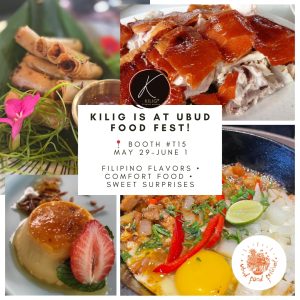
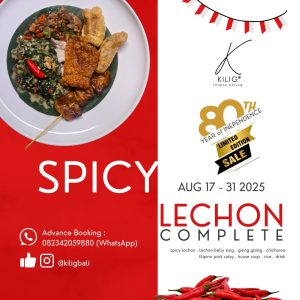
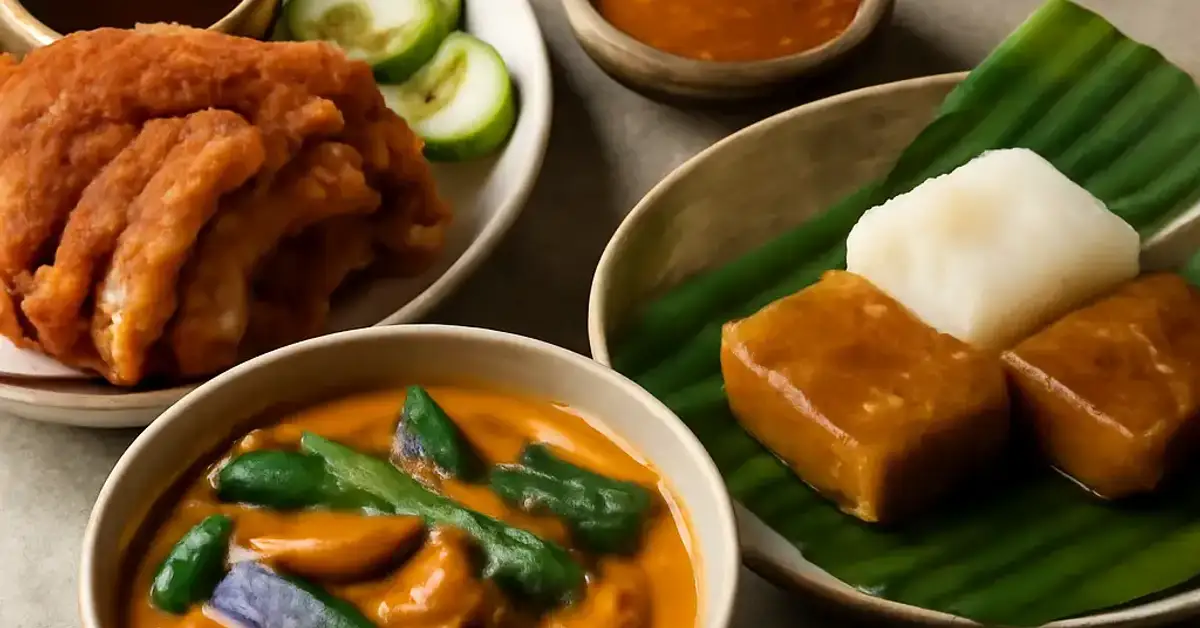
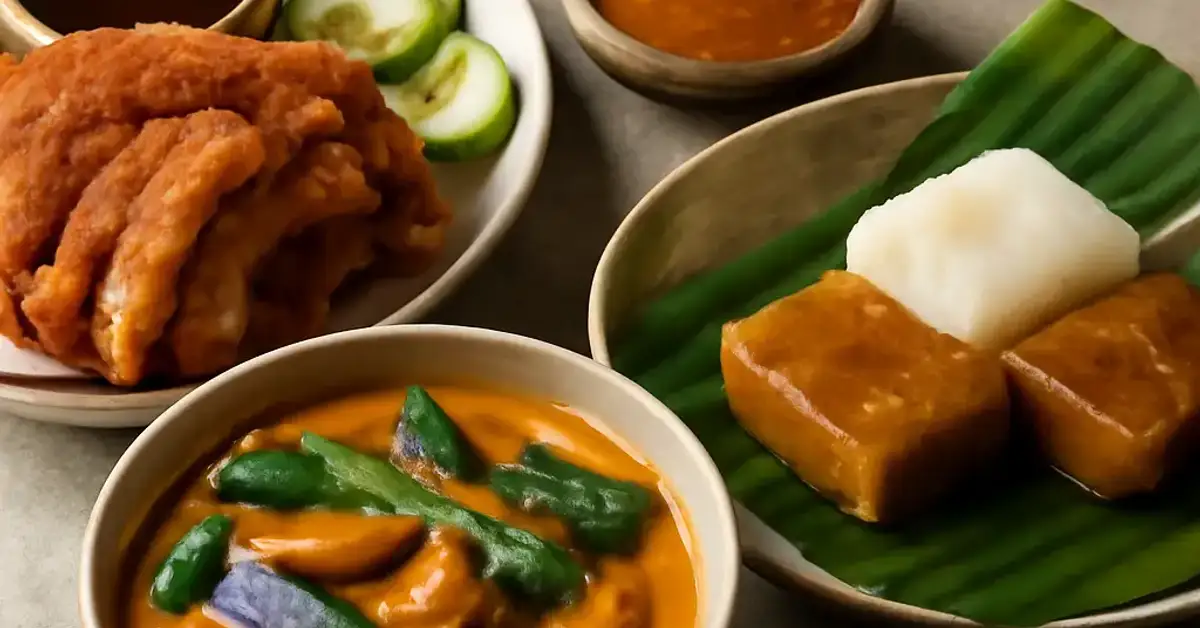
Crispy pork is the poster child of Filipino gastronomy. Whether it is lechon kawali or the iconic roasted lechon from Cebu, the technique is the same: slow-cook until tender, then fry until the skin shatters. This dual-step method is one of the culinary techniques that defines authentic Filipino food. The fat renders, the skin puffs, and every bite delivers a crunch that contrasts beautifully with the juicy meat inside.
2. Crunchy Lumpia: A Crisp Wrapper of Tradition
Crunchy lumpia is more than a spring roll — it is a lesson in texture contrast. The thin wrapper fries to golden, shatteringly crisp perfection, while the filling stays moist and savory. Served with a sweet-sour dipping sauce, it exemplifies how Filipino cuisine balances texture within a single bite. At my warung, I always serve crunchy lumpia first because it wakes up the palate.
3. Creamy Kare-Kare and the Power of Peanut Sauce
Creamy kare kare offers the opposite experience: velvety, rich, and soothing. Made from oxtail, tripe, and vegetables in a peanut-thickened sauce, this dish relies on slow simmering to break down collagen. The result is a sauce that coats the tongue and contrasts with the fresh vegetables (like eggplant and string beans) that are added at the last moment. Food balance here comes from the creamy base meeting the bright, salty accent of bagoong (fermented shrimp paste).
4. Tender Adobo: Vinegar and Soy as Textural Agents
Tender adobo is perhaps the most famous Filipino dish, and its texture is a product of two key ingredients: vinegar and soy sauce. The acid from the vinegar breaks down protein fibers, while the soy sauce adds depth. Braised until fork-tender, tender adobo can have a slightly gelatinous sauce that clings to rice. This is a perfect example of how vinegar based dishes are not just about flavor — they are about achieving a specific mouthfeel.
5. Chewy Kakanin: The Soul of Filipino Desserts
Chewy kakanin — rice cakes made from sticky rice — are the heart of Filipino desserts. Biko, sapin-sapin, and suman all celebrate the unique chewiness that only glutinous rice can provide. Wrapped in banana leaves and steamed, these heritage recipes have been passed down for generations. The chewiness is not a defect; it is a prized quality that sets Filipino desserts apart from Western sweets.
6. Silky Leche Flan: A Study in Smoothness
Silky leche flan is the ultimate expression of smooth texture in Filipino cuisine. Made from egg yolks, condensed milk, and sugar, steamed slowly until custard-like, it has a surface so glossy it looks like glass. The contrast with a caramel syrup that pools at the bottom creates a two-layered texture experience. This Filipino dessert shows that texture can be quiet — subtle, but unforgettable.
7. Gelatinous Desserts and Coconut Milk Creations
Gelatinous desserts like gulaman (agar-agar) and maja blanca (coconut pudding) rely on coconut milk and natural thickeners. Their wobble and jiggle are part of their charm. In Filipino culinary traditions, these desserts often end a meal of heavy savory dishes, providing a light, refreshing contrast. They also highlight the importance of indigenous ingredients in achieving unique textures.
How Cooking Methods Shape Texture in Filipino Dishes
The methods used in Filipino cooking are all about control over texture. Traditional cooking methods like adobo (braising), sinigang (souring with tamarind), and inihaw (grilling) each produce a different mouthfeel. Grilling over charcoal adds smoky char and slight chew; braising in vinegar tenderizes; and deep-frying creates a crust. Regional specialties even vary within the Philippines — Ilocano cuisine favors crunchy, fried preparations, while Southern dishes often lean into coconut milk-rich, creamy textures. For a related guide, see 7 Signature Ingredients Behind Filipino Cuisine in Bali.
Ingredients That Create Unique Textures in Philippine Cuisine
Several indigenous ingredients are responsible for the distinct food texture of Philippine cuisine:
- Coconut milk: Adds richness and a silky body to curries, desserts, and sauces.
- Sticky rice: The backbone of chewy kakanin and many savory dishes.
- Vinegar: Not just a souring agent, but a tenderizer that transforms meat and fish.
- Banana leaves: Used as wrappers, they impart a subtle aroma and keep food moist during steaming.
- Fresh vegetables: Bean sprouts, okra, and eggplant provide crunch and snap in dishes like kare-kare and sinigang.
- Grilled seafood: Direct heat creates caramelized crusts and flaky interiors.
- Roasted lechon: The whole pig is a textural wonder — crackling skin, tender meat, and juicy fat.
Texture Contrast in Family-Style Dining
Family style dining is at the heart of Filipino dining. A typical table spreads out multiple dishes that each contribute a different texture: a bowl of creamy kare kare, a plate of crispy pork, a pile of grilled seafood, and a basket of fresh vegetables with dipping sauce. Guests are encouraged to combine textures on their spoon — a bit of crunchy lechon, some creamy sauce, a bite of rice. This texture contrast is what makes every meal exciting and never boring. It is also why I design my private villa menus around this principle, creating a journey through Filipino flavors that keeps diners engaged from start to finish.
How Filipino Desserts Showcase Texture in Culinary Traditions
Filipino desserts are a masterclass in texture variety. From chewy kakanin to silky leche flan to gelatinous desserts, sweet endings are rarely one-note. Even a simple dessert like halo-halo contains a mosaic of textures: shaved ice, sweet beans, coconut gel, leche flan, and crispy pinipig (toasted rice). Each spoonful offers a different combination. This celebration of food texture in desserts reflects the broader Philippine cuisine philosophy: food should surprise and satisfy through every sense.
What First-Time Diners Should Expect from Authentic Filipino Food
If you are new to Filipino food, expect a journey. You will encounter crispy pork that sounds like applause, tender adobo that melts, and chewy kakanin that asks you to slow down. Authentic Filipino food does not hide its textures — it celebrates them. In Bali, I guide guests through this experience by explaining each dish’s textural purpose. The key is to stay open and let your palate explore. Trust that the chaos of textures is intentional, and that every crunch, cream, and chew has a story.
Useful Resources
For more on Filipino culinary traditions and food tourism Philippines, explore these trusted sources:
- Kawaling Pinoy — Classic Filipino Recipes — A comprehensive collection of heritage recipes and traditional cooking methods.
- Spot.ph Guide to Texture in Filipino Food — An excellent article on how food texture defines Filipino flavors and regional specialties.
Frequently Asked Questions About Understanding the Role of Texture in Filipino Cuisine
What is the role of texture in Filipino cuisine ?
Texture plays a foundational role in Filipino cuisine by balancing Filipino flavors and enhancing the dining experience. Every dish is crafted to offer a distinct mouthfeel, from crispy pork to creamy kare kare, creating a multi-sensory meal that is central to Filipino culinary traditions. For a related guide, see 10 Filipino Food Traditions That Every Traveler Should Experience.
Why is texture important in traditional Filipino cooking ?
Texture is important because traditional cooking methods such as braising in vinegar, deep-frying, and steaming naturally produce distinct textures that improve preservation and palatability. It also provides the food balance that makes Filipino food so satisfying.
How do Filipino dishes combine different textures?
Filipino dishes combine textures through family style dining, where each dish contributes a different food texture. For example, a meal might pair crunchy lumpia with creamy kare kare and tender adobo, allowing diners to mix and match for a varied experience.
What are the best examples of texture contrast in Filipino food ?
Top examples include crispy pork lechon with its crackling skin and tender meat, crunchy lumpia with a soft filling, and creamy kare kare served alongside fresh vegetables that add crunch. Silky leche flan also contrasts with firmer gelatinous desserts like gulaman.
How do cooking methods influence the texture of Filipino dishes?
Methods like braising, deep-frying, grilling, and steaming each create a unique mouthfeel. Braising in vinegar produces tender adobo, while deep-frying yields crispy pork. Steaming in banana leaves results in soft, moist textures for chewy kakanin.
What ingredients create unique textures in Philippine cuisine ?
Indigenous ingredients like coconut milk, sticky rice, vinegar, and banana leaves are key. Coconut milk adds creaminess, sticky rice creates chewy kakanin, and vinegar based dishes tenderize proteins while adding a tangy edge.
How do desserts showcase texture in Filipino culinary traditions ?
Filipino desserts like silky leche flan, chewy kakanin, and gelatinous desserts highlight a range of textures from smooth to chewy to bouncy. They are designed to provide a satisfying contrast to the savory dishes in a meal.
What should first-time diners expect from authentic Filipino food ?
First-time diners should expect a variety of textures, from crispy pork to tender adobo to chewy kakanin. Meals are often served family style, and the contrast of food textures is intentional. The experience is welcoming, flavorful, and full of surprises.
How does texture enhance the overall dining experience?
Texture engages the sense of touch and hearing, making each bite more memorable. The crackle of crispy pork or the smoothness of silky leche flan creates emotional connections to the food, which is why food texture is central to Filipino gastronomy.
Why is Filipino cuisine known for balancing flavor and texture?
Filipino cuisine balances flavor and texture because of its emphasis on contrast. A salty, sour, or rich flavor is always paired with a complementary texture — for example, creamy kare kare with fresh vegetables — to create a harmonious food balance.
Does Filipino food use a lot of deep-frying?
Yes, deep-frying is a common traditional cooking method used to achieve crispy pork and crunchy lumpia. However, Filipino cuisine also relies on braising, grilling, and steaming to offer a wide range of textures.
What is the most textured Filipino dish?
Lechon (roast pig) is often cited as the most textured, with its shatteringly crisp skin and tender, juicy meat. Another contender is halo-halo, which combines shaved ice, beans, jellies, and leche flan for a multi-textured dessert.
Can you find Filipino food in Bali?
Yes, at Kilig Filipino Warung and through private villa dinners hosted by Chef Juan Gadi in Ubud, Bali. These dining experiences feature authentic Filipino food with all the textural complexity of Philippine cuisine. For a related guide, see 12 Ways Filipino Cuisine Is Evolving in Bali: A Chef’s Expert Take.
How does coconut milk affect texture in Filipino dishes?
Coconut milk adds a creamy, rich mouthfeel to both savory and sweet dishes. It thickens sauces, smooths out curries, and provides a silky base for gelatinous desserts like maja blanca.
Is sticky rice used in savory dishes too?
Absolutely. Sticky rice is used in both savory and sweet dishes. In traditional Filipino food, it is often steamed in banana leaves as suman, or served alongside savory stews to add a chewy, absorbent texture.
How do regional specialties differ in texture?
Regional specialties vary widely. Ilocano cuisine favors crunchy, fried preparations; Bicol region uses more coconut milk for creamy dishes; and Pampanga is known for its tender adobo and gelatinous desserts like tibok-tibok.
What is the role of vinegar in creating texture?
Vinegar acts as a tenderizer in vinegar based dishes like adobo and paksiw. The acid breaks down collagen and protein fibers, resulting in tender adobo and a slightly gelatinous sauce that clings to rice.
Are Filipino desserts very sweet?
Filipino desserts can be quite sweet, but they are balanced by contrasting textures. For example, silky leche flan is sweet and smooth, while chewy kakanin offers a denser, less sugary chewiness. Gelatinous desserts like gulaman are often served with fruit to add brightness.
How do banana leaves influence texture?
Banana leaves are used as wrappers for steaming, which helps retain moisture and creates a soft, moist texture in foods like suman and puso (hanging rice). They also impart a subtle, earthy aroma that enhances the overall experience.
Can I recreate Filipino textures at home?
Yes, with practice. Focus on traditional cooking methods: invest in a good thermometer for deep-frying crispy pork, use coconut milk for creamy bases, and source sticky rice for chewy kakanin. Start with simple recipes and pay attention to timing and temperature.
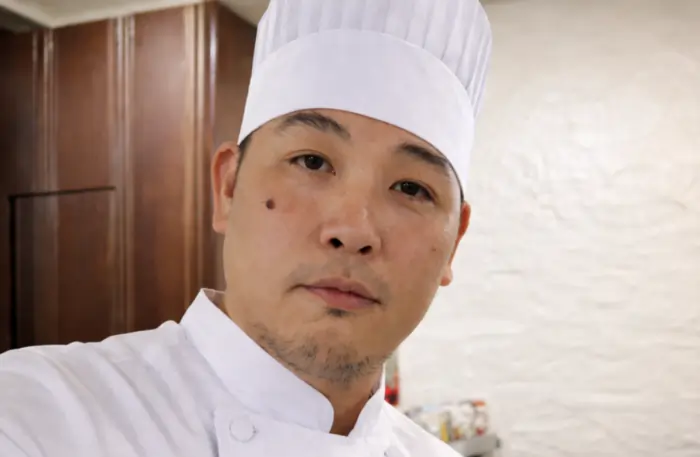
Chef Juan Gadi brings the heart of Filipino hospitality to Ubud, Bali. As an Executive Chef and consultant, he specializes in creating intimate, curated dining experiences that tell a story through every dish. Whether leading the kitchen at Kilig Filipino Warung or hosting a private villa dinner, Chef Juan’s approach is defined by warmth, modern technique, and a commitment to culinary excellence.