Why Filipino Food Is Becoming a Culinary Highlight in Bali Key Takeaways
Bali has long been a paradise for food lovers, but a new wave of Filipino restaurants and pop-ups is turning the island into a destination for Filipino cuisine in Bali .
- Why Filipino Food Is Becoming a Culinary Highlight in Bali — thanks to a growing community of Filipino chefs, the rise of boodle fight communal dining, and a shared love for bold, tropical flavors.
- Must-try dishes include adobo , sinigang , lechon , pancit , lumpia , kare kare , and chicken inasal — each with a story rooted in authentic Filipino recipes .
- Whether you are a solo traveler or a family, the best Filipino restaurant in Bali offers more than food — it is a full Filipino culinary experience built on Filipino hospitality .
What Makes Why Filipino Food Is Becoming a Culinary Highlight in Bali So Special?
Bali has always attracted travelers seeking sun, surf, and spirituality. But in recent years, the island has become a magnet for culinary tourism. Among the many cuisines gaining ground, Filipino food in Bali stands out for its depth, soul, and ability to bring people together.
The rise of Filipino cuisine in Bali is no accident. Filipino chefs — many trained in Manila or abroad — have opened restaurants that serve everything from street food staples to refined modern Filipino cuisine. These chefs use local ingredients like coconut, lemongrass, and fresh seafood to recreate the traditional Filipino dishes they grew up eating. For a related guide, see 9 Filipino Dining Trends Influencing Bali’s Culinary Scene.
What makes the Filipino culinary experience so compelling is its balance of sweet, sour, salty, and savory — often all in one dish. It is comfort food that feels both familiar and exotic, which is exactly what today’s food explorers are looking for.
The 7 Traditional Filipino Dishes You Must Try in Bali
To truly understand why Filipino food is becoming a culinary highlight in Bali, you need to taste these seven dishes. Each one represents a different region, cooking technique, or cultural tradition from the Philippines.
1. Adobo — The National Treasure
No list of Filipino specialties is complete without adobo. This iconic dish — chicken or pork braised in soy sauce, vinegar, garlic, and bay leaves — is the ultimate Filipino comfort food. In Bali, chefs often add a local twist, such as using Balinese palm vinegar or serving it with a side of sambal. Every authentic Filipino cuisine restaurant in Bali will have adobo on the menu, and it never disappoints. For a related guide, see 7 Signature Ingredients Behind Filipino Cuisine in Bali.
2. Sinigang — Sour Soup for the Soul
Sinigang is a tamarind-based soup packed with vegetables and either pork, shrimp, or fish. It is the perfect antidote to Bali’s humid afternoons. The sourness awakens your palate, making it a favorite among food enthusiasts who appreciate bold, clean Filipino flavors.
3. Sisig — Sizzling, Smoky, and Addictive
Originally from Pampanga, sisig is chopped pork face and ears seasoned with calamansi, chili, and egg, served on a sizzling plate. It has become a global ambassador for Filipino cuisine in Bali. Balinese diners love the textural contrast — crispy bits against creamy egg — and the heat from fresh chilies.
4. Lechon — The Centerpiece of Celebration
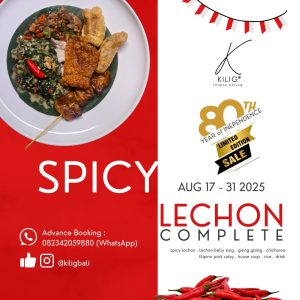
Lechon is a whole roasted pig with impossibly crispy skin and tender, flavorful meat. In Bali, it is often served during boodle fight feasts or special events. Many Filipino restaurant Bali owners import cooking techniques from Cebu, known for having the best lechon in the Philippines.
5. Pancit — Noodles for Long Life
Pancit refers to a family of noodle dishes — pancit bihon (rice noodles), pancit canton (egg noodles), or pancit palabok (thick rice noodles with shrimp sauce). It symbolizes longevity in Filipino culture and is a must-order for anyone exploring Filipino dining in Bali.
6. Lumpia — Crispy Spring Rolls
Lumpia are delicate spring rolls filled with ground pork, vegetables, and spices. They are deep-fried to golden perfection and served with a sweet-sour dipping sauce. They are the perfect starter to any Filipino meals in Bali, especially when paired with ice-cold beer.
7. Kare Kare — Peanut-Infused Heartiness
Kare kare is a rich stew made from oxtail, tripe, and vegetables in a thick peanut sauce. It is often served with bagoong (fermented shrimp paste) on the side. This dish showcases the Spanish and Southeast Asian influences that define Filipino cuisine in Bali.
How Filipino Hospitality Elevates the Dining Experience
Filipino hospitality is legendary. When you walk into a Filipino restaurant Bali, you are welcomed like family. This warmth is a key reason why Filipino food is becoming a culinary highlight in Bali. Diners do not just come for the food — they come for the feeling of being cared for.
The concept of boodle fight — a communal feast where food is laid out on banana leaves and everyone eats with their hands — perfectly captures this spirit. It turns a meal into a celebration, ideal for groups, families, or solo travelers looking to make friends.
Where to Find the Best Filipino Restaurant in Bali
If you are wondering where to start your Filipino food in Bali journey, here are three standout spots that consistently receive rave reviews from locals and tourists alike.
Pino Restaurant Seminyak
Located in the heart of Seminyak, Pino serves authentic Filipino cuisine in a modern setting. Their sisig and kare kare are diner favorites, and they offer a special boodle fight platter for groups. The staff exemplifies Filipino hospitality, making every guest feel at home.
Kabayan Kitchen and Bar
Tucked away in Canggu, Kabayan Kitchen and Bar is known for its lechon and chicken inasal. The owner, Chef Miguel, sources local ingredients from Balinese markets to recreate authentic Filipino recipes passed down through his family.
Boodle House Ubud
For a truly immersive Filipino culinary experience, head to Boodle House in Ubud. The restaurant focuses on the boodle fight concept — diners wash their hands and dig into a spread of traditional Filipino dishes served on banana leaves. It is messy, fun, and unforgettable.
Why Filipino Food in Bali Appeals to Food Tourists
Food tourism Bali has evolved beyond Balinese staples like nasi goreng and satay. Travelers now seek out Filipino food in Bali as a way to experience the flavors of another Southeast Asian island nation without leaving their holiday destination.
Filipino flavors share some similarities with Indonesian cuisine — both love coconut, turmeric, and lemongrass — but the use of vinegar, soy sauce, and fermented shrimp paste gives Filipino cuisine in Bali a distinct identity. This makes it easy for tourists to appreciate without feeling lost.
Moreover, Filipino desserts like halo halo — a shaved ice dessert with sweet beans, fruit, leche flan, and ube ice cream — offer a refreshing finish that pairs perfectly with Bali’s tropical climate.
Chef Interviews: The People Behind Modern Filipino Cuisine
I spoke with two chefs who are leading the charge for Filipino cuisine in Bali. Their stories reveal the passion behind why Filipino food is becoming a culinary highlight in Bali.
Chef Maria Santos of Pino Restaurant
“I came to Bali five years ago and saw a gap. There were plenty of Japanese, Korean, and Italian restaurants, but almost no Filipino options. I started with a small pop-up, serving adobo and pancit from my grandmother’s recipes. The reaction was incredible. People craved authentic Filipino cuisine — they just didn’t know it yet.”
Chef Jose Ramos of Kabayan Kitchen
“For me, Filipino food in Bali is about storytelling. When I serve sinigang, I tell diners that this soup is what Filipino mothers cook when their children are sick. It is comfort food with history. That emotional connection keeps guests coming back.”
How to Host a Boodle Fight Dinner at Your Villa
Many villas in Bali now offer private chef services that include boodle fight dinners. If you are staying with a group, this is a fantastic way to enjoy Filipino specialties in a private setting. Here is a simple checklist to plan your own Filipino meals experience at your villa.
| Item | Details |
|---|---|
| Private Filipino Chef | Hire through services like Bali Private Chef or directly from restaurants like Pino |
| Banana Leaves | Available at local markets for lining the table |
| Dish Selection | Choose 4-5 dishes: lechon, sisig, pancit, lumpia, kare kare |
| Drinks | Pair with San Miguel beer, calamansi juice, or a local arak cocktail |
| Dessert | End with halo halo or leche flan |
Useful Resources
For more information on Filipino cuisine in Bali and how to plan your food tour, check out these resources:
- Culinary Backstreets — A trusted guide for authentic food experiences in Southeast Asia, including coverage of Filipino restaurants in Bali.
- Bali Food Guide — A comprehensive Bali food guide with reviews and recommendations for Filipino food in Bali and other cuisines.
Conclusion: Your Filipino Food in Bali Adventure Awaits
As we have seen, why Filipino food is becoming a culinary highlight in Bali comes down to three things: the depth of Filipino flavors, the warmth of Filipino hospitality, and the magic of shared meals like boodle fight. Whether you are a solo traveler, a family, or a digital nomad, the Filipino culinary experience in Bali is waiting for you.
Start with a plate of adobo at a local Filipino restaurant Bali, finish with a glass of halo halo, and you will understand why this cuisine is capturing hearts — and stomachs — across the island. Make it part of your Bali food guide and join the growing wave of food tourism Bali.
Frequently Asked Questions About Why Filipino Food Is Becoming a Culinary Highlight in Bali
What makes Filipino food in Bali different from other cuisines?
Filipino cuisine in Bali stands out for its bold sweet-sour-salty balance, communal dining style (boodle fight), and use of local ingredients like coconut and calamansi, which create unique Filipino flavors.
Where can I find authentic Filipino cuisine in Bali ?
Top spots include Pino Restaurant in Seminyak, Kabayan Kitchen in Canggu, and Boodle House in Ubud. These are considered the best Filipino restaurant in Bali for authentic Filipino cuisine.
Is Filipino food in Bali expensive?
Prices vary. A boodle fight platter for two might cost around IDR 200,000–400,000 ($13–$27), while a single dish like adobo or sisig ranges from IDR 60,000–120,000 ($4–$8), offering good value for Filipino dining.
What is a boodle fight ?
A boodle fight is a military-style communal feast where food is spread on banana leaves and diners eat with their hands. It is a highlight of Filipino hospitality and a fun way to enjoy Filipino meals.
Are the Filipino flavors very spicy?
Not typically. Filipino cuisine in Bali is more sour (vinegar, tamarind) and salty than spicy, but dishes like sisig and sinigang can be adjusted for heat upon request.
Can I get vegetarian Filipino food in Bali ?
Yes. Some Filipino restaurants in Bali offer vegetable versions of pancit, lumpia, and kare kare (using tofu or vegetables instead of meat), keeping the authentic Filipino recipes intact.
Do Filipino restaurants in Bali serve halo halo ?
Yes, halo halo is a signature Filipino dessert available at most Filipino restaurant Bali locations. It is especially popular after lunch on hot days.
Is there lechon available in Bali?
Absolutely. Lechon is a top seller at many Filipino food in Bali venues. It is often roasted fresh on weekends or for special boodle fight events.
What do Balinese people think of Filipino cuisine in Bali ?
Balinese locals enjoy the shared Southeast Asian cuisine roots — like coconut and lemongrass — and appreciate the Filipino hospitality that comes with every meal.
Can I order Filipino food in Bali for delivery?
Yes. Platforms like GoFood and GrabFood list Filipino food in Bali from several restaurants, so you can enjoy Filipino comfort food at your villa.
Are the ingredients used halal ?
Some Filipino restaurants in Bali use halal-certified meat. Always ask the restaurant directly — many are accommodating to dietary needs.
What is the best time to visit a Filipino restaurant Bali ?
Dinner is the most popular time for Filipino meals, especially for boodle fight feasts. Lunch is also good for quick dishes like pancit or lumpia.
How do I find the best Filipino restaurant in Bali for my taste?
Read a Bali food guide or check Google Reviews. Look for places that emphasize authentic Filipino cuisine and Filipino hospitality.
Is Filipino cuisine in Bali suitable for kids?
Yes. Dishes like adobo, pancit, and lumpia are mild and kid-friendly. The boodle fight style is especially fun for children.
Do Filipino restaurants in Bali offer cooking classes?
Some do. Check with Pino Restaurant or Kabayan Kitchen for workshops on authentic Filipino recipes where you can learn to make adobo and sinigang.
What drinks pair well with Filipino food in Bali ?
Try San Miguel Pale Pilsen (Filipino beer), calamansi juice, or a Balinese arak cocktail. These enhance the Filipino flavors and tropical experience.
Are there any Filipino festivals in Bali?
Occasionally, Filipino communities host events with lechon roasting and cultural performances. Follow Filipino groups in Bali on social media for updates on culinary tourism events.
Can I find chicken inasal in Bali?
Yes, chicken inasal is served at Kabayan Kitchen and a few other spots. It is grilled with annatto and calamansi, giving it a smoky, tangy flavor.
Is Filipino food in Bali a trend or here to stay?
Based on the growing number of Filipino restaurant Bali openings, chef collaborations, and positive reviews, it is becoming a permanent part of Bali’s diverse food scene.
What is the most popular Filipino dish among tourists in Bali?
Sisig leads the popularity contest. Its sizzling presentation and bold taste make it a memorable part of the Filipino culinary experience for first-timers.
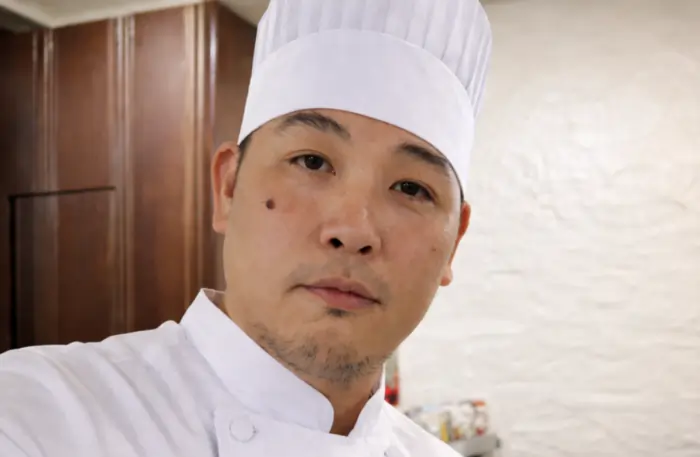
Chef Juan Gadi brings the heart of Filipino hospitality to Ubud, Bali. As an Executive Chef and consultant, he specializes in creating intimate, curated dining experiences that tell a story through every dish. Whether leading the kitchen at Kilig Filipino Warung or hosting a private villa dinner, Chef Juan’s approach is defined by warmth, modern technique, and a commitment to culinary excellence.