Filipino Menu Favorites Worth Ordering in Bali Key Takeaways
Bali is a paradise for food lovers, and its growing Filipino food scene is a delicious surprise for travelers.
- Filipino menu favorites worth ordering in Bali include adobo, sinigang, sisig, lechon, and kare kare—each offering a unique taste of the Philippines.
- Authentic Filipino restaurants in Bali use imported ingredients and traditional cooking methods to preserve true flavors.
- Pair your meal with ube desserts or halo-halo for a complete culinary experience that captures the warmth of Filipino hospitality.
Why Filipino Cuisine Is a Must-Try in Bali
Bali’s food scene has always been a vibrant mix of local and international influences. In recent years, Filipino food in Bali has gained a loyal following among tourists, expats, and digital nomads. The island now boasts several restaurants serving authentic Filipino cuisine, making it easy to enjoy dishes that reflect the Philippines’ rich history and tropical flavors. For a related guide, see 7 Signature Ingredients Behind Filipino Cuisine in Bali.
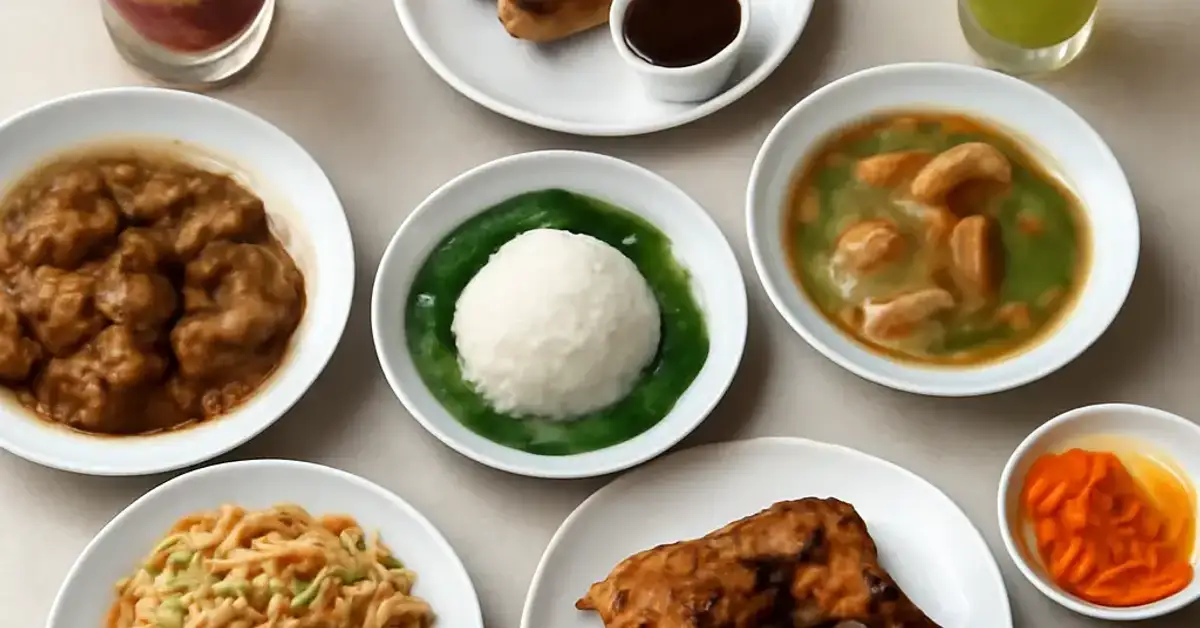
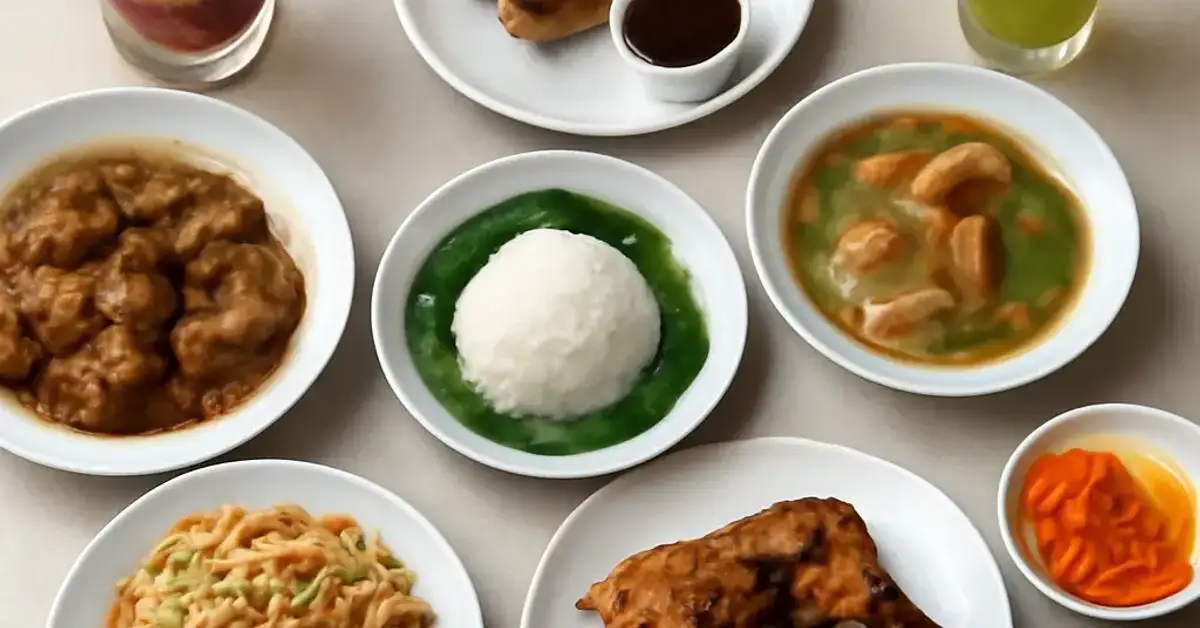
Whether you are a first-time visitor or a seasoned traveler, these 10 dishes represent the heart of Filipino cooking—bold, comforting, and made for sharing. Here is your essential checklist of Filipino menu favorites worth ordering in Bali.
1. Chicken Adobo – The National Dish You Cannot Skip
No list of Filipino dishes is complete without adobo. This iconic stew features chicken or pork braised in soy sauce, vinegar, garlic, bay leaves, and black peppercorns. The result is tender meat with a savory, slightly tangy sauce that pairs perfectly with steamed rice.
In Bali, several Filipino restaurant Bali options serve adobo with authentic recipes passed down through generations. Look for versions that use coconut vinegar or add a pinch of sugar for balance. Order it as your introduction to the depth of Filipino flavors.
2. Sinigang – A Sour Tamarind Soup That Comforts the Soul
Sinigang is a tamarind-based soup loaded with vegetables and your choice of pork, shrimp, or fish. Its signature sourness awakens the palate and makes it a favorite comfort food, especially on rainy days.
Authentic Filipino recipes call for fresh tamarind, but many Filipino restaurant Bali kitchens use tamarind concentrate to maintain consistency. The soup often includes kangkong (water spinach), radish, and okra. For an extra layer of flavor, request a side of patis (fish sauce) and siling labuyo (bird’s eye chili).
3. Sisig – Sizzling Chopped Pork with a Kick
Sisig is a sizzling plate of chopped pork face, ears, and liver, seasoned with calamansi, chili, and onions. Topped with a raw egg that cooks on contact, this dish is crispy, tangy, and irresistibly savory.
Bali’s Filipino dining spots often serve sisig as a pulutan (beer snack) or a main course. It is one of the most popular choices among travelers who love bold, spicy food. Pair it with an ice-cold Bintang beer for the full experience. For a related guide, see 9 Filipino Dining Trends Influencing Bali’s Culinary Scene.
4. Lechon – The Crown Jewel of Filipino Celebrations
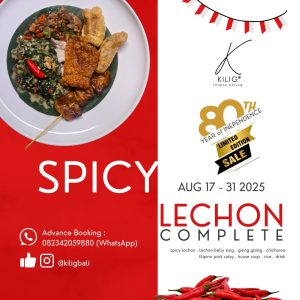
Lechon is a whole roasted pig with crackling skin and juicy, flavorful meat. In the Philippines, it is the centerpiece of every festive occasion. In Bali, several best Filipino restaurant in Bali locations import lechon bellies or whole pigs to recreate this masterpiece.
The secret lies in the stuffing—lemongrass, garlic, and spices are rubbed inside before slow roasting over charcoal. Order lechon with a side of liver sauce and fresh ensalada (tomato and onion salad) for a taste of traditional Filipino food at its finest.
5. Kare Kare – Oxtail Stew in a Rich Peanut Sauce
Kare kare is a thick stew made from oxtail, tripe, and vegetables, simmered in a creamy peanut sauce. It is often served with bagoong (fermented shrimp paste) on the side, which adds a salty counterpoint to the nutty sweetness.
This dish showcases the influence of Southeast Asian cuisine on Filipino cooking, as peanuts are a common ingredient in the region. In Bali, restaurants that focus on authentic Filipino cuisine use fresh-ground peanuts and annatto seeds for color. It is a must-order for anyone who loves rich, slow-cooked stews.
6. Pancit – Noodles for Long Life and Good Fortune
Pancit refers to a family of noodle dishes, with pancit canton (stir-fried egg noodles) and pancit bihon (thin rice noodles) being the most popular. They are stir-fried with vegetables, soy sauce, and your choice of meat or seafood, then topped with calamansi and chopped scallions.
Filipino comfort food often includes pancit because it is light yet satisfying. In Bali, many Filipino restaurant Bali menus list it as a sharing dish perfect for lunch or a post-beach snack. The noodles symbolize long life, making every bite feel celebratory.
7. Lumpia – Crispy Spring Rolls with a Filipino Twist
Lumpia are thin, crispy spring rolls filled with ground pork, carrots, and water chestnuts. They are served with a sweet chili dipping sauce and disappear within minutes.
Unlike Chinese spring rolls, lumpia uses a thinner wrapper and is often fried to a lighter, crunchier texture. Filipino specialties like lumpia are a staple at parties and family gatherings. In Bali, they are a popular appetizer that introduces first-timers to the Filipino culinary experience.
8. Chicken Inasal – Grilled Chicken Marinated in Citrus and Annatto
Chicken inasal is a grilled chicken dish marinated in calamansi, vinegar, garlic, ginger, and annatto oil. The result is a smoky, citrusy, and slightly charred exterior with tender meat inside.
This dish originated from Bacolod City in the Philippines and is now a favorite in Filipino dining scenes worldwide. In Bali, it is often served with a bowl of sinamak (spiced vinegar) and garlic rice. The bright orange color from annatto makes it as beautiful as it is delicious.
9. Halo Halo – A Shaved Ice Dessert with Endless Layers
Halo halo translates to “mix mix” in Tagalog, and that is exactly what you do with this dessert. It is a tall glass filled with shaved ice, sweetened beans, coconut strips, jackfruit, leche flan, ube ice cream, and a drizzle of evaporated milk.
No Filipino meals are complete without a halo halo to cool down after a savory feast. Bali’s tropical climate makes it the perfect place to enjoy this colorful, refreshing treat. For an extra indulgent experience, ask for extra ube ice cream on top.
10. Ube Desserts – The Purple Yam That Steals the Show
Ube desserts have taken the world by storm, and Bali is no exception. Ube (purple yam) is used in cakes, cookies, ice cream, and even lattes. Its natural sweetness and vibrant purple color make it a favorite among foodies.
Filipino specialties like ube halaya (sweetened ube jam) and ube crinkle cookies are often available at Filipino restaurant Bali spots or bakeries. Do yourself a favor and order any ube dessert on the menu—it is a gift to your taste buds.
How to Choose the Best Filipino Restaurant in Bali
With a growing number of options, finding the best Filipino restaurant in Bali can feel overwhelming. Here are a few tips to guide your decision:
- Check the menu for authenticity. Look for dishes that use imported ingredients like ube, calamansi, and tamarind.
- Read customer reviews. Travelers often share photos and honest feedback about the taste and service.
- Ask about the chef. Many restaurants employ Filipino chefs who bring decades of experience in traditional cooking.
- Look for the boodle fight. A boodle fight is a communal feast where food is spread on banana leaves and eaten with hands. It is a fun, immersive way to experience Filipino hospitality.
Why Filipino Food Is Becoming Popular Among Bali Travelers
Filipino flavors are naturally tropical—sour, salty, sweet, and savory—which aligns perfectly with Bali’s own culinary experiences. As more travelers discover the warmth of Filipino hospitality, the demand for authentic Filipino cuisine continues to grow.
Expats and digital nomads often share their discoveries via social media, making food tourism Bali a trending niche. Whether you are staying in a villa in Seminyak or a surf camp in Canggu, you are likely within a short ride of a restaurant serving these 10 dishes.
Useful Resources
For more on the origins of Filipino dishes, visit the Encyclopedia Britannica guide to Filipino cuisine. To read reviews of the best Filipino restaurants in Bali, check out Tripadvisor’s Bali restaurant section.
Frequently Asked Questions About Filipino Menu Favorites Worth Ordering in Bali
What are the 10 Filipino menu favorites worth ordering in Bali ?
The 10 dishes are adobo, sinigang, sisig, lechon, kare kare, pancit, lumpia, chicken inasal, halo halo, and ube desserts. Each represents a core aspect of Filipino cuisine.
Which Filipino dishes should first-time visitors order?
Start with chicken adobo and lumpia for familiar flavors, then try sisig and sinigang for more adventurous tastes.
Where can I find authentic Filipino food in Bali ?
Areas like Seminyak, Canggu, and Ubud have dedicated Filipino restaurant Bali options. Search for “Filipino restaurant Bali” on Google Maps for up-to-date locations.
What makes Filipino cuisine unique?
Filipino cuisine blends influences from Malay, Spanish, Chinese, and American cooking. The use of sour ingredients like tamarind and calamansi is a defining characteristic.
Which Filipino comfort foods are the most popular?
Adobo, sinigang, and pancit top the list of Filipino comfort food. They are simple, homey, and satisfy cravings.
What desserts should I try after a Filipino meal?
Halo halo and any ube desserts are essential. Ube ice cream is also a light option.
How do Filipino restaurants in Bali preserve authentic flavors?
They import key ingredients like ube, tamarind, and calamansi, and employ Filipino chefs trained in traditional cooking methods.
What dishes are best for sharing with family and friends?
A boodle fight is perfect for groups. For individual sharing, pancit, lumpia, and lechon work well.
Why is Filipino food becoming popular among Bali travelers?
Its tropical profile matches Bali’s climate, and the Filipino hospitality creates a memorable dining experience.
What makes a Filipino dining experience memorable in Bali?
The combination of authentic food, warm service, and a lively atmosphere—often accompanied by live music—creates lasting memories.
Is Filipino food spicy?
Not generally, but dishes like sisig use chili. Most restaurants offer chili on the side.
Can I find vegetarian Filipino options in Bali?
Yes. Request vegetable lumpia, pancit without meat, or a tofu version of sinigang.
What is a boodle fight?
It is a communal way of eating where food is laid on banana leaves and everyone eats with their hands. It encourages sharing and connection.
Are there Filipino desserts available in Bali?
Absolutely. Halo halo, ube cakes, and leche flan are common at Filipino restaurant Bali venues.
Do Filipino restaurants in Bali serve breakfast?
Some do. Look for Filipino breakfast options like tapsilog (beef tapa) or longsilog (sweet sausage).
How much does a Filipino meal cost in Bali?
Prices range from IDR 50,000 to IDR 150,000 per dish, depending on the restaurant’s location and ambiance.
What drinks pair well with Filipino food?
Iced calamansi juice, Bintang beer, or a coconut shake complement the bold Filipino flavors.
Is Filipino food similar to Indonesian food?
There are overlapping ingredients like coconut and rice, but Filipino cuisine leans more toward sour and sweet profiles, while Indonesian food is often spicier.
Can I order takeout from Filipino restaurants in Bali?
Yes. Many restaurants offer takeaway services through Gojek and Grab.
Are there Filipino food tours in Bali?
Some local tour operators now include Filipino dining stops as part of their Bali food guide tours.
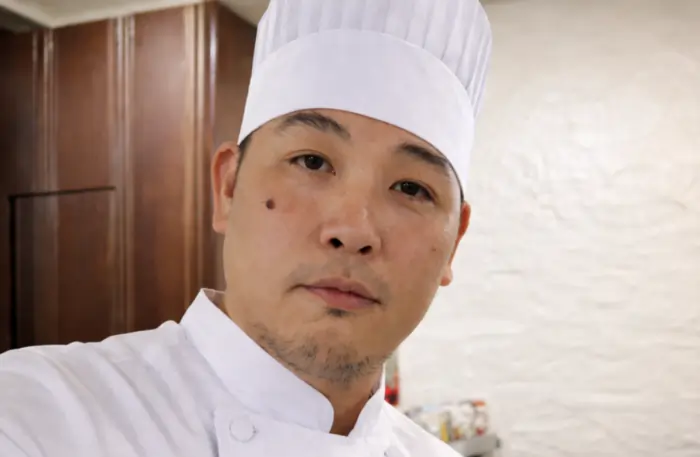
Chef Juan Gadi brings the heart of Filipino hospitality to Ubud, Bali. As an Executive Chef and consultant, he specializes in creating intimate, curated dining experiences that tell a story through every dish. Whether leading the kitchen at Kilig Filipino Warung or hosting a private villa dinner, Chef Juan’s approach is defined by warmth, modern technique, and a commitment to culinary excellence.