Modern Filipino Dishes You Can Experience in Bali Key Takeaways
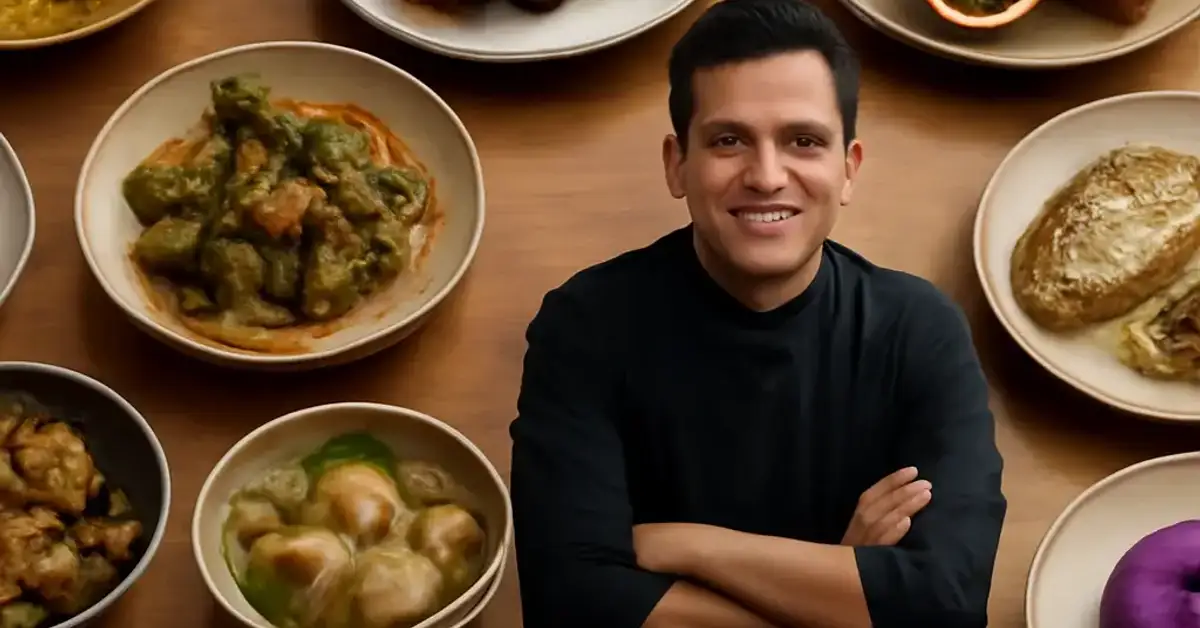
Modern Filipino dishes you can experience in Bali offer a vibrant fusion of heritage and island creativity, from reimagined adobo to silky ube desserts .
- Discover 12 iconic modern Filipino dishes , including sisig , sinigang , and lechon , reinvented with local Balinese ingredients.
- Learn where to find the best Filipino restaurant in Bali and how each dish reflects Filipino hospitality and modern culinary artistry.
- Get expert tips from Chef Juan on navigating the Bali food guide for a memorable Filipino culinary experience .
What Makes Modern Filipino Dishes You Can Experience in Bali Unique?
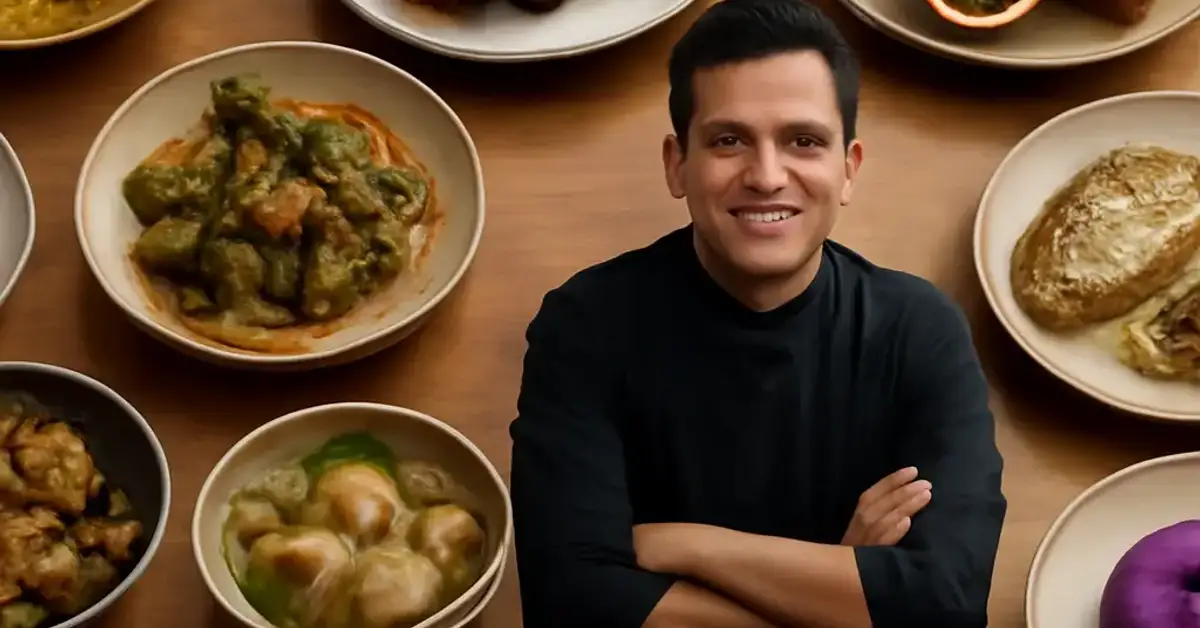
Bali has become a global dining destination, and now it is also a home for contemporary Filipino cuisine. As an Executive Chef and consultant, I bring the heart of Filipino hospitality to Ubud, Bali, creating intimate, curated dining experiences that tell a story through every dish. Whether leading the kitchen at Kilig Filipino Warung or hosting a private villa dinner, my approach is defined by warmth, modern technique, and a commitment to culinary excellence. The modern Filipino dishes you can experience in Bali honor traditional recipes while embracing the island’s abundant local produce, aromatic spices, and sustainable seafood. For a related guide, see How Traditional Filipino Cooking Inspires Modern Dining in Bali.
Filipino food is deeply rooted in authentic Filipino flavors—bold, sour, salty, sweet, and savory all at once. In Bali, chefs have the freedom to experiment with Southeast Asian ingredients like lemongrass, coconut, and chili, blending them with heritage cooking methods. This fusion creates Filipino fusion cuisine that feels both familiar and exciting for international travelers, Filipino tourists, and food explorers alike. For a related guide, see A Guide to Understanding Filipino Flavors Before Dining in Bali.
This guide answers your most pressing questions: What are the 12 modern Filipino dishes you can experience in Bali? Which ones should first-time visitors try? How do Filipino chefs blend heritage with modern dining? Let us walk through the plates that define this culinary movement.
12 Modern Filipino Dishes You Can Experience in Bali: The Complete List
Below, I share my curated selection of 12 dishes that represent the best of Filipino dining in Bali. Each dish balances traditional Filipino dishes with modern flair, making them must-try items on any Bali dining guide.
1. Modern Adobo – Soy-Braised Pork Belly with Calamansi Glaze
Adobo is the unofficial national dish of the Philippines. In Bali, we reinvent it by slow-braising pork belly in a soy-vinegar marinade infused with native calamansi and bay leaves, then glazing it with palm sugar caramel. The result is tender, sticky, and deeply aromatic. This dish is a perfect example of modern Filipino recipes that respect heritage while surprising the palate.
2. Crispy Sisig – Sizzling Pork Jowl with Egg and Chili
Sisig traditionally uses chopped pork face and liver, served sizzling hot. Our version at Kilig Filipino Warung features crispy pork jowl, diced onions, siling labuyo chili, and a soft-cooked egg, topped with crispy garlic. It is a bold, umami-packed plate that embodies Filipino fusion food at its finest. First-time visitors often say this is the dish they crave long after leaving Bali.
3. Sinigang – Tamarind Soup with Seafood and Green Mango
Sinigang is a sour soup traditionally made with tamarind, vegetables, and meat or shrimp. In Bali, we add green mango slices and fresh snapper, finishing it with a splash of coconut cream. The sourness cuts through the tropical heat, making it a comfort food favorite. This dish highlights how local ingredients like Balinese tomatoes and kaffir lime elevate authentic Filipino cuisine.
4. Lechon Belly – Crispy Roasted Pork with Liver Sauce
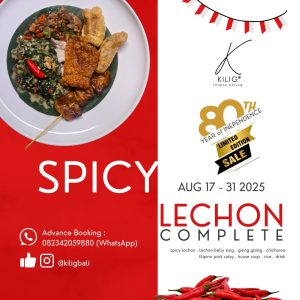
Lechon is the centerpiece of any Filipino celebration. Our version uses deboned pork belly, marinated in lemongrass, garlic, and annatto, then slow-roasted until the skin shatters. Served with a rich liver sauce and a side of pickled papaya, this dish is a must-try for anyone exploring Filipino specialties. It also pairs beautifully with Balinese arak cocktails.
5. Kare Kare – Oxtail Stew in Peanut Sauce with Bagoong
Kare kare is a thick oxtail stew made with peanut butter, achiote, and vegetables like eggplant and long beans. In our kitchen, we add a touch of Balinese coconut milk for extra creaminess and serve it with house-made bagoong (shrimp paste) on the side. It is a comforting, nutty dish that appeals to food lovers seeking Southeast Asian cuisine with a Filipino twist.
6. Pancit Palabok – Rice Noodles in Shrimp Sauce with Chicharrón
Pancit is the Filipino word for noodles, and palabok is the most festive version. It features rice noodles drenched in a savory shrimp-orange sauce, topped with crushed chicharrón, hard-boiled egg, and green onions. This dish is often served at gatherings and represents Filipino hospitality on a plate. It is available at several Filipino restaurant Bali spots for lunch or dinner.
7. Lumpia Shanghai – Crispy Spring Rolls with Sweet Chili Dip
Lumpia are Filipino spring rolls, and the Shanghai variety is filled with seasoned ground pork, carrots, and water chestnuts. We fry them to a golden crisp and serve with a house-made sweet chili dip. These small bites are perfect for sharing and are a top recommendation for couples and families exploring cultural dining in Bali.
8. Chicken Inasal – Grilled Chicken Marinated in Calamansi and Annatto
Chicken inasal comes from the Visayan region of the Philippines. We marinate free-range chicken legs in calamansi juice, ginger, lemongrass, and annatto oil, then char-grill them over coconut coals. Served with garlic fried rice and a dipping vinegar, it is a staple of contemporary Asian cuisine that fits perfectly into Bali’s outdoor dining scene.
9. Halo-Halo – Shaved Ice with Ube Ice Cream, Leche Flan, and Tropical Fruits
Halo halo translates to “mix-mix” and is the ultimate Filipino dessert. Our version layers shaved ice with ube ice cream, leche flan, sweet jackfruit, macapuno (coconut sport), and crispy pinipig (toasted rice flakes). It is a celebration of textures and sweetness, making it a favorite among culinary travelers and families visiting Bali.
10. Ube Cheesecake – Purple Yam Cheesecake with Coconut Crust
Ube desserts have taken the world by storm. Our ube cheesecake blends the earthy sweetness of purple yam with a creamy cheesecake filling, all set on a coconut-graham crust. It is a refined twist on a traditional flavor and exemplifies how modern Filipino recipes can become elegant desserts. This dish is especially popular among expats and digital nomads seeking something unique.
11. Kinilaw – Coconut-Cured Yellowfin Tuna with Green Mango
Kinilaw is the Filipino version of ceviche, using vinegar and citrus to “cook” fresh fish. We use yellowfin tuna sourced from local Balinese waters, cured in coconut vinegar, calamansi, and ginger, then tossed with green mango slivers and red chili. It is a bright, oceanic starter that showcases authentic Filipino flavors with a Balinese accent.
12. Turon – Caramelized Banana Lumpia with Langka and Salted Caramel Dip
Turon is a classic Filipino snack: ripe saba bananas and jackfruit wrapped in lumpia wrapper and deep-fried until caramelized. We drizzle it with a house-made salted caramel sauce and serve with vanilla ice cream. This sweet finale completes the Filipino culinary experience in Bali and is a hit with first-time visitors.
Which Modern Filipino Dishes Should First-Time Visitors Try?
If you are new to Filipino food in Bali, start with the dishes that best represent the cuisine’s soul. I always recommend three plates to guests who ask, which modern Filipino dishes should first time visitors try?
- Sisig – It is bold, sizzling, and instantly memorable. It captures the spirit of Filipino dining—loud, communal, and full of flavor.
- Adobo – This is the safest and most familiar entry point. Our modern version is approachable yet distinctly Filipino.
- Halo-Halo – Dessert first? Why not. The mix of textures and sweetness introduces you to the playful side of Filipino fusion cuisine.
After these, you can explore lechon, kare kare, and sinigang to deepen your appreciation of traditional Filipino dishes reimagined with modern techniques.
Where Can I Enjoy Contemporary Filipino Cuisine in Bali?
The question where can I enjoy contemporary Filipino cuisine in Bali has a few excellent answers. My home base is Kilig Filipino Warung in Ubud, where I lead the kitchen and design seasonal tasting menus. Here, guests experience Filipino cuisine in Bali in an intimate setting surrounded by rice terraces.
Other notable locations include private villa dining experiences, where I curate multi-course meals that pair Filipino specialties with Balinese wines and cocktails. For those who prefer beachside dining, pop-up events in Seminyak and Canggu offer Filipino flavors with a sunset view. Always check for restaurant recommendations from local food bloggers and travel forums to find the latest offerings.
How Do Modern Filipino Dishes Differ from Traditional Recipes?
Understanding how do modern Filipino dishes differ from traditional recipes helps you appreciate the creativity behind each plate. Traditional Filipino cooking relies on simple techniques—braising, boiling, frying—and ingredients like vinegar, soy sauce, and garlic. Modern versions, however, incorporate local ingredients found in Bali, such as coconut sugar, lemongrass, and fresh turmeric.
Presentation also evolves. While home-style cooking is often served family-style in single pots, contemporary Filipino cuisine is plated with precision, using garnishes, foams, and edible flowers. The flavors remain rooted in authentic Filipino cuisine, but the experience feels elevated and refined.
What Ingredients Make Modern Filipino Food Unique?
The question what ingredients make modern Filipino food unique is central to our culinary philosophy. We prioritize:
- Calamansi – a native citrus that adds bright acidity to marinades and sauces.
- Ube – a purple yam used in desserts for its natural color and mild sweetness.
- Bagoong – fermented shrimp paste that delivers umami depth.
- Palm sugar – Balinese coconut sugar that replaces refined sugar in many recipes.
- Siling labuyo – a small but potent chili that brings heat without overwhelming.
These ingredients, combined with Balinese produce like free-range pork, reef fish, and organic vegetables, create a Filipino fusion food style that is distinctly Balinese-Filipino.
Which Filipino Dishes Are Most Popular Among Bali Travelers?
Based on guest feedback and reservation requests, which Filipino dishes are most popular among Bali travelers includes sisig, adobo, and halo-halo. Travelers love dishes that are interactive and photogenic. Sisig arrives on a sizzling plate, halo-halo layers colorful ingredients in a tall glass, and lechon belly presents a dramatic crispy skin.
International tourists often gravitate toward comfort food like pancit and lumpia, while Filipino tourists seek the more adventurous Filipino specialties like kinilaw and dinuguan (pork blood stew) when available. This diversity makes Filipino restaurant Bali menus exciting for all palates.
How Do Filipino Chefs Blend Heritage with Modern Dining?
When guests ask how do Filipino chefs blend heritage with modern dining, I explain that it starts with respect for traditional methods. We use the same fermentation, braising, and grilling techniques passed down through generations, but we apply them with precision and creativity.
For example, instead of serving adobo as a simple stew, we might present it as a deconstructed plate with sous-vide pork belly, adobo jus, and pickled vegetables. This approach retains authentic Filipino flavors while delivering a contemporary Asian cuisine experience. It also allows Filipino chefs to tell the story of their heritage through every bite.
What Desserts Should I Try at a Filipino Restaurant in Bali?
The question what desserts should I try at a Filipino restaurant in Bali leads directly to ube desserts and halo halo. Ube ice cream, ube cheesecake, and ube crème brûlée are all popular choices. For something lighter, try leche flan—a silky caramel custard that resembles crème caramel but with a denser texture.
If you are a fan of tropical fruits, look for desserts featuring macapuno (sweetened coconut sport) or langka (jackfruit). These ingredients add natural sweetness and a chewy texture that pairs beautifully with creamy bases.
Why Is Modern Filipino Cuisine Gaining Popularity in Bali?
Understanding why is modern Filipino cuisine gaining popularity in Bali requires looking at the broader food tourism Bali trends. Travelers today seek authentic, story-driven dining experiences. They want to connect with the culture behind the food, not just eat a meal.
Filipino hospitality is warm and generous, which resonates deeply with the Balinese concept of “Tri Hita Karana” (harmony with God, people, and nature). Both cultures value community, shared meals, and respect for ingredients. This alignment makes Filipino cuisine in Bali feel natural and welcome.
Additionally, Bali’s audience—digital nomads, expats, and international travelers—is adventurous and open to new flavors. They appreciate the balance of traditional Filipino dishes with modern execution. As more Filipino chefs open restaurants and pop-ups, the cuisine gains visibility and acclaim.
What Makes the Filipino Dining Experience Unforgettable for Visitors?
Finally, the question what makes the Filipino dining experience unforgettable for visitors can be answered in one word: warmth. At Kilig Filipino Warung, we greet every guest like family. The service is attentive but not stiff, and the atmosphere is lively and welcoming.
Every dish is served with a story—whether it is the adobo recipe passed down from my grandmother or the way we source coconut sugar from a local Balinese farmer. This personal touch, combined with modern Filipino dishes you can experience in Bali, creates memories that last long after the meal ends.
Guests leave with a deeper appreciation for Filipino flavors and a desire to return. That is the true essence of Filipino hospitality in paradise.
Useful Resources
To plan your own Filipino culinary experience in Bali, check out these trusted resources:
- Now Bali Magazine – Dining Guides – A comprehensive source for the latest restaurant openings, food festivals, and chef interviews across the island.
- Culinary Backstreets – Bali – Deep-dive articles on local food culture, including Filipino warungs and fusion kitchens off the beaten path.
Frequently Asked Questions About Modern Filipino Dishes You Can Experience in Bali
What are the 12 modern Filipino dishes you can experience in Bali?
The 12 dishes are modern adobo, crispy sisig, sinigang with seafood, lechon belly, kare kare, pancit palabok, lumpia Shanghai, chicken inasal, halo-halo, ube cheesecake, kinilaw, and turon with salted caramel.
Which modern Filipino dishes should first time visitors try?
First-time visitors should start with sisig, adobo, and halo-halo. These three dishes capture the essence of Filipino flavors—savory, tangy, sweet—and are easy to enjoy even for beginners.
Where can I enjoy contemporary Filipino cuisine in Bali ?
Kilig Filipino Warung in Ubud is a prime destination. You can also book private villa dining experiences with Chef Juan Gadi for a curated multi-course meal that highlights modern Filipino dishes.
How do modern Filipino dishes differ from traditional recipes?
Modern Filipino dishes use sous-vide, foams, and precise plating, while traditional recipes are simpler and family-style. However, the core flavors—tamarind, vinegar, soy, garlic—remain unchanged.
What ingredients make modern Filipino food unique?
Key ingredients include calamansi, ube, bagoong, palm sugar, and siling labuyo. These are combined with local Balinese produce like free-range pork and reef fish to create a distinct fusion style.
Which Filipino dishes are most popular among Bali travelers?
Sisig, adobo, and lechon belly are the most-ordered items. Travelers love the interactive sizzling presentation of sisig and the crispy skin of lechon.
How do Filipino chefs blend heritage with modern dining?
Chefs respect traditional fermentation and braising techniques while applying modern cooking methods and artistic presentation. This keeps the soul of the dish intact while elevating the experience.
What desserts should I try at a Filipino restaurant in Bali?
Ube cheesecake, halo-halo, and leche flan are must-try desserts. Ube ice cream is also a popular standalone treat that appeals to both kids and adults.
Why is modern Filipino cuisine gaining popularity in Bali?
Bali’s tourism audience is adventurous and appreciates story-driven dining. Filipino hospitality mirrors Balinese culture, making the cuisine feel both exotic and familiar.
What makes the Filipino dining experience unforgettable for visitors?
The warmth of Filipino hospitality, combined with dishes served with personal stories and high-quality ingredients, creates a memorable and emotional dining experience.
Is Filipino food in Bali spicy?
Not excessively. Dishes like sisig and sinigang have heat, but most modern Filipino dishes in Bali are balanced. Spice levels can be adjusted upon request.
Are there vegetarian options for modern Filipino dishes in Bali?
Yes. Many restaurants offer vegetarian lumpia, kare kare made with mushrooms, and sinigang with tofu. Ube desserts are naturally plant-based.
Can I find halal Filipino dishes in Bali?
Several Filipino restaurants in Bali use halal-certified meats. It is best to confirm with the restaurant in advance, especially for dishes like lechon and chicken inasal.
How much does a modern Filipino meal cost in Bali?
A full tasting menu ranges from $25 to $50 per person. À la carte dishes are typically $8 to $15. Private villa dinners start at $60 per person.
Do Filipino restaurants in Bali accept reservations?
Yes, especially for dinner and private events. Walk-ins are welcome at Kilig Filipino Warung, but reservations are recommended for groups of four or more.
Is Filipino food similar to Indonesian food?
Both cuisines use coconut, chili, and rice, but Filipino food is more vinegary and sour, with heavier use of soy sauce and fermented shrimp paste.
Can I order Filipino catering for a villa event in Bali?
Yes. Chef Juan Gadi offers private villa catering and curated dining experiences. Menus can be customized for groups of 6 to 30 guests.
What drink pairs well with modern Filipino dishes ?
Balinese arak cocktails, calamansi juice, and Filipino dark rum are excellent pairings. For non-alcoholic options, try fresh coconut water or iced ube latte.
Are Filipino dishes kid-friendly?
Absolutely. Lumpia, pancit, and halo-halo are popular with children. Mild versions of adobo and chicken inasal are also suitable for young palates.
How long is a typical modern Filipino tasting menu experience?
A full tasting menu with 6 to 8 courses takes about 2.5 hours. Private villa dinners can extend to 3 hours with wine pairings and storytelling.
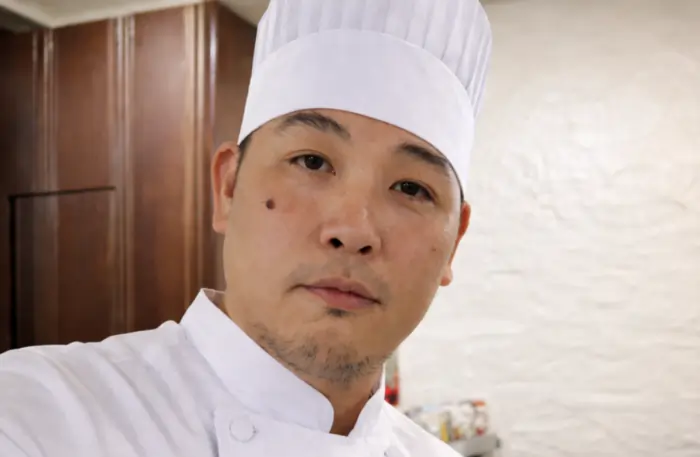
Chef Juan Gadi brings the heart of Filipino hospitality to Ubud, Bali. As an Executive Chef and consultant, he specializes in creating intimate, curated dining experiences that tell a story through every dish. Whether leading the kitchen at Kilig Filipino Warung or hosting a private villa dinner, Chef Juan’s approach is defined by warmth, modern technique, and a commitment to culinary excellence.