Guide to Understanding Filipino Flavors Before Dining in Bali Key Takeaways
Filipino cuisine is a vibrant tapestry of sweet, sour, salty, and savory notes shaped by centuries of trade, colonization, and local ingenuity.
- Uncover the core Filipino flavors —sweet, sour, salty, and savory—and how they define authentic Filipino food .
- Learn about must-try Filipino dishes like sisig , lechon , and kare kare , and how they reflect Filipino food culture .
- Get practical tips for your first Filipino dining experience in Bali, including ingredient insights and Filipino restaurant recommendations .
Understanding Filipino Flavors: The Foundation of Authentic Filipino Food
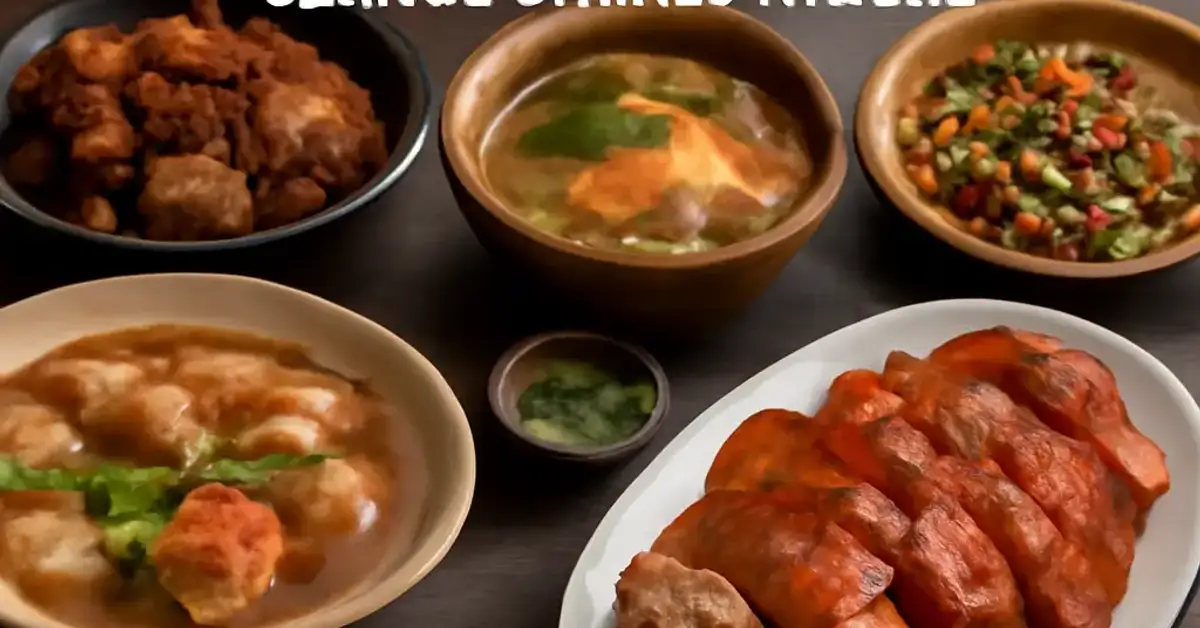
Filipino flavors revolve around a harmonious balance of sweet, sour, salty, and savory—and occasionally bitter and spicy. This layering of tastes is unlike the fiery heat of Thai cuisine or the bold spices of Indian food. Instead, Filipino cuisine relies on subtle contrasts: the tang of vinegar, the saltiness of fish sauce, the sweetness of palm sugar, and the umami of shrimp paste. Before you visit a Filipino restaurant Bali, recognize that these flavors are meant to complement rice, which is the heart of every meal. For a related guide, see What Bali Travelers Should Know Before Trying Filipino Cuisine: 7 Essential Tips.
The most defining characteristic is the frequent use of vinegar-based dishes. Vinegar not only preserves food in the tropical climate but also adds a bright acidity that cuts through rich meats. This is paired with salty elements like patis (fish sauce) and bagoong (fermented shrimp or fish paste). The result is a cuisine that feels both familiar and wonderfully unique.
Why Filipino Cuisine Is Known for Balancing Sweet, Sour, Salty, and Savory
What makes traditional Filipino cuisine so distinctive is its simultaneous presence of multiple taste sensations in a single dish. Take adobo, for example: soy sauce provides saltiness, vinegar delivers sourness, garlic adds pungency, and bay leaves contribute an herbal note. Many Filipino dishes also incorporate sugar or fruit to introduce sweetness, creating a rounded profile that keeps you coming back for more.
This balance is not accidental—it reflects the Filipino culinary culture of pragmatic resourcefulness. Indigenous cooking techniques like simmering in vinegar (paksiw) or grilling over charcoal (inihaw) were developed to make the most available ingredients while ensuring food safety. As a result, authentic Filipino food feels grounded in tradition yet adaptable to modern tastes.
Key Filipino Dishes Every First-Time Visitor Should Try
When you scan the menu at a Filipino restaurant Bali, you will encounter a list of Filipino specialties that have become ambassadors of the cuisine worldwide. Here are the dishes that epitomize Filipino cooking and should be on your must-eat list.
Adobo — The National Dish
Adobo is arguably the most famous Filipino dish, and for good reason. It is a braised meat—typically chicken or pork—cooked in a mixture of soy sauce, vinegar, garlic, bay leaves, and peppercorns. The result is tender, savory, and slightly tangy. Different regions have their twists: some add coconut milk (adobo sa gata), others use turmeric or liver spread. Adobo exemplifies the vinegar-based dishes that define Filipino cooking.
Sinigang — The Sour Soup
Sinigang is a tamarind-based soup loaded with vegetables and your choice of protein—pork, shrimp, fish, or beef. Its signature sourness comes from tamarind, though alternatives like guava or calamansi are also used. This comforting soup is a staple of Filipino comfort food, perfect for Bali’s rainy afternoons. It showcases the love for sour flavors that sets Filipino cuisine apart from other Southeast Asian cuisine. For a related guide, see Why Filipino Food Reflects Centuries of Asian and Western Influences.
Sisig — Sizzling and Savory
Sisig originated in Pampanga and has become a global sensation. It is a sizzling plate of chopped pig face, chicken liver, onions, and chili, seasoned with calamansi and soy sauce. The crispy, chewy textures combined with citrusy, salty, and spicy notes make it a must-order for any food tourism adventure. Pair it with an ice-cold beer for the full experience.
Lechon — The Celebratory Roast
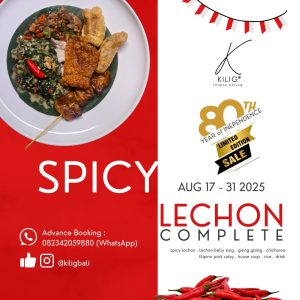
Lechon is a whole roasted pig, celebrated for its crispy skin and tender, juicy meat. It is the centerpiece of fiestas and special occasions. In many Filipino restaurants in Bali, you can order lechon by the serving. The crackling skin seasoned with salt and herbs is pure bliss.
Pancit — Noodles for Long Life
Pancit refers to a broad category of noodle dishes, including pancit bihon (rice noodles), pancit canton (egg noodles), and pancit palabok (thick rice noodles with shrimp sauce). Noodles symbolize longevity in Filipino food culture, so you will often see them at birthdays and gatherings. They are a flavorful example of how Chinese influences merged with local Filipino ingredients.
Lumpia — The Perfect Starter
Lumpia are Filipino spring rolls, either fresh (lumpia sariwa) or fried (lumpia shanghai). Stuffed with ground pork, vegetables, and seasonings, they are served with a sweet chili dipping sauce. Crispy and addictive, lumpia is one of the most beloved Filipino specialties.
Kare Kare — Peanut Stew
Kare kare is a rich, savory stew made with oxtail, tripe, and vegetables in a thick peanut sauce. It is traditionally colored with annatto and served with bagoong (fermented shrimp paste) on the side. The nutty, creamy sauce contrasts beautifully with the salty paste, embodying the complex sweet and savory flavors of authentic Filipino food.
Halo Halo — The Iconic Dessert
Halo halo translates to “mix mix” and is a shaved ice dessert topped with sweetened beans, coconut strips, sago, jelly, leche flan, ube ice cream, and evaporated milk. It is a riot of textures and flavors—creamy, chewy, sweet, and cold. No Filipino meals are complete without this refreshing treat.
Chicken Inasal — Grilled to Perfection
Chicken inasal is a grilled chicken dish from the Visayas region, marinated in calamansi, vinegar, annatto, and spices. It is basted with achiote oil while grilling, giving it a vibrant orange hue and smoky char. This is a prime example of grilled Filipino food that pairs perfectly with garlic rice and dipping sauce.
Filipino Ingredients and Cooking Techniques You Should Know
To truly appreciate Filipino cuisine, familiarize yourself with the pantry staples and methods that define it. Filipino ingredients are often simple but used in clever combinations.
Essential Filipino Ingredients
Filipino spices include garlic, ginger, onion, black pepper, and bay leaves. However, what gives the cuisine its identity are ingredients like calamansi (a small, sour citrus), patis (fish sauce), bagoong (fermented shrimp paste), and sukang iloko (cane vinegar). Coconut milk (gata) is used in many dishes to add richness, while annatto seeds provide color. Rice, both white and glutinous, is the backbone of every meal.
Filipino Cooking Techniques
Filipino cooking techniques are rooted in practicality. Adobo and paksiw rely on vinegar-based braising to tenderize meat and keep it from spoiling. Ginataan involves simmering ingredients in coconut milk. Sinigang is boiled and soured with tamarind. Grilling (inihaw) and deep-frying (prito) are also common. Many traditional Filipino recipes call for slow cooking, which allows flavors to meld and deepen.
How Filipino Flavors Compare with Indonesian Cuisine
Travelers in Bali often wonder how Filipino flavors compare with Indonesian cuisine. Both are part of Southeast Asian cuisine, but they have distinct personalities. Indonesian food, particularly Balinese cuisine, relies heavily on spice pastes (bumbu) made from turmeric, galangal, lemongrass, chili, and shrimp paste. It is often earthier and more aromatic. Filipino cuisine, by contrast, is more straightforward in its spice usage and leans harder on sourness and saltiness. Dishes like adobo and sinigang are less complex in spice layers but more direct in their flavor punch.
Both cuisines share a love for rice, grilled meats, and fermented condiments. Satay has a cousin in chicken inasal, and gado-gado finds a parallel in certain vegetable Filipino dishes with peanut sauce. If you enjoy Indonesian cuisine, you will likely appreciate Filipino food—you just need to adjust your palate toward acidity and umami rather than spice.
Practical Tips for Dining at a Filipino Restaurant in Bali
Your Bali dining guide should include a visit to a Filipino restaurant Bali for a memorable cross-cultural experience. Here is what to expect and how to navigate the menu like a local.
What Should I Know Before Dining at a Filipino Restaurant in Bali?
Most Filipino restaurants in Bali serve family-style portions. Meals are shared, so order a few dishes for the table. Rice is always ordered separately—do not skip it. Filipino hospitality is warm and generous, so you may be offered extra servings or free soup. Do not be shy to ask for recommendations; the staff is happy to guide you through authentic Filipino food.
Best Filipino Dishes for First-Time Visitors
If you are new to Filipino cuisine, start with adobo, lumpia, and sinigang. These three dishes cover the main flavor profiles: savory-sour (adobo), crispy-salty (lumpia), and tangy-comforting (sinigang). Then branch out to sisig for a textural adventure and halo halo for a sweet finish. Most Filipino restaurant recommendations include these crowd-pleasers.
How Can I Experience Authentic Filipino Cuisine While Visiting Bali?
Look for Filipino restaurants in Bali that source Filipino ingredients like calamansi, bagoong, and native vinegar. Check reviews or ask local expats for Filipino food in Bali spots that feel authentic. Some restaurants also host themed nights or cultural culinary experiences with live music or traditional desserts. Engaging with Filipino dining this way adds depth to your vacation.
Filipino Comfort Foods and Migrant Food Culture
Filipino comfort food goes beyond the famous dishes. Arroz caldo (chicken rice porridge), goto (beef tripe porridge), and champorado (chocolate rice porridge) are warm, filling bowls that soothe the soul. These rice dishes reflect the Filipino food culture of turning simple ingredients into nourishing meals. For Filipino tourists and expats in Bali, finding a Filipino restaurant is like tasting home.
Regional Filipino Cuisine: A Deeper Dive
Filipino cuisine is not monolithic. Regional Filipino cuisine varies widely: the Ilocos region is known for bagnet (crispy fried pork) and pinakbet (bitter melon stew); Pampanga is the culinary capital of sisig and other rich dishes; Bicol is famous for dishes cooked in coconut milk and chili; and the Visayas region excels in grilled Filipino food like chicken inasal and lechon. When you see menu descriptions, knowing the region can help you understand the flavor profile.
Useful Resources
To deepen your knowledge of Filipino flavors and Filipino cuisine, explore these trusted resources:
- Rappler’s Philippine Cuisine 101 – A comprehensive introduction to regional dishes and cooking traditions.
- Bali Bible’s Guide to Filipino Restaurants in Bali – Curated listings and reviews of Filipino restaurants in Bali for travelers.
Frequently Asked Questions About Guide to Understanding Filipino Flavors Before Dining in Bali
What are Filipino flavors ?
Filipino flavors are characterized by a balance of sweet, sour, salty, and savory (umami) elements. Key ingredients like vinegar, fish sauce, calamansi, and palm sugar create dishes that are tangy, salty, and often slightly sweet.
What makes Filipino cuisine unique?
Filipino cuisine is unique for its bold use of sour and salty notes, its reliance on vinegar-based cooking techniques, and the cultural habit of serving meals family-style with rice. It blends indigenous, Malay, Chinese, Spanish, and American influences.
Which traditional Filipino dishes should I try first?
Start with adobo, sinigang, lumpia, and sisig. These four dishes represent the core flavor profiles and textures of authentic Filipino food.
How do Filipino flavors compare with Indonesian cuisine?
Filipino flavors are less spicy and more sour-salty than Indonesian cuisine, which relies on complex spice pastes like bumbu. Both use rice and grilled meats, but Filipino food emphasizes vinegar and fish sauce over chili and turmeric.
What ingredients are commonly used in Filipino cooking ?
Common ingredients include calamansi, patis (fish sauce), bagoong (fermented shrimp paste), coconut milk, tamarind, garlic, ginger, onion, black pepper, and various vinegars such as cane or coconut vinegar.
Why is Filipino food known for balancing sweet sour salty and savory flavors?
The balance stems from historical necessity (vinegar preserved food in tropical heat) and a cultural preference for contrasting tastes in one bite. Dishes like adobo and kare kare are prime examples of this layered approach.
What should I know before dining at a Filipino restaurant in Bali?
Expect family-style sharing, rice served separately, and generous portions. Filipino hospitality means staff may offer extra servings or free soup. Ask for recommendations if you are unfamiliar with the menu.
What are the most popular Filipino comfort foods?
Popular comfort foods include arroz caldo (chicken porridge), goto (beef tripe porridge), champorado (chocolate rice porridge), sinigang, and adobo. These are hearty, soul-warming dishes.
How can I experience authentic Filipino cuisine while visiting Bali?
Visit a Filipino restaurant that imports key ingredients like calamansi and bagoong. Engage with the staff about the dishes, and attend themed food nights or cooking demonstrations offered by some restaurants.
What are the best Filipino dishes for first time visitors?
Adobo, lumpia, sinigang, and chicken inasal are ideal for first-timers. They are approachable, flavorful, and represent the breadth of Filipino cuisine.
What is the role of rice in Filipino meals ?
Rice is the centerpiece of every meal. It balances the strong flavors of viands and is eaten for breakfast, lunch, and dinner. Garlic rice (sinangag) is a popular breakfast favorite.
What is vinegar commonly used in Filipino cooking ?
Vinegar is used for braising (adobo, paksiw), dipping sauces (sawsawan), and pickling (achara). It adds acidity, preserves food, and balances richness.
What is bagoong and how is it used?
Bagoong is fermented shrimp or fish paste, intensely salty and umami. It is used as a condiment for kare kare, green mangoes, and other dishes.
What is the difference between Filipino adobo and Mexican adobo?
Filipino adobo uses soy sauce, vinegar, and garlic, while Mexican adobo is a chili-based marinade. The names share Spanish roots but the dishes are distinct.
What are some vegetarian-friendly Filipino dishes ?
Vegetarian options include pinakbet (stewed vegetables with bagoong), laing (taro leaves in coconut milk), lumpiang sariwa (fresh spring rolls), and ginataang langka (jackfruit in coconut milk). Inform the restaurant of any dietary restrictions.
What is the national dish of the Philippines?
Adobo is widely considered the national dish, though lechon and sinigang are also strong contenders. Each region has its own interpretation.
What desserts are popular in Filipino cuisine ?
Halo halo, leche flan, ube halaya (purple yam jam), and bibingka (rice cake) are beloved desserts. They are sweet, creamy, and often feature coconut or root crops.
What is the best way to eat sisig?
Sisig is best enjoyed sizzling hot with a squeeze of calamansi and a side of steaming white rice. Some people add an egg on top for extra richness.
Are Filipino restaurants in Bali halal-friendly?
Some Filipino restaurants in Bali serve halal-certified dishes, especially those using chicken and beef. Check with the establishment directly or look for halal signage.
What is the best time to visit a Filipino restaurant in Bali?
Lunch or dinner are both excellent. Some restaurants offer lunch specials, while dinner provides a more relaxed, festive atmosphere perfect for sharing multiple dishes.
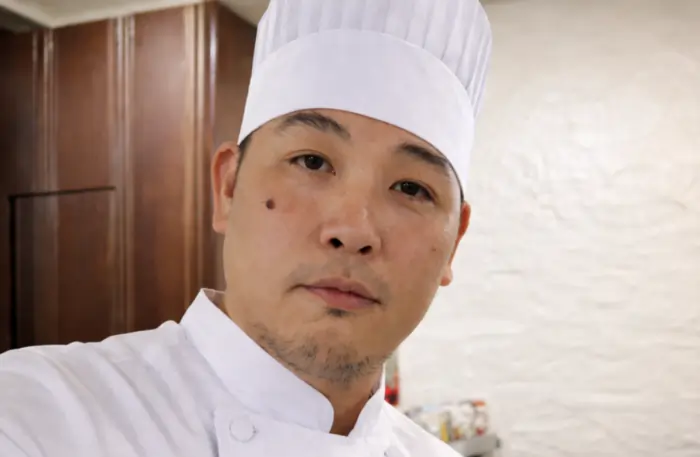
Chef Juan Gadi brings the heart of Filipino hospitality to Ubud, Bali. As an Executive Chef and consultant, he specializes in creating intimate, curated dining experiences that tell a story through every dish. Whether leading the kitchen at Kilig Filipino Warung or hosting a private villa dinner, Chef Juan’s approach is defined by warmth, modern technique, and a commitment to culinary excellence.