
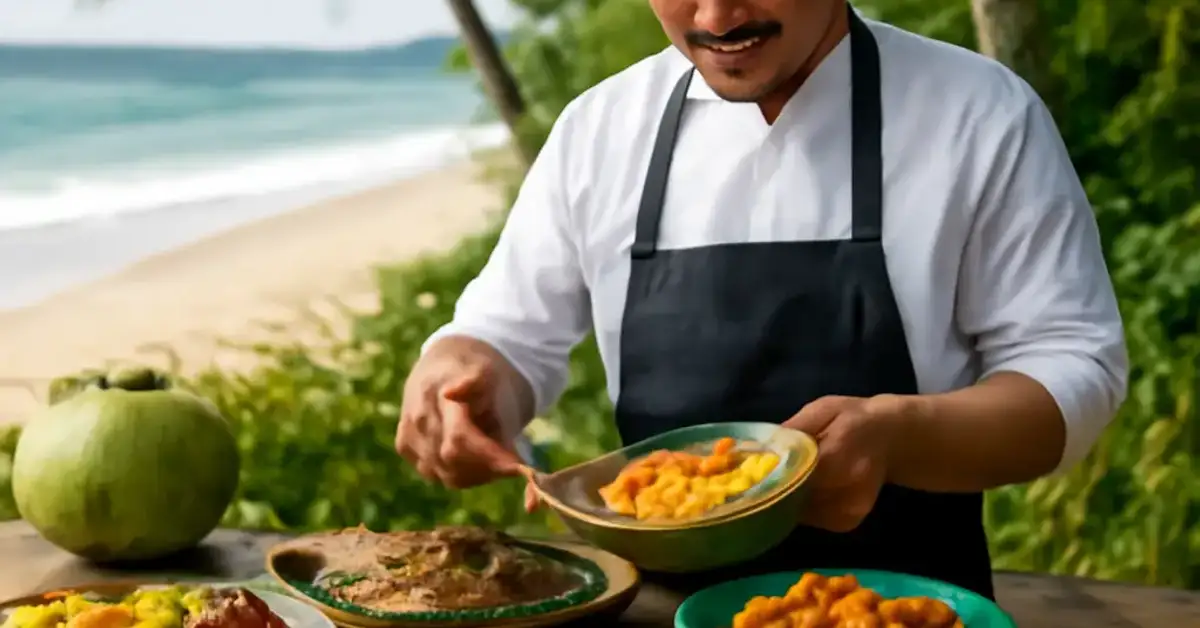
Guide to Pairing Filipino Dishes With Balis Tropical Lifestyle Key Takeaways
Pairing the bold, savory depth of Filipino dishes with the fresh, laid-back energy of Bali’s tropical lifestyle unlocks a dining experience that is both soulful and refreshing.
- Understand how Filipino dishes like kinilaw and adobo naturally complement Bali’s tropical lifestyle through tropical dining and outdoor dining .
- Learn to match Filipino comfort food and Filipino seafood dishes with tropical fruits and coconut-based recipes for healthy, vibrant plates.
- Discover the cultural connection between Filipino hospitality and Bali’s island food culture , emphasizing communal dining and culinary tourism .
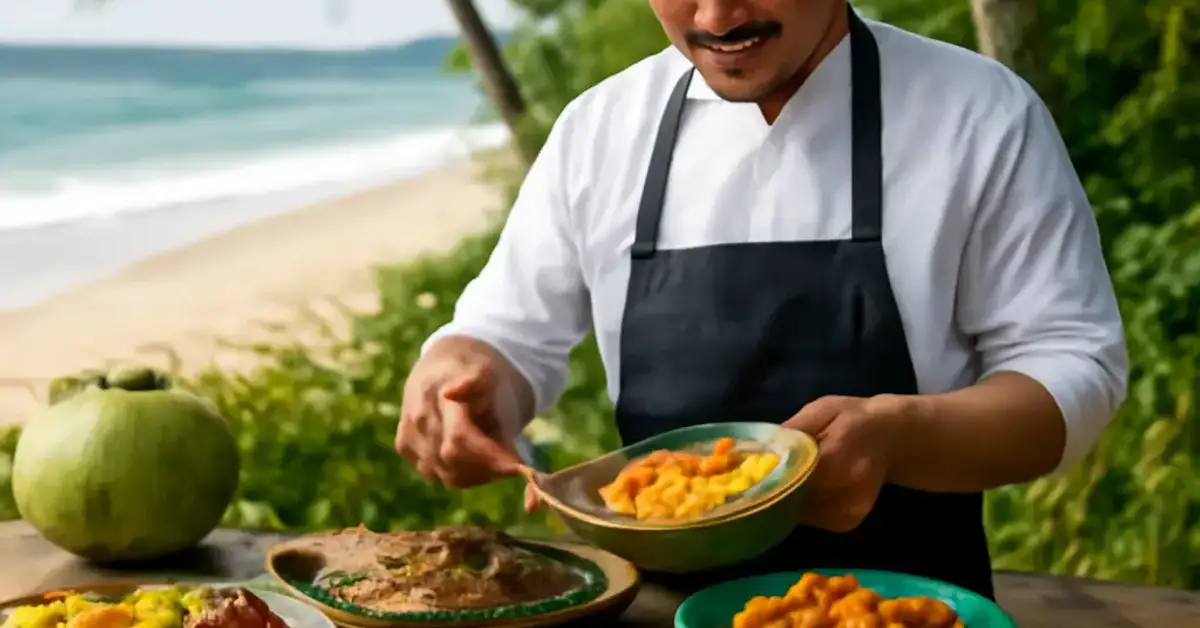
What Makes This Guide to Pairing Filipino Dishes With Balis Tropical Lifestyle Essential
Imagine the sun setting over a rice terrace in Ubud, the air warm and fragrant with frangipani. On the table, a platter of Filipino seafood dishes — maybe grilled squid stuffed with lemongrass — sits beside a bowl of fresh mango and coconut salad. This is not a fantasy; it is the natural meeting point between Filipino cuisine and Bali’s tropical lifestyle. As an Executive Chef in Bali, I have spent years exploring how the robust flavors of home can harmonize with the island’s abundant tropical ingredients. The result is a style of tropical dining that feels both familiar and exhilaratingly new. For a related guide, see How Tropical Ingredients Connect Filipino and Balinese Cuisine.
Many travelers and food lovers ask me how to bridge these two worlds. This Guide to Pairing Filipino Dishes With Balis Tropical Lifestyle answers that question by offering practical principles, dish-by-dish suggestions, and cultural context. Whether you are a chef planning a beachside dining menu or a traveler seeking travel food experiences, you will find actionable insights here.
Core Principles: Balancing Filipino Dishes With Tropical Living
Pairing Filipino dishes with Bali’s tropical lifestyle is not about forcing a fusion. It is about listening to the environment. Island living calls for light, fresh, and vibrant food that hydrates and energizes. Filipino cuisine, with its deep umami and tangy notes, can be dialed back or brightened using local produce. Here are the foundational ideas that guide every pairing.
Respect the Heat
Bali’s warm climate means heavy, oily dishes can feel oppressive. Instead, focus on tropical meals that emphasize acidity, freshness, and gentle cooking methods. A classic Filipino adobo, for example, can be lightened by using coconut vinegar and reducing the oil, then serving it with a side of green papaya salad.
Embrace Local Tropical Ingredients
Bali overflows with tropical fruits like snake fruit, mangosteen, dragon fruit, and young coconut. These are not just garnishes. They are essential components that can replace or enhance traditional Filipino ingredients. For instance, use Balinese turmeric and galangal to deepen the flavor of a Filipino comfort food like chicken tinola.
Celebrate Island Food Culture
Both Bali and the Philippines share a deep respect for communal dining and shared meals. Filipino hospitality is legendary, and it mirrors the Balinese concept of manyama — joyful togetherness. A meal should be a shared story, not a rushed transaction.
Filipino Seafood Dishes for Coastal Lifestyles
Living on an island means seafood is central to daily life. The Philippines has a rich tradition of Filipino seafood dishes that translate perfectly to Bali’s coastal lifestyle. The key is to source fresh local ingredients and let the sea speak.
Kinilaw With a Balinese Twist
Kinilaw, the Filipino version of ceviche, is a star in tropical settings. Instead of the usual vinegar and ginger, try marinating fresh tuna in lime juice, bird’s eye chili, and a splash of Balinese coconut milk. The result is a dish that is creamy, spicy, and incredibly refreshing — ideal for beachside dining.
Grilled Seafood With Coconut-Based Recipes
Grilled prawns or squid pair beautifully with a coconut cream sauce infused with local ingredients like lemongrass and kaffir lime. This is a perfect example of matching Filipino food with island living experiences. Serve it on a banana leaf with a side of pickled green mangoes.
Tropical Fruits Reimagining Filipino Comfort Food
Filipino comfort food like champorado (chocolate rice porridge) and turon (banana spring rolls) can be elevated using tropical fruits found abundantly in Bali. This approach supports food and wellness in warm-weather destinations, making indulgence feel light and nourishing.
Champorado With Young Coconut and Dragon Fruit
Replace traditional tablea chocolate with a blend of Balinese cacao and coconut milk. Top the porridge with fresh young coconut strips, dragon fruit cubes, and a drizzle of palm sugar syrup. It becomes a tropical meal that satisfies the soul without weighing you down.
Turon With Balinese Banana and Soursop
Use the sweeter, smaller Balinese bananas for turon. Wrap them in lumpia wrappers with a sliver of soursop and a pinch of cinnamon. Fry until crisp and serve with a mango-lime dip. This fresh and vibrant Filipino dish for warm climates showcases how tropical fruits can enhance Filipino meals.
Why Outdoor Dining Defines the Experience
In Bali, the line between indoors and outdoors is intentionally blurred. Outdoor dining is not a novelty; it is a way of life. Filipino dishes are inherently suited to this environment because they were born from a similar tropical dining culture — eating under the stars, on bamboo mats, surrounded by nature.
Boodle Fight Inspired by Filipino Food Culture
The Filipino boodle fight — a military-style communal feast where food is laid out on banana leaves and eaten with hands — is a spectacular outdoor dining experience. In Bali, this can be adapted using local tropical ingredients like grilled fish, roasted root vegetables, and sambal. It captures the essence of communal dining and shared food experiences.
Beachside Grills and Tropical Meals
Setting up a beachside dining experience with Filipino dishes is remarkably easy. Marinate pork belly in soy sauce, garlic, and calamansi, then grill it over coconut husks. Serve with a dipping sauce made from Balinese palm vinegar and crushed peanuts. It is Filipino hospitality meeting Bali’s island food culture.
Culinary Tourism and Cultural Discovery
For culinary tourism professionals and travelers, pairing Filipino dishes with Bali’s tropical lifestyle is not just about food — it is about story. Each dish becomes a vessel for cultural appreciation through food and travel. When a guest tastes a coconut-based recipe infused with local spices, they are experiencing the dialogue between two Southeast Asian cuisines.
Building Filipino Hospitality Into Every Meal
As Chef Juan Gadi, I believe that Filipino hospitality — the warm, generous spirit of pakikisama — is the secret ingredient. When you host a tropical dining experience, whether in a villa or a warung, the warmth of the host transforms the meal. The Guatemala of the experience? Connection. This is what makes travel food experiences unforgettable.
Seasonal and Sustainable and Fresh Food Experiences
Bali’s farmers and fishermen provide incredible fresh local ingredients year-round. This Guide to Pairing Filipino Dishes With Balis Tropical Lifestyle emphasizes sustainable and fresh food experiences. Using what is available locally reduces environmental impact and ensures peak flavor.
Embracing the Fusion of Filipino and Tropical Culinary Influences
This is not a competition between cuisines. It is a fusion of Filipino and tropical culinary influences that respects both traditions. For example, a Filipino-style sinigang (sour soup) can be made using Balinese tamarillo and local water spinach. The sourness and depth remain, but the dish becomes uniquely Balinese.
Supporting Local Ingredients Enhancing Filipino Dishes
When I cook Filipino dishes in Bali, I ask: what does this island offer today? The answer changes with the season. Young jackfruit might replace meat in a dish, or freshly grated coconut might thicken a stew. This practice of local ingredients enhancing Filipino dishes is the heart of tropical meals done right.
Useful Resources
For further reading on Filipino cuisine and tropical dining, visit these authoritative sources:
- BBC Travel: The Philippine Islands’ Remarkable Food Culture — A deep dive into the roots of Filipino food culture.
- Bali Tourism Board: Culinary Experiences — Official guide to culinary tourism and tropical dining in Bali.
Frequently Asked Questions About Pairing Filipino Dishes With Tropical Lifestyle
This Guide to Pairing Filipino Dishes With Balis Tropical Lifestyle is more than just a collection of recipes. It is an invitation to slow down, share a meal, and discover how Filipino cuisine can thrive in Bali’s tropical lifestyle. Whether you are a traveler, chef, or Filipino food culture enthusiast, I hope you find joy in these pairings.
Frequently Asked Questions About Guide to Pairing Filipino Dishes With Balis Tropical Lifestyle
How can Filipino dishes complement Bali’s tropical lifestyle?
Filipino dishes complement Bali’s tropical lifestyle by offering bold, savory flavors that pair well with fresh tropical ingredients like coconut, mango, and lemongrass. The acidity and saltiness of Filipino cuisine balance the sweetness of tropical fruits, creating a harmonious tropical dining experience.
What Filipino foods are ideal for warm climates?
Fresh and vibrant Filipino dishes for warm climates include kinilaw (ceviche), ensalada (vegetable salads), and grilled seafood. These tropical meals are light, hydrating, and packed with tropical ingredients that keep you cool and energized in island living environments.
Which Filipino dishes pair well with tropical ingredients ?
Dishes like adobo, sinigang, and chicken tinola pair exceptionally well with tropical ingredients such as coconut milk, young jackfruit, and local citrus. This is the essence of matching Filipino food with island living experiences.
How does island living influence dining preferences?
Island living encourages outdoor dining, communal sharing, and lighter meals. People prefer seafood-focused Filipino meals for coastal lifestyles and coconut-based recipes that reflect the abundance of the sea and land. Filipino hospitality naturally aligns with this relaxed Bali lifestyle.
What seafood dishes fit a tropical lifestyle?
Filipino seafood dishes like grilled squid, kinilaw, and coconut-crusted fish are perfect for a tropical lifestyle. They are light, flavorful, and easy to prepare for beachside dining or outdoor dining experiences.
How can tropical fruits enhance Filipino meals?
Tropical fruits like mango, dragon fruit, and mangosteen add sweetness, acidity, and color to Filipino dishes. They can be used in salsas, desserts, or as fresh accompaniments, showcasing how tropical fruits can enhance Filipino meals beautifully.
Why is communal dining important in Filipino culture?
Communal dining is at the heart of Filipino food culture. It reflects Filipino hospitality and strengthens family and community bonds. Shared meals are central to tropical dining experiences in both the Philippines and Bali.
What makes Filipino cuisine suitable for travel destinations?
Filipino cuisine is highly adaptable, using fresh local ingredients and bold flavors that appeal to culinary tourism. Its versatility makes it perfect for travel food experiences in tropical settings.
How do food and lifestyle connect in Bali?
In Bali, food and lifestyle are deeply connected through island food culture, mindfulness, and a focus on natural tropical ingredients. Meals are seen as rituals that nourish both body and spirit, aligning perfectly with Filipino hospitality.
What are the best Filipino dishes for outdoor tropical dining experiences?
Best Filipino dishes for outdoor tropical dining experiences include grilled meat skewers, fresh lumpia, watermelon sinigang, and coconut rice. These tropical meals are perfect for beachside dining and outdoor dining settings.
How does Chef Juan Gadi approach pairing Filipino dishes with Bali’s tropical lifestyle?
Chef Juan Gadi approaches pairing Filipino dishes with Bali’s tropical lifestyle by respecting both cuisines, using fresh local ingredients, and emphasizing Filipino hospitality. Every dish tells a story of cultural appreciation through food and travel. For a related guide, see Understanding Regional Filipino Flavors Through Bali Dining Experiences.
What role do coconut-based recipes play in tropical dining ?
Coconut-based recipes are essential in tropical dining for their creamy texture and cooling properties. They appear in Filipino dishes like ginataang gulay and as bases for drinks, embodying sustainable and fresh food experiences.
Can Filipino comfort food be adapted to resort and vacation environments?
Yes, Filipino comfort food adapted to resort and vacation environments includes healthier versions of adobo, sinigang, and leche flan using tropical ingredients. These dishes offer familiar warmth with a fresh, tropical dining twist.
What are the key tropical ingredients used in Filipino-Balinese fusion?
Key tropical ingredients include coconut, lemongrass, galangal, pandan, and local fruits. These local ingredients enhancing Filipino dishes create a true fusion of Filipino and tropical culinary influences.
How does food and wellness connect in warm-weather destinations?
Food and wellness in warm-weather destinations emphasizes light, nutrient-dense meals. Filipino dishes using tropical ingredients like young coconut, fresh fish, and vegetables support digestion and energy levels in island living.
What is the best way to experience Filipino dishes in Bali?
The best way to experience Filipino dishes in Bali is through a curated tropical dining experience that combines beachside dining with Filipino hospitality. This is true culinary tourism at its finest.
Are Filipino dishes suitable for vegan or vegetarian tropical diets?
Absolutely. Filipino dishes like vegetable kinilaw, coconut-based curries, and fresh spring rolls are naturally vegan-friendly and align with sustainable and fresh food experiences in tropical dining.
How do traditional flavors work in modern tropical settings?
Traditional flavors in modern tropical settings work beautifully when paired with fresh local ingredients. The key is balance — using Filipino cuisine techniques but adjusting for the Bali lifestyle and climate.
What is the cultural significance of food pairing in Southeast Asia?
In Southeast Asian cuisine, food pairing is about harmony of flavors, textures, and temperatures. Filipino dishes paired with tropical ingredients reflect cultural appreciation through food and travel and honor island food culture.
How can chefs and hospitality professionals use this guide?
This Guide to Pairing Filipino Dishes With Balis Tropical Lifestyle provides chefs and hospitality professionals with actionable strategies for beachside dining, communal dining, and sourcing tropical ingredients, ultimately enhancing culinary tourism offerings.

Chef Juan Gadi brings the heart of Filipino hospitality to Ubud, Bali. As an Executive Chef and consultant, he specializes in creating intimate, curated dining experiences that tell a story through every dish. Whether leading the kitchen at Kilig Filipino Warung or hosting a private villa dinner, Chef Juan’s approach is defined by warmth, modern technique, and a commitment to culinary excellence.




