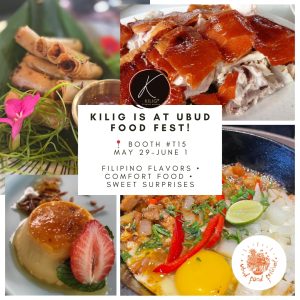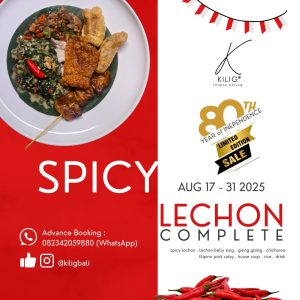
Seasonal Ingredients Influence Filipino Cooking Traditions Key Takeaways
When you sit down to a bowl of traditional Filipino cooking like sinigang or kare-kare , you are tasting the exact moment in the calendar when those ingredients were harvested.
- Seasonal ingredients influence Filipino cooking traditions by dictating menu changes, festival timing, and preservation techniques that have been passed down for generations.
- Filipino cuisine seasonality is not a trend—it is a survival strategy shaped by tropical agriculture, monsoon cycles, and coastal rhythms.
- Understanding these cycles helps chefs, food bloggers, and diaspora cooks honor authentic flavors while adapting recipes for year-round enjoyment.
The Living Connection Between Climate and Filipino Food Culture
When you sit down to a bowl of traditional Filipino cooking like sinigang or kare-kare, you are tasting the exact moment in the calendar when those ingredients were harvested. The Philippines straddles the equator, which means the country experiences two dominant seasons: wet and dry. But within those broad cycles, micro-seasons dictate what flourishes. The climate influence on cuisine here is not subtle—it is the primary ingredient. Seasonal ingredients influence Filipino cooking traditions so profoundly that the same dish prepared in January can taste entirely different from one made in July, simply because the tropical ingredients Philippines offers shift with the rains.
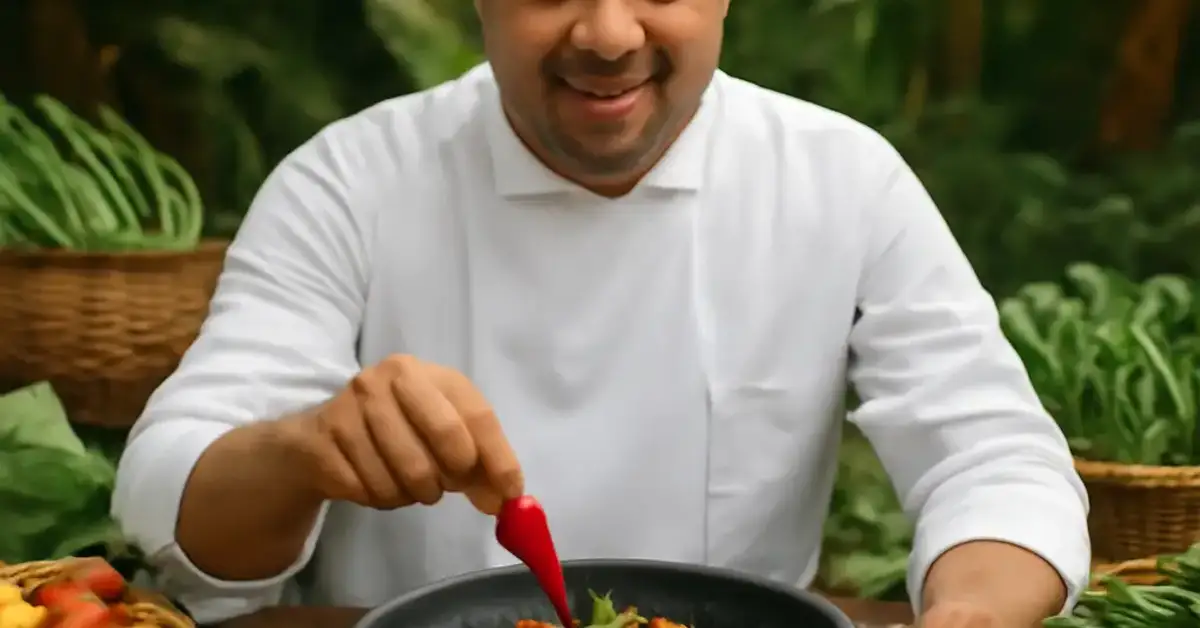
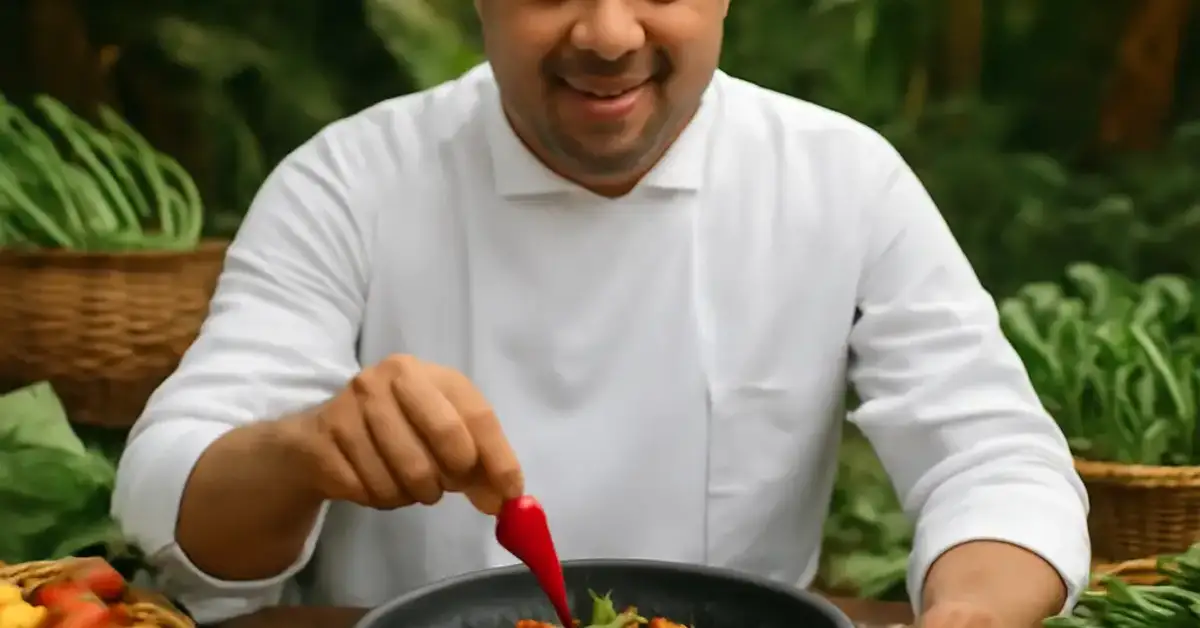
Chef Juan Gadi, Executive Chef at Kilig Filipino Warung in Ubud, Bali, explains: “When I create a menu, I first ask what is at its peak right now. The Filipino food culture I grew up with never separated the dish from the season. My grandmother knew that malunggay leaves were tender after rain and that pomelo was best just before Christmas. That seasonal intuition is the heart of our cuisine.” For a related guide, see 11 Filipino Food Experiences Worth Trying Around Bali.
How Tropical Agriculture Shapes Filipino Seasonal Cuisine
The agricultural influence on cuisine in the Philippines is older than written recipes. Pre-colonial communities farmed according to the stars, the monsoon winds, and the river levels. Today, tropical agriculture Philippines still follows these ancient cues. Rice, the backbone of every meal, has two major planting and harvesting seasons. The wet-season harvest—usually from October to December—produces a softer, more fragrant grain ideal for lugaw (rice porridge). The dry-season harvest, from March to May, yields a firmer grain perfect for sinangag (garlic fried rice).
Understanding seasonal food availability Philippines means knowing that Philippine seasonal produce like kalamansi, sampalok (tamarind), and pandan each have their peak windows. Local ingredients Philippines are not interchangeable substitutes; they are the soul of the dish. When a recipe calls for young gabi leaves in laing, those leaves are only available during the rainy months when the taro plant puts out fresh growth. Any other time, the leaves would be too fibrous and bitter.
The Dry Season Bounty
From March to May, the Philippines celebrates the dry season with a burst of color and sweetness. Seasonal fruits and vegetables Philippines during this period include the world-renowned mangoes, lanzones, rambutan, and watermelon. Filipino fruits and vegetables like these are not just snacks—they are central to recipes. Green mangoes become atchara (pickled relish) and are dipped in bagoong (fermented fish paste). Ripe mangoes star in mango float and halo-halo toppings.
The Wet Season Comforts
When the monsoon arrives in June, the kitchen turns to heartier, warmer fare. Filipino seasonal cuisine shifts to soups and stews. Bulalo (beef marrow stew), tinola (chicken ginger soup), and pochero become family favorites. The rain guarantees an abundance of leafy greens like petchay, kangkong, and mustasa. Seasonal cooking Philippines during these months relies heavily on root crops such as kamote (sweet potato) and ube (purple yam), which store well and provide sustained energy.
Coastal Seafood Seasons: The Rhythm of the Shoreline
As an archipelago of more than 7,600 islands, the Philippines depends on the sea for protein. Coastal seafood seasons Philippines dictate not only what is available but how it is prepared. Filipino seafood seasons are deeply linked to spawning patterns and water temperature. For instance, tulingan (mackerel tuna) is at its fattiest from November to February during the northeast monsoon. Tambakol (yellowfin tuna) peaks in the calm summer months of April and May.
Chef Juan often sources seafood directly from small-scale fishers in Bali and compares it to his childhood in the Philippines: “When I cook paksiw na bangus, I know the milkfish caught in December has a higher fat content because it is feeding for the cooler months. That fat carries the paksiw broth differently than a leaner summer fish. How do coastal seasons influence seafood dishes in the Philippines? They determine whether you need more vinegar or ginger to balance the oiliness of the fish.”
Harvest Traditions and Filipino Festival Foods
Harvest traditions Philippines are not historical relics—they are living celebrations that still shape menus today. The Filipino festival foods associated with harvests include kiping (crispy rice wafers) in Lucban’s Pahiyas Festival and bibingka (rice cakes) during the Christmas season. How do Filipino festivals relate to seasonal foods? Every festival is anchored to a specific crop’s peak: the Dinagyang Festival in Iloilo celebrates the bounty of the sea and the first catch of the year.
These festivals are not just tourist attractions. They preserve indigenous cooking practices that would otherwise fade. The pagtatahip (winnowing) of newly harvested palay (unhusked rice) is still performed during the Pahiyas harvest ritual. The grains are then roasted, pounded, and turned into pinipig—a key ingredient in traditional recipes Philippines like suman and biko. How has seasonality preserved Filipino food traditions? By tying each dish to a calendar event, the season itself becomes the recipe.
Regional Filipino Cuisine: A Mosaic of Micro-Seasons
Regional Filipino cuisine is not a monolith—it is a patchwork of local growing conditions. The Bicol Region, with its volcanic soil and heavy rainfall, produces an abundance of chili peppers and coconut. This explains why Bicolano dishes like Bicol Express and laing are intensely spicy and creamy. In contrast, the Ilocos Region, with its drier climate, relies on fermentation and salting to preserve vegetables. Local ingredient sourcing Philippines in Ilocos means bagnet (deep-fried pork belly), pinakbet (vegetable stew with shrimp paste), and diningding (dried fish).
The Visayan islands, particularly Cebu and Iloilo, have distinct wet and dry cycles that influence their seasonal eating culture Philippines. Cebu’s lechon is legendary, but the pigs are only fed coconut and citrus during the dry months when the fruit is abundant. That diet affects the meat’s flavor, making each lechon a product of its micro-season. How do seasonal ingredients influence Filipino cooking traditions in these regions? By forcing cooks to be creative with what is available. The adobo of one province may use dayap (lime) instead of vinegar because limes are seasonal there.
Rural Filipino Food Systems and Sustainability
Rural Filipino food systems offer a blueprint for culinary sustainability Philippines. Before refrigeration, communities relied on the seasons to guide preservation. Sustainable food practices Philippines include pagbuburo (fermentation), pagtutuyo (sun-drying), and pag-aatsara (pickling). These methods not only extend the shelf life of Philippine culinary traditions but also deepen flavor profiles. The local food ecosystems Philippines supported by these practices are remarkably efficient. Every part of an ingredient is used—fish heads for broth, vegetable peels for animal feed, and fruit seeds for planting futures.
How do rural communities use seasonal produce in cooking? In a typical farming village, the day’s meal is decided by what the palengke (market) offers that morning. There is no imported substitute. If the sitaw (string beans) are not in season, the family eats ampalaya (bitter melon) or kalabasa (squash). This reliance on seasonal diet Philippines ensures that the community eats a wide variety of nutrients across the year, because no single crop dominates every month.
Modern Adaptation: Chef Juan Gadi’s Approach to Seasonal Recipe Adaptation
For modern chefs and home cooks alike, seasonal recipe adaptation is both a challenge and an opportunity. Chef Juan Gadi’s work at Kilig Filipino Warung in Ubud, Bali, demonstrates how Filipino culinary identity thrives even when the chef is outside the Philippines. “I cannot get santol or siniguelas here in Bali, but I can find local soursop or tamarind. The key is understanding the flavor profile, not just the ingredient name. Seasonal ingredients influence Filipino cooking traditions no matter where you are—you just have to learn the rhythm of your new location.”
He advises home cooks to create a Filipino ingredient sourcing calendar. Know when local produce Philippines like kangkong and malunggay are at their peak. When a vegetable is abundant, buy extra and blanch, freeze, or pickle it. Filipino cooking methods like paggigisa (sautéing aromatics) are flexible enough to accommodate different vegetables through the year.
Useful Resources
For deeper exploration of Philippine culinary culture and tropical cooking traditions, consider these resources:
- Benilde Center for Food and Beverage Studies – Filipino Cuisine Resources — Academic insights into the evolution of Filipino food and its seasonal roots.
- Food and Agriculture Organization – Philippines Agriculture Overview — Data and reports on tropical agriculture Philippines, seasonal cycles, and food security.
Chef Juan Gadi brings the heart of Filipino hospitality to Ubud, Bali. As an Executive Chef and consultant, he specializes in creating intimate, curated dining experiences that tell a story through every dish. Whether leading the kitchen at Kilig Filipino Warung or hosting a private villa dinner, Chef Juan’s approach is defined by warmth, modern technique, and a commitment to culinary excellence. For a deeper dive into how seasonal ingredients influence Filipino cooking traditions, connect with Chef Juan on social media or book a seasonal tasting menu at Kilig Filipino Warung.
Frequently Asked Questions About Seasonal Ingredients Influence Filipino Cooking Traditions
How do seasonal ingredients influence Filipino cooking traditions ?
Seasonal ingredients dictate the core flavor, texture, and nutritional value of each dish. Filipino cooks adapt recipes based on what is freshly harvested or caught, which preserves the authenticity and nutritional integrity of the cuisine. This practice keeps traditional Filipino cooking vibrant and connected to the land.
Why is Filipino cuisine shaped by seasonal availability?
Because the Philippines is an archipelago with no distinct four-season climate, the availability of Philippine seasonal produce fluctuates with the monsoon. Filipino cuisine seasonality is therefore a direct response to what the environment provides, making flexibility and preservation core survival skills.
What fruits and vegetables are in season in the Philippines?
Dry season (March–May) brings mangoes, lanzones, rambutan, watermelon, and green papaya. Wet season (June–February) offers root crops like kamote and ube, leafy greens like kangkong and petchay, and tropical fruits like durian and marang. Seasonal fruits and vegetables Philippines are diverse and region-specific.
How do Filipino recipes change throughout the year?
Recipes shift to match available ingredients. In rainy months, soups and stews like tinola and bulalo dominate. In dry months, grilled and fresh preparations like inihaw na isda and ensalada become common. Seasonal recipe adaptation ensures dishes remain satisfying year-round.
How does climate affect Filipino cooking?
Climate determines growing cycles for crops and spawning patterns for seafood. The climate influence on cuisine in the Philippines means that a cook must adjust cooking times, seasoning, and even the choice of protein based on whether it is the wet or dry season. Humidity also affects fermentation rates for bagoong and patis.
What role does harvest season play in Filipino food culture ?
Harvest season is central to Filipino food culture. It determines when rice is milled, when fruits are at their peak, and when harvest traditions Philippines are celebrated. The season’s start and end mark the timing for festivals and communal feasts that reinforce community bonds.
How do coastal seasons influence seafood dishes in the Philippines?
Coastal seasons dictate fish fat content, catch size, and even the species available. Filipino seafood seasons affect whether a fish suits paksiw (vinegar stew) or inihaw (grilling). Coastal seafood seasons Philippines are as predictable as the tides.
Why are fresh ingredients important in Filipino cuisine?
Fresh ingredients deliver the bright, sour, and savory notes that define Filipino dishes. Local ingredients Philippines lose flavor and nutrients quickly after harvest, so using freshly sourced seasonal Filipino ingredients is essential for the dish to taste as intended. For a related guide, see Filipino Food Through Regional Flavors: 7 Essential Flavors to Explore.
How do rural communities use seasonal produce in cooking?
Rural communities plan daily meals around the morning market’s supply. Rural Filipino food systems rely on whatever is harvested that day—nothing is shipped from distant farms. This creates a direct farm to table Philippines chain that respects the season deeply.
What traditional Filipino dishes depend on seasonal ingredients?
Sinigang depends on sour fruits like sampalok (tamarind) or kalamansi. Laing requires fresh gabi leaves only available in the rainy season. Bibingka and puto bumbong are Christmas-specific because they use young coconut and purple rice that peak in December.
How does monsoon season affect Filipino food choices?
Monsoon season brings heavy rains and cooler temperatures, which reduce the availability of sun-ripened fruits. Families turn to warming, hearty dishes like lugaw and goto. Tropical cooking traditions respond by using more ginger, garlic, and fermented condiments to boost immunity and flavor.
How do Filipino festivals relate to seasonal foods?
Every major Filipino festival celebrates a harvest or a catch. The Pahiyas Festival showcases the rice harvest, while the Dinagyang Festival honors the sea’s bounty. Filipino festival foods like kiping and pancit are direct expressions of seasonal abundance.
What ingredients are commonly used during specific Filipino seasons?
Dry season: mangoes, green papaya, watermelon, lanzones, coconut water. Wet season: gabi leaves, kangkong, kamote, ginger, turmeric. Philippine agriculture food cycles make these ingredients predictable and culturally significant.
How does local farming shape Filipino cuisine?
Local farming determines the variety of Philippine culinary culture. Small-scale farms grow diverse crops that match the tropical ingredients Philippines reputation. Local food ecosystems Philippines benefit from polyculture farming, which supplies many ingredients at once.
How has seasonality preserved Filipino food traditions?
Because each ingredient is only available for a short window, cooks learn specific preservation and cooking techniques. Indigenous cooking practices like sun-drying, smoking, and fermenting are passed down because they are the only ways to enjoy out-of-season flavors. This keeps culinary knowledge alive.
What is the best way to adapt a Filipino recipe for a different season?
Identify the acid and umami sources in the original recipe. For instance, if sinigang calls for sampalok and it is out of season, use kalamansi or tamarind concentrate. Seasonal recipe adaptation is about matching the flavor profile, not the exact ingredient.
Can Filipino cuisine be sustainable?
Absolutely. Culinary sustainability Philippines is inherent in the cuisine’s foundation. Using every part of an ingredient, fermenting scraps, and eating seasonally reduces waste. Sustainable food practices Philippines like pagbuburo are already zero-waste methods.
How can I learn more about Filipino culinary traditions?
Start by exploring Filipino gastronomy through cookbooks from authors like Claude Tayag and Gene Gonzalez. Visit local palengkes and talk to vendors about their produce. Follow chefs like Juan Gadi who showcase Filipino culinary heritage with a modern, seasonal approach.
What is farm to table Philippines practice?
It is the tradition of sourcing ingredients directly from local farms and fishing communities. Farm to table Philippines is not a luxury trend—it is how most rural Filipinos have always eaten. Chefs like Juan Gadi elevate this practice by building relationships with small-scale producers.
How does the Filipino diaspora maintain seasonal cooking abroad?
They adapt by substituting local seasonal produce for traditional ones. Filipino food traditions survive abroad because the principles—sour, savory, fermented—are universal. Seasonal diet Philippines is flexible, and diaspora cooks learn which local vegetables match pinakbet or sinigang in texture and taste.
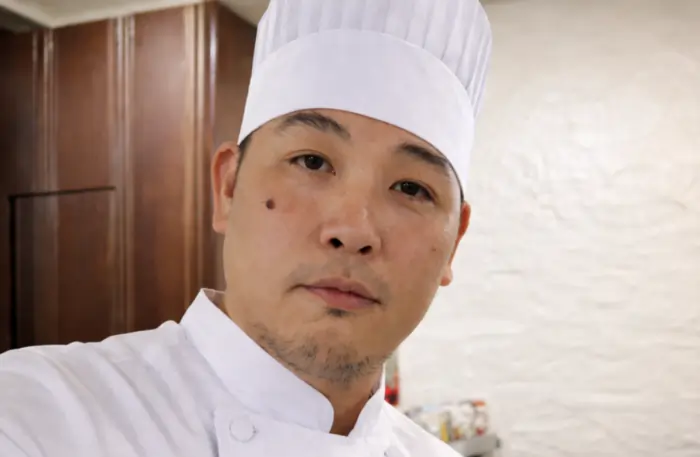
Chef Juan Gadi brings the heart of Filipino hospitality to Ubud, Bali. As an Executive Chef and consultant, he specializes in creating intimate, curated dining experiences that tell a story through every dish. Whether leading the kitchen at Kilig Filipino Warung or hosting a private villa dinner, Chef Juan’s approach is defined by warmth, modern technique, and a commitment to culinary excellence.