Why Filipino Breakfast Culture Deserves Global Attention Key Takeaways
Why Filipino breakfast culture deserves global attention because it combines bold flavors, communal warmth, and a deep sense of heritage that few cuisines can match.
- Filipino breakfast culture is built on the harmony of salty, sour, and savory elements that create memorable comfort food
- Traditional Filipino breakfast revolves around rice, local proteins, and vibrant condiments like vinegar and calamansi
- Regional variations and street food traditions make Filipino morning meals endlessly diverse and globally appealing
The Heart of Filipino Breakfast Culture
When I first arrived in Bali as an Executive Chef, I brought with me the flavors of my childhood mornings in Manila. Every time I prepared silog meals Philippines for guests at Kilig Filipino Warung, I watched their faces light up with surprise. They had never tasted anything like it — the crunch of garlic rice breakfast Philippines, the tang of spiced vinegar, the tender bite of cured beef. That moment of discovery is why I believe why Filipino breakfast culture deserves global attention is not just a question but a statement.
Breakfast in the Philippines is more than fuel for the day. It is a ceremony of connection. Families gather around the table before sunrise, sharing Filipino morning meals that often include fried fish, eggs, and of course, rice. The meal is simple yet deeply satisfying, reflecting a culture that prioritizes community over complexity.
What Makes Traditional Filipino Breakfast Unique Compared to Other Cuisines
What sets Filipino breakfast culture apart is its fearless use of flavor contrasts. In one plate, you might find salty cured beef, sour pickled papaya, and savory garlic oil all working together. This is not accidental. It is the result of centuries of trade, colonization, and local ingenuity that shaped Filipino food culture. For a related guide, see 12 Filipino Ingredients Behind the Countrys Best Dishes.
Traditional Filipino breakfast food relies heavily on fermentation and curing — techniques that preserve food in a tropical climate. Dishes like tapsilog (beef tapa), longsilog (sweet sausage), and tosilog (marinated pork) are all examples of this heritage. Unlike Western breakfasts that separate sweet from savory, Filipino meals embrace the union of both on one plate.
The Role of Garlic Fried Rice Philippines
No Filipino rice breakfast is complete without sinangag — garlic fried rice. This humble dish of leftover rice stir-fried with loads of garlic is the foundation of Filipino comfort breakfast. It transforms plain grains into aromatic, crispy, and deeply flavorful bites that anchor the entire meal.
As a chef, I often tell my team that sinangag represents the Filipino spirit: making something extraordinary from simple ingredients. This philosophy defines Filipino culinary heritage and continues to inspire Filipino breakfast evolution in modern kitchens around the world.
Silog Meals: The Holy Trinity of Filipino Breakfast
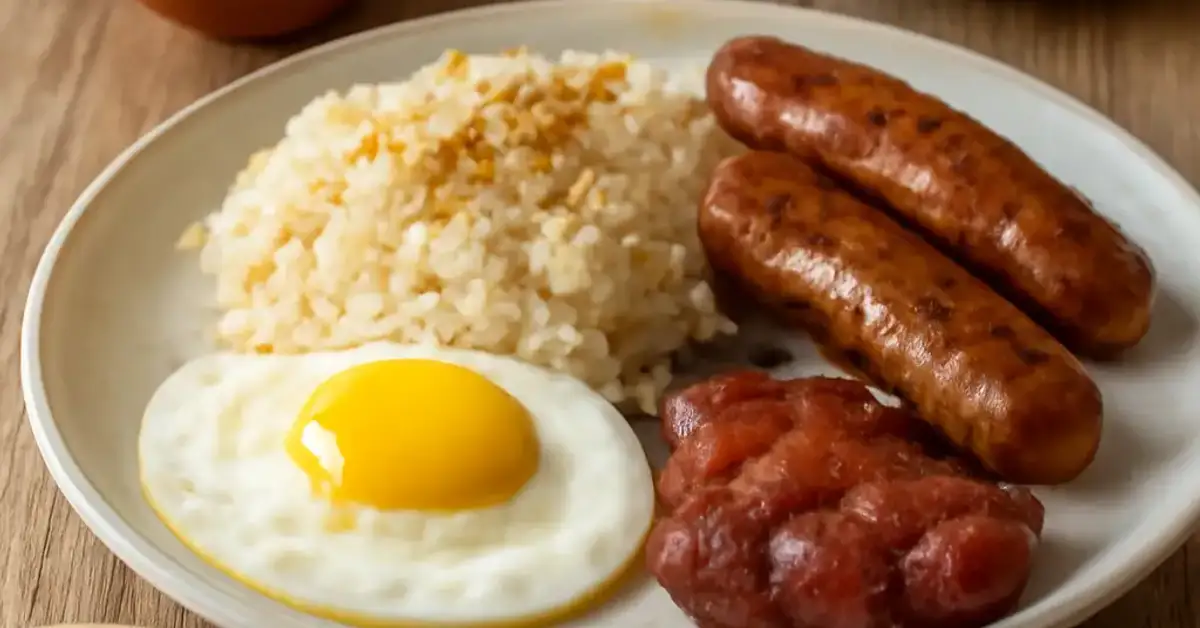
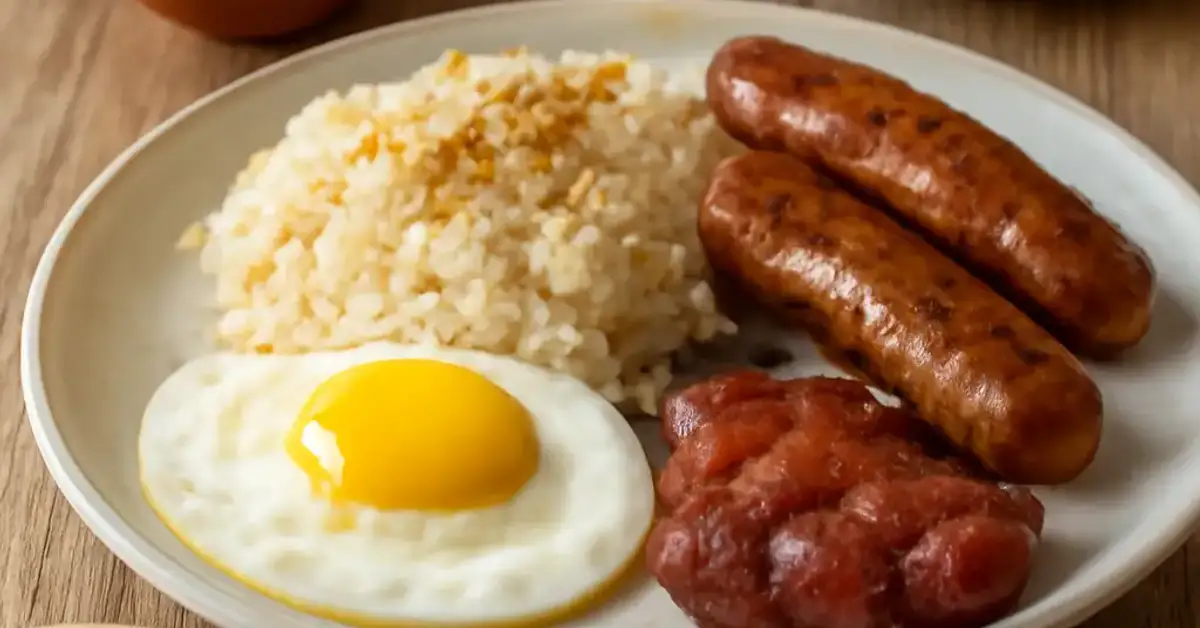
The term silog meals comes from combining sinangag (garlic rice) and itlog (egg). Every silog variant adds a protein, creating an endless lineup of combinations:
| Silog Variant | Protein | Key Flavor Profile |
|---|---|---|
| Tapsilog | Cured beef tapa | Salty, slightly sweet, garlicky |
| Longsilog | Sweet Filipino sausage | Sweet, garlicky, smoky |
| Tosilog | Marinated pork tocino | Sweet, savory, caramelized |
| Spamsilog | Fried Spam | Salty, crispy, indulgent |
| Danggit Silog | Dried rabbitfish | Salty, crispy, umami fish flavor |
These Filipino breakfast dishes are now celebrated beyond the archipelago. Food bloggers and social media influencers often highlight silog meals as one of the most photogenic and flavorful breakfast options in Southeast Asia. For content creators looking to showcase authentic Filipino food identity, the silog plate is a powerful visual and culinary story.
How Regional Filipino Breakfast Dishes Reflect Geographical Diversity
The Philippines is an archipelago of over 7,600 islands, and each region brings its own interpretation of morning meal traditions Philippines. In the north, Ilocano breakfasts often include bagnet (crispy pork belly), while in the Visayas, dried fish paired with vinegar is the go-to morning meal.
Exploring regional Filipino breakfast dishes reveals a map of local resources and cultural influences. In Bicol, coconut milk and chili peppers grace the morning table. In Mindanao, grilled seafood and turmeric rice start the day with vibrant color and spice. This diversity is part of Filipino gastronomy and deserves a place in global food conversations. For a related guide, see Exploring the Cultural Significance of Filipino Street Food.
Filipino rural breakfast traditions often include homegrown vegetables and freshly caught fish, while Filipino urban breakfast culture adapts to fast-paced city life with street food and quick silog combos. This contrast makes Filipino food lifestyle both dynamic and accessible.
The Role of Filipino Street Breakfast Food in Daily Life
Walk through any Philippine city early in the morning, and you will smell the charcoal smoke of street vendors grilling tapsilog, longsilog, and Filipino breakfast snacks like puto (rice cakes) or bibingka (baked rice cake). Street breakfast is fast, affordable, and deeply rooted in Filipino daily meal patterns.
For tourists, Filipino street breakfast offers an authentic taste of local life. The experience of eating grilled meat on a tiny plastic stool while sipping Filipino breakfast beverages like kapeng barako (strong coffee) or salabat (ginger tea) is unforgettable. This is Filipino food tourism breakfast at its most genuine.
Filipino Breakfast Culture and the Spirit of Hospitality
In my private villa dinners in Ubud, I always start with a breakfast-inspired amuse-bouche: a tiny cup of garlic rice crowned with a quail egg and tocino. Guests immediately feel welcomed. That is the essence of Filipino hospitality food culture — food is a gesture of love.
Filipino dining culture emphasizes that a guest should never leave hungry. This is especially true at breakfast, where the table often overflows with dishes. Sharing Filipino comfort food breakfast with others is a ritual that strengthens bonds and reflects cultural significance breakfast Philippines.
Filipino Breakfast Evolution from Tradition to Global Stage
Filipino breakfast evolution has moved from rural kitchens to urban cafes and now to international restaurant menus. The rise of Filipino food globalization has introduced silog meals, garlic rice breakfast Philippines, and Filipino morning food culture to diners in New York, London, Tokyo, and beyond.
Chefs and restaurateurs are reimagining traditional morning meals Philippines while staying true to their roots. Crowdfunding campaigns and food festivals dedicated to Filipino breakfast tourism are gaining momentum. For diaspora Filipinos, these dishes are a taste of home and a source of pride.
Why Why Filipino Breakfast Culture Deserves Global Attention Matters for Food Tourism
Filipino food tourism breakfast is a growing niche. Tourists now seek culinary experiences that go beyond sightseeing, and the Philippines offers a rich morning food culture that is affordable, diverse, and deeply rooted in Filipino heritage meals. Cooking classes, food tours, and chef-hosted breakfasts are becoming popular among travelers who want to understand Filipino cuisine identity. For a related guide, see Why Filipino Cuisine Fits Balis Relaxed Dining Culture.
For hospitality professionals and restaurant owners, incorporating Filipino breakfast dishes into menus can attract adventurous diners looking for Southeast Asian breakfast traditions. The uniqueness of Filipino food traditions offers a competitive edge in a crowded food landscape.
Useful Resources
To explore more about Filipino breakfast culture and its global impact, visit these trusted sources:
- Rappler – The story of Filipino breakfast and the silog phenomenon
- Tatler Asia – A guide to Filipino breakfast culture and silog meals
Frequently Asked Questions About Why Filipino Breakfast Culture Deserves Global Attention
Conclusion: Why Why Filipino Breakfast Culture Deserves Global Attention Is More Than a Trend
Why Filipino breakfast culture deserves global attention is clear in every plate of silog meals, every grain of garlic fried rice Philippines, and every sip of Filipino breakfast beverages. It is a cuisine born of history, nurtured by family, and now ready to be discovered by the world.
As Chef Juan Gadi, I have seen how a simple breakfast can bridge cultures. In Ubud, Bali, I serve Filipino breakfast culture to guests from every continent. They leave not just full, but curious — eager to learn more about Filipino culinary heritage and the stories behind each dish. That is the power of a morning meal done right. It invites connection. And that is why it deserves global attention.
Frequently Asked Questions About Why Filipino Breakfast Culture Deserves Global Attention
Why does Filipino breakfast culture deserve global attention?
Because it blends bold, balanced flavors with a deep sense of community and heritage, offering a breakfast experience that is both comforting and exciting — a true reflection of Filipino gastronomy.
What makes Filipino breakfast unique compared to other cuisines?
Its fearless use of flavor contrasts — salty, sour, sweet, and savory on one plate — and its foundation of garlic rice and local proteins set it apart from Western or other Asian breakfasts.
How does Filipino breakfast reflect cultural identity?
It showcases resourcefulness, hospitality, and regional diversity, with each meal telling the story of Filipino food identity and community values.
What are traditional Filipino breakfast foods?
Classics include tapsilog, longsilog, tosilog, garlic fried rice, fried dried fish, and Filipino breakfast snacks like puto and bibingka.
Why is rice a staple in Filipino breakfast meals?
Rice is central to Filipino agriculture and daily life, providing a neutral base that balances strong flavors and makes meals more filling and satisfying.
How do regional differences shape Filipino breakfast dishes?
Each region uses local ingredients — like coconut milk in Bicol or dried fish in the Visayas — creating unique regional Filipino breakfast dishes that reflect geography and culture.
What role does street food play in Filipino breakfast culture ?
Street food makes breakfast accessible and affordable, offering quick silog combos and Filipino street breakfast that tourists and locals alike enjoy daily.
How does Filipino breakfast compare to Western breakfast?
Filipino breakfast is typically savory, rice-based, and strongly flavored, while Western breakfast leans toward sweet pastries, eggs, or cereal.
Why are silog meals popular in the Philippines?
They are quick, affordable, endlessly customizable, and satisfying — a perfect combination for busy mornings and a cornerstone of Filipino daily diet.
How does Filipino breakfast reflect family and social life?
Breakfast is often the only meal the whole family shares before work and school, reinforcing bonds and hospitality through shared food.
What beverages are common in Filipino breakfast culture ?
Common drinks include Filipino breakfast beverages like kapeng barako (strong coffee), tsokolate (hot cocoa), salabat (ginger tea), and fresh coconut water.
How has Filipino breakfast evolved over time?
It has moved from rural, preserved-food traditions to urban quick meals and international fine-dining interpretations, reflecting Filipino breakfast evolution.
What makes Filipino breakfast appealing to tourists?
Its bold flavors, affordability, and visual appeal make it a photogenic and memorable experience, ideal for Filipino breakfast tourism.
How does Filipino comfort food appear in morning meals?
Dishes like arroz caldo (rice porridge) or champorado (chocolate rice pudding) are warm, nostalgic Filipino comfort breakfast favorites.
Why is Filipino breakfast important in daily life?
It provides energy for the day, reinforces family ties, and preserves Filipino cultural meals that have been passed down for generations.
What is tapsilog ?
Tapsilog is a popular silog meal made with cured beef tapa, garlic fried rice, and a fried egg — a staple of Filipino breakfast habits.
What is longsilog ?
Longsilog features sweet Filipino sausage, garlic rice, and an egg, representing the sweet-savory balance of Filipino morning food culture.
What is tosilog ?
Tosilog consists of marinated pork tocino, garlic rice, and egg, offering a caramelized sweetness that defines Filipino breakfast recipes.
How can I experience authentic Filipino breakfast at home?
Cook a simple tapsilog or longsilog using pre-marinated meats from Asian grocers, pair it with garlic fried rice Philippines, and serve with spiced vinegar.
What is the best Filipino breakfast for first-timers?
Tapsilog is the most approachable and widely loved, making it an excellent introduction to Filipino breakfast culture.
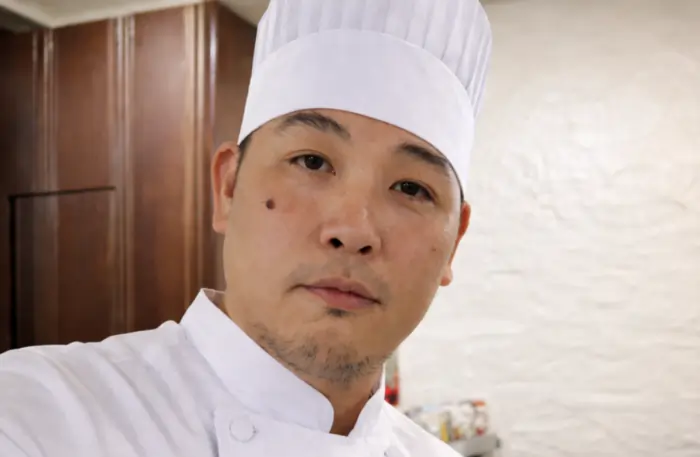
Chef Juan Gadi brings the heart of Filipino hospitality to Ubud, Bali. As an Executive Chef and consultant, he specializes in creating intimate, curated dining experiences that tell a story through every dish. Whether leading the kitchen at Kilig Filipino Warung or hosting a private villa dinner, Chef Juan’s approach is defined by warmth, modern technique, and a commitment to culinary excellence.