
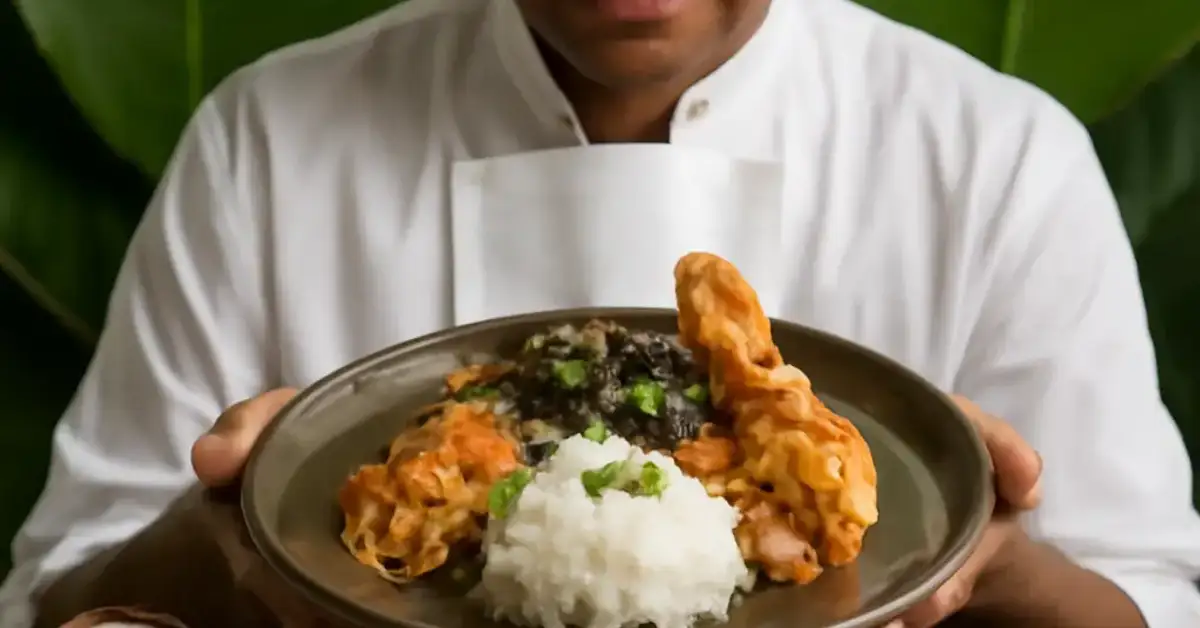
Tropical Ingredients Connect Filipino and Balinese Cuisine Key Takeaways
The deep connection between Filipino and Balinese cuisine is rooted in a shared tropical environment—lush islands, abundant rainfall, and sun-drenched soil that yields coconut, rice, tropical fruits, and fresh seafood.
- Tropical ingredients connect Filipino and Balinese cuisine through staples like coconut, rice, banana leaves, and tropical fruits that shape daily meals and festive feasts alike.
- Both island cultures honor fresh seafood in coastal communities and rely on native herbs and spices shaping regional flavors such as ginger, turmeric, lemongrass, and chili.
- The role of food in preserving cultural identity is central—recipes passed through generations reinforce family bonds and community ties.
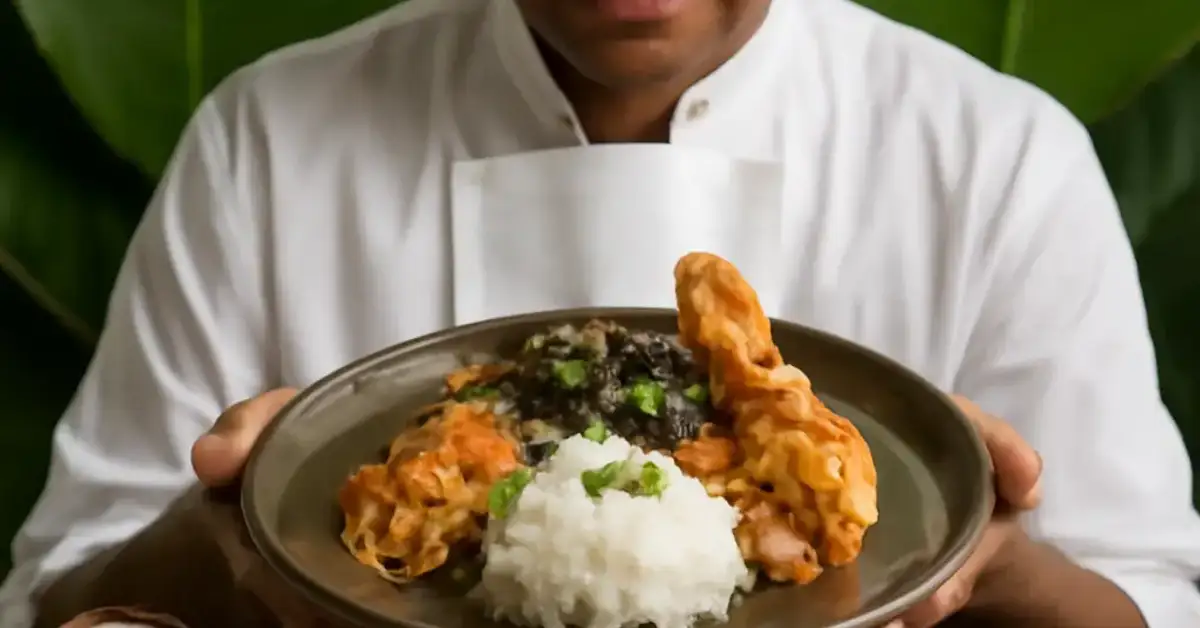
What Readers Should Know About How Tropical Ingredients Connect Filipino and Balinese Cuisine
As an Executive Chef working between the Philippines and Bali, I have watched guests light up when they taste something familiar yet exotic. A spoonful of coconut in cooking—whether in a rich Filipino ginataan or a fragrant Balinese lawar—can transport someone to their grandmother’s kitchen. This article explores the invisible threads of tropical ingredients that weave together two island cuisine traditions separated by sea but united by culture. For a related guide, see Understanding Regional Filipino Flavors Through Bali Dining Experiences.
You will discover how Filipino cuisine and Balinese cuisine share a shared agricultural heritage across Southeast Asia, how tropical fruits and vegetables in traditional cooking create flavor harmony, and why rice culture is the heartbeat of both tables. Along the way, you will learn practical ways to appreciate these food heritage connections in your own kitchen or travels. For a related guide, see Why Filipino Cuisine Fits Balis Relaxed Dining Culture.
The Shared Agricultural Heritage Across Southeast Asia
Before colonization and global trade, the islands of Southeast Asia already communicated through sea routes. The shared agricultural heritage across Southeast Asia is no accident—it is the result of centuries of migration, trade, and adaptation. The same equatorial sun that ripens mangoes in Manila also sweetens salak in Bali.
A Common Foundation in Wet-Rice Agriculture
The importance of rice as a culinary staple cannot be overstated. In the Philippines, rice accompanies every meal from breakfast sinangag to dinner adobo. In Bali, nasi is the center of the plate, served with lawar, sate, and sambal. Both cultures developed terraced farming systems that shape the landscape and the daily rhythm of life.
Tropical Fruits and Vegetables That Cross Borders
Mango, banana, papaya, jackfruit, coconut, and calamansi grow abundantly in both archipelagos. These tropical fruits appear in savory dishes as often as desserts. The tropical fruits and vegetables in traditional cooking provide natural acidity, sweetness, and texture that define regional flavors.
Why Coconut Is the Soul of Both Filipino and Balinese Recipes
The phrase coconut in Filipino and Balinese recipes is not just an ingredient note—it is a statement about identity. Coconut is food, drink, medicine, utensil, and fuel. Its ubiquity in both cuisines is one of the clearest examples of how tropical ingredients connect Filipino and Balinese cuisine. For a related guide, see The Role of Indigenous Ingredients in Filipino Cuisine.
From Gata to Santan: Braising with Coconut Milk
Filipino cooks call it gata; Balinese cooks call it santan. Both extract the rich milk from grated mature coconut meat and use it to braise vegetables, fish, and meat. In the Philippines, laing (taro leaves simmered in coconut milk) mirrors Bali’s lawar in spirit if not ingredients—both transform humble produce into luxurious meals.
Every Part of the Coconut Is Used
The sustainable use of local ingredients in heritage cuisine shines in coconut utilization. Coconut oil is used for frying, coconut water for refreshing drinks, coconut vinegar for pickling, and coconut husk for smoking fish. This zero-waste philosophy is central to both Filipino food culture and Balinese food culture.
The Importance of Rice as a Culinary Staple in Island Life
The importance of rice as a culinary staple goes beyond nutrition. In both cultures, rice represents life, fertility, and community. No meal is complete without it, and no celebration begins without a rice offering.
Rice in Daily Meals
Filipinos eat rice for breakfast, lunch, dinner, and sometimes even dessert (think biko and suman). Balinese meals are similarly rice-centric, with nasi campur (mixed rice) being the everyday comfort dish. The rice culture in both nations is a powerful cultural food connections point.
Fermented Rice as a Flavor Vehicle
Both cultures also use fermented rice products. Filipino tapuy (rice wine) and Balinese brem (fermented rice drink) represent the creative traditional cooking methods using tropical produce. These add depth to both cuisines’ heritage cooking traditions.
How Island Geography Shapes Filipino and Balinese Food Traditions
The influence of island geography on food traditions is profound. Living on volcanic, tropical islands means both cultures have a deep respect for the land and the sea. The connection between tropical agriculture and regional cuisine is not abstract—it is the foundation of daily sustenance.
Volcanic Soil and Biodiversity
Indonesia and the Philippines sit on the Pacific Ring of Fire. Volcanic ash enriches the soil, allowing tropical agriculture to flourish. This culinary heritage rooted in tropical biodiversity gives both cuisines access to a stunning variety of local ingredients year-round.
Coastal Life and the Sea
The influence of island geography on food traditions also includes the ocean. Fresh seafood in coastal communities is not a luxury—it is a necessity. Fish, squid, shrimp, crabs, and shellfish appear in both Filipino and Balinese daily cooking, often simply grilled with salt and lime or simmered in coconut-based sauces.
Fresh Seafood in Coastal Communities: A Shared Way of Life
Walk through any market in Manila or Ubud, and you will see the catch of the day displayed on banana leaves. The fresh seafood in coastal communities in both countries is a direct reflection of the surrounding ocean. In the Philippines, kinilaw (raw fish cured in vinegar) is a national dish; in Bali, tuna sate lilit mirrors the same reverence for super-fresh fish.
Comparing Seafood Traditions
Both cultures use similar tropical ingredients to prepare seafood—coconut, chili, lime, and herbs. The seafood dishes of each region are different in form but similar in spirit. A grilled fish wrapped in banana leaves tastes like home whether you are in Siargao or Canggu.
Native Herbs and Spices Shaping Regional Flavors
The native herbs and spices shaping regional flavors in both cuisines are the real secrets to their magic. Regional flavors emerge from combinations of ginger, turmeric, galangal, lemongrass, pandan, kaffir lime leaves, and chili. These tropical ingredients create the aromatic punch that defines Filipino cuisine and Balinese cuisine.
Balinese Base Bumbu and Filipino Sautéed Base
Balinese cuisine starts with bumbu—a spice paste of shallots, garlic, chili, turmeric, and shrimp paste. Filipino cuisine relies on a sautéed base of garlic, onion, and ginger. Both foundations are traditional cooking methods using tropical produce that unlock deep flavor layers.
The Heat Factor
While Filipino food culture tends toward milder heat with the option of dipping sauces, Balinese food culture embraces chili more directly in dishes like sambal matah. Still, the use of chili as a flavor enhancer rather than a punishment is a shared approach in both culinary traditions.
Cultural Connections Through Locally Sourced Ingredients
One of the most beautiful aspects of both Filipino and Balinese food culture is the emphasis on what is local. The cultural connections through locally sourced ingredients run deep. A farmer’s market in Bali and a palengke in the Philippines both buzz with the same energy—people choosing what is seasonal and what is familiar.
The Benguet Potato and the Balinese Sweet Potato
Root vegetables native to the tropics, like purple yam (ube), taro, and sweet potato, are treasured in both regions. These tropical fruits and vegetables (botanically fruits but used as vegetables) form the backbone of soups, stews, and desserts. The role of food in preserving cultural identity is never clearer than when a grandmother insists on using ube from her own garden.
Traditional Cooking Methods Using Tropical Produce
The traditional cooking methods using tropical produce reveal how environment shapes technique. Both Filipinos and Balinese use banana leaves as wrappers for steaming (Filipino suman, Balinese pepes), bamboo tubes for roasting (Filipino hinobing manok, Balinese sate pusut), and coconut shells for grilling.
Open Fire and Clay Pot Cooking
Clay pots are used in both regions to slow-cook coconut-based stews. The porous clay absorbs and releases moisture, creating the creamy texture that defines both ginataang kalabasa and Balinese lawar. These farm-to-table traditions in tropical regions are not marketing gimmicks—they are centuries-old methods born of practicality.
Similarities in Flavor Balance Between Filipino and Balinese Dishes
The similarities in flavor balance between Filipino and Balinese dishes center on the harmony of sour, salty, sweet, and bitter. Both cuisines value natural sourness from tamarind, calamansi, and lime; saltiness from shrimp paste (bagoong/terasi); and sweetness from palm sugar and coconut.
Umami Through Fermentation
Shrimp paste is a cornerstone in both kitchens. Filipino bagoong and Indonesian terasi add a deep, funky umami that elevates vegetable dishes and dipping sauces. This shared love for fermented seafood flavors is one of the strongest culinary exchange between neighboring Southeast Asian cultures examples.
The Role of Food in Preserving Cultural Identity
The role of food in preserving cultural identity is especially visible among overseas Filipinos and Balinese diaspora communities. Cooking a familiar dish is a way to stay connected to home. When I serve a Filipino lechon kawali in Bali, I see Thai, Australian, and Indonesian guests smile because they recognize the crunch, the vinegar dip, the joy of sharing.
Community Dining and Shared Plates
Both cultures practice tropical food culture and community dining. Kamayan (eating with hands) in the Philippines and banjar feasts in Bali both emphasize togetherness. Food is not just nourishment—it is the fabric of community.
Farm-to-Table Traditions in Tropical Regions
The farm-to-table traditions in tropical regions are not a trend in the Philippines or Bali—they are the only sensible way to cook. When the market holds purple yam, green papaya, and dragonfruit picked that morning, the chef’s job is to honor those local ingredients with simple preparations.
Sustainable Use of Local Ingredients in Heritage Cuisine
The sustainable use of local ingredients in heritage cuisine is inherent in both cultures. Nothing is wasted: vegetable peels become stock, fish heads become soup, and overripe fruits become vinegars or desserts. This circular economy is a model for sustainable food traditions worldwide.
Culinary Exchange Between Neighboring Southeast Asian Cultures
The culinary exchange between neighboring Southeast Asian cultures has been happening for centuries. Spice routes, Chinese traders, and Malay wanderers brought ideas that merged with local practices. Today, you can find Balinese influence in Filipino kitchens and vice versa, especially in food hubs like Manila and Jakarta.
Modern Fusion at Kilig Filipino Warung
At Kilig Filipino Warung, I intentionally bring Filipino and Balinese techniques together. A crispy pata might be served with a Balinese sambal matah, or a Filipino kare-kare reinterpreted with local Bali vegetables. The result is a dialogue between two culinary traditions that proves how much they already share.
Seasonal Ingredients in Traditional Recipes: A Sustainable Approach
The seasonal ingredients in traditional recipes are not a limitation but a celebration. In both the Philippines and Bali, dishes change with the monsoon and dry seasons. The importance of seasonal ingredients in traditional recipes teaches respect for nature’s rhythm and reduces reliance on imported goods.
Embracing the Monsoon Harvest
Rainy season brings abundance of root crops, leafy greens, and jackfruit. This is when both cuisines produce hearty, warming stews. Dry season, on the other hand, is for grilling and fresh salads. This influence of climate on cooking traditions is practical and poetic.
Food as a Reflection of Environment and Lifestyle
The food as a reflection of environment and lifestyle idea is beautifully evident in both cuisines. Islanders respect the bounty of the ocean, the gifts of the soil, and the labor of farming. The shared appreciation for fresh and natural ingredients is a value that unites chefs, home cooks, and food lovers across both cultures.
The Simplicity of Good Ingredients
When you start with a perfectly ripe mango or a just-caught tuna, you do not need complicated techniques. Both Filipino and Balinese kitchens recognize this. The simplest dishes—grilled fish with salt, ripe mango with shrimp paste—are often the most memorable.
Traditional Markets and Local Food Systems
The traditional markets and local food systems in both regions are treasure troves. Pasar Ubud in Bali and Palengke in the Philippines overflow with tropical ingredients that are hard to find elsewhere. These markets are where cultural storytelling through ingredients happens—each vendor has a story about the farmer, the recipe, or the tradition.
What Visitors Can Learn
Travelers and culinary tourists should visit these markets early in the morning. Talk to vendors, smell the herbs, and taste a sample of coconut milk. This is the connection between tropical agriculture and regional cuisine made tangible.
Practical Takeaways for Food Lovers
Whether you are a Filipino culture enthusiast, a culinary student, or a food blogger, here are ways to deepen your connection to this topic:
- Cook with coconut milk at least once a week, and try both Filipino and Balinese recipes.
- Visit a local market in your area and buy what is in season—this mirrors both traditions.
- Learn the spice bases of each cuisine: bumbu for Bali, ginisa for the Philippines.
- Eat with your hands for a full sensory experience of tropical food culture and community dining.
- Support local farmers by choosing local ingredients over imported ones.
Useful Resources
For further reading on the agricultural and culinary links between the Philippines and Indonesia, explore these trusted sources:
- Food and Agriculture Organization of the United Nations – Southeast Asia – Provides data on shared tropical crops and farming practices across the region.
- The Spruce Eats – Filipino Cuisine Guide – Excellent primer on traditional Filipino ingredients and recipes.
Frequently Asked Questions About Tropical Ingredients Connect Filipino and Balinese Cuisine
How do tropical ingredients connect Filipino and Balinese cuisine ?
Tropical ingredients connect Filipino and Balinese cuisine by forming a shared foundation of coconut, rice, tropical fruits, seafood, and native herbs that shape daily meals and festive traditions in both island cultures.
What ingredients are commonly used in both cuisines?
Common ingredients include coconut (milk, oil, vinegar), rice, banana leaves, ginger, turmeric, lemongrass, chili, shrimp paste, and tropical fruits like mango, papaya, and jackfruit.
Why is coconut important in Filipino and Balinese cooking?
Coconut in Filipino and Balinese recipes is essential for richness and flavor, used in milk for stews, oil for frying, vinegar for pickling, and young coconut for desserts and drinks.
How does geography influence food traditions in the Philippines and Bali?
The influence of island geography on food traditions includes volcanic soil for rich agriculture, abundant coastal waters for seafood, and a tropical climate that allows year-round growing of fruits and vegetables.
What role does rice play in Southeast Asian cuisine?
The importance of rice as a culinary staple is central—rice accompanies every meal, is used in desserts and fermented drinks, and symbolizes abundance and community in both Filipino and Balinese cultures.
How do tropical fruits shape regional dishes?
Tropical fruits like mango, papaya, banana, and jackfruit add natural sweetness, acidity, and texture to savory dishes, salads, and desserts, defining the regional flavors of both cuisines.
Why are local ingredients important to cultural identity?
The cultural connections through locally sourced ingredients anchor recipes to a place and a people, preserving food heritage and passing on traditions to younger generations.
How do seafood traditions compare between the Philippines and Bali?
Both cultures rely on fresh seafood in coastal communities, prepared similarly through grilling, coconut milk braising, and raw preparations like Filipino kinilaw and Balinese tuna sate lilit.
What similarities exist between Filipino and Balinese flavors?
The similarities in flavor balance between Filipino and Balinese dishes include a harmony of sour (calamansi, tamarind), salty (shrimp paste), sweet (palm sugar), and umami from fermented seafood.
How does tropical agriculture influence culinary heritage?
The connection between tropical agriculture and regional cuisine ensures that dishes are made from what grows easily, creating sustainable food traditions that respect the land and seasons.
What is the shared agricultural heritage across Southeast Asia ?
The shared agricultural heritage across Southeast Asia includes wet-rice farming, coconut cultivation, and the use of tropical fruits and root vegetables that are central to both Filipino and Balinese kitchens.
What traditional cooking methods are used with tropical produce?
Traditional cooking methods using tropical produce include steaming in banana leaves, grilling over coconut shells, clay pot braising, and fermenting rice and seafood.
How do farm-to-table traditions in tropical regions work?
Farm-to-table traditions in tropical regions are everyday practice—cooks grow or source ingredients locally and use them the same day, preserving flavor and nutrients.
What is the role of food in preserving cultural identity ?
The role of food in preserving cultural identity is powerful—family recipes tell stories of migration, adaptation, and resilience, keeping traditions alive far from home.
How does culinary exchange between neighboring Southeast Asian cultures happen?
The culinary exchange between neighboring Southeast Asian cultures occurs through trade, travel, and modern fusion restaurants that combine Filipino and Balinese techniques.
Why are seasonal ingredients important in traditional recipes?
The importance of seasonal ingredients in traditional recipes ensures dishes are made at peak flavor, supports local farmers, and reduces environmental impact.
What is tropical food culture and community dining ?
Tropical food culture and community dining emphasize sharing meals with hands, eating outdoors, and celebrating food as a social event that strengthens bonds.
How are recipes adapted using regional produce?
Adaptation of recipes using regional produce is common—chefs substitute local fish for imported, use native fruits in place of foreign ones, and create new classics that respect tradition.
What is the connection between tropical agriculture and regional cuisine ?
The connection between tropical agriculture and regional cuisine is direct—the climate determines what grows, which in turn defines the ingredients, techniques, and flavors of an area’s cooking.
How can I experience these connections as a traveler or food lover?
Visit local markets, take cooking classes, eat at warungs and carinderias, and try to cook traditional recipes at home using local ingredients to fully appreciate how tropical ingredients connect Filipino and Balinese cuisine.
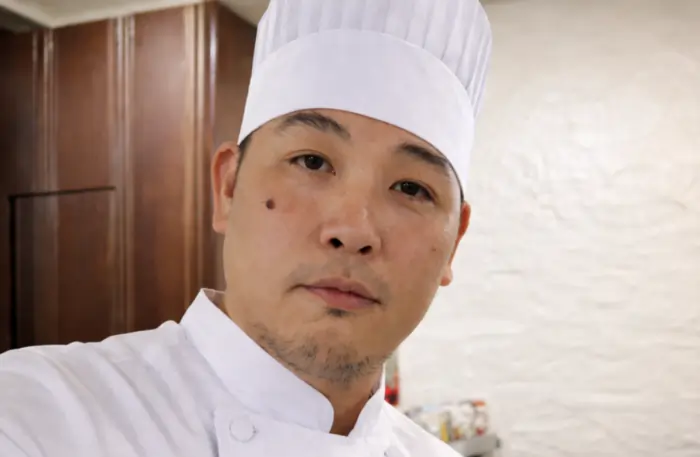
Chef Juan Gadi brings the heart of Filipino hospitality to Ubud, Bali. As an Executive Chef and consultant, he specializes in creating intimate, curated dining experiences that tell a story through every dish. Whether leading the kitchen at Kilig Filipino Warung or hosting a private villa dinner, Chef Juan’s approach is defined by warmth, modern technique, and a commitment to culinary excellence.