
Traditional Filipino Cooking Inspires Modern Dining in Bali Key Takeaways
Chef Juan Gadi brings the soul of Filipino heritage to Ubud, Bali, showing how traditional Filipino cooking inspires modern dining in Bali through warmth, technique, and local ingredients .
- Traditional Filipino cooking inspires modern dining in Bali via techniques like adobo, sinigang, and inihaw that chefs adapt with Balinese produce.
- Filipino hospitality — the concept of “nakikiramay” and shared meals — reshapes the dining culture in Ubud and Seminyak.
- Heritage recipes reimagined with local ingredients create fusion dining experiences that attract culinary tourists and cultural explorers.

Why Traditional Filipino Cooking Inspires Modern Dining in Bali Today
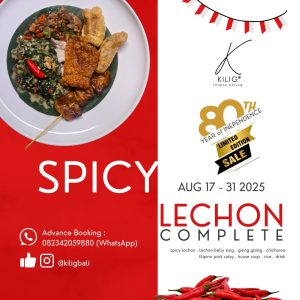
The connection between traditional Filipino cooking and modern dining in Bali is not accidental. It is a story of migration, creativity, and shared Southeast Asian roots. As Bali restaurants search for authentic yet fresh concepts, Filipino cuisine offers a rich palette of sour, salty, and umami flavors that seamlessly merge with Balinese ingredients. My work at Kilig Filipino Warung and private villa dinners is built on this very premise: bring the heart of Filipino food culture into a setting that respects both heritage and innovation. For a related guide, see How Filipino Cooking Traditions Thrive in Bali’s Culinary Scene: Essential Insights from Chef Juan Gadi.
What makes this trend so compelling is the natural overlap. Both Filipino and Balinese cooking rely on local ingredients, bold spices, and a reverence for communal eating. The result is fusion dining that feels neither forced nor gimmicky — it feels like two families deciding to cook together. For a related guide, see Why Filipino Breakfast Culture Deserves Global Attention.
The Role of Heritage Recipes in Contemporary Cuisine
How Adobo, Sinigang, and Inihaw Cross the Sea
Heritage recipes are the foundation of contemporary cuisine in Bali’s Filipino-inspired kitchens. The most famous — adobo — is a braising technique that uses vinegar, soy sauce, garlic, and bay leaves. In Bali, I often substitute local palm vinegar and kecap manis, creating a version that pays homage to the original while surprising regulars who think they already know adobo.
Sinigang, a tamarind-based sour soup, translates beautifully in Bali’s tropical climate. The sourness cuts through the humidity, and I can source fresh tamarind, calamansi, and even Balinese local ingredients like salam leaves to deepen the flavor. Inihaw (grilled meats and seafood) benefits from Bali’s abundance of fresh catch and the island’s tradition of bumbu marinades.
These authentic Filipino dishes are not copied — they are adapted. The goal is to keep the soul intact while letting the environment shape the final plate.
Modern Gastronomy Meets Grandma’s Kitchen
Modern gastronomy often relies on precision, presentation, and storytelling. But the most refined plates still draw from cultural food traditions. In my kitchen, I take my grandmother’s chicken relleno and deconstruct it — crispy skin on one side, a silky stuffing of minced pork, raisins, and cheese on the other, served with a light atchara (pickled papaya) foam. The dish is contemporary, yet every bite carries a memory.
This approach answers a key question for chefs and travelers alike: how do chefs modernize traditional Filipino recipes? The answer lies in respect. Retain the flavor profile, the technique, and the story. Then reimagine the texture, temperature, and visual appeal for a new audience.
Filipino Hospitality Shaping Dining Culture in Bali
Filipino hospitality is intangible but unmistakable. It is the feeling that you are not just a customer — you are a guest in someone’s home. In Bali’s competitive dining scene, where culinary tourism flourishes, this warmth creates a differentiator that goes beyond the plate.
At Kilig Filipino Warung, we do not just serve food. We explain the dish’s origin, ask about the diner’s day, and make sure they feel cared for. This mirrors the Filipino tradition of “nakikisama” (getting along with others) and “utang na loob” (debt of gratitude). Travelers remember that feeling. They return. They tell friends. They post reviews that highlight the food culture as much as the taste.
Farm-to-Table Practices Inspired by Traditional Cooking
Farm-to-table dining is not a new concept in Bali — but the Filipino twist makes it distinctive. Traditional Filipino cooking is inherently seasonal and resourceful. Grandmothers used whatever grew in the backyard: kangkong (water spinach), okra, eggplant, and green papaya. In Bali, I do the same, sourcing from local farmers who grow similar crops.
The result is a menu that changes with the harvest. One week, a sinigang might feature young jackfruit instead of meat. Another week, we ferment local cabbages for homemade atchara. This approach honors both the culinary heritage of the Philippines and the sustainability ethos of Bali’s best restaurants.
For chefs reading this, the takeaway is simple: you do not need imported ingredients to make authentic Filipino dishes. Work with what your local terroir gives you, and let that influence your version of the recipe.
Balancing Authenticity and Innovation in Cuisine
The tension between traditional Filipino cooking and modern dining is real. Purists will question every substitution. Adventurous diners will expect novelty. How do we balance the two?
I follow three rules in my kitchen:
- Respect the backbone — keep the core technique (braising, souring, grilling) intact.
- Swap ingredients mindfully — use local produce but explain the original version to guests.
- Tell the story — every dish should include a brief, genuine narrative about its origin.
This balance is exactly what food innovation in cross-cultural settings demands. It is not about choosing between authenticity and innovation — it is about layering them.
Common Mistakes When Adapting Filipino Flavors Abroad
Even with the best intentions, mistakes happen. Here are the most frequent ones I see in Bali restaurants and how to avoid them:
- Oversalting to mimic patis (fish sauce). Use a quality fish sauce or make your own with local anchovies.
- Forgetting the sour element. Filipino food relies on acidity. If you cannot find tamarind, use calamansi, lime, or green mango.
- Skipping the garlic. Filipino cooking is not shy with garlic. Use it as a primary flavor, not an afterthought.
- Treating adobo as a single recipe. There are as many adobos as there are Filipino families. Let your version be unique.
These pitfalls are easy to fix when you understand Filipino food culture at a deeper level. It is about balance, generosity, and respect for the ingredient.
Useful Resources
For those who want to dive deeper into how traditional Filipino cooking inspires modern dining in Bali, these two resources are excellent starting points:
- Filipino Culinary Heritage — Great Village International — A comprehensive guide to traditional techniques, ingredients, and regional variations.
- Now! Bali — Food and Culture — Features articles on the intersection of Filipino and Balinese culinary scenes, including chef interviews and restaurant reviews.
Frequently Asked Questions About Traditional Filipino Cooking Inspires Modern Dining in Bali
How does traditional Filipino cooking influence modern dining in Bali?
Through techniques like adobo braising and sinigang souring, combined with Balinese ingredients and Filipino hospitality, creating unique fusion dining experiences.
Which Filipino cooking techniques are used in contemporary restaurants in Bali?
Adobo, sinigang, inihaw (grilling), and kare-kare (peanut stew) are commonly adapted. Chefs also use bicol express techniques and fermentation methods for atchara.
Why are Filipino flavors gaining popularity in Bali?
Their bold sour-savory profile complements Balinese cuisine, and the storytelling element of Filipino food appeals to culinary tourists seeking authentic experiences.
How do chefs modernize traditional Filipino recipes?
By deconstructing dishes (e.g., relleno into separate crispy and silky components), using modern plating, and substituting local ingredients without losing the original flavor profile.
What ingredients connect Filipino and Balinese cuisine?
Shared ingredients include coconut, tamarind, turmeric, lemongrass, chili, and palm vinegar. Both cuisines also rely on fish sauce and fermented pastes.
How does Filipino hospitality shape dining experiences in Bali?
It creates a warm, guest-centered atmosphere where servers explain dishes, check on diners, and foster a sense of community, enhancing the overall meal.
What role does heritage cooking play in modern gastronomy ?
Heritage cooking provides the foundational techniques and flavor pairings that chefs reinterpret. It grounds innovation in cultural authenticity, which diners value.
How do restaurants balance authenticity with innovation?
By keeping core techniques intact, swapping ingredients mindfully, and telling the story of each dish. This respects tradition while allowing creativity.
Why are cultural food traditions important in contemporary dining?
They offer depth, meaning, and connection. In a globalized world, diners crave stories and authenticity, which traditions provide.
What can travelers learn from Filipino-inspired dining experiences in Bali?
They learn about Southeast Asian cultural connections, the importance of hospitality, and how food can be a bridge between heritage and modernity.
Is Filipino food too sour for those unfamiliar with it?
Not at all. Many Balinese dishes also use sour elements. Chefs can adjust sourness levels gently for palates new to sinigang or kinilaw.
What is the best Filipino dish to try in Bali for beginners?
Chicken adobo is the most approachable. Its salty-savory profile with a hint of acidity is familiar yet distinct. Pair it with garlic fried rice.
Are there Filipino restaurants in Bali that use Balinese ingredients?
Yes. Kilig Filipino Warung and several pop-ups in Ubud and Canggu source local vegetables, seafood, and spices to create hybrid dishes.
How does Filipino cooking promote sustainability?
Traditional Filipino cooking is nose-to-tail and farm-to-table by nature. It uses all parts of the ingredient and emphasizes seasonal, local sourcing.
What makes Filipino hospitality different from other Asian hospitality?
It is deeply rooted in “nakikisama” (harmony) and “utang na loob” (reciprocal gratitude), which translates to genuine, personalized care for guests.
Can traditional Filipino cooking be taught to non-Filipino chefs?
Absolutely. The techniques are simple and the flavors are intuitive. The key is to understand the cultural context, not just the recipe steps.
Do Filipino and Balinese cuisines share any historical influences?
Both were shaped by trade with China, India, and the Malay archipelago, leading to shared use of coconut, turmeric, and fermented shrimp paste (bagoong/terasi).
Is fusion dining in Bali just a trend?
It may be a trend in some circles, but the Filipino-Balinese fusion is rooted in genuine culinary similarities and cultural respect, giving it lasting appeal.
What is the most important ingredient in Filipino cooking?
Garlic is essential, but patis (fish sauce) and calamansi are equally foundational. Together they create the signature umami-acid balance.
How can I experience Filipino-inspired dining in Bali as a tourist?
Visit Kilig Filipino Warung in Ubud, book a private villa dinner with Chef Juan Gadi, or look for Filipino pop-up events at Seminyak and Canggu venues.
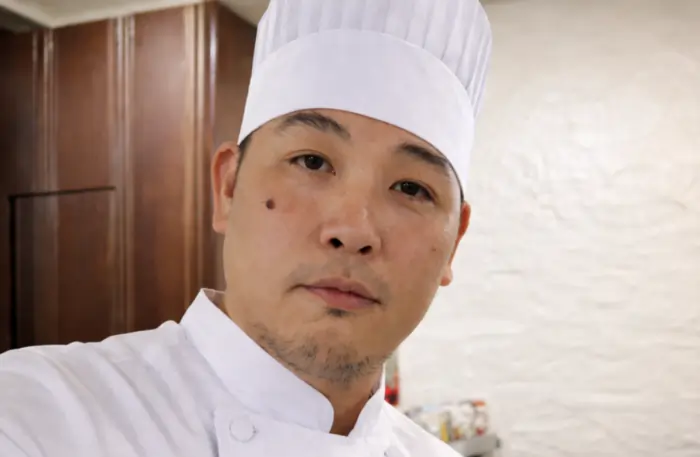
Chef Juan Gadi brings the heart of Filipino hospitality to Ubud, Bali. As an Executive Chef and consultant, he specializes in creating intimate, curated dining experiences that tell a story through every dish. Whether leading the kitchen at Kilig Filipino Warung or hosting a private villa dinner, Chef Juan’s approach is defined by warmth, modern technique, and a commitment to culinary excellence.