
Ingredients Behind Authentic Filipino Dining Experiences in Bali Key Takeaways
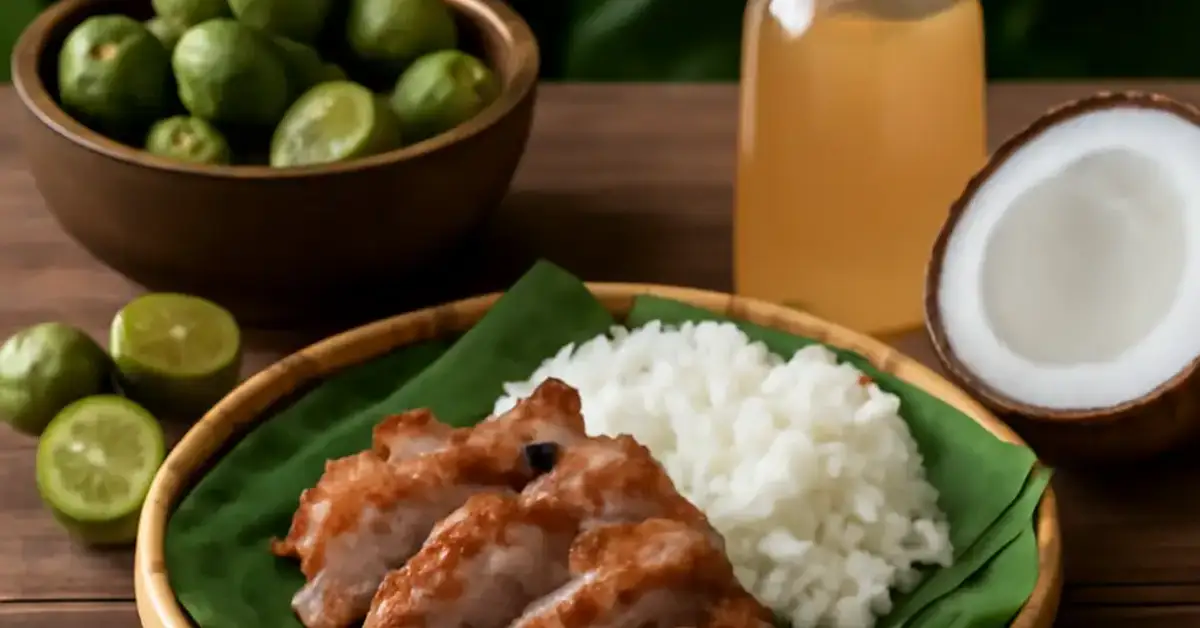
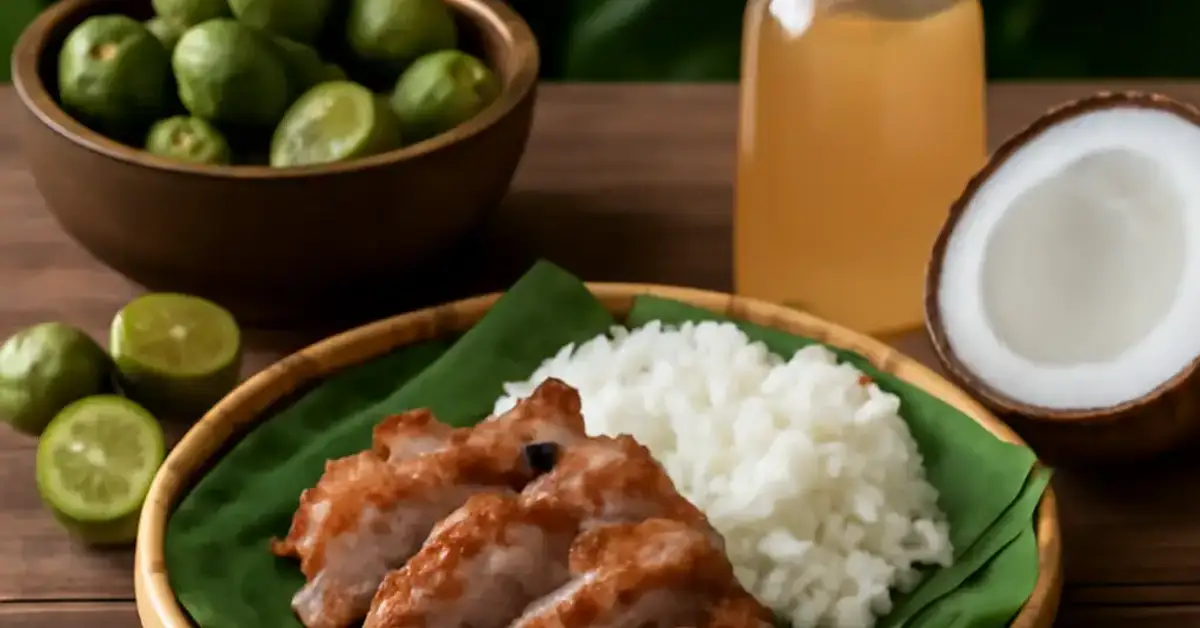
The Ingredients Behind Authentic Filipino Dining Experiences in Bali are rooted in a handful of pantry staples— calamansi , coconut vinegar , soy sauce , and fish sauce —combined with the island’s freshest seafood, tropical fruits, and local produce .
- The Ingredients Behind Authentic Filipino Dining Experiences in Bali centre on balancing sweet, sour, salty, and savory profiles using indigenous Filipino ingredients .
- Chef Juan Gadi sources traditional Filipino ingredients in tropical destinations like Bali, swapping in local lemons for calamansi and using Balinese palm sugar to mirror the flavours of home.
- Authentic Filipino flavors through local sourcing means the same dish—chicken adobo or kinilaw—can taste both profoundly familiar and creatively new, depending on what the land and sea provide.
What Readers Should Know About the Ingredients Behind Authentic Filipino Dining Experiences in Bali
When I first stepped into the kitchen of Kilig Filipino Warung in Ubud, the aroma of garlic slowly browning in coconut oil mingled with the island breeze. I remember thinking: this smells exactly like my grandmother’s kitchen in Iloilo, yet the produce on the counter—the lemongrass, the snake beans, the tiny sweet pineapples—was unmistakably Balinese.
Filipino dining experiences have taken root in Bali with surprising authenticity, thanks to chefs like me who understand that the soul of the food lies not in rigid replication, but in the faithful sourcing of Filipino ingredients and their wise local adaptation. Over the years, I have found that the Ingredients Behind Authentic Filipino Dining Experiences in Bali are the same elements that define the best Filipino home cooking anywhere: calamansi, coconut vinegar, soy sauce, fish sauce, fresh seafood, tropical fruits, and a pantry of regional spices that tell the story of the archipelago.
This article takes you inside that pantry. You will learn how we recreate authentic Filipino cuisine in a land far from Manila, why each ingredient matters, and how you—whether as a traveller, chef, or Filipino food culture enthusiast—can appreciate the depth of traditional Filipino cooking in every bite at Kilig Warung or a private villa dinner in Bali.
How Traditional Ingredients Preserve Filipino Flavors Abroad
Every cuisine has a flavour compass. For authentic Filipino cuisine, that compass points in four directions simultaneously: sweet, sour, salty, and bitter—often all in the same dish. The Ingredients Behind Authentic Filipino Dining Experiences in Bali serve as the needles of that compass, guiding each recipe toward balance.
Traditional Filipino ingredients in tropical destinations like Bali must be handled with care. The same coconut vinegars and calamansi that work in Manila behave differently in the Ubud humidity. The rice varieties are not the same. But that challenge is exactly where the magic lies: authentic Filipino flavors through local sourcing allow us to honour the dish while celebrating where we are.
Calamansi: The Citrus Heart of Filipino Cooking
No ingredient is more synonymous with Filipino ingredients than calamansi. This small, round citrus—a hybrid of kumquat and mandarin—delivers a tartness that is both sharp and floral. It is the foundation of every Filipino recipe that requires acidity: from sinigang (sour soup) to dipping sauces for lumpia.
In Bali, fresh calamansi is not always available year-round. So we work with local Balinese limes and a small batch of calamansi that we grow ourselves near the restaurant. The result? A slightly different aroma, but the same essential asim (sourness) that wakes up every dish. Whether we use it to marinate chicken for inihaw or to finish a bowl of pancit, calamansi remains the non-negotiable first ingredient in my kitchen.
Coconut Vinegar: The Sour Backbone of Savory Dishes
Coconut vinegar is made from the sap of coconut blossoms, fermented into a mild, slightly sweet vinegar that is less aggressive than white vinegar. It is the key to Filipino recipes like adobo, paksiw, and kinilaw.
In Bali, where coconut palms thrive, we source artisanal coconut vinegar from small producers in central Java. The acidity is gentle—around 4-5%—which allows the other tropical ingredients to shine without being overpowered. When we combine it with soy sauce and fish sauce in a marinade for adobo, the result is deep, layered, and unmistakably Filipino.
Soy Sauce and Fish Sauce: The Umami Pillars
If calamansi and vinegar provide the sour high notes, soy sauce and fish sauce (patis) deliver the savory foundation. These are essential pantry staples in Filipino cuisine. Together, they create the background depth that makes every bite satisfying and complex.
When recreating Filipino dining experiences in Bali, I use Indonesian kecap manis for sweetness in some dishes, but for classic adobo I insist on a Filipino-brand soy sauce—preferably Silver Swan or Datu Puti—because the saltiness and colour are exactly calibrated for the dish. For fish sauce, I look for brands from the Philippines or Vietnam that are clear amber and intensely aromatic. A few drops in a sinigang or dipping sauce transform it from good to transcendent.
Balancing Sweet, Savory, Sour, and Salty Flavor Profiles with Tropical Ingredients
Balancing sweet savory sour and salty flavor profiles is the central challenge of any Filipino cook. The Ingredients Behind Authentic Filipino Dining Experiences in Bali give us the tools, but it takes experience to wield them correctly.
Tropical ingredients supporting Filipino cooking traditions in Bali include palm sugar (gula aren) for sweetness, tamarind for extra sourness, and young coconut meat for texture. These tropical ingredients are not substitutes—they are cousins of the same ingredients used in the Philippines. When I teach private cooking classes in Ubud, I show guests how a single tablespoon of coconut vinegar and a pinch of calamansi can turn a simple bowl of coconut rice into a flavour bomb that hits all four taste notes.
Seafood and Fresh Produce in Island-Inspired Filipino Meals
Bali is surrounded by some of the richest fishing grounds in Indonesia. Fresh seafood from Jimbaran Bay—snapper, tuna, squid, prawns—arrives daily at our kitchen door. For Filipino recipes that rely on fish, like kinilaw (ceviche-style raw fish marinated in vinegar and citrus), this is a dream.
Seafood and fresh produce in island-inspired Filipino meals come together in dishes such as sinigang na isda (sour fish soup) and ginataang hipon (prawns in coconut milk). The local produce—water spinach (kangkong), eggplant, okra, and green mangoes—mirrors what we use in the Philippines. The key is to treat each ingredient with respect: letting the fresh seafood speak for itself, using coconut vinegar and calamansi to brighten rather than mask.
Farm-Fresh Produce and Sustainable Sourcing in Practice
Farm-fresh produce and sustainable sourcing are not buzzwords in my kitchen—they are daily commitments. I work directly with farmers in the Bangli Regency who grow heirloom purple yams (ube), moringa (malunggay), and turmeric. This culinary heritage reflected in ingredient selection means that when a diner tastes the ube ice cream I serve at a villa dinner, they are tasting the terroir of both Bali and the Philippines.
One of the first things I did when I arrived in Ubud was seek out a local supplier of calamansi. It took weeks, but I found a small cooperative on the slopes of Mount Agung. Their fruit is slightly smaller and more acidic than what I grew up with—but that difference is exactly what makes authentic Filipino flavors through local sourcing so exciting. We are not copying; we are adapting with soul.
How to Recreate Authentic Filipino Meals in Bali: A Chef’s Step-by-Step Guide
Whether you are a traveller wanting to cook Filipino comfort food in a Bali villa or a chef looking to add Filipino flavors to your menu, here is a practical guide based on my experience at Kilig Warung and private dinners across Ubud.
Step 1: Build Your Pantry with the Four Essentials
The essential pantry staples in Filipino cuisine are calamansi (or substitute with lime and a touch of palm sugar), coconut vinegar, soy sauce, and fish sauce. Without these, you cannot make adobo, sinigang, kinilaw, or even a proper dipping sauce. Source them from specialty Asian stores in Bali or bring a small supply from your last trip to the Philippines.
Step 2: Embrace Local Adaptations Without Guilt
Many chefs worry that using Balinese lemons instead of calamansi is somehow cheating. It is not. Local adaptation of traditional Filipino dishes has happened for centuries—Filipino food itself is a blend of Malay, Chinese, Spanish, and indigenous traditions. When I make chicken adobo with Balinese coconut vinegar and a squeeze of local lime, I am continuing that tradition of creative adaptation, not breaking it.
Step 3: Use Fresh Herbs and Aromatics Generously
Fresh herbs and aromatics in Filipino cooking include ginger (luya), garlic (bawang), lemongrass (tanglad), and siling labuyo (bird’s eye chili). These are all available in Bali markets. In my kitchen, we use them to build layers: first aromatic, then spicy, then sour, then salty. The sequence matters. For example, for a batch of sinigang, I sauté garlic and ginger in coconut oil, then add water, tamarind base, fish sauce, and finally the fresh seafood and local produce.
Step 4: Let the Ingredients Tell the Story
Ingredient storytelling in Filipino dining experiences is something I teach every young chef who works with me. When you plate a dish of chicken adobo, speak about where the coconut vinegar came from, why you chose free-range chicken from Tabanan, and how the bay leaf was picked that morning. Diners in Bali—whether they are overseas Filipinos longing for home or food lovers discovering Filipino food culture for the first time—connect deeply with that narrative.
Preserving Authenticity Through Traditional Ingredients and Inclusive Dining Traditions
Preserving authenticity through traditional ingredients does not mean refusing to change. It means understanding the essence of the Filipino ingredients and protecting that essence wherever you cook. In Bali, that means I will never substitute fish sauce with plain salt in adobo. But I will happily use local bitter melon (pare) if the Filipino variety is unavailable.
Filipino hospitality through carefully prepared meals is a central part of Filipino dining experiences. At Kilig Filipino Warung and during private villa dinners, I encourage shared dining traditions and communal food culture. We serve dishes family-style, with rice in the centre and adobo, sinigang, and kinilaw arranged around it. This is how Filipino food culture works: not as a solo tasting menu, but as a joyful, loud, generous table where everyone reaches for the same bowl of calamansi dipping sauce.
The culinary heritage reflected in ingredient selection is also about supporting communities. I source my coconut vinegar from a women’s co-operative in East Java and my fish sauce from a small producer in Bali’s Gianyar regency. Every bottle, every leaf, every piece of fresh seafood carries the labour and love of people who sustain these tropical ingredients traditions.
Common Mistakes When Sourcing Filipino Ingredients in Bali and How to Avoid Them
Many chefs and home cooks who try to recreate Filipino recipes in Bali make a few predictable errors. Here is how to avoid them.
- Using plain white vinegar instead of coconut vinegar. The acidity and sweetness of coconut vinegar are unique. White vinegar makes adobo taste thin and harsh. Always seek out real coconut vinegar, available at supermarkets like Bali Buda or specialty shops.
- Over-sourcing with fish sauce. Fish sauce is potent. Start with a teaspoon and taste. You can always add more.
- Ignoring the role of palm sugar. Many Filipino flavors rely on a hint of sweetness to balance acidity. Use Balinese gula aren or Filipino muscovado sugar, not refined white sugar.
- Assuming all limes are the same. Calamansi is sweeter and less acidic than standard limes. When you cannot find it, blend lime juice with a tiny amount of tangerine juice to approximate the flavour profile.
Useful Resources for Deeper Learning
To further explore authentic Filipino cuisine and how Filipino culinary traditions thrive abroad, I recommend these resources:
Healthy Filipino Yummies — A beautifully curated site focusing on traditional Filipino recipes made with wholesome, tropical ingredients, perfect for travellers and home cooks who want to cook Filipino comfort food anywhere in the world.
Seafood and Produce Sustainability Guide — An excellent resource for understanding how fresh seafood and local produce can be sourced ethically in island destinations like Bali, with practical tips for chefs and home cooks committed to sustainable sourcing.
As the sun sets over the rice paddies of Ubud and the steam rises from a bowl of chicken adobo made with Balinese coconut vinegar and a squeeze of homegrown calamansi, I am reminded why the Ingredients Behind Authentic Filipino Dining Experiences in Bali matter so deeply. They are not just pantry items. They are the tangible links to my mother’s kitchen, my grandfather’s fish farm in Iloilo, and the generations of cooks who learned that the best food comes from respecting the earth, the sea, and the people who share the table. I invite you to experience that connection — one carefully prepared, ingredient-driven meal at a time.
Frequently Asked Questions About Ingredients Behind Authentic Filipino Dining Experiences in Bali
What ingredients define authentic Filipino cuisine ?
Authentic Filipino cuisine is defined by calamansi, coconut vinegar, soy sauce, fish sauce, garlic, ginger, black pepper, and a variety of tropical ingredients like coconut milk, tamarind, and palm sugar. These Filipino ingredients create the signature sweet, savory, sour, and salty Filipino flavors.
How do traditional ingredients preserve Filipino flavors ?
Traditional Filipino ingredients anchor every dish in its regional history. Coconut vinegar and calamansi provide the sourness that defines adobo and kinilaw, while fish sauce adds umami depth. Using these ingredients exactly as they are used in the Philippines ensures the Filipino flavors remain intact even when cooked abroad.
Why is calamansi important in Filipino cooking?
Calamansi is the primary citrus fruit in Filipino cooking. Its unique aroma and mild acidity are essential for dipping sauces, marinades, and soups like sinigang. No other citrus replicates its exact flavour profile, making it an irreplaceable Filipino ingredient.
How does coconut vinegar influence Filipino dishes?
Coconut vinegar imparts a mild, slightly sweet acidity that preserves the integrity of proteins in dishes like adobo and paksiw, while adding a subtle coconut undertone that complements tropical ingredients.
What role do fresh seafood and produce play in Filipino cuisine?
Fresh seafood and local produce are the heart of island-inspired Filipino meals. Dishes like kinilaw and sinigang depend entirely on the quality of the fresh seafood and seasonal vegetables, which absorb the sour and salty Filipino flavors.
How are authentic Filipino meals recreated in Bali?
Chef Juan Gadi adapts Filipino recipes by sourcing traditional Filipino ingredients in tropical destinations—using Balinese limes when calamansi is scarce, and local produce like kangkong and eggplant to mirror the vegetables used in the Philippines, ensuring authentic Filipino flavors through local sourcing. For a related guide, see How Traditional Filipino Cooking Inspires Modern Dining in Bali.
Which pantry staples are essential for Filipino recipes ?
The essential pantry staples in Filipino cuisine are calamansi (or a lime-palm sugar blend), coconut vinegar, soy sauce, fish sauce, garlic, ginger, black pepper, bay leaves, and tropical ingredients like coconut milk and tamarind paste.
How do tropical ingredients complement Filipino cooking traditions?
Tropical ingredients supporting Filipino cooking traditions like coconut, pandan, and mango add natural sweetness and aroma. They balance the sourness of coconut vinegar and calamansi and provide texture and richness to Filipino comfort food.
Why is ingredient quality important for authentic dining experiences?
Ingredient-driven dining experiences rely on the purity and freshness of each component. High-quality fish sauce, coconut vinegar, and fresh seafood deliver the genuine Filipino flavors that cannot be faked with lower-grade substitutes.
What can travelers learn about Filipino culture through its ingredients?
Through ingredient storytelling in Filipino dining experiences, travellers discover how each Filipino ingredient—from calamansi to coconut vinegar—represents a region, a family tradition, and a history of trade and adaptation. Food tourism focused on authentic Filipino cuisine reveals the culinary heritage and shared dining traditions of the Philippines.
What is the difference between Filipino adobo and other adobo variations?
Filipino adobo is defined by its marinade of coconut vinegar, soy sauce, garlic, bay leaves, and black pepper. Unlike Mexican or Spanish adobo, it does not use dried chilies or tomato. It is a slow-braised dish that relies on the balance of sour (coconut vinegar) and salty (soy sauce).
Can I substitute regular vinegar for coconut vinegar in Filipino dishes?
You can substitute, but the flavour will change significantly. Coconut vinegar is milder and slightly sweeter than white or cane vinegar. If you must substitute, use a mild rice vinegar mixed with a pinch of sugar to approximate the coconut vinegar profile.
Is fish sauce interchangeable with soy sauce in Filipino recipes ?
No. Fish sauce provides a distinct salty-umami depth that soy sauce cannot replicate. Many Filipino recipes use both together. If you are missing one, adjust with salt, but the dish will not be truly authentic Filipino cuisine without both.
How do I identify quality fish sauce and coconut vinegar in Bali?
Quality fish sauce should be clear amber with a pungent but not harsh aroma. Coconut vinegar should be clear or slightly cloudy, with a mild coconut scent. In Bali, look for brands like Tiparos (fish sauce) and Coco (coconut vinegar) at specialty stores.
What are the most popular Filipino dishes served in Bali right now?
At Kilig Filipino Warung and private dinners, the most popular dishes are chicken adobo (with Balinese coconut vinegar), kinilaw na tanigue (mackerel ceviche), sinigang na hipon (sour prawn soup), and ube ice cream made from farm-fresh produce and tropical ingredients.
How can dining experiences in Bali teach visitors about Filipino food culture ?
Filipino dining experiences in Bali often include shared dining traditions and communal food culture—large bowls of rice, shared platters of adobo and sinigang, and dipping sauces served with calamansi. This reflects the core of Filipino food culture: generosity, connection, and Filipino hospitality through carefully prepared meals.
What tropical fruits enhance Filipino cuisine in Bali?
Tropical fruits enhancing Filipino cuisine include mango (used in desserts and salads), papaya (pickled into atchara), banana (in turon and maruya), and pineapple (in sweet and sour dishes). In Bali, we use local varieties that are exceptionally sweet and aromatic.
How does Chef Juan Gadi source fresh herbs in Ubud?
Fresh herbs and aromatics in Filipino cooking like lemongrass, ginger, and chili are sourced daily from Ubud market and local farms. I also grow calamansi, pandan, and moringa near the restaurant for immediate use in Filipino recipes.
What is the best way to experience authentic Filipino dining in Bali?
Visit Kilig Filipino Warung in Ubud for a casual Filipino dining experience, or book a private villa dinner with Chef Juan Gadi for an intimate tasting menu that explores heritage recipes passed through generations and authentic Filipino flavors through local sourcing. For a related guide, see How Filipino Cooking Traditions Thrive in Bali’s Culinary Scene: Essential Insights from Chef Juan Gadi.
How do regional ingredients shape Filipino food culture in Bali?
Regional ingredients shaping Filipino food culture in Bali mean using Javanese coconut vinegar, Balinese palm sugar, and local fish varieties. This adaptation respects culinary heritage while celebrating the tropical ingredients available in Indonesia, creating a unique island cuisine that honours both worlds.
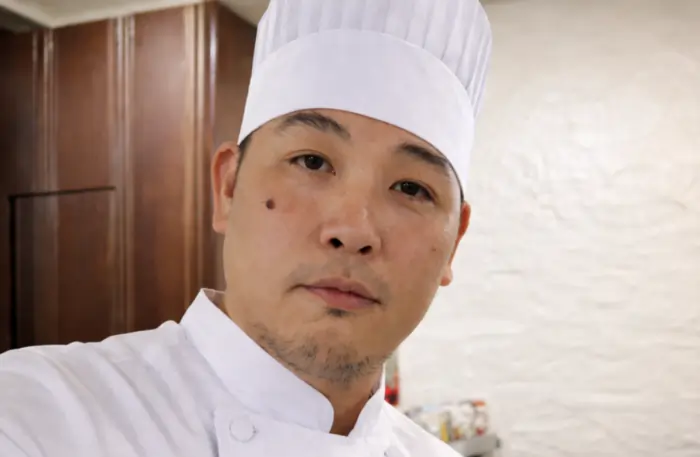
Chef Juan Gadi brings the heart of Filipino hospitality to Ubud, Bali. As an Executive Chef and consultant, he specializes in creating intimate, curated dining experiences that tell a story through every dish. Whether leading the kitchen at Kilig Filipino Warung or hosting a private villa dinner, Chef Juan’s approach is defined by warmth, modern technique, and a commitment to culinary excellence.