Filipino Flavor Profiles Worth Discovering in Bali Key Takeaways
Bali has become a surprising hub for Filipino flavor profiles worth discovering in Bali , offering travelers a taste of the Philippines without leaving the island.
- Filipino flavor profiles worth discovering in Bali range from vinegar-based adobo to coconut-rich kare-kare, each with a distinct story.
- Authentic Filipino restaurants and pop-ups in Seminyak, Canggu, and Ubud serve traditional Filipino dishes using local Indonesian ingredients.
- First-time visitors can explore food tourism Bali through curated tasting menus and cooking classes that highlight authentic Filipino cuisine .
What Makes Filipino Flavor Profiles Worth Discovering in Bali Unique?
Filipino cuisine is a crossroads of Southeast Asian cuisine, Spanish colonial influence, and indigenous traditions. The Filipino flavors you encounter in Bali are built on a foundation of vinegar based cooking, sweet savory flavors, sour dishes, smoky grilled flavors, and coconut based recipes. This complexity makes Filipino flavor profiles worth discovering in Bali a must for any culinary traveler. For a related guide, see What Bali Travelers Should Know Before Trying Filipino Cuisine: 7 Essential Tips.
The Role of Souring Agents and Umami
Unlike many other cuisines, Filipino cooking relies heavily on sourness from tamarind, calamansi, and kamias. These ingredients are balanced by umami flavors from fish sauce (patis) and fermented shrimp paste (bagoong). The result is a cuisine that hits every taste bud — salty, sour, sweet, and bitter — often in a single dish. For a related guide, see Understanding the Signature Flavors of Filipino Food in Bali.
How Filipino Hospitality Shapes the Dining Experience
When you dine at a Filipino restaurant Bali, you experience more than food. The concept of kuwentuhan (storytelling) and sharing platters is central. This Filipino hospitality aligns perfectly with the island dining culture of Bali, creating a warm, communal atmosphere.
7 Filipino Flavor Profiles Worth Discovering in Bali: A Complete Guide
Each of the seven profiles below represents a distinct taste category. I have paired each with a signature dish and a recommended restaurant or food spot in Bali where you can try it.
1. Vinegar-Based: The Tang of Adobo
Adobo is arguably the most famous traditional Filipino dish. The name comes from the Spanish word adobar (to marinate), but the Filipino version uses vinegar based cooking as both a preservative and a flavor. Chicken or pork is simmered in vinegar, soy sauce, garlic, bay leaves, and black pepper until tender.
Where to try it: Mamamia Cafe in Seminyak occasionally features Filipino adobo nights. For a more consistent option, Sari-Sari Store Bali in Canggu serves a home-style chicken adobo that locals swear by.
2. Sour and Tangy: The Comfort of Sinigang
Sinigang is a tamarind-based soup that defines the sour dishes category. It uses either tamarind, calamansi, or green mango for its signature tang. Traditionally made with pork, shrimp, or fish, the broth is loaded with vegetables like kangkung (water spinach), radish, and eggplant.
Where to try it: Bali Buda in Ubud sometimes rotates Filipino soups into their menu. For a dedicated experience, visit Kulinarya (a pop-up at various Bali food markets) — they serve sinigang that tastes like it came straight from a Filipino kitchen in Manila.
3. Smoky and Grilled: The Sizzle of Sisig
Sisig represents the smoky grilled flavors category. This sizzling dish is made from chopped pig face, chicken liver, and onions, seasoned with calamansi and chili. It is served on a hot plate and often topped with a raw egg that cooks on contact.
Where to try it: Lola’s Kitchen in Seminyak (a pop-up concept) serves a mean sisig. Also check Warung Filipino in Kerobokan, where the sisig is grilled over charcoal for an authentic smoky taste.
4. Rich and Savory: The Nutty Depth of Kare-Kare
Kare kare is the epitome of umami flavors in Filipino cuisine. This oxtail stew is thickened with ground peanuts and sometimes toasted rice, giving it a rich, nutty consistency. It is typically served with bagoong (fermented shrimp paste) on the side for a salty contrast.
Where to try it: Bumbu Bali sometimes offers a Filipino-Indonesian fusion version, but for authentic kare-kare, head to Island Flavor Bali in Sanur. They use locally sourced peanuts and organic oxtail from the local market.
5. Sweet and Savory: The Festive Appeal of Lechon
Lechon is the centerpiece of Filipino celebrations. A whole pig is roasted over charcoal until the skin is crackling and the meat is juicy. The sweet savory flavors come from the marinade (a mix of lemongrass, garlic, and soy sauce) and the accompanying liver-based sauce.
Where to try it: Lechon Bali in Jimbaran specializes in lechon delivery for parties and events. For a restaurant experience, Bali Soul Kitchen in Canggu sometimes features lechon on weekends. Pre-ordering is recommended.
6. Noodle-Based: The Versatility of Pancit
Pancit refers to a family of noodle dishes that are staples at any Filipino gathering. Pancit Canton uses egg noodles with vegetables and meat, while Pancit Palabok features rice noodles topped with a shrimp-based sauce. The Filipino spices in the sauce create a savory profile that is both comforting and celebratory.
Where to try it: Warung Kecil in Ubud offers a Filipino-Indonesian pancit fusion. For a traditional version, visit Pinoy Corner in Denpasar, a small shop run by a Filipino family that serves pancit bihon and canton daily.
7. Sweet and Icy: The Dessert of Halo-Halo
Halo halo is the ultimate Filipino dessert — a shaved ice concoction layered with sweetened beans, coconut strips, sago, leche flan, ube ice cream, and evaporated milk. The name translates to “mix-mix,” and that is exactly what you do before eating.
Where to try it: Sweet Pedas in Seminyak has a Filipino dessert menu that includes halo-halo with ube. Gelato Secrets in Canggu also offers a “Halo-Halo Sundae” that captures the mix of textures and sweet savory flavors perfectly.
Which Filipino Dishes Best Represent Each Flavor Profile?
The table below maps each of the seven profiles to its most representative dish, the dominant taste, and a recommended Bali restaurant.
| Flavor Profile | Signature Dish | Key Taste | Bali Spot |
|---|---|---|---|
| Vinegar-Based | Adobo | Tangy, savory | Sari-Sari Store Bali |
| Sour and Tangy | Sinigang | Sour, umami | Kulinarya pop-up |
| Smoky Grilled | Sisig | Smoky, spicy | Warung Filipino |
| Rich Nutty | Kare-Kare | Umami, nutty | Island Flavor Bali |
| Sweet Savory | Lechon | Savory, sweet | Lechon Bali |
| Noodle-Based | Pancit | Savory, salty | Pinoy Corner |
| Sweet Icy | Halo-Halo | Sweet, creamy | Sweet Pedas |
Where Can You Experience Authentic Filipino Flavors in Bali?
Whether you are a food tourist or a digital nomad living in Bali, finding authentic Filipino cuisine is easier than ever. Here are the top neighborhoods and venues:
Seminyak: Trendy cafes and pop-ups like Mamamia Cafe and Lola’s Kitchen regularly host Filipino food nights. Best for Filipino dining in a modern setting.
Canggu: The hub for casual dining and Filipino comfort food. Places like Sari-Sari Store Bali and Bali Soul Kitchen serve adobo, sisig, and even chicken inasal on rotating menus.
Ubud: For those seeking cultural dining and local ingredients, Ubud’s Bali Buda and Warung Kecil integrate Filipino flavors into their Southeast Asian menu.
Sanur and Jimbaran: More family-oriented, with Island Flavor Bali in Sanur and Lechon Bali in Jimbaran offering full-course meals that represent regional Filipino cuisine from Luzon to Mindanao.
How Do Filipino Flavors Compare With Indonesian Cuisine?
Both cuisines share a love for sweet savory flavors and coconut based recipes, but Filipino food leans more toward sour dishes and vinegar based cooking, while Indonesian food emphasizes sweet soy sauce and spice pastes. Filipino dishes like sinigang and adobo have no direct Indonesian equivalent, making them a unique discovery for travelers to Bali. For a related guide, see How to Explore Authentic Filipino Cuisine While Visiting Bali.
For first time visitors, starting with adobo or pancit provides a gentle introduction to Filipino flavors. More adventurous eaters should try sisig and bagoong alongside kare-kare.
Useful Resources
To deepen your understanding of Filipino flavor profiles worth discovering in Bali, explore these credible sources:
- Choose Philippines: Filipino Food Guide – an official tourism resource describing traditional dishes and regional variations.
- Michelin Guide Indonesia: Filipino Food in Bali – a curated list of restaurants and pop-ups serving authentic Filipino cuisine on the island.
Frequently Asked Questions About Filipino Flavor Profiles Worth Discovering in Bali
What are the seven Filipino flavor profiles worth discovering in Bali ?
The seven profiles are vinegar-based (adobo), sour and tangy (sinigang), smoky grilled (sisig), rich nutty (kare-kare), sweet savory (lechon), noodle-based (pancit), and sweet icy (halo-halo). Each represents a unique aspect of Filipino flavor profiles worth discovering in Bali.
What makes Filipino flavor profiles unique?
Filipino cuisine balances sour, salty, sweet, and umami in every meal. Unlike other Southeast Asian cuisine, it relies heavily on vinegar based cooking and sour dishes like sinigang, setting it apart from the coconut-heavy dishes of neighboring countries.
Which Filipino dishes best represent each flavor profile?
Adobo represents vinegar-based, sinigang for sour, sisig for smoky grilled, kare-kare for rich nutty, lechon for sweet savory, pancit for noodle-based, and halo-halo for sweet icy. These are the traditional Filipino dishes that define each category.
Where can I experience authentic Filipino flavors in Bali?
Head to Sari-Sari Store Bali in Canggu for adobo, Warung Filipino in Kerobokan for sisig, and Island Flavor Bali in Sanur for kare-kare. Pop-ups like Kulinarya and Lola’s Kitchen rotate locations in Seminyak and Ubud.
How do Filipino flavors compare with Indonesian cuisine?
Both cuisines use coconut based recipes and sweet savory flavors, but Filipino food emphasizes sourness and vinegar, while Indonesian food leans into sweet soy sauce and spice pastes. Filipino specialties like sisig and sinigang have no direct Indonesian counterpart.
What ingredients create authentic Filipino taste?
Key ingredients include calamansi, tamarind, fish sauce (patis), bagoong (shrimp paste), annatto oil, and coconut milk. These Filipino spices and condiments form the backbone of authentic Filipino recipes.
Which Filipino dishes should first time visitors try?
Start with chicken adobo for a mild introduction, then try pancit for noodles, and finish with halo-halo for dessert. More adventurous eaters can move to sisig and sinigang. These are the best Filipino meals for newcomers.
Why is Filipino cuisine becoming popular among Bali travelers?
Bali’s diverse food tourism scene welcomes new flavors. Filipino cuisine in Bali offers a unique taste of regional Filipino cuisine that appeals to food enthusiasts looking for something beyond Indonesian classics. Social media and food bloggers have also boosted its visibility.
How do traditional Filipino recipes balance sweet sour salty and savory flavors?
They use tamarind or calamansi for sourness, fish sauce for saltiness, sugar or coconut milk for sweetness, and bagoong or meat drippings for savory depth. This four-point balance is the hallmark of Filipino cooking.
What is the best way to explore Filipino cuisine while visiting Bali?
Join a food tour that includes a stop at a Filipino restaurant Bali, or attend a pop-up dinner event. You can also sign up for a cooking class that teaches authentic Filipino recipes using local ingredients from Bali’s markets.
Are there Filipino cooking classes in Bali?
Yes. Some cooking schools in Ubud and Canggu offer special sessions on Filipino cooking. Check Bali Cooking School in Ubud or inquire at Island Flavor Bali for private workshops.
Can I find vegan Filipino food in Bali?
Yes. Many Filipino restaurants Bali are adapting to dietary trends. Request vegan adobo (using mushrooms and coconut aminos) or vegetable sinigang. Bali Soul Kitchen in Canggu offers plant-based Filipino options.
What is the price range for Filipino meals in Bali?
Expect to pay IDR 50,000–150,000 ($3–10 USD) for a main course at a casual warung, and IDR 150,000–300,000 ($10–20 USD) at a sit-down restaurant. Filipino comfort food is generally affordable and family-friendly.
Are Filipino restaurants in Bali halal-friendly?
Some are. Warung Filipino in Kerobokan uses halal-certified chicken. Others may use pork, so always ask. The Filipino dining scene in Bali is accommodating to various dietary needs.
What is the most popular Filipino dish in Bali?
Adobo remains the most requested dish, followed by sisig and pancit. These traditional Filipino dishes are the easiest to find on menus across the island.
Can I order Filipino food for delivery in Bali?
Yes. Use GoFood or GrabFood and search for “Filipino food Bali” or “Sari-Sari Store.” Many Filipino restaurants Bali offer delivery for adobo, lumpia, and pancit.
Is there a Filipino community in Bali that hosts food events?
Yes. The Filipino Community in Bali (FCB) organizes monthly potlucks and food bazaars. Follow their Facebook page for announcements on Filipino culinary experience events.
What dessert should I try besides halo-halo?
Try leche flan, ube halaya (purple yam jam), or turon (fried banana spring rolls). These are classic Filipino specialties that pair well with Bali’s tropical fruits.
How can I find pop-up Filipino food in Bali?
Follow Instagram accounts like @kulinaryabali, @lolaskitchenbali, and @sarisaristorebali. They announce weekly locations and Filipino flavor profiles worth discovering in Bali events.
What is the hallmark of Filipino hospitality in restaurants?
Warm, generous service and the practice of sharing platters. Filipino hospitality ensures you are offered extra rice or sauce without asking — a touch that makes cultural dining in Bali memorable.
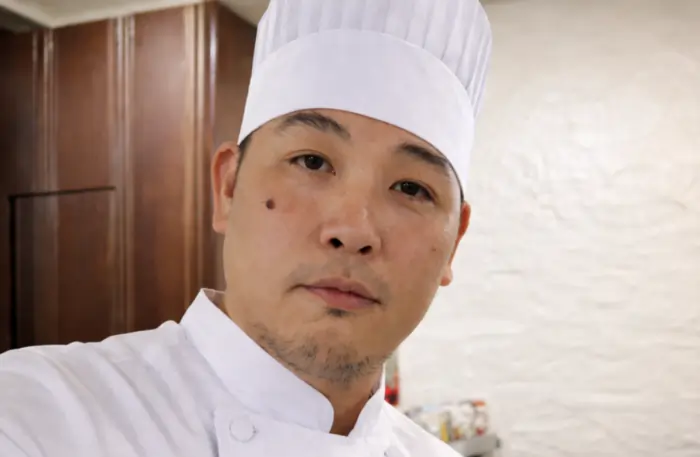
Chef Juan Gadi brings the heart of Filipino hospitality to Ubud, Bali. As an Executive Chef and consultant, he specializes in creating intimate, curated dining experiences that tell a story through every dish. Whether leading the kitchen at Kilig Filipino Warung or hosting a private villa dinner, Chef Juan’s approach is defined by warmth, modern technique, and a commitment to culinary excellence.