
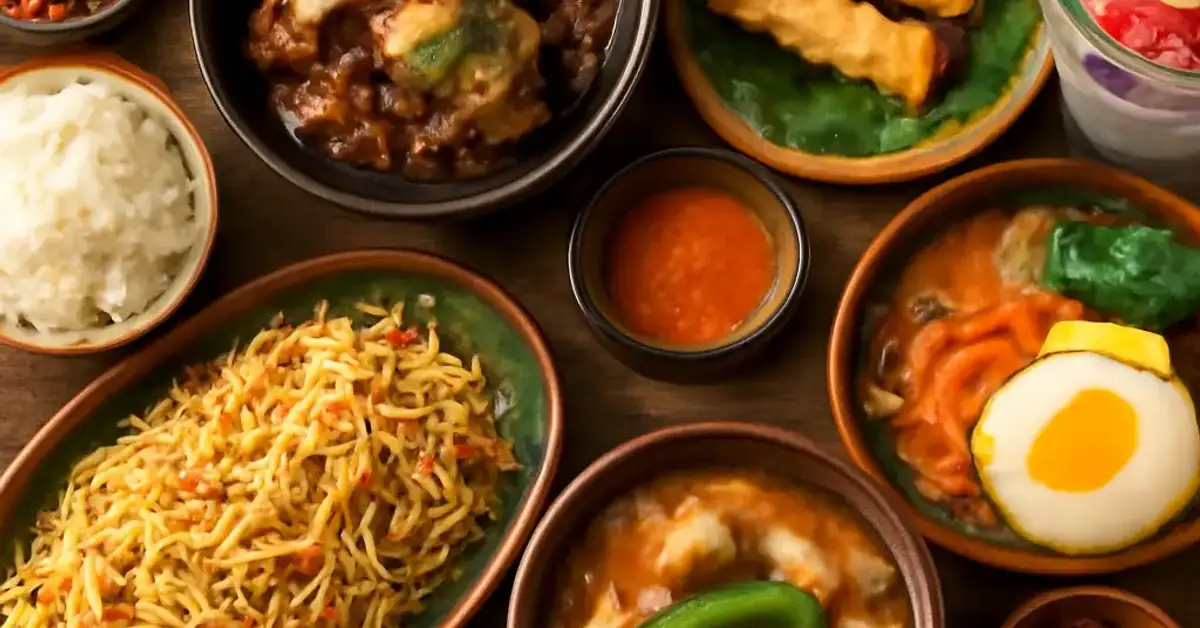
Why Filipino Cuisine Appeals to Every Kind of Bali Food Explorer Key Takeaways
Filipino cuisine is rapidly becoming a highlight of the Bali food scene, offering a unique blend of bold flavors, communal dining traditions, and comforting dishes that resonate with travelers from all walks of life.
- Why Filipino Cuisine Appeals to Every Kind of Bali Food Explorer because it combines sweet, sour, salty, and savory notes in ways that surprise and delight international palates.
- The best Filipino restaurant in Bali offers an authentic taste of the Philippines, complete with warm hospitality that makes every meal feel like a family gathering.
- Whether you are a solo backpacker, a couple seeking romance, or a family looking for crowd-pleasing meals, Filipino comfort food delivers consistently satisfying culinary experiences .
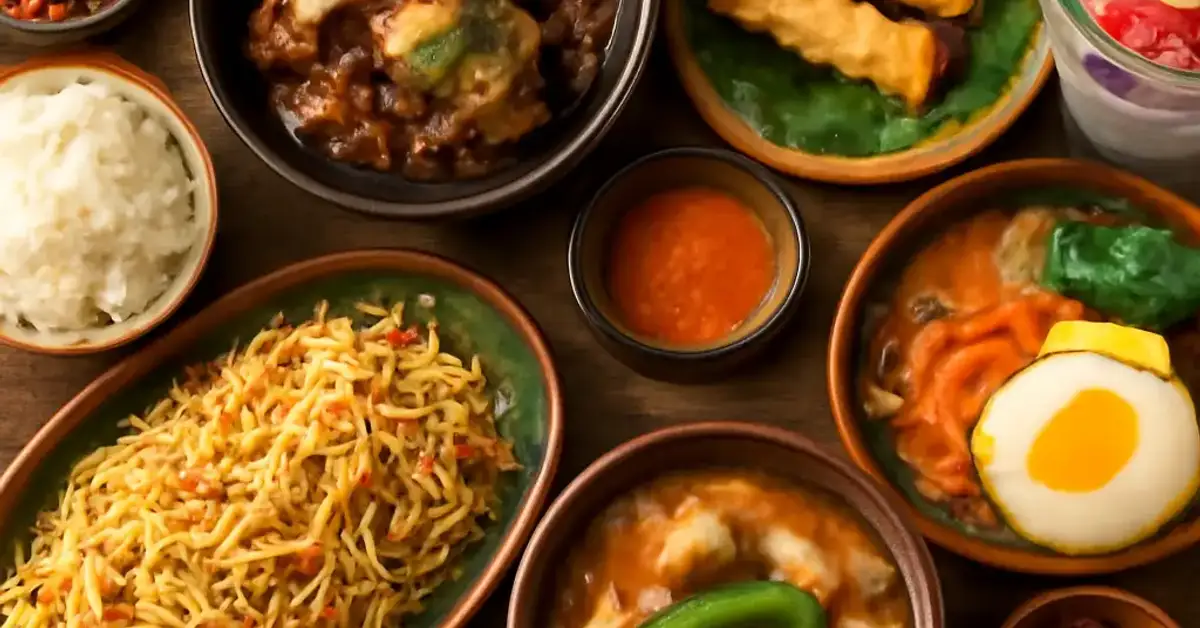
What Makes Filipino Cuisine So Uniquely Appealing to Bali Food Explorers?
Bali has long been a melting pot of global flavors, attracting food lovers who crave everything from traditional Indonesian fare to Italian, Japanese, and Middle Eastern dishes. Yet in recent years, a quieter but powerful culinary wave has been building: Filipino cuisine in Bali. Travelers are discovering that Filipino food Bali offers something genuinely different—an edible story of cultural convergence that speaks directly to the adventurous spirit of the island’s visitors.
The appeal lies in the cuisine’s remarkable ability to be both bold and accessible. Unlike some Southeast Asian cuisines that rely heavily on extreme heat or unfamiliar fermented ingredients, Filipino flavors are built on a foundation of balance: vinegar for acidity, soy sauce for umami, garlic for punch, and sugar for a gentle sweetness. This flavor architecture makes Filipino dishes instantly recognizable yet endlessly intriguing.
Furthermore, the Filipino culinary experience is deeply rooted in the concept of salo-salo, or shared meals. In an era where travelers crave connection and authenticity, sitting down to a table laden with Filipino specialties like crispy pata, fresh lumpia, and steaming rice creates a sense of community that transcends language and culture. It is this combination of flavor, warmth, and generosity that explains why Filipino cuisine appeals to every kind of Bali food explorer.
Exploring the Iconic Filipino Dishes Every Bali Visitor Must Try
To truly understand the magic of Filipino cuisine in Bali, you need to taste its most celebrated dishes. Each plate tells a story of regional heritage, resourcefulness, and a deep love for bold, satisfying food.
Adobo: The National Treasure
Perhaps the most famous of all Filipino dishes, adobo is a braised meat dish—typically chicken or pork—simmered in a marinade of vinegar, soy sauce, garlic, bay leaves, and black peppercorns. What makes adobo so special in the context of Bali food guide recommendations is its versatility. It can be savory, slightly sweet, or with a touch of spice depending on the regional variation. For travelers who appreciate authentic Filipino cuisine, adobo offers an approachable entry point that feels familiar yet distinctly foreign. Many family friendly restaurants Bali offer adobo on their menus, making it a safe and delicious choice for Filipino meals that please everyone from toddlers to grandparents.
Sinigang: A Sour Symphony
Nothing awakens the palate quite like sinigang, a tamarind-based soup that is the ultimate Filipino comfort food. In Bali’s tropical heat, the bright, sour notes of sinigang provide a refreshing counterpoint to heavier fried dishes. Made with pork, shrimp, or fish, and loaded with vegetables like kangkong (water spinach), radish, and eggplant, sinigang is both nourishing and invigorating. This dish exemplifies traditional Filipino food at its finest: humble ingredients elevated through precise souring techniques. For food tourism Bali enthusiasts, tasting sinigang in an authentic Filipino restaurant Bali is like discovering a secret garden of flavor.
Sisig: The Sizzling Star
If there is one dish that captures the playful, unpretentious spirit of Filipino dining, it is sisig. This sizzling plate of chopped pig face, chicken liver, and onions, seasoned with calamansi and chili, is a sensory explosion. Served on a cast-iron skillet, sisig is the perfect bar food, late-night snack, or main course for adventurous eaters. The best Filipino restaurant in Bali will serve sisig with a side of steaming rice and a fried egg on top, allowing you to mix everything together for a messy, glorious bite. Sisig also reflects the Filipino knack for nose-to-tail eating, a sustainability principle that resonates with eco-conscious travelers exploring island dining options.
Lechon: The Celebration Centerpiece
No discussion of Filipino cuisine in Bali is complete without mentioning lechon, the iconic roasted suckling pig known for its impossibly crispy skin and tender, flavorful meat. Often reserved for festivals and family gatherings, lechon represents the celebratory nature of Filipino hospitality. In Bali, several Filipino restaurant Bali options now offer lechon by the kilo or as part of special weekend feasts. The experience of cracking through that golden-brown skin and savoring the juicy pork underneath is a culinary experience that every travel dining guide should highlight.
Pancit: Noodles for Long Life
Pancit is the Filipino word for noodles, and this dish comes in countless regional variations: pancit bihon (thin rice noodles), pancit canton (egg noodles), and pancit palabok (thick rice noodles in a shrimp sauce). For travelers seeking Filipino food Bali that is both satisfying and shareable, pancit is an excellent choice. It represents the Chinese influence on Filipino cuisine, showcasing how heritage recipes adapt and evolve. Many family friendly restaurants Bali serve pancit as a staple side dish or main course, making it a familiar favorite for children and adults alike.
Lumpia: The Perfect Bite
Think of lumpia as the Filipino version of spring rolls, but with a flavor profile all its own. These crispy, golden cylinders are filled with a savory mixture of ground pork, vegetables, and spices, then served with a sweet chili dipping sauce. Lumpia is the ultimate Filipino comfort food appetizer, beloved by international cuisine enthusiasts for its universal appeal. In Bali, lumpia often appears on menus as a starter or snack, making it an easy introduction to authentic Filipino cuisine for hesitant diners.
Kare Kare: Peanut-Infused Luxury
For those who love rich, nutty sauces, kare kare is a revelation. This traditional oxtail stew is thickened with ground peanuts and often includes tripe, vegetables, and banana blossoms. Served with a side of bagoong (fermented shrimp paste), kare kare offers a complex flavor journey: creamy, salty, slightly sweet, and deeply umami. As part of the Bali food guide for adventurous eaters, kare kare represents the pinnacle of Filipino specialties, demonstrating how local ingredients like peanuts and annatto seeds create unforgettable sauces.
Halo Halo: The Ultimate Dessert
To end any Filipino meal on a high note, order halo halo. The name literally means “mix mix” in Tagalog, and that is exactly what you do with this shaved ice dessert. Layered with sweetened beans, coconut gel, leche flan, ube (purple yam) ice cream, and jackfruit, halo halo is a riot of textures and temperatures. It is the perfect antidote to Bali’s humidity and a must-try for anyone following a food tourism Bali itinerary. No Filipino restaurant Bali experience is complete without at least one spoonful of this glorious mess.
Chicken Inasal: Grilled Perfection
Originating from the Visayan region, chicken inasal is a grilled chicken dish marinated in a vibrant mixture of calamansi, lemongrass, ginger, and annatto oil. The result is juicy, smoky, and brilliantly orange-hued chicken that pairs perfectly with garlic rice and spiced vinegar. For culinary experiences in Bali that mimic the streets of the Philippines, chicken inasal is a standout. It is Filipino comfort food at its most elemental: fire, meat, and aromatic herbs.
The Warmth of Filipino Hospitality: A Dining Experience Like No Other
Beyond the food itself, what truly sets Filipino cuisine in Bali apart is the spirit of Filipino hospitality, or pakikisama. When you walk into an authentic Filipino restaurant Bali, you are not just a customer; you are a guest. The staff will likely address you warmly, ask about your day, and suggest dishes as if recommending food to a friend. This culture of generosity extends to the portions, the serving style, and the willingness to accommodate dietary preferences.
For travelers to Bali who are accustomed to the efficiency-driven service of many tourist spots, this personal touch is a welcome change. It creates a sense of belonging that makes the Filipino dining experience memorable long after the meal ends. This is particularly appealing for expats in Bali, digital nomads, and solo travelers who may be far from home. Sharing stories over a table of heritage recipes becomes a form of connection that goes beyond food.
How Filipino Cuisine Compares with Other Southeast Asian Cuisines
Southeast Asian cuisine is a vast tapestry, with Thai, Vietnamese, Indonesian, Malaysian, and Filipino threads weaving together and diverging. So how does Filipino cuisine hold its own in this crowded, flavorful neighborhood?
Firstly, Filipino food is less spicy than Thai or Indonesian food. While chili is used, it is rarely the dominant note. Instead, the primary sour agent is vinegar or tamarind, rather than lime or lemongrass. This makes Filipino dishes more approachable for those with sensitive palates. Secondly, Filipino cooking relies heavily on local ingredients like coconut milk, annatto, and fermented shrimp paste, which give it a distinct umami depth not always present in neighboring cuisines.
Another key difference is the texture. Filipino specialties often embrace soft, braised textures (adobo, kare kare) alongside crispy contrasts (lechon, lumpia). This variety keeps each meal exciting. For culinary travelers who have eaten their fill of pad Thai or nasi goreng, switching to Filipino food Bali offers a refreshing change without sacrificing flavor intensity.
Where to Find Authentic Filipino Restaurants in Bali
Bali’s food scene has expanded rapidly, and Filipino cuisine in Bali now has a dedicated following. Whether you are staying in Seminyak, Canggu, or Ubud, you can find excellent Filipino restaurant Bali options. Below are some recommendations for restaurant recommendations that cater to different needs:
| Restaurant Name | Location | Specialty | Best For |
|---|---|---|---|
| Kusina Filipino Kitchen | Seminyak | Adobo, Sisig, Halo Halo | Couples and small groups |
| Sarap Bali | Canggu | Lechon, Pancit, Kare Kare | Families and family friendly restaurants Bali seekers |
| Lola’s Table | Ubud | Sinigang, Chicken Inasal, Lumpia | Solo travelers and health-conscious diners |
| Manila Bay Eatery | Kuta | Sisig, Adobo, Fried Lumpia | First time visitors wanting comfort food |
When searching for the best Filipino restaurant in Bali, look for places that emphasize authentic Filipino recipes, use local ingredients where possible, and reflect the warmth of Filipino hospitality. Many of these restaurants also offer takeaway and delivery options, perfect for villa visitors and digital nomads working from their accommodations.
Food Tourism in Bali: Why Filipino Cuisine Is a Must-Try
Food tourism Bali is no longer just about babi guling and nasi campur. As the island grows as a global travel destination, its culinary landscape diversifies to match the expectations of international tourists. Filipino cuisine in Bali fits perfectly into this evolution. It offers a new narrative for culinary travelers who have already explored the familiar offerings of Thai, Japanese, and Mediterranean restaurants.
For travel bloggers and food enthusiasts, writing about Filipino food Bali provides fresh content angles. The dishes are photogenic, the stories are rich, and the contrast between Filipino and Balinese culinary experiences creates engaging narratives. Moreover, the rise of Filipino chefs in Bali has elevated the quality and creativity of the offerings, with chefs experimenting with fusion while staying true to heritage recipes.
Useful Resources
For more in-depth exploration of Filipino cuisine in Bali and beyond, check out these authoritative sources:
- Explore the history of Filipino cuisine on Choose Philippines – An official tourism site that explains the cultural roots behind the dishes.
- Lonely Planet’s guide to the best Filipino foods – A trusted travel resource for understanding what makes each dish special.
Frequently Asked Questions About Why Filipino Cuisine Appeals to Every Kind of Bali Food Explorer
Why does Filipino cuisine appeal to every kind of Bali food explorer?
Filipino cuisine appeals to every kind of Bali food explorer because it offers a balanced flavor profile that is both comforting and adventurous. Its use of vinegar, soy sauce, and garlic creates familiar umami notes, while dishes like sisig and kare kare introduce exotic textures and tastes. This duality satisfies everyone from picky eaters to seasoned food travelers. For a related guide, see Why Filipino Food Appeals to International Travelers.
What makes Filipino food unique for international travelers?
Filipino food is unique for international travelers because it combines indigenous Austronesian cooking techniques with Chinese, Spanish, and American influences. The result is a cuisine that feels both familiar and novel. The emphasis on sour, salty, and savory flavors, along with communal dining traditions, sets it apart from other Southeast Asian cuisines. For a related guide, see What Bali Travelers Should Know Before Trying Filipino Cuisine: 7 Essential Tips.
Which Filipino dishes should every visitor try in Bali?
Every visitor should try adobo for its iconic flavor, sinigang for its refreshing sourness, sisig for its sizzling texture, lechon for its crispy skin, and halo halo for its playful dessert experience. These dishes represent the best of Filipino comfort food and are widely available at authentic Filipino restaurants in Bali.
Where can I find authentic Filipino restaurants in Bali?
Authentic Filipino restaurants in Bali can be found in Seminyak, Canggu, Ubud, and Kuta. Notable establishments include Kusina Filipino Kitchen in Seminyak, Sarap Bali in Canggu, Lola’s Table in Ubud, and Manila Bay Eatery in Kuta. These restaurants emphasize traditional Filipino recipes and warm hospitality.
How does Filipino cuisine compare with other Southeast Asian cuisines?
Compared to Thai or Indonesian cuisines, Filipino cuisine is milder in spice but richer in savory depth. It uses souring agents like vinegar and tamarind rather than lime, and its sauces often rely on peanuts, annatto, and fermented shrimp paste. The texture range from crispy to braised also distinguishes it from the lighter, fresher profiles of Vietnamese cuisine.
Why is Filipino food perfect for families, couples, and solo travelers?
Filipino food is perfect for families because dishes like pancit and lumpia are universally loved by children. Couples enjoy the intimate, shared nature of dishes like sisig and kare kare. Solo travelers appreciate the comforting, home-style quality of sinigang or chicken inasal, which feels nourishing and satisfying after a day of exploring.
What flavors define traditional Filipino cuisine?
Traditional Filipino cuisine is defined by the balance of four primary flavors: sour (from vinegar, tamarind, or calamansi), salty (from soy sauce and fish sauce), savory (from garlic and annatto), and a hint of sweetness (from sugar or coconut). This combination creates dishes that are bold but never overwhelming.
How can I experience authentic Filipino dining in Bali?
To experience authentic Filipino dining in Bali, visit a Filipino restaurant that uses traditional cooking methods and ingredients. Order a spread of dishes to share with others, embrace the communal style of eating, and engage with the staff to learn about the stories behind each dish. This immersion captures the true essence of Filipino hospitality.
What makes Filipino hospitality special in the dining experience?
Filipino hospitality, known as pakikisama, makes dining a warm, generous, and personal experience. Staff treat guests like family, offering personalized recommendations and ensuring everyone feels welcome. This level of care transforms a simple meal into a memorable cultural exchange, especially for travelers seeking genuine connections.
Why is Filipino cuisine becoming a must-try for Bali visitors?
Filipino cuisine is becoming a must-try for Bali visitors because it offers a distinct alternative to the island’s dominant food trends. Its rich history, bold flavors, and emphasis on sharing create a unique culinary experience that complements Bali’s cultural diversity. Food bloggers and influencers have also helped popularize it among international tourists.
Is Filipino food in Bali spicy?
Generally, Filipino food in Bali is not very spicy compared to Thai or Indonesian dishes. Chili is used sparingly in most recipes, with the heat often being mild and easily manageable. If you prefer more spice, many restaurants offer chili sauces or fresh siling labuyo (bird’s eye chili) on the side.
Are there vegetarian options in Filipino cuisine in Bali ?
Yes, many Filipino restaurants in Bali offer vegetarian options. Dishes like lumpiang gulay (vegetable spring rolls), pinakbet (mixed vegetable stew), and ginataang langka (jackfruit in coconut milk) are commonly available. Some restaurants also offer tofu or mushroom versions of classic dishes like adobo.
What is the best time of day to eat Filipino food in Bali?
Filipino food is versatile enough for any meal, but lunch and dinner are the most common times. Many restaurants offer set lunch menus featuring adobo or pancit, while dinner is perfect for heavier dishes like lechon and kare kare. Late-night eateries also serve sisig and lumpia as post-party snacks.
Can I find halal Filipino food in Bali?
Yes, some Filipino restaurants in Bali offer halal-certified options, especially those in predominantly Muslim areas like Kuta or around Ubud. It is best to confirm with the restaurant directly. Many dishes like sinigang na isda (fish sinigang), lumpiang toge (bean sprout spring rolls), and vegetarian kare kare are naturally halal-friendly.
How expensive is Filipino food in Bali compared to other cuisines?
Filipino food in Bali is generally affordable and comparable to local Indonesian eateries. A main dish like adobo or sisig can cost between IDR 50,000 to IDR 120,000 depending on the restaurant and portion size. This makes Filipino cuisine a budget-friendly option for travelers looking to try something new without overspending.
Do Filipino restaurants in Bali offer takeaway or delivery?
Most Filipino restaurants in Bali offer takeaway and delivery services through platforms like GoFood and Grab. This is especially convenient for villa visitors, digital nomads, and families who prefer dining in the comfort of their accommodation. Simply check the restaurant’s menu online and place an order.
What drink pairs best with Filipino food in Bali?
Classic Filipino drinks like calamansi juice, buko pandan (coconut pandan drink), or sago’t gulaman (tapioca and jelly drink) pair beautifully with the bold flavors of Filipino food. For alcoholic options, a cold San Miguel beer or a tropical rum cocktail complements dishes like sisig and lechon perfectly.
Are Filipino restaurants in Bali suitable for large groups?
Yes, many Filipino restaurants in Bali can accommodate large groups, especially those offering family-style menus or set feasts. Restaurants like Sarap Bali and Kusina Filipino Kitchen have spaces for group dining and often prepare special platters of lechon, pancit, and lumpia for celebrations and gatherings.
How do I know if a Filipino restaurant in Bali is authentic?
Look for signs of authenticity such as a menu featuring classic dishes like adobo, sinigang, and sisig, a staff that includes Filipino chefs or owners, and the use of traditional ingredients like calamansi, bagoong, and annatto. Online reviews and social media posts from other Filipino diners can also be reliable indicators.
What is the most popular Filipino dish among tourists in Bali?
Adobo is often the most popular Filipino dish among tourists in Bali due to its familiar savory flavor and simple ingredient list. Sisig and lumpia also rank highly for their shareable nature and bold taste. Many first-time visitors start with adobo and quickly expand to other dishes after enjoying the experience.

Chef Juan Gadi brings the heart of Filipino hospitality to Ubud, Bali. As an Executive Chef and consultant, he specializes in creating intimate, curated dining experiences that tell a story through every dish. Whether leading the kitchen at Kilig Filipino Warung or hosting a private villa dinner, Chef Juan’s approach is defined by warmth, modern technique, and a commitment to culinary excellence.