
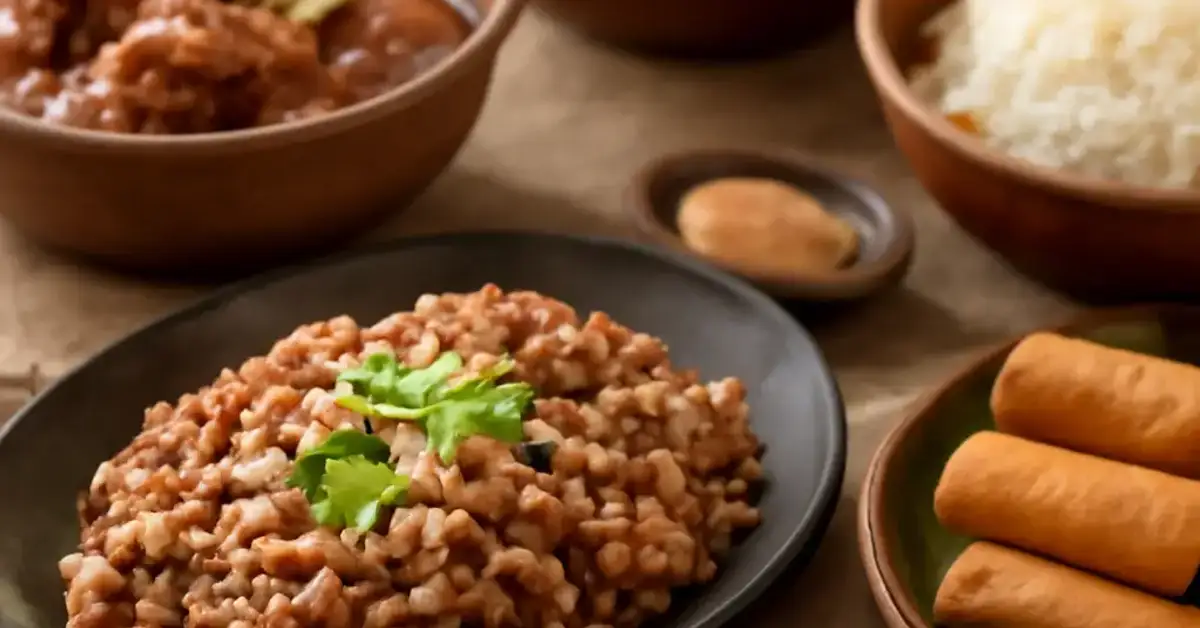
Understanding the Signature Flavors of Filipino Food in Bali Key Takeaways
Filipino cuisine is a vibrant tapestry of sweet, sour, salty, and savory flavors, often anchored by vinegar, soy sauce, and coconut milk.
- Understanding the Signature Flavors of Filipino Food in Bali starts with its four core tastes: sour (from tamarind or calamansi), salty (from fish sauce or soy), sweet (from sugar or coconut), and savory (from meat and spices).
- Iconic Filipino dishes like adobo , sinigang , and lechon represent the depth of traditional Filipino food , each offering a distinct balance of these flavors.
- Bali’s Filipino restaurant Bali scene now offers everything from casual Filipino comfort food to fine Filipino dining , welcoming expats, tourists, and locals alike.
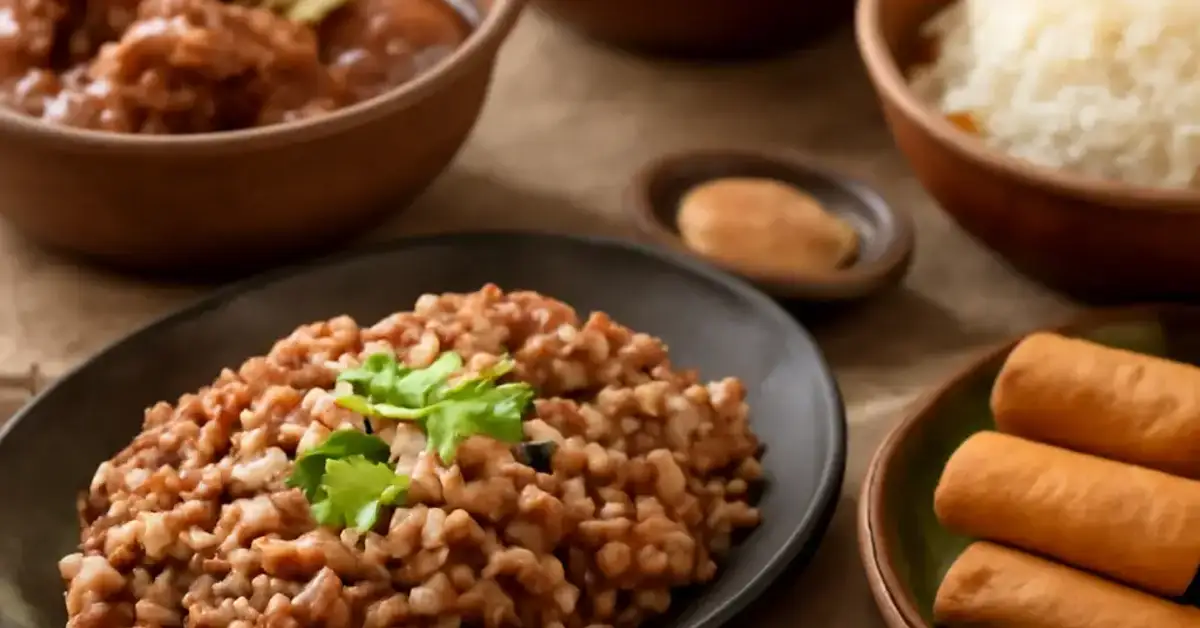
What Makes Filipino Cuisine a Hidden Gem in Southeast Asia
Filipino cuisine is one of the most underrated culinary traditions in Southeast Asia, yet its bold and balanced profile has won loyal fans worldwide. Unlike the fiery heat of Thai food or the complex spice blends of Indonesian cuisine, Filipino cooking focuses on the interplay of sweet savory flavors and bright acidity. Vinegar based dishes are a cornerstone—think adobo and paksiw—while sour Filipino dishes like sinigang rely on tamarind or calamansi to deliver a refreshing tang. This unique approach makes Filipino flavors instantly recognizable and deeply satisfying. For a related guide, see What Bali Travelers Should Know Before Trying Filipino Cuisine: 7 Essential Tips.
Why Bali Is Becoming a Hotspot for Authentic Filipino Dining
Bali has long been a melting pot of global cuisines, and in recent years Filipino food in Bali has carved out its own loyal following. The island’s international crowd—digital nomads, expats in Bali, and travelers—craves diverse experiences, and authentic Filipino cuisine offers something distinct. Several Filipino restaurant Bali venues now serve classic Filipino dishes made with local ingredients, creating a bridge between Filipino culinary culture and Bali’s tropical vibe. Whether you’re a first-time visitor or a seasoned Filipino tourist, the growing number of options makes it easier than ever to enjoy traditional Filipino food far from home. For a related guide, see How to Explore Authentic Filipino Cuisine While Visiting Bali.
The Core Signature Flavors That Define Filipino Cooking
Filipino flavors are built on four pillars: sour, salty, sweet, and savory. Vinegar based dishes like adobo use cane vinegar or coconut vinegar for acidity, while sour Filipino dishes such as sinigang rely on tamarind or green mango. Sweet savory flavors emerge in coconut based recipes like laing and ginataan, where creamy coconut milk balances salty fish sauce. Grilled Filipino food, including chicken inasal, adds smoky char and a hint of citrus. The result is a cuisine that feels both comforting and exciting, appealing to anyone exploring the Bali food guide.
Adobo: The National Dish and Its Vinegar Soul
Adobo is the most famous Filipino dish worldwide. It typically features chicken or pork braised in soy sauce, vinegar, garlic, bay leaves, and black pepper. The vinegar acts as both a preservative and a flavor agent, giving the meat a tangy depth. In Bali, restaurants often use free-range chicken or locally sourced pork to stay true to traditional Filipino recipes. Pair it with steamed rice, and you have a meal that perfectly illustrates the sweet savory flavors of Filipino cooking.
Sinigang: The Sour Soup That Warms the Soul
Sinigang is a tamarind-based soup that showcases sour Filipino dishes at their finest. Loaded with vegetables like kangkong (water spinach), radish, and eggplant, it can be made with pork, shrimp, or beef. The sour broth cuts through richness and leaves you refreshed. In Bali’s humid climate, a bowl of sinigang is a surprising comfort—bright, tangy, and deeply nourishing. Many Filipino restaurant Bali spots serve it as a daily special.
Sisig: A Sizzling Filipino Comfort Food Favorite
Sisig is a sizzling plate of chopped pork face (or belly), seasoned with calamansi, chili, and onions. It’s crunchy, tangy, and savory—a perfect example of Filipino comfort food. Often topped with a raw egg that cooks on contact, sisig is best enjoyed with a cold beer. In Bali, creative chefs sometimes add local Filipino spices or serve it with crispy rice. First-time visitors should definitely try this dish.
Iconic Dishes Every Traveler Should Try in Bali
When you visit a Filipino restaurant Bali, the menu can feel overwhelming. To help you prioritize, here are the Filipino specialties that best represent authentic Filipino cuisine.
| Dish | Key Flavor | Main Ingredients | Why You’ll Love It |
|---|---|---|---|
| Adobo | Salty, tangy, savory | Chicken or pork, soy sauce, vinegar, garlic | Ultimate comfort dish; pairs perfectly with rice |
| Sinigang | Sour, savory | Tamarind, pork or shrimp, vegetables | Refreshing and hearty; ideal for Bali’s warm evenings |
| Sisig | Tangy, spicy, crunchy | Chopped pork, calamansi, chili, onion | Sizzling and addictive; great shared with friends |
| Lechon | Rich, savory, crispy | Whole roasted pig, liver sauce | Festive centerpiece; crispy skin is legendary |
| Pancit | Savory, umami | Rice noodles, vegetables, soy sauce | Noodle dish representing long life; light yet filling |
| Lumpia | Crunchy, savory | Spring roll wrapper, ground pork, vegetables | Perfect appetizer; crispy and satisfying |
| Kare Kare | Rich, nutty, savory | Oxtail or tripe, peanut sauce, vegetables | Creamy and indulgent; unique Filipino spices shine |
| Chicken Inasal | Grilled, citrusy, savory | Chicken marinated in calamansi, annatto, lemongrass | Grilled perfection; smoky and bright |
| Halo Halo | Sweet, cold, mixed | Shaved ice, evaporated milk, sweet beans, fruit, leche flan | Dessert explosion; best on a hot Bali day |
What to Expect When Dining at a Filipino Restaurant in Bali
Filipino dining in Bali carries the hallmark of Filipino hospitality: warm, generous, and family-style. Restaurants often serve dishes in large portions meant for sharing, encouraging conversation and community. The atmosphere ranges from casual eateries with bamboo decor to more upscale venues overlooking rice terraces. Many places use local ingredients like Balinese pork, free-range chicken, and tropical fruits, blending Southeast Asian cuisine traditions with regional freshness. Expect Filipino meals that feel both authentic and adapted to island life.
How Filipino Cuisine Compares with Indonesian Food
Both cuisines share a love for rice, grilled meats, and coconut, but key differences make them distinct. Filipino cooking leans heavily on vinegar and soy sauce for acidity and saltiness, while Indonesian cuisine often relies on Filipino spices like turmeric, galangal, and candlenut for earthy complexity. Sour Filipino dishes like sinigang have no direct Indonesian counterpart; Indonesian soto soups are more brothy and spice-forward. Grilled Filipino food like chicken inasal uses a vinegar-calamansi marinade, while Balinese satay relies on a sweet peanut sauce. Both are delicious, but Filipino flavors offer a tangier, more straightforward taste that many find refreshing.
Where to Find Authentic Filipino Food in Bali
Several Filipino restaurant Bali venues have earned strong reputations among expats and travelers. While the scene is still growing, places like “Kusina Bali” in Canggu and “Manila Dreams” in Seminyak serve consistently good traditional Filipino food. Many also offer takeaway for villa visitors or delivery for digital nomads. For a comprehensive list, check local food blogs or Facebook groups dedicated to food tourism Bali. Always call ahead to confirm hours, as some smaller spots operate on variable schedules.
Tips for First-Time Visitors Ordering at a Filipino Restaurant
If you’re new to Filipino cuisine, start with a classic adobo or chicken inasal to get a feel for the sweet savory flavors. Next, try a sour Filipino dish like sinigang or a vinegar based dish like kinilaw (Filipino ceviche). Don’t skip the lumpia as an appetizer, and finish with halo halo for a sweet, cold treat. Most Filipino meals are served with steamed rice, so expect that as the base. If you have dietary preferences, ask about coconut based recipes or grilled options—they’re usually easy to adapt.
Useful Resources
For additional insights into traditional Filipino recipes and island dining in Bali, explore these helpful resources:
- Food and Wine’s Bali Restaurant Guide — A curated list of top dining spots across the island, including Filipino options.
- Lonely Planet Bali Restaurants — Reliable recommendations for authentic dining and cultural cuisine experiences.
Frequently Asked Questions About Understanding the Signature Flavors of Filipino Food in Bali
What are the signature flavors of Filipino food in Bali ?
The signature flavors are sour (from vinegar, tamarind, calamansi), salty (from soy sauce and fish sauce), sweet (from sugar and coconut milk), and savory (from meat and spices). These four tastes define Filipino food in Bali.
What makes Filipino cuisine unique?
Its heavy use of vinegar and souring agents, combined with a family-style sharing culture, makes Filipino cuisine distinct. It balances acidity with sweet savory flavors in a way few other cuisines do.
Which Filipino dishes best represent authentic Filipino flavors ?
Adobo, sinigang, sisig, lechon, pancit, lumpia, kare kare, and chicken inasal are the top dishes that showcase authentic Filipino cuisine.
How do sweet, sour, salty, and savory flavors define Filipino cooking ?
They form the flavor backbone: sour cuts richness, salty provides depth, sweet balances heat, and savory creates umami. This quartet makes Filipino cooking harmonious and addictive.
What ingredients are commonly used in Filipino cuisine ?
Key ingredients include vinegar, soy sauce, fish sauce, calamansi, tamarind, coconut milk, garlic, onion, ginger, and Filipino spices like annatto and black pepper.
Where can I enjoy authentic Filipino food in Bali ?
Look for Filipino restaurant Bali spots in Canggu, Seminyak, and Ubud. “Kusina Bali” and “Manila Dreams” are reliable choices. Check local food blogs for updates.
What should first-time visitors order at a Filipino restaurant?
Start with adobo or chicken inasal, then try sinigang or lumpia. Finish with halo halo for dessert. These dishes capture Filipino flavors well.
How does Filipino cuisine compare with Indonesian food?
Filipino food is tangier and less spicy, relying on vinegar and soy, while Indonesian food uses more spices like turmeric and galangal for earthy complexity. Both are Southeast Asian cuisine staples.
Why is Filipino food becoming more popular in Bali?
The growing Filipino tourist and expat in Bali community, plus the appeal of Filipino comfort food in a tropical setting, has driven demand for authentic dining options.
What makes the Filipino dining experience memorable for travelers?
Filipino hospitality—warm, generous, and family-style—combined with bold Filipino flavors and shared meals creates a lasting impression on any traveler.
Are there vegan or vegetarian Filipino dishes in Bali?
Yes, many coconut based recipes like ginataang gulay (vegetables in coconut milk) and lumpiang gulay (vegetable spring rolls) are vegan-friendly.
Can I find halal Filipino food in Bali ?
Some Filipino restaurant Bali venues offer halal-certified meat options, especially chicken and seafood. Always check with the restaurant before ordering.
What is the best time to eat Filipino food in Bali ?
Filipino meals are enjoyed all day, but many restaurants serve lunch and dinner. Grilled Filipino food like chicken inasal is especially popular for dinner.
How spicy is Filipino food?
Most traditional Filipino food is mild to moderately spicy. Chili is used sparingly, often as a condiment. Sisig can be spicy depending on the chef.
Are Filipino restaurants in Bali expensive?
Prices vary, but most Filipino restaurant Bali venues offer mid-range pricing—comparable to other Southeast Asian cuisine spots on the island.
Do Filipino restaurants in Bali serve breakfast?
A few do, especially those catering to Filipino tourists and expat in Bali communities. Silog meals (garlic rice, egg, meat) are a popular breakfast option.
What drinks pair well with Filipino food?
Cold beer, calamansi juice, or coconut water complement Filipino flavors beautifully. For cocktails, a rum-based drink with citrus works well.
Can I learn to cook Filipino food in Bali ?
Some cultural cuisine cooking schools in Bali offer Filipino cooking classes. Check platforms like Cookly for upcoming workshops.
Is Filipino food kid-friendly?
Yes, Filipino comfort food like pancit, lumpia, and adobo are often enjoyed by children. The flavors are familiar and not overly intense.
How do I find a good Filipino restaurant in Bali?
Search for Filipino restaurant Bali on Google Maps, read recent reviews, and ask in Bali dining guide Facebook groups for recommendations.

Chef Juan Gadi brings the heart of Filipino hospitality to Ubud, Bali. As an Executive Chef and consultant, he specializes in creating intimate, curated dining experiences that tell a story through every dish. Whether leading the kitchen at Kilig Filipino Warung or hosting a private villa dinner, Chef Juan’s approach is defined by warmth, modern technique, and a commitment to culinary excellence.