
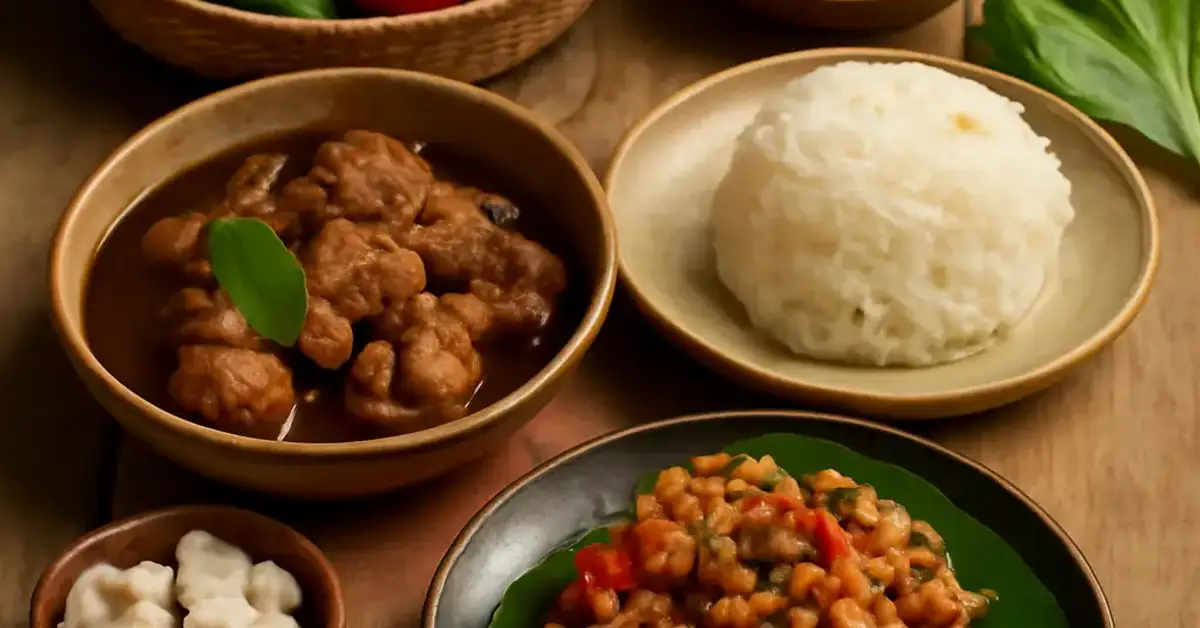
Fresh Local Ingredients Elevate Filipino Cuisine in Bali Key Takeaways
Balinese soil and sea supply the freshest possible canvas for traditional Filipino cooking .
- Fresh local ingredients elevate Filipino cuisine in Bali by replacing canned or imported components with just-picked vegetables, line-caught seafood, and artisan coconut products.
- Filipino chefs in Bali source from local markets and small farms, turning classic dishes into expressions of the island’s terroir.
- Visitors can enjoy authentic Filipino flavors while supporting sustainable dining practices and the local Balinese economy.
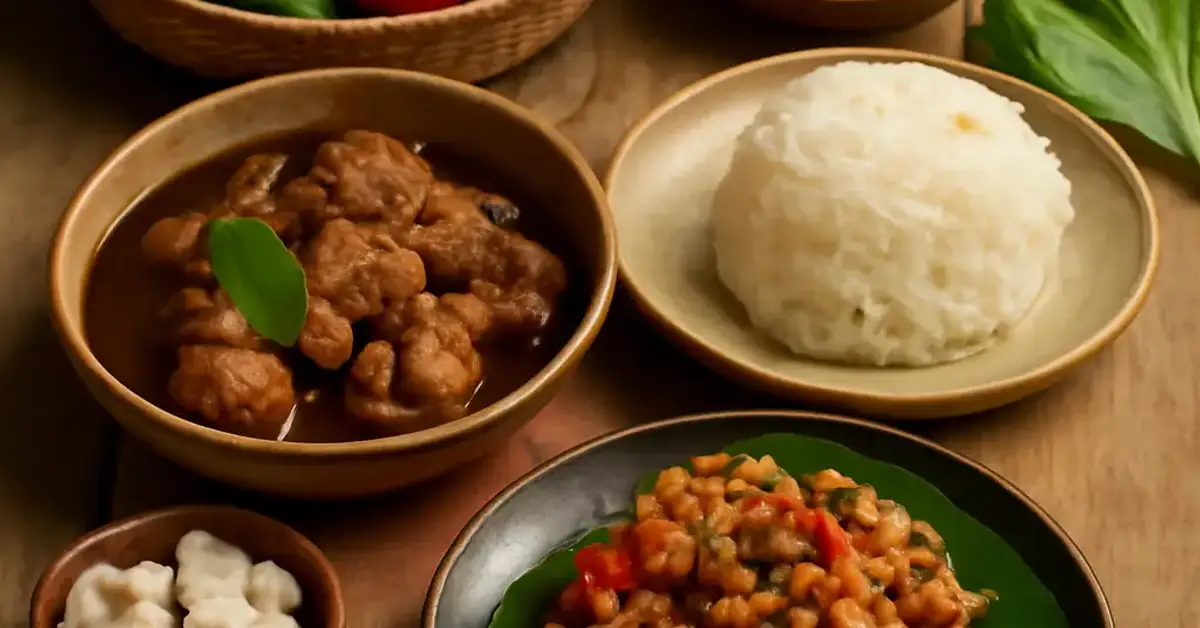
What Makes Fresh Local Ingredients Central to Filipino Cuisine in Bali
When you think of Filipino food Bali, you might picture rich stews, tangy soups, and crispy fried dishes. But the real magic happens when those recipes meet Bali’s extraordinary local supply chain. The island’s volcanic soil, tropical climate, and abundant waters produce fresh seafood, tropical vegetables, and local herbs that transform traditional Filipino dishes into something even more vibrant. For a related guide, see How to Explore Authentic Filipino Cuisine While Visiting Bali.
Authentic Filipino cuisine has always relied on the interplay of sour, salty, and savory flavors. Balinese ingredients—such as lemongrass, kaffir lime, turmeric, and young coconut—amplify those notes in ways that imported goods cannot. A sinigang made with locally farmed tamarind and river prawns, for example, carries a brightness that captures both Philippine tradition and Balinese abundance. For a related guide, see A Guide to Understanding Filipino Flavors Before Dining in Bali.
Why Chefs Are Turning to Local Ingredients
The decision to use local ingredients goes beyond trend. For Filipino chefs working in Bali, it’s a practical choice that ensures quality and reduces carbon footprint. Sustainable ingredients from nearby farms stay fresher longer, meaning less waste and more vibrant flavors on the plate. This commitment to sustainable dining also resonates with today’s conscious travelers, who want their meals to reflect the place they are visiting.
How Fresh Local Ingredients Elevate Filipino Cuisine in Bali Through Key Dishes
Let’s look at seven iconic Filipino specialties and how Bali’s island produce reimagines them.
1. Adobo with a Balinese Twist
Adobo is arguably the most famous Filipino comfort food. Traditionally braised in soy sauce, vinegar, garlic, and bay leaves, the Balinese version often swaps imported soy for locally fermented kecap manis and uses local herbs like salam leaf and torch ginger. The result is a deeper, sweeter, more aromatic stew that still honors the original.
Many Filipino restaurant Bali venues serve their adobo with a side of steamed Balinese rice and tropical vegetables such as young jackfruit or snake beans. This farm fresh ingredients approach makes each bite feel connected to the island’s terroir.
2. Sinigang Made Sour by Local Tamarind
Sinigang is a sour soup that typically relies on tamarind, calamansi, or guava. In Bali, chefs use tamarind harvested from local trees and pair it with fresh seafood like snapper, prawns, or clams caught that morning. The broth becomes a clean, tangy showcase of the sea. Tropical vegetables such as okra, water spinach, and green papaya add texture and nutrients.
This dish demonstrates perfectly how fresh local ingredients elevate Filipino cuisine in Bali—the sourness is sharper, the seafood sweeter, and the vegetables more tender than anything shipped from overseas.
3. Sisig with Crispy Balinese Pork
Sisig is a sizzling chopped pork dish flavored with calamansi, chili, and onions. Balinese free-range pork, raised on local farms, brings a cleaner taste and firmer texture. Many Filipino chefs add a finishing touch of Balinese lime and bird’s eye chili, creating a version that is simultaneously familiar and distinctly island-inspired.
This version of sisig has become a must-try for food tourism Bali enthusiasts who want to experience authentic Filipino recipes with a local accent.
4. Lechon Stuffed with Balinese Aromatics
Lechon—the whole roasted pig—is the centerpiece of celebrations in the Philippines. In Bali, lechon is often stuffed with a blend of local herbs such as lemongrass, galangal, and kaffir lime leaves before being slow-roasted over coconut husks. The skin crackles like glass, while the meat absorbs the fragrant steam from the herbs.
Premium dining experiences in Bali frequently feature lechon as a signature dish, often served with a dipping sauce made from Balinese coconut vinegar and fresh chilies.
5. Pancit with Garden-Fresh Vegetables
Pancit, the Filipino noodle dish, is a celebration of texture and color. Balinese versions use rice noodles made from local grains and pile on tropical vegetables like bean sprouts, cabbage, carrots, and green beans grown in the island’s highlands. Some chefs add shredded lechon or prawns for protein, making it a satisfying meal that changes with the seasonal ingredients available.
This dish works well for solo travelers and families alike, offering a light yet filling taste of Filipino flavors rooted in Balinese soil.
6. Lumpia with Crisp Local Produce
Lumpia, the Filipino spring roll, is all about crunch. In Bali, the filling features finely chopped tropical vegetables such as bamboo shoots, young papaya, and carrot, often combined with minced pork or shrimp sourced from local suppliers. The wrappers are fried to a golden crisp and served with a sweet chili dip that uses Balinese palm sugar.
Fresh local ingredients make these lumpia notably lighter and more refreshing than versions made with frozen, imported vegetables.
7. Island Fresh Desserts and Sides
Beyond the main dishes, island fresh cuisine shines in desserts like halo-halo, where Balinese ube (purple yam), jackfruit, and young coconut replace their canned counterparts. The result is a dessert that tastes like the tropics in a glass.
How Filipino Chefs Source Fresh Local Ingredients in Bali
Getting the best local ingredients requires relationships. Most Filipino chefs in Bali start their day at traditional markets such as Pasar Badung in Denpasar or Pasar Ubud. There, they handpick fresh seafood, local herbs, and island produce directly from farmers and fishers.
Some chefs go further, partnering with specific farms in Bedugul or the central highlands to secure a steady supply of farm fresh ingredients. This direct sourcing enables them to adjust menus based on what is in season, ensuring every dish is at its peak flavor.
The Role of Local Markets
Local markets are the backbone of Filipino cuisine in Bali. They provide access to ingredients that would be impossible to import at the same quality. Chefs find purple yam, green papaya, coconut vinegar, and palm sugar alongside Balinese staples. This cross-cultural exchange enriches both cuisines and makes the Bali culinary scene more diverse and exciting.
Why Sustainable Ingredients Matter for Filipino Restaurant Bali
Sustainable dining is not a buzzword in Bali—it is a necessity. The island’s ecosystem is fragile, and importing food long distances adds to environmental strain. By choosing sustainable ingredients, Filipino restaurant Bali owners reduce their carbon footprint, support local farmers, and offer diners a more authentic experience.
Moreover, sustainable ingredients simply taste better. A tomato picked ripe from a Balinese farm has more flavor than one that has traveled for weeks. A fish caught off the coast of Bali is firmer and sweeter than a frozen import. For Filipino comfort food, this quality difference is night and day.
Restaurant Recommendations for Authentic Filipino Cuisine in Bali
If you are wondering where to experience this farm to table dining movement firsthand, here are some standout spots:
| Restaurant | Location | Signature Dish | Local Ingredient Highlight |
|---|---|---|---|
| Karlos Kitchen | Seminyak | Crispy Sisig | Balinese free-range pork |
| Je Boga | Ubud | Sinigang na Sugpo | River prawns from Bedugul |
| Sari Bumbu | Kuta | Adobo with Kecap Manis | Locally fermented soy sauce |
| Warung Ibu Oki | Canggu | Pancit with Garden Vegetables | Mixed greens from local farms |
| Coconut House | Sanur | Lechon with Herbs | Lemongrass and galangal stuffing |
These restaurants embody Filipino hospitality while celebrating the island’s bounty. Each meal becomes a culinary experience that tells a story of two cultures coming together.
How Does Bali Influence Traditional Filipino Recipes
Bali’s influence goes beyond ingredients. The island’s cooking techniques, such as slow-roasting over coconut husks or steaming in banana leaves, align beautifully with Filipino methods. Chefs also incorporate Balinese spice pastes (bumbu) into marinades, adding layers of flavor that make traditional Filipino dishes feel fresh and new.
This cross-pollination is part of what makes the Bali food scene so dynamic. Southeast Asian cuisine shares many threads—tamarind, coconut, chili, and herbs—and Bali provides a perfect place to weave them together.
What First-Time Visitors Should Try on a Filipino Menu
If you are new to Filipino food Bali, start with the classics. Order lumpia as an appetizer, follow with adobo or sisig, and share a plate of pancit. Ask your server which menu items feature farm fresh ingredients that day—they will usually be happy to point out the most seasonal choices.
For adventurous eaters, try sinigang made with local tamarind and river prawns. The sourness is a perfect palate cleanser in Bali’s tropical heat. And do not skip dessert: halo-halo made with fresh ube and young coconut is a revelation.
Useful Resources
To learn more about the intersection of Balinese agriculture and Filipino cooking, check out these credible sources:
- Bali Food Safety and Quality – Information on local sourcing standards and farm-to-table practices in Bali.
- ASEAN Kitchen – A resource for Southeast Asian culinary traditions, including Filipino dishes and ingredient guides.
Frequently Asked Questions About Fresh Local Ingredients Elevate Filipino Cuisine in Bali
Fresh local ingredients elevate Filipino cuisine in Bali in ways that surprise and delight every traveler. From the tang of tamarind picked that morning to the crackle of lechon roasted over coconut husks, each bite tells a story of connection—between two cultures, between land and sea, and between the grower and the diner. Whether you are a first-time visitor or a seasoned food tourism Bali enthusiast, the Filipino culinary experience here is one you will remember long after you leave the island.
Frequently Asked Questions About Fresh Local Ingredients Elevate Filipino Cuisine in Bali
How do fresh local ingredients elevate Filipino cuisine in Bali ?
Fresh local ingredients elevate Filipino cuisine in Bali by replacing imported pantry staples with just-picked vegetables, line-caught seafood, and artisan coconut products, resulting in brighter, more vibrant flavors that honor both Filipino tradition and Balinese terroir. For a related guide, see The Ingredients Behind Authentic Filipino Dining Experiences in Bali.
What local ingredients are used in Filipino dishes in Bali?
Chefs use Balinese fresh seafood, tropical vegetables, local herbs such as lemongrass and kaffir lime, island produce like young coconut and jackfruit, and artisan products like kecap manis and coconut vinegar.
Why do fresh ingredients improve the flavor of Filipino food?
Fresh ingredients retain their natural oils, sugars, and acids, which means they contribute more intense aromas and cleaner tastes. This makes every dish—from adobo to sinigang—more nuanced and satisfying.
How do Filipino chefs source ingredients in Bali?
Many Filipino chefs shop daily at local markets like Pasar Badung or partner directly with farms in Bedugul, selecting seasonal ingredients at peak ripeness for their authentic Filipino recipes.
What are the most popular Filipino dishes made with local produce?
Top choices include adobo with local soy, sinigang with Balinese tamarind and river prawns, sisig with free-range pork, lechon stuffed with local herbs, pancit piled with garden vegetables, and lumpia filled with tropical vegetables.
Where can I enjoy authentic Filipino cuisine made with fresh ingredients in Bali?
Top restaurant recommendations include Karlos Kitchen in Seminyak, Je Boga in Ubud, Sari Bumbu in Kuta, Warung Ibu Oki in Canggu, and Coconut House in Sanur. Each emphasizes farm to table dining and sustainable dining.
How does Bali influence traditional Filipino recipes?
Bali adds its own island flavors—such as Balinese spice pastes, coconut husk roasting, and local herbs—that integrate seamlessly with Filipino cooking techniques, creating a unique fusion of Southeast Asian cuisine.
What makes farm fresh Filipino dining unique?
It combines Filipino hospitality with Bali’s agricultural abundance, so every dish reflects the specific seasonal ingredients available that week, offering a truly personal culinary experience.
Why is sustainable sourcing important for Filipino restaurants in Bali?
Sustainable sourcing reduces the environmental impact of food miles, supports local farmers, and ensures farm fresh ingredients that taste better and keep the Bali food scene vibrant and responsible.
What should first time visitors try on a Filipino menu made with local ingredients ?
Start with lumpia and adobo, then try sinigang with local tamarind and river prawns. End with halo-halo made with fresh ube and young coconut. Ask the server for the day’s most seasonal dish.
Is Filipino food in Bali spicy?
Filipino food is generally mild to moderately spicy compared to Thai or Balinese cuisine. Many dishes use chili as a condiment, so you can control the heat easily.
Are vegetarian Filipino options available in Bali?
Yes. Dishes like pancit with garden vegetables, lumpia with mixed vegetables, and sinigang made with vegetable broth are commonly available. Many restaurants also offer tofu or tempeh alternatives.
Can I find gluten-free Filipino dishes in Bali?
Yes. Sinigang, grilled meats like lechon, and many adobo variations are naturally gluten-free. Rice is the staple grain, so gluten-free options are abundant.
How expensive is Filipino food in Bali?
Prices vary. At a Filipino restaurant Bali that emphasizes premium dining and fresh local ingredients, expect to pay IDR 80,000–200,000 per dish. More casual warungs offer lower prices.
Do Filipino restaurants in Bali accept reservations?
Most do, especially for dinner during high season. It is advisable to book ahead for popular spots like Karlos Kitchen or Je Boga, particularly if you are visiting with a group.
What is the best time to visit Bali for fresh produce?
The dry season (May to September) offers the widest variety of seasonal ingredients, including tropical fruits, vegetables, and fresh seafood. However, Bali’s climate allows for year-round growing.
Are there Filipino cooking classes in Bali?
Yes. Some Filipino restaurant Bali venues and private chefs offer short cooking classes where you learn to make adobo, lumpia, or pancit using Balinese ingredients. Check with individual restaurants for schedules.
Can I find vegan Filipino food in Bali?
Yes. Many restaurants offer vegan versions of sinigang, pancit, and lumpia by substituting tofu or tempeh for meat and using vegetable broth. Specify your preference when ordering.
How do Filipino flavors compare to Balinese flavors?
Both cuisines use sour, salty, and savory profiles, but Filipino food tends to be less spicy and more vinegary, while Balinese food relies more on coconut and complex spice pastes. The combination creates a delightful contrast.
What is the most sustainable seafood choice in Bali?
Prawns, snapper, tuna, and mackerel caught by local small-scale fishers are generally more sustainable than imported farmed fish. Ask your server about the source of their fresh seafood.

Chef Juan Gadi brings the heart of Filipino hospitality to Ubud, Bali. As an Executive Chef and consultant, he specializes in creating intimate, curated dining experiences that tell a story through every dish. Whether leading the kitchen at Kilig Filipino Warung or hosting a private villa dinner, Chef Juan’s approach is defined by warmth, modern technique, and a commitment to culinary excellence.