
Filipino Dining Trends Influencing Bali’s Culinary Scene Key Takeaways
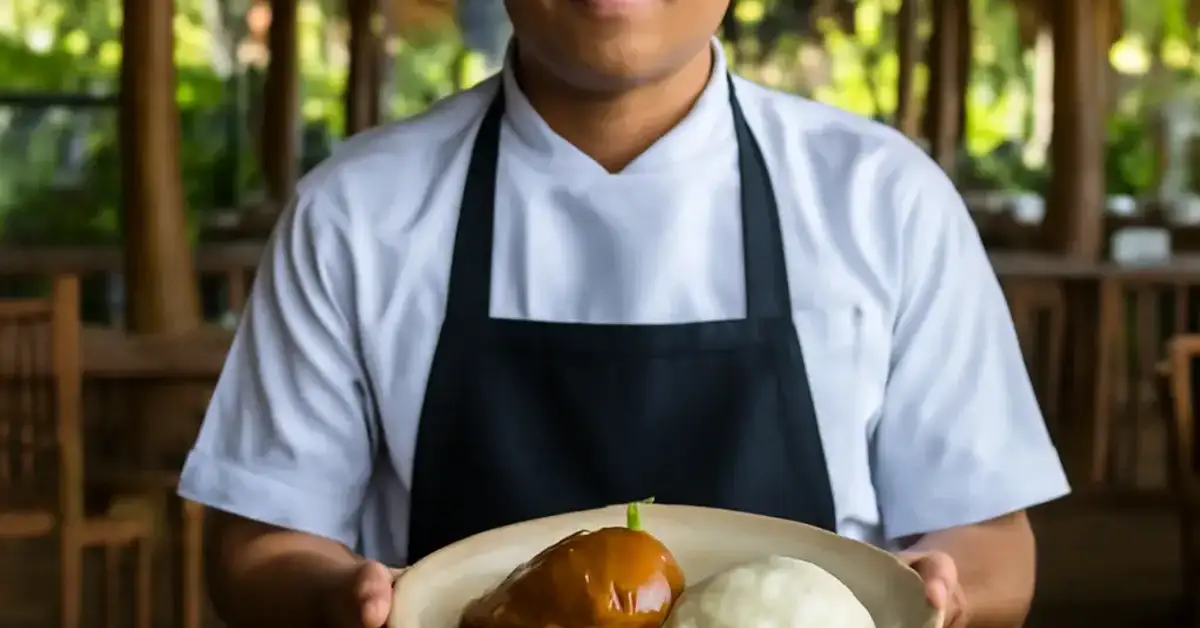
The Filipino Dining Trends Influencing Bali’s Culinary Scene are reshaping how travelers, expats, and food lovers experience dining on the Island of the Gods.
- Filipino Dining Trends Influencing Bali’s Culinary Scene include farm-to-table practices and sustainable sourcing of local ingredients .
- Signature dishes like adobo , sisig , sinigang , lechon , pancit , lumpia , and halo halo are becoming staples on Bali menus.
- Chefs use heritage recipes and shared dining concepts to attract culinary tourism and international visitors.
What Readers Should Know About the Filipino Dining Trends Influencing Bali’s Culinary Scene
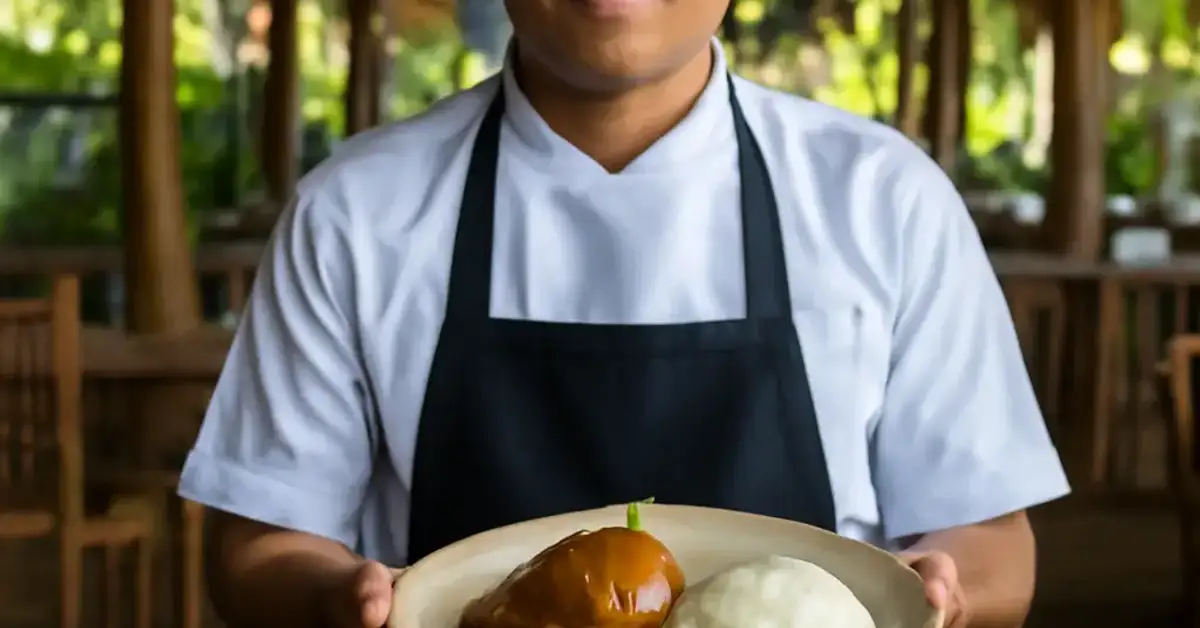
As an Executive Chef and consultant based in Ubud, Bali, I have witnessed firsthand how Filipino dining trends are transforming the island’s food landscape. Travelers from around the world now search for Filipino cuisine in Bali not only for its bold Filipino flavors but for the story behind every dish. These trends reflect a deeper movement: the rise of authentic Filipino cuisine in a global destination known for its diverse dining culture. For a related guide, see How to Explore Authentic Filipino Cuisine While Visiting Bali.
I have seen modern Filipino dining evolve from a niche offering to a sought-after experience. Whether you are a first-time visitor or a seasoned food explorer, understanding these nine trends will enrich your journey through Bali’s food scene.
1. The Rise of Dedicated Filipino Restaurants in Bali
A growing number of Filipino restaurant Bali establishments are opening across Seminyak, Canggu, and Ubud. These venues serve as cultural ambassadors, offering authentic Filipino recipes in a setting that mirrors the warmth of the Philippines. Modern Filipino cuisine takes center stage, with chefs reimagining classics using local ingredients sourced from Bali’s farms.
For example, Kilig Filipino Warung in Ubud presents a menu where adobo meets Balinese spices, creating a fusion that honors both traditions. This trend is part of a broader restaurant innovation wave that attracts culinary tourism and repeat visits.
What Makes These Restaurants Different?
Filipino hospitality is the cornerstone. Diners are welcomed like family, a practice rooted in the Filipino value of kapwa (shared identity). This emotional connection, combined with food presentation that rivals top fine-dining spots, makes these venues stand out in the Bali food scene.
2. Farm-to-Table Filipino Dining Experiences
Bali’s thriving farm to table dining movement has found a natural partner in Filipino culinary culture. Many Filipino restaurant Bali concepts now partner with local farmers to source organic vegetables, free-range meats, and sustainable seafood. This commitment to sustainable sourcing ensures that authentic Filipino cuisine is both ethical and delicious.
I often design private villa dinners where guests taste sinigang made with Balinese tamarind and river fish, or lechon roasted over coconut husks. These dishes tell a story of place and tradition, elevating the Filipino dining experience to something truly memorable.
Local Ingredients Meet Heritage Recipes
Using local ingredients does not mean abandoning tradition. Instead, it enhances Filipino specialties such as pancit and lumpia with a sense of terroir. This approach supports Bali’s farmers while introducing international visitors to the versatility of Southeast Asian cuisine.
3. Modern Filipino Cuisine Goes Fusion
Filipino fusion food is one of the most exciting Filipino culinary trends in Bali today. Chefs blend techniques from Japanese, Balinese, and European kitchens with modern Filipino cuisine to create dishes that surprise and delight. At events like the Ubud Food Festival, I have seen sisig tacos, adobo sliders, and halo halo parfaits become instant hits. For a related guide, see 12 Modern Filipino Dishes You Can Experience in Bali.
This trend answers the question: Why is Filipino food becoming more popular in Bali? Because it adapts without losing its soul. Travelers appreciate the creativity, and food tourism Bali thrives on such innovation.
Chef-Driven Creativity
Chef driven restaurants are leading this charge. By training local teams and collaborating with Balinese chefs, Filipino culinary professionals bring heritage recipes to a wider audience. The result is a dynamic Bali dining guide that now includes Filipino flavors as a must-try category.
4. Shared Dining and Kamayan-Style Feasts
One of the most visually striking Filipino dining trends is the resurgence of shared dining experiences, particularly the Kamayan (hand-eating) feast. Restaurants offer long tables covered in banana leaves, piled high with lechon, pancit, grilled seafood, and fresh mangoes. Diners eat with their hands, connecting directly with the food and each other.
This trend aligns perfectly with Bali’s communal island dining culture. It encourages conversation, storytelling, and a slower pace—qualities that international visitors crave. How are Filipino chefs blending tradition with innovation? By presenting Kamayan in upscale settings with polished service while retaining the ritual’s authenticity.
5. Street Food Goes Upscale: Sisig, Lumpia, and More
Classic Filipino specialties once reserved for street carts now appear on fine-dining menus. Sisig, a sizzling chopped pork dish, is served with quail egg and crispy garlic. Lumpia (spring rolls) are filled with Balinese duck and served with house-made vinegar dips. Adobo gets a slow-cooked makeover using local heritage pork.
This elevation of street food into contemporary Filipino cuisine attracts food tourism Bali enthusiasts who seek both comfort and luxury. Restaurant innovation here means respecting the original recipe while refining technique and food presentation.
6. The Appeal of Halo-Halo and Filipino Desserts
Bali’s tropical climate makes halo halo a natural favorite. This shaved ice dessert topped with sweet beans, fruits, leche flan, and ube ice cream is now a signature ending at many Filipino restaurant Bali spots. Chefs experiment with local ingredients like Balinese coconut and palm sugar to create versions that feel uniquely Balinese yet recognizably Filipino.
Desserts are a powerful driver of Filipino culinary trends, especially among food bloggers and travel bloggers who share vibrant photos on social media. The visual appeal of halo halo helps spread the word about Filipino cuisine in Bali.
7. Filipino Hospitality as a Brand
Filipino hospitality is more than a service style—it is a movement within Bali’s hospitality industry. Restaurants train staff to anticipate needs, remember guest names, and serve with genuine warmth. This cultural dining approach makes diners feel at home, encouraging return visits and word-of-mouth recommendations.
As a consultant, I emphasize that Filipino culinary culture thrives on relationships. Whether at a chef driven restaurant or a casual warung, the goal is to create a Filipino dining experience that lingers long after the meal ends. What makes Filipino hospitality different from other dining experiences? It is the sincerity behind every gesture, from the welcome drink to the farewell smile.
8. Pop-Ups, Private Dinners, and Culinary Events
Culinary tourism in Bali has embraced the pop-up model. Filipino chefs host themed dinners at villas, coworking spaces, and even rice terraces. These events showcase modern Filipino dining in intimate settings, often paired with stories about the origin of each dish.
This trend serves multiple audiences: digital nomads seeking unique experiences, expatriots in Bali looking for comfort food, and culture seekers eager to learn. How do Filipino restaurants attract international visitors? By offering limited-edition menus that highlight seasonal Filipino specialties like sinigang and adobo, often with a Balinese twist.
9. Sustainability and Zero-Waste Filipino Cooking
Bali’s environmental challenges have inspired many Filipino restaurant Bali owners to adopt zero-waste practices. Sustainable sourcing extends to minimizing food waste: using vegetable peels for broths, bones for stocks, and leftover rice for sinigang or desserts. This eco-conscious approach resonates with travelers to Bali who prioritize responsible tourism.
What role do local ingredients play in Filipino restaurants in Bali? They are essential. By collaborating with Balinese farmers and fishermen, restaurants reduce their carbon footprint while celebrating Filipino flavors in a new context. This alignment with farm to table dining makes the Filipino dining trends influencing Bali’s culinary scene both delicious and ethical.
Comparison Table: Key Filipino Dining Trends in Bali
| Trend | Key Dishes | Audience |
|---|---|---|
| Dedicated Filipino Restaurants | Adobo, Sisig, Pancit | International tourists, Filipino tourists |
| Farm-to-Table | Sinigang, Lechon, Lumpia | Food lovers, culinary travelers |
| Modern Filipino Fusion | Adobo sliders, Sisig tacos | Restaurant owners, chefs |
| Shared Dining (Kamayan) | Lechon, grilled seafood | Food bloggers, travel bloggers |
| Upscale Street Food | Sisig, Lumpia | Dining enthusiasts, hospitality professionals |
| Filipino Desserts | Halo Halo, Ube cake | Social media users, food explorers |
| Filipino Hospitality | All dishes | First-time visitors, hospitality guests |
| Pop-Ups and Private Dinners | Seasonal specialties | Digital nomads, expats in Bali |
| Sustainability | Zero-waste versions of classics | Culture seekers, eco-conscious travelers |
Useful Resources
For more on Bali’s evolving food scene, visit Bali Golden Palace Culinary Guide. To deepen your knowledge of Filipino dining trends, explore Choose Philippines: Filipino Food Going Global.
Frequently Asked Questions About Filipino Dining Trends Influencing Bali s Culinary Scene
What are the 9 Filipino dining trends influencing Bali’s culinary scene?
The nine trends are: dedicated Filipino restaurants, farm-to-table dining, modern Filipino fusion, shared dining (Kamayan), upscale street food, halo-halo and desserts, Filipino hospitality branding, pop-ups and private dinners, and sustainability-focused cooking.
How is Filipino cuisine shaping Bali’s restaurant industry?
Filipino cuisine introduces bold flavors, communal dining, and warm hospitality that attract international visitors, inspiring many Bali restaurants to incorporate Filipino flavors and techniques into their menus.
Why is Filipino food becoming more popular in Bali?
Filipino food in Bali is gaining traction because of its unique taste profile, the growing Filipino expat community, and the rise of modern Filipino cuisine that appeals to adventurous food lovers and culinary tourism.
Which modern Filipino dining trends should travelers know?
Travelers should look for Kamayan feasts, Filipino fusion food, farm-to-table dishes using local ingredients, and chef-driven pop-ups that highlight authentic Filipino recipes with a Balinese twist.
How are Filipino chefs blending tradition with innovation?
Filipino chefs respect heritage recipes while incorporating modern techniques, sustainable sourcing, and local Balinese produce, creating dishes that are both traditional and inventive.
What role do local ingredients play in Filipino restaurants in Bali?
Local ingredients are central to Filipino restaurant Bali menus, allowing chefs to support Balinese farmers, reduce environmental impact, and create dishes that reflect the island’s bounty.
Where can I experience these Filipino dining trends ?
Visit Ubud, Seminyak, and Canggu. Establishments like Kilig Filipino Warung in Ubud, and seasonal pop-ups hosted by Filipino chefs, offer authentic experiences tied to Filipino dining trends.
What makes Filipino hospitality different from other dining experiences?
Filipino hospitality is rooted in genuine warmth, attentiveness, and a family-like atmosphere that makes guests feel valued, setting it apart from more transactional dining styles.
How do Filipino restaurants attract international visitors?
They use social media, collaborate with food bloggers, offer unique shared dining experiences, and highlight Filipino specialties that are both photogenic and delicious.
Why are Filipino culinary trends transforming Bali’s food scene?
Filipino culinary trends bring new flavors, sustainable practices, and a focus on cultural dining that enriches Bali’s already diverse island dining landscape, appealing to food tourism.
Is adobo actually available in Bali?
Yes, adobo is a staple at many Filipino restaurant Bali venues, often prepared with free-range chicken or pork and Balinese soy sauce for a local accent.
Can I find sisig in Bali?
Sisig is widely available, from casual warungs to upscale restaurants, and is frequently featured in Filipino fusion food menus across the island.
What is sinigang and where can I try it in Bali?
Sinigang is a sour tamarind-based soup. Look for it at specialty Filipino restaurant Bali spots or at private dining events hosted by Filipino chefs.
Is lechon served in Bali?
Yes, lechon is a highlight at many modern Filipino dining events and Filipino-owned restaurants, often roasted whole for shared dining feasts.
What about pancit and lumpia in Bali?
Both pancit and lumpia are common on menus, made with fresh local ingredients and served as appetizers or main courses in Filipino restaurant Bali settings.
Can I get halo-halo in Bali?
Absolutely. Halo halo is a popular dessert, offered with variations that include Balinese coconut, jackfruit, and palm sugar.
Are Filipino dining trends suitable for vegetarians?
Yes, many Filipino restaurant Bali venues offer vegetable-based lumpia, pancit, and sinigang made with local greens, catering to vegetarians and vegans.
Do I need to make reservations for Filipino dining experiences in Bali?
For popular spots and private dinners, reservations are recommended, especially during peak food tourism Bali seasons like holidays and festival periods.
How expensive is Filipino food in Bali compared to other cuisines?
Filipino food in Bali is generally affordable, with street-food-style dishes under $5 and full shared dining experiences ranging from $15 to $35 per person.
Are Filipino restaurant owners in Bali mostly expats?
Many are Filipino chefs or Filipino-Balinese partnerships, but an increasing number of Balinese entrepreneurs are also embracing Filipino dining trends to diversify the Bali food scene.
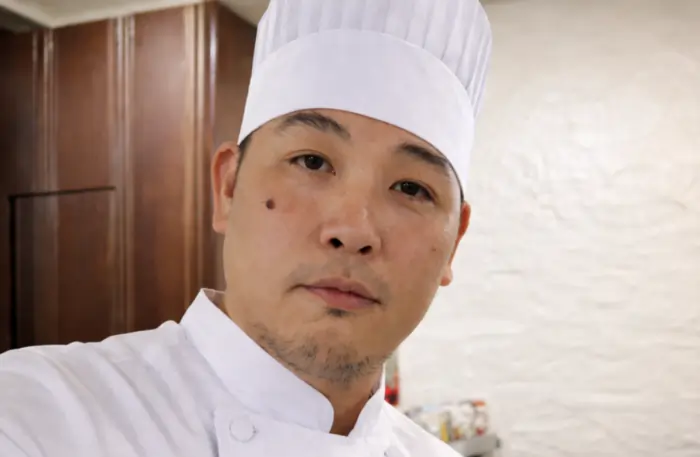
Chef Juan Gadi brings the heart of Filipino hospitality to Ubud, Bali. As an Executive Chef and consultant, he specializes in creating intimate, curated dining experiences that tell a story through every dish. Whether leading the kitchen at Kilig Filipino Warung or hosting a private villa dinner, Chef Juan’s approach is defined by warmth, modern technique, and a commitment to culinary excellence.