Signature Ingredients Behind Filipino Cuisine in Bali Key Takeaways
Discover how Chef Juan Gadi brings the soul of the Philippines to Ubud, Bali, using seven essential ingredients that define authentic Filipino cooking.
- Signature Ingredients Behind Filipino Cuisine in Bali include vinegar, soy sauce, calamansi, coconut milk, garlic, ginger, and banana leaves — each playing a vital role in classic recipes.
- Local Balinese ingredients like fresh turmeric, lemongrass, and sea salt enhance traditional Filipino dishes , creating a unique fusion of two island cultures.
- Whether you are a traveler seeking authentic Filipino cuisine or a home cook exploring new flavors, these ingredients are the foundation of unforgettable meals in Bali.
What Makes the Signature Ingredients Behind Filipino Cuisine in Bali So Special
Chef Juan Gadi, an Executive Chef based in Ubud, Bali, knows that the heart of any cuisine lies in its pantry. When he opened Kilig Filipino Warung and began hosting private villa dinners, he faced a delightful challenge: how to recreate the bold, comforting Filipino flavors he grew up with using the local ingredients found on this tropical island. The answer came naturally. Filipino cuisine in Bali is not about importing every single item from Manila; it is about understanding which signature Filipino ingredients are non-negotiable and which local Balinese twists actually make the dish better. For a related guide, see 11 Essential Filipino Food Experiences Every Bali Traveler Should Have.
“The beauty of cooking in Bali is that the island offers an abundance of fresh produce — lemongrass, turmeric, morning glory, and the most fragrant coconut milk I have ever worked with,” Chef Juan explains. “When you combine that with the core Filipino dishes like adobo, sinigang, and sisig, you get something that is both authentically Filipino and uniquely Balinese.”
For travelers and food lovers visiting Bali, understanding these seven ingredients is like holding a key to a hidden culinary world. Whether you are dining at a Filipino restaurant Bali has to offer or trying your hand at traditional Filipino cooking in a rented villa kitchen, these components will elevate every meal. Let us walk through each one, exploring why they matter and how Chef Juan uses them in his kitchen. For a related guide, see How to Explore Authentic Filipino Cuisine While Visiting Bali.
1. Vinegar — The Soul of Filipino Preservation
If there is one ingredient that defines Filipino culinary culture, it is vinegar. In the Philippines, vinegar is not just a condiment; it is a preservative, a tenderizer, and the backbone of the national dish, adobo. Chef Juan sources high-quality vinegar from local Balinese producers, often made from coconut sap or palm, which adds a subtle sweetness that mirrors the Filipino cane vinegar he remembers from childhood.
Why Vinegar Is Essential in Filipino Cooking
Filipino cuisine relies on vinegar for its acidity to balance the richness of meats and seafood. In a hot tropical climate, vinegar also acts as a natural preservative, allowing dishes like adobo and sinigang to keep longer without refrigeration. Chef Juan marinates chicken or pork in vinegar, soy sauce, garlic, and ginger before braising, creating a tangy, savory sauce that is unmistakably Filipino.
Balinese Twist on Vinegar
“Balinese coconut vinegar has a rounder, fruitier finish,” Chef Juan notes. “I use it in my sisig and even in a pancit dressing. It gives the dish a local soul while staying true to the original.”
2. Soy Sauce — Umami Depth in Every Dish
Soy sauce is another pillar of Filipino cuisine in Bali. It provides the salty, fermented umami that complements vinegar in marinades and braises. In Chef Juan’s kitchen, soy sauce is used in everything from adobo to pancit and even as a dipping sauce for lumpia.
Traditional Filipino Cooking with Soy Sauce
Traditional Filipino cooking often combines soy sauce with calamansi and garlic to create a simple yet powerful marinade for meats and seafood. Chef Juan prefers Indonesian soy sauce varieties, such as kecap manis (sweet soy sauce) for certain dishes, but always keeps a bottle of classic Filipino soy sauce for authenticity.
Enhancing Local Balinese Ingredients
“When I make sisig here in Bali, I use a light touch of soy sauce to season the chopped pork face and ears before grilling. It adds a caramelized crust that is pure magic,” Chef Juan shares.
3. Calamansi — The Citrus That Brightens Everything
Calamansi is perhaps the most iconic signature Filipino ingredient. This small green citrus fruit is a hybrid of kumquat and mandarin, offering a tart, slightly sweet juice that is used in marinades, dipping sauces, soups, and beverages. For authentic Filipino cuisine, there is no substitute.
Why Calamansi Is Irreplaceable
Calamansi adds a brightness that lemon or lime cannot replicate. Chef Juan uses it to finish sinigang, the sour tamarind soup, giving it a final burst of citrus. He also serves calamansi alongside lumpia and fried dishes as a dipping sauce mixed with soy sauce and garlic.
Growing Calamansi in Bali
Because calamansi is so essential, Chef Juan sources it from local farmers who now cultivate it on the island. “Balinese calamansi is slightly larger and juicier, which I actually prefer for my authentic Filipino recipes,” he says.
4. Coconut Milk — Richness from the Tropics
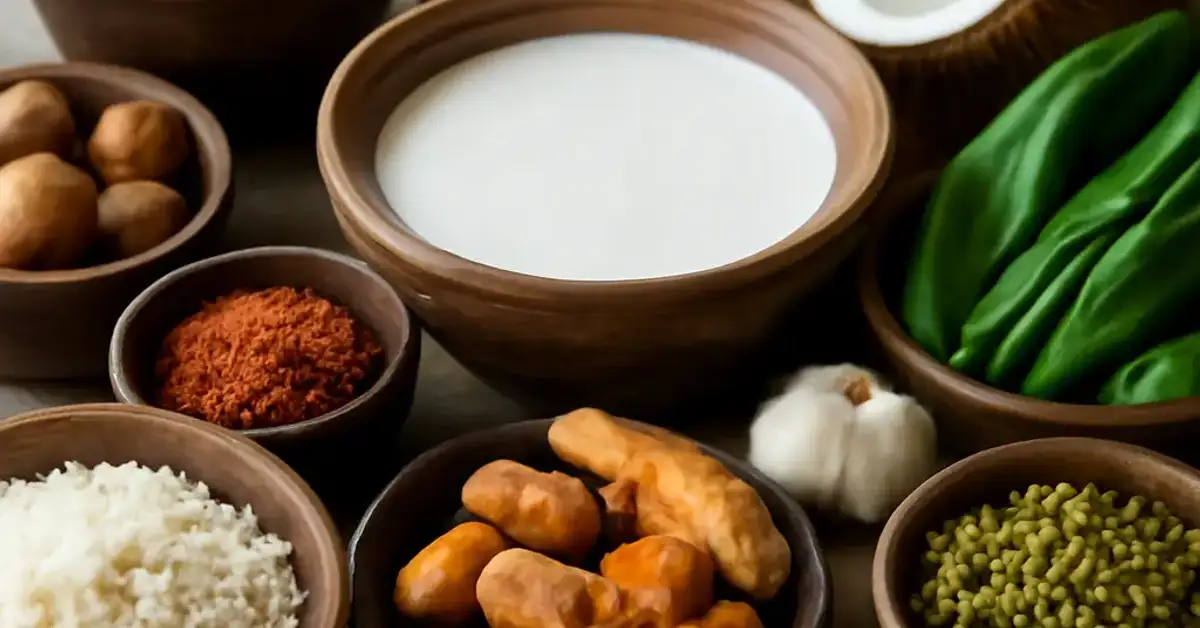
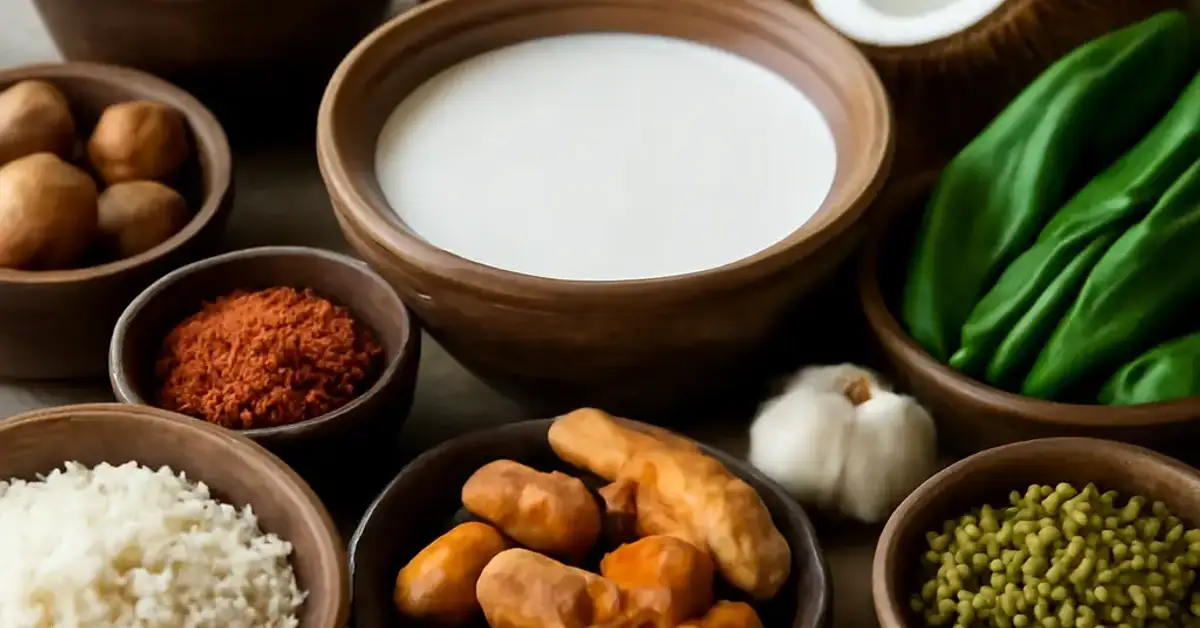
Coconut milk is a staple in both Filipino and Balinese kitchens. In Filipino cuisine in Bali, it is used in savory dishes like ginataang (vegetables and seafood simmered in coconut milk) and in desserts like bibingka (rice cake). The coconut milk available in Bali is exceptionally creamy, thanks to the island’s abundant coconut groves.
Coconut Milk in Traditional Filipino Cooking
Chef Juan uses fresh coconut milk in his Filipino dishes to create a velvety texture that balances spicy and sour elements. “I make a sinigang version with coconut milk — it is not traditional but it is incredibly popular with tourists who want something creamy and comforting,” he explains.
Pairing Coconut Milk with Local Spices
Balinese coconut milk pairs beautifully with ginger, garlic, and local herbs like lemongrass and pandan leaves. This combination creates a Southeast Asian cuisine fusion that feels both familiar and new.
5. Garlic — The Aromatic Base
Garlic is the heartbeat of Filipino flavors. It is used in almost every savory dish, from adobo to pancit, and is often fried until golden and crispy for a topping. Chef Juan goes through kilograms of garlic every week.
Garlic’s Role in Filipino Dishes
In traditional Filipino cooking, garlic is sautéed with ginger and onions to form the flavor base of soups and stir-fries. Chef Juan also makes garlic rice — a simple dish of fried rice with crunchy garlic — that he serves alongside sisig and lechon.
Balinese Garlic Varieties
Bali produces small, pungent garlic cloves that are perfect for authentic Filipino recipes. “The garlic here has a sharper bite, which I love,” Chef Juan says. “It stands up well to vinegar and soy sauce.”
6. Ginger — Warmth and Digestion
Ginger is a key ingredient in Filipino cuisine in Bali, valued for its warmth and digestive properties. It is used in soups like sinigang and in marinades for meats. Chef Juan often grates fresh ginger into his adobo for an extra layer of complexity.
Ginger in Filipino Beverages
Beyond savory dishes, ginger is also steeped into salabat, a traditional Filipino tea made with fresh ginger and honey. Chef Juan serves this warm drink to guests after meals as a digestive aid and a taste of Filipino hospitality.
Fresh Ginger from Balinese Markets
“Local ginger is never dried out,” Chef Juan notes. “It is juicy and fragrant, which makes a huge difference in the final dish.”
7. Banana Leaves — The Natural Wrapper and Steamer
Banana leaves are not an ingredient you eat, but they are essential to Filipino culinary culture. They are used as wrappers for steaming or grilling, as liners for serving platters, and as natural flavor infusers. In Bali, banana leaves are abundant and used by Chef Juan in dishes like pancit and lumpia.
Why Banana Leaves Matter
Banana leaves impart a subtle earthiness and prevent food from sticking. When grilling sisig or lechon, wrapping the meat in banana leaves keeps it moist and adds a hint of tropical aroma. Chef Juan also uses banana leaves to line bamboo baskets for serving rice.
Balinese Banana Leaves
“Banana leaves here are broad and pliable, perfect for wrapping lumpia or making puso (rice cooked in woven palm leaves). They connect my cooking to the land,” Chef Juan reflects.
How Local Balinese Ingredients Enhance Filipino Recipes
Chef Juan’s philosophy is that Filipino cuisine in Bali should honor both the Philippines and the island that now hosts him. By combining signature Filipino ingredients with fresh local produce — such as Balinese long beans, water spinach, and turmeric — each dish becomes a conversation between two island cultures.
Using Local Herbs and Tropical Ingredients
Local herbs like lemongrass, kaffir lime leaves, and torch ginger add aromatic layers to authentic Filipino recipes. Chef Juan uses them in his sinigang broth to deepen the flavor, creating a version that is more fragrant than the original.
Fresh Local Produce in Traditional Cooking
Fresh local produce such as baby eggplant, cherry tomatoes, and young jackfruit find their way into Filipino dishes like pancit and lumpia. “When guests taste the crunch of Balinese vegetables wrapped in lumpia, they understand why I love cooking here,” Chef Juan says.
Which Filipino Dishes Showcase These Signature Ingredients
To truly experience these signature ingredients, you need to taste the dishes that define Filipino cuisine in Bali. Here are a few that Chef Juan recommends:
| Dish | Key Ingredients | Best For |
|---|---|---|
| Adobo | Vinegar, soy sauce, garlic, ginger | A classic, tangy braised meat dish |
| Sinigang | Calamansi, ginger, local herbs | A sour soup perfect for Bali’s warm evenings |
| Sisig | Vinegar, calamansi, garlic, banana leaves | A sizzling, crispy pork dish that is a crowd favorite |
| Lechon | Garlic, ginger, banana leaves | Roasted pig with crispy skin, often served at celebrations |
| Pancit | Soy sauce, calamansi, garlic | Stir-fried noodles, a staple at gatherings |
| Lumpia | Garlic, soy sauce, banana leaves | Fried spring rolls with a crunchy vegetable filling |
Where Can I Enjoy Authentic Filipino Cuisine in Bali
If you are visiting Bali and craving authentic Filipino cuisine, head to Kilig Filipino Warung in Ubud. Chef Juan and his team serve Filipino specialties made with local ingredients and the signature ingredients described above. For a more private experience, Chef Juan also offers curated villa dinners where guests can enjoy a personalized menu that tells a story through food.
Restaurant Recommendations for Filipino Food in Bali
Beyond Kilig, Filipino restaurant Bali options include a handful of pop-ups and warungs in Seminyak and Canggu. However, Chef Juan’s establishment remains the go-to for Filipino food in Bali because of his commitment to traditional Filipino cooking and Filipino hospitality.
Practical Tips for First-Time Visitors to Filipino Restaurants in Bali
What should first time visitors know about Filipino cooking? Here are Chef Juan’s tips:
- Embrace sourness. Dishes like sinigang and adobo rely on vinegar and calamansi. If you like tangy flavors, you will love Filipino food.
- Try the rice. Filipino meals are always paired with steamed rice to balance strong flavors.
- Ask about local ingredients. Chefs like Juan love to explain how Balinese produce enhances each dish.
- Share. Filipino culinary culture is communal. Order several dishes to share with your group.
- Save room for dessert. Tropical ingredients like coconut milk and calamansi shine in sweet treats like bibingka and halo-halo.
Why Fresh Tropical Ingredients Make Filipino Cuisine in Bali Memorable
The Bali food guide is incomplete without a mention of Filipino cuisine in Bali. The marriage of signature Filipino ingredients with the island’s fresh local produce creates a culinary experience that is both authentic and innovative. Food tourism Bali travelers often tell Chef Juan that his dishes remind them of home — even if they have never been to the Philippines. For a related guide, see 9 Filipino Dining Trends Influencing Bali’s Culinary Scene.
“The island cuisine of the Philippines and Bali share a love for fresh, tropical ingredients,” Chef Juan reflects. “When I use Balinese coconut milk in a Filipino dish, I am not taking away its authenticity; I am adding a layer of place and story.”
Useful Resources
For more information on Filipino cuisine, visit the official tourism board site for the Philippines: Philippine Culinary Travel Guide. To explore Balinese food culture further, check out Bali Food Culture and Traditions.
Conclusion: The Timeless Appeal of Signature Ingredients Behind Filipino Cuisine in Bali
Chef Juan Gadi’s journey from Manila to Ubud is a testament to the power of signature Filipino ingredients. Through vinegar, soy sauce, calamansi, coconut milk, garlic, ginger, and banana leaves, he weaves together the stories of two island nations. For anyone exploring Filipino cuisine in Bali, these ingredients are the keys to understanding a culinary culture that is both deeply rooted and endlessly adaptable.
Whether you are a traveler seeking authentic Filipino cuisine, a fellow chef looking for inspiration, or a home cook wanting to recreate Filipino flavors, remember that the best dishes come from respecting tradition while embracing the local ingredients around you. In Bali, that means letting the island’s tropical ingredients shine alongside the signature Filipino ingredients that have been loved for generations.
Frequently Asked Questions About Signature Ingredients Behind Filipino Cuisine in Bali
What are the 7 signature ingredients behind Filipino cuisine in Bali ?
The seven signature ingredients are vinegar, soy sauce, calamansi, coconut milk, garlic, ginger, and banana leaves. These form the foundation of authentic Filipino cuisine in Bali.
Why are these ingredients essential to Filipino cooking?
Each ingredient brings a specific function: vinegar preserves and tenderizes, soy sauce adds umami, calamansi provides acidity, coconut milk gives richness, garlic and ginger build aromatic depth, and banana leaves infuse subtle flavor while serving as natural wrappers.
How do local Balinese ingredients enhance Filipino recipes?
Balinese coconut milk is creamier, local ginger is juicier, and banana leaves are broader and more pliable. These local ingredients elevate the texture, aroma, and flavor of traditional Filipino cooking.
Which Filipino dishes showcase these signature ingredients?
Adobo, sinigang, sisig, lechon, pancit, and lumpia all highlight these ingredients. Each dish demonstrates the balance of sour, salty, savory, and rich flavors typical of Filipino cuisine in Bali.
Where can I enjoy authentic Filipino cuisine in Bali ?
Visit Kilig Filipino Warung in Ubud, run by Chef Juan Gadi. He also hosts private villa dinners for a more intimate culinary experience.
How do Filipino chefs source fresh ingredients in Bali?
Chefs like Juan work directly with local farmers and markets in Ubud and surrounding villages, selecting fresh local produce such as herbs, vegetables, and coconut milk daily.
What makes Filipino flavors unique compared with other Southeast Asian cuisines?
Filipino cuisine emphasizes sourness (from vinegar and calamansi) and saltiness (from soy sauce) over the spicy heat typical of Thai or Indonesian food. Filipino dishes also rely heavily on garlic and ginger as foundational aromatics.
Which ingredient gives Filipino food its distinctive taste?
Calamansi is the most distinctive signature Filipino ingredient. Its unique tart-sweet citrus flavor cannot be replicated by lemons or limes, and it appears in marinades, soups, and dipping sauces.
What should first time visitors know about Filipino cooking?
First-time visitors should know that Filipino meals are communal, often served with rice, and feature bold sour and savory flavors. Do not be shy about asking for recommendations — Filipino hospitality is warm and generous.
Why do fresh tropical ingredients make Filipino cuisine in Bali so memorable?
The freshness of Balinese local herbs, tropical ingredients, and coconut milk amplifies the natural flavors of Filipino dishes. Eating a dish made with just-picked ginger and banana leaves creates a sensory experience that stays with you.
What is the role of vinegar in Filipino cuisine?
Vinegar acts as a preservative, a tenderizer, and a souring agent. It is the key ingredient in adobo and many stews, helping balance the richness of pork and chicken.
Can I find Filipino dishes in Bali other than adobo?
Yes. In addition to adobo, you can enjoy sinigang, sisig, pancit, lumpia, and lechon at Filipino restaurant Bali options like Kilig Filipino Warung.
What is sisig and why is it popular in Bali?
Sisig is a sizzling dish of chopped pork face, ears, and liver seasoned with calamansi, vinegar, and garlic. Its crispy, tangy flavor profile appeals to locals and tourists alike, making it a star on Bali’s food scene.
How do banana leaves affect the taste of Filipino food?
Banana leaves impart a subtle, grassy aroma to foods cooked or served on them. They also keep meats moist during grilling and add a visual touch that connects the dish to Filipino culinary culture.
Is Filipino cuisine in Bali spicy?
Generally, Filipino flavors are not very spicy. The heat level is mild compared to Thai or Indonesian food. Instead, the cuisine focuses on sourness, saltiness, and richness.
What dessert should I try at a Filipino restaurant in Bali?
Bibingka (rice cake with coconut milk) and halo-halo (shaved ice dessert with fruits and beans) are excellent choices. Both use tropical ingredients that pair perfectly with Bali’s warm climate.
How does Chef Juan Gadi incorporate Balinese culture into his dishes?
Chef Juan uses local herbs like lemongrass and turmeric, Balinese coconut milk, and fresh local produce to create authentic Filipino recipes that reflect the island’s bounty while staying true to Filipino culinary culture.
Can I take a cooking class to learn about Filipino cuisine in Bali ?
Yes, several culinary experiences in Ubud offer private cooking classes with Chef Juan, where you will learn to prepare Filipino dishes using local ingredients.
Where can I buy Filipino ingredients in Bali?
You can find calamansi, banana leaves, and coconut milk at local markets in Ubud and Seminyak. Specialty stores also carry imported soy sauce and vinegar.
Why is Filipino hospitality mentioned so often in food reviews in Bali?
Filipino hospitality is known for being warm, generous, and family-like. When you dine at a Filipino restaurant Bali has, you are treated not just as a customer but as a guest, which enhances the overall culinary experience.
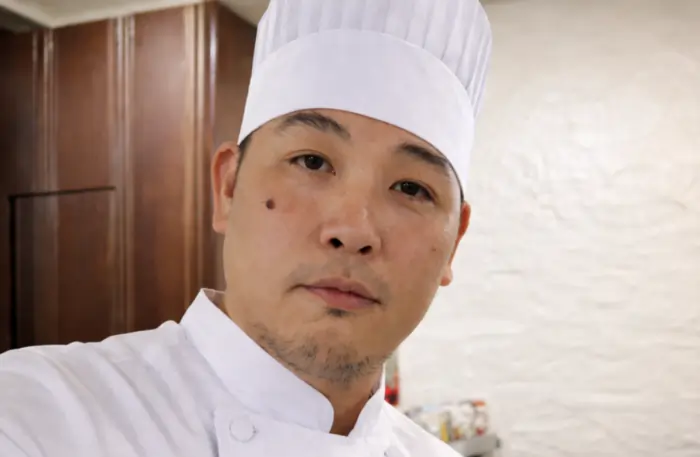
Chef Juan Gadi brings the heart of Filipino hospitality to Ubud, Bali. As an Executive Chef and consultant, he specializes in creating intimate, curated dining experiences that tell a story through every dish. Whether leading the kitchen at Kilig Filipino Warung or hosting a private villa dinner, Chef Juan’s approach is defined by warmth, modern technique, and a commitment to culinary excellence.