Modern Filipino Dining Trends Shaping Bali Restaurants Key Takeaways
Modern Filipino dining trends shaping Bali restaurants are transforming the island into a vibrant hub for Southeast Asian cuisine lovers.
- Modern Filipino dining trends shaping Bali restaurants emphasize farm-to-table sourcing, sustainable sourcing, and the use of local Balinese ingredients.
- Filipino chefs in Bali are creatively reimagining classics like adobo , sinigang , and kare kare with modern food presentation and chef inspired menus.
- Travelers can experience these trends at dedicated Filipino restaurants in Bali , pop-ups, and exclusive private dinners curated by experts like Chef Juan Gadi.
Why Modern Filipino Dining Trends Shaping Bali Restaurants Matter for Travelers
Bali has long been a magnet for food lovers, with its bustling Bali food scene drawing culinary travelers from every corner of the globe. Over the past few years, however, a new wave of modern Filipino cuisine has quietly but confidently made its mark on the island. This movement is not just about serving authentic Filipino cuisine — it is about transforming it into a Filipino culinary experience that feels fresh, intentional, and deeply connected to place.
As an Executive Chef based in Ubud, I have witnessed firsthand how Filipino flavors resonate with international palates when presented with creativity and respect. The Filipino culinary trends emerging in Bali are attracting food tourism Bali visitors who crave something beyond the expected. Whether you are a digital nomad, a family on holiday, or a seasoned culinary explorer, these trends offer a delicious window into the soul of the Philippines — served with a side of Balinese warmth.
1. Farm-to-Table Filipino: Local Ingredients, Global Soul
One of the most exciting modern Filipino dining trends shaping Bali restaurants is the embrace of farm to table dining. Instead of importing all ingredients from the Philippines, smart Filipino chefs are turning to Bali’s abundant local farms. Sustainable sourcing means that dishes like sinigang (a tangy tamarind soup) might feature locally grown water spinach and organic tomatoes, while kare kare (peanut stew) is enriched with Balinese peanuts and fresh vegetables. For a related guide, see 9 Filipino Dining Trends Influencing Bali’s Culinary Scene.
This approach not only supports the local economy but also adds a unique terroir to each plate. At Kilig Filipino Warung in Ubud, we source our turmeric, lemongrass, and chillies from nearby farmers, ensuring that every spoonful of sisig or bowl of pancit carries the freshness of the island.
Why This Trend Is Growing
Travelers today are more conscious about where their food comes from. They want to know that their Filipino fusion cuisine is made with integrity. By combining heritage recipes with locally sourced produce, Filipino restaurants in Bali create a dining experience that feels both authentic and forward-thinking.
2. Elevated Street Food: Sisig, Lumpia, and Beyond
Street food is the heartbeat of Filipino specialties, and Bali’s chefs are elevating it to new heights. Gone are the days when lumpia (spring rolls) were only found at night markets. Today, they appear as beautifully plated appetizers at Filipino restaurant Bali venues, filled with Balinese free-range pork and served with house-made dipping sauces.
Sisig, the sizzling chopped pork dish, has become a star on many menus. Chefs are playing with the recipe by adding local twists — think sisig with smoked duck or a vegetarian version using jackfruit. This ability to honor the original while innovating is what defines contemporary Filipino dining.
The Role of Food Presentation
Modern diners eat with their eyes first. Food presentation in Bali’s Filipino restaurants is a far cry from the utilitarian plates of decades past. Edible flowers, microgreens, and artistic drizzles of sauce turn each dish into a visual masterpiece, making it perfect for food tourism Bali photography and social sharing.
3. Shared Dining Experiences: The Heart of Filipino Hospitality
Filipino culture revolves around the concept of salu-salo — a communal meal where everyone shares. This tradition has been beautifully adapted in Bali through shared dining experiences. Instead of individual plates, guests are encouraged to order multiple dishes and pass them around the table, just like a family feast at home.
This trend fits perfectly with the island dining ethos of Bali, where meals are long, leisurely, and social. Restaurants are designing chef inspired menus specifically for sharing, featuring a medley of Filipino fusion food — from adobo to lechon — that encourages conversation and connection.
Why Shared Dining Appeals to International Visitors
For many travelers, exploring a new cuisine can be intimidating. Shared dining lowers the barrier, allowing guests to sample a little bit of everything. It also embodies Filipino hospitality, where the host’s generosity is shown through abundance.
4. Heritage Recipes Meet Modern Techniques
One of the most compelling modern Filipino dining trends shaping Bali restaurants is the marriage of heritage recipes with modern culinary science. Filipino chefs in Bali are not simply reheating grandmother’s stew — they are deconstructing it, reimagining it, and presenting it in ways that surprise and delight.
Take adobo, for example. Traditionally, adobo is a braise of meat in vinegar, soy sauce, and garlic. In Bali, you might find an adobo where the pork belly is first sous-vide for twelve hours, then crisped on the grill, and finished with a reduction of the traditional marinade. The soul of the dish remains intact, but the execution is unmistakably modern.
This approach is what sets modern Filipino cuisine apart from traditional eateries. It respects the past while confidently stepping into the future.
How Filipino Chefs Combine Traditional Recipes with Modern Techniques
Chefs are using sous-vide, fermentation, and molecular gastronomy to extract deeper flavors from classic ingredients. For sinigang, the sourness might come from a fermented calamansi gel rather than fresh tamarind. For pancit, noodles might be made in-house using local rice flour. These techniques add complexity and surprise without losing the dish’s familiar comfort.
5. The Rise of Filipino Chefs in Bali’s Culinary Scene
Behind every great Filipino restaurant Bali is a passionate Filipino chef who has chosen the island as their canvas. These chefs bring with them a deep understanding of Filipino flavors and a desire to share their culture through food. Many have trained internationally, worked in Michelin-starred kitchens, or run successful restaurants back home.
Chef Juan Gadi, for instance, leads the kitchen at Kilig Filipino Warung and also hosts private villa dinners that offer an intimate Filipino culinary experience. This dual approach — running both a casual eatery and an exclusive dining service — reflects the versatility of Filipino chefs in Bali.
How Filipino Chefs Are Shaping the Bali Dining Guide
As more Filipino chefs open venues and collaborate with Balinese hospitality groups, they are becoming essential contributors to the Bali dining guide. Their restaurant innovation inspires other Southeast Asian cuisine establishments to think creatively about tradition and modernity.
6. Modern Filipino Cuisine as a Driver of Culinary Tourism
Culinary tourism is one of the fastest-growing segments of travel, and Bali is a prime destination. Travelers are no longer satisfied with generic buffet spreads; they want stories behind the food. Modern Filipino dining trends shaping Bali restaurants provide exactly that — narratives of migration, adaptation, and love for Filipino specialties.
Food-focused travelers actively seek out Filipino cuisine in Bali because it offers something distinct from Thai, Vietnamese, or Indonesian fare. The bold, tangy, savory, and sometimes sweet profiles of Filipino food in Bali create a memorable sensory journey.
Why Travelers Should Explore Modern Filipino Dining in Bali
For anyone who loves discovering new flavors, modern Filipino dining in Bali is a revelation. It combines the best of two worlds: the soulful cooking of the Philippines and the natural bounty of Bali. Whether you are a food enthusiast or a casual diner, the experience will expand your palate and deepen your appreciation for Southeast Asian cuisine.
7. Sustainability and Eco-Conscious Kitchen Practices
Another defining modern Filipino dining trend shaping Bali restaurants is a commitment to sustainability. This goes beyond sustainable sourcing to include zero-waste cooking, composting, and reducing plastic use. Filipino chefs in Bali are finding creative ways to use every part of an ingredient — lechon leftovers become sisig, vegetable peels become stock for sinigang.
This ethos resonates with the island’s environmentally conscious visitors. By choosing a Filipino restaurant Bali that prioritizes sustainability, diners can enjoy their meal with a clear conscience.
How Restaurants Preserve Filipino Heritage While Innovating Sustainably
Balancing tradition with eco-friendly practices requires ingenuity. For instance, rather than using imported pork for lechon, some restaurants work with local Balinese pig farmers who use ethical, free-range methods. This preserves the integrity of the dish while supporting the local food system.
8. The Influence of Balinese Ingredients on Filipino Cooking
What role do local Balinese ingredients play in Filipino cooking? A significant one. The tropical climate of Bali offers a year-round supply of fresh fruits, herbs, and spices that Filipino chefs are embracing with enthusiasm. Coconut milk from Balinese coconuts enriches kare kare; Balinese sea salt elevates adobo; and local vanilla beans add depth to halo halo desserts.
This cross-pollination of ingredients creates a Filipino fusion cuisine that is distinctly Balinese. It also makes each dish taste of the place where it is served — a concept that modern food culture prizes highly.
Where Can I Experience Contemporary Filipino Dining in Bali?
Several venues are leading the charge. Kilig Filipino Warung in Ubud offers a cozy, family-style setting where guests can sample a wide range of dishes. For a more exclusive experience, Chef Juan Gadi’s private villa dinners provide a curated evening of storytelling and fine dining. These experiences are designed to showcase the best of Filipino specialties while celebrating Balinese ingredients.
9. The Rise of Chef-Inspired and Tasting Menus
The final trend among the 9 modern Filipino dining trends shaping Bali restaurants is the adoption of chef inspired menus and tasting flights. Instead of a static menu, some restaurants now offer a multi-course journey that changes with the seasons and the chef’s inspiration.
These tasting menus might begin with an amuse-bouche of lumpia with Balinese basil, progress through a rich kare kare made with local peanuts, and end with a playful deconstructed halo halo. Each course is paired with a story about the dish’s origin and the chef’s creative choices.
Why This Trend Attracts International Visitors
International visitors, especially those from North America, Europe, and Australia, are familiar with tasting menus and appreciate the artistry behind them. Seeing Filipino fusion food presented in this elevated format signals that modern Filipino cuisine has earned its place on the global stage. It also encourages cultural dining — a deeper engagement with the food beyond the purely gustatory.
Useful Resources
For more insights into Filipino cuisine and Bali’s dining scene, check out these trusted resources:
- Food and Wine’s Bali Dining Guide — A comprehensive overview of the island’s best culinary experiences, including emerging Filipino offerings.
- The New York Times on the Global Rise of Filipino Food — An in-depth look at how Filipino chefs worldwide are redefining their cuisine.
Your Invitation to Taste Modern Filipino Dining Trends Shaping Bali Restaurants
Bali is no longer just about nasi goreng and satay. The modern Filipino dining trends shaping Bali restaurants have arrived, and they are here to stay. Whether you are a first-time visitor or a seasoned repeat traveler, the Filipino culinary experience on this island will surprise, comfort, and inspire you.
I invite you to join me at Kilig Filipino Warung in Ubud or book a private villa dinner for an unforgettable evening. Let me share with you the stories of Filipino specialties — from adobo to halo halo — and show you how Filipino hospitality makes every meal feel like a homecoming. Come taste the future of Filipino cuisine, rooted in tradition and grown in Bali.
Frequently Asked Questions About Modern Filipino Dining Trends Shaping Bali Restaurants
What are the 9 modern Filipino dining trends shaping Bali restaurants ?
The 9 trends are: farm-to-table Filipino dining, elevated street food (sisig, lumpia), shared dining experiences, heritage recipes with modern techniques, the rise of Filipino chefs in Bali, culinary tourism drivers, sustainability practices, use of local Balinese ingredients, and chef-inspired tasting menus. For a related guide, see 12 Modern Filipino Dishes You Can Experience in Bali.
How are Filipino restaurants in Bali evolving?
They are evolving from simple home-style eateries to sophisticated restaurants that emphasize creative food presentation, sustainable sourcing, and immersive dining experiences while keeping authentic Filipino cuisine at their core.
Why is modern Filipino cuisine becoming popular among travelers?
Travelers are drawn to its bold, unique flavors that are distinct from other Southeast Asian cuisines, combined with the warmth of Filipino hospitality and the creative, modern interpretations offered by talented chefs.
How do Filipino chefs combine traditional recipes with modern techniques?
They use sous-vide, fermentation, and molecular gastronomy to enhance classic dishes like adobo and sinigang, preserving the original soul while adding complexity and visual appeal.
What role do local Balinese ingredients play in Filipino cooking?
Local ingredients such as Balinese coconut milk, peanuts, sea salt, and tropical fruits infuse Filipino dishes with a unique terroir, creating a fusion that reflects Bali’s agricultural bounty.
Where can I experience contemporary Filipino dining in Bali?
Top spots include Kilig Filipino Warung in Ubud for casual family-style meals, and private villa dinners hosted by Chef Juan Gadi for an exclusive, curated culinary journey.
What dining trends are attracting international visitors to Filipino restaurants in Bali ?
Farm-to-table sourcing, shared dining, tasting menus, and elevated street food presentations are major draws, offering both comfort and novelty to international palates.
How do restaurants preserve Filipino heritage while innovating?
By staying true to the core flavors and techniques of heritage recipes while updating ingredients, plating, and cooking methods to appeal to modern diners and sustainability standards.
What makes modern Filipino restaurants different from traditional eateries?
Modern Filipino restaurants prioritize artistic food presentation, locally sourced ingredients, chef-driven innovation, and immersive dining experiences, whereas traditional eateries focus on rustic, home-style cooking.
Why should travelers explore modern Filipino dining in Bali?
It offers a unique opportunity to taste the soul of the Philippines reimagined through the lens of Bali’s local ingredients and culture, making for an unforgettable culinary adventure.
Is adobo really different in Bali?
Yes. Many chefs use sous-vide techniques or add local spices and Balinese palm sugar, giving the classic adobo a refined texture and a subtle island twist.
Can I find vegetarian Filipino dishes in Bali?
Absolutely. Many Filipino restaurants in Bali offer vegetarian versions of sinigang, kare kare, and sisig using jackfruit, mushrooms, and tofu, all sourced locally.
What is a typical shared dining experience like at a Filipino restaurant in Bali?
Guests order several dishes to share — such as adobo, lumpia, pancit, and lechon — and enjoy them family-style, often with steamed rice and dipping sauces on the side.
Are Filipino restaurants in Bali expensive?
Prices vary widely. Casual warungs like Kilig are affordable, while private villa dinners and tasting menus are premium experiences that reflect the artistry and exclusivity.
Do Filipino chefs in Bali collaborate with Balinese farmers?
Yes. Many chefs prioritize sustainable sourcing by building direct relationships with local farmers for vegetables, herbs, eggs, and even free-range pork.
What is halo halo, and where can I try it in Bali?
Halo halo is a shaved ice dessert with sweet beans, fruits, jellies, and leche flan. You can find modern versions at Filipino restaurants like Kilig, often topped with Balinese coconut.
How has the Bali food scene embraced Filipino cuisine?
The Bali food scene has warmly welcomed Filipino cuisine through pop-ups, permanent restaurant openings, and collaborations between Filipino and Balinese chefs, enriching the island’s culinary diversity.
What is Chef Juan Gadi’s signature dish?
Chef Juan is known for his deconstructed adobo — sous-vide pork belly with a soy-vinegar glaze — and his intimate storytelling dinners that blend Filipino heritage with modern techniques.
Are Filipino restaurants in Bali suitable for families?
Yes. The shared dining style and welcoming Filipino hospitality make them ideal for families. Many restaurants offer mild versions of dishes for children.
How can I book a private Filipino dining experience in Bali?
You can contact Chef Juan Gadi directly through the Kilig Filipino Warung website or social media to arrange a private villa dinner, perfect for special occasions or intimate groups.
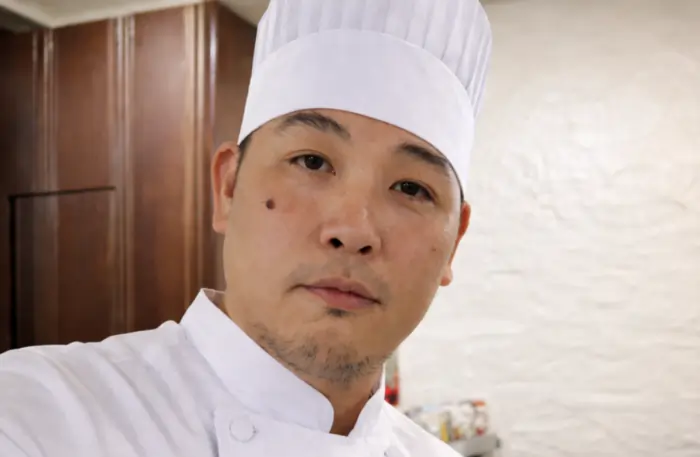
Chef Juan Gadi brings the heart of Filipino hospitality to Ubud, Bali. As an Executive Chef and consultant, he specializes in creating intimate, curated dining experiences that tell a story through every dish. Whether leading the kitchen at Kilig Filipino Warung or hosting a private villa dinner, Chef Juan’s approach is defined by warmth, modern technique, and a commitment to culinary excellence.