Why Ubud Is the Best Place to Experience Bali at a Slower Pace Key Takeaways
Most visitors first encounter Bali through the lens of Kuta or Seminyak — where nightlife and surf breaks define the tempo.
- Why Ubud Is the Best Place to Experience Bali at a Slower Pace — its seamless blend of nature, culture, and wellness creates a natural sanctuary for unhurried exploration.
- From the iconic Tegallalang Rice Terraces to tranquil meditation retreats , every corner of Ubud encourages you to pause and connect.
- Chef Juan Gadi’s Filipino-inspired dining philosophy mirrors Ubud’s pace: intentional, story-driven, and rooted in authentic connections with land and community.
What Makes Ubud Different from Other Destinations in Bali
Most visitors first encounter Bali through the lens of Kuta or Seminyak — where nightlife and surf breaks define the tempo. Ubud flips that script entirely. Here, the currency is calm. The soundtrack is not thumping bass but the rustle of palm fronds and the distant chant of a local temple ceremony. The island’s cultural heart of Bali beats strongest in Ubud, where traditions are not staged for tourists but woven into daily life. For a related guide, see Why Bali Is More Than Just a Beach Destination: 7 Unique Experiences You Can’t Miss.
As an Executive Chef who traded the relentless pace of professional kitchens for the mindful rhythm of Ubud, I discovered that slowing down does not mean doing less. It means doing everything with more intention. That same philosophy defines Ubud: a place where mornings are for nature walks through the Campuhan Ridge Walk, afternoons for exploring artisan workshops, and evenings for sharing stories over a meal that took hours to prepare — and deserves hours to enjoy.
The Role of Balinese Culture in Shaping Ubud’s Rhythms
Ubud has long been the island’s artistic and spiritual nucleus. Royal courts once patronized painters, dancers, and woodcarvers, and that creative energy still permeates the air. Unlike the beach resorts where culture can feel like a performance, Ubud invites participation. You can learn to make canang sari (daily offerings) from a local family, join a yoga retreats session at sunrise, or simply sit and watch a cultural performances at the Ubud Palace. This immersion is what makes Ubud the best place in Bali for travelers seeking authentic Bali rather than a curated version of it.
Best Attractions to Visit in Ubud for a Slow Travel Experience
You could spend a month in Ubud and still leave with a list of places you meant to see. But slow travel Bali is not about ticking boxes. It is about choosing a few Ubud attractions and letting them unfold at their own pace. Here are the essential experiences that embody the unhurried spirit of the region.
Tegallalang Rice Terraces
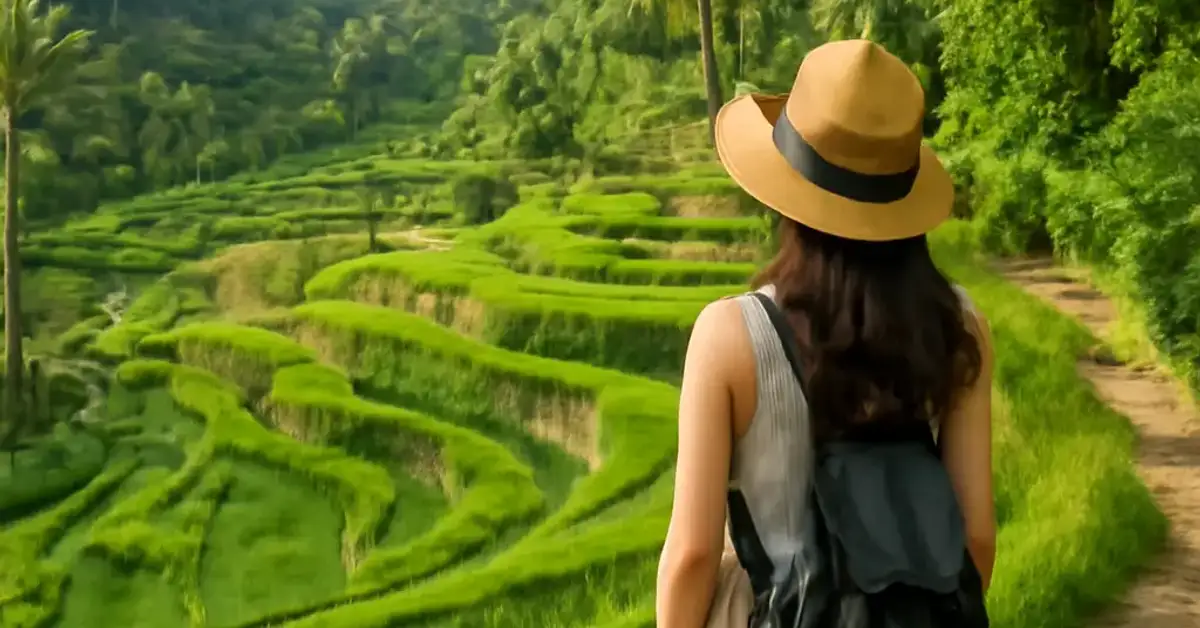
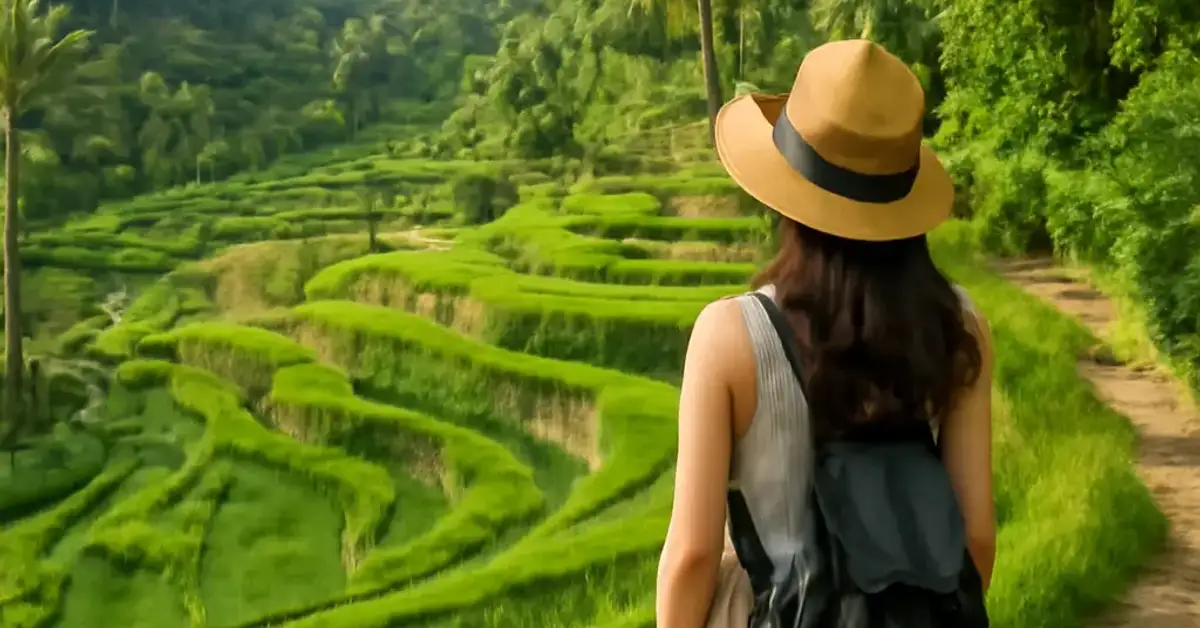
The Tegallalang Rice Terraces are perhaps the most photographed landscape in Bali — and for good reason. Carved into the hillside centuries ago, the emerald steps follow the ancient subak irrigation system, a UNESCO-recognized cooperative water management practice that reflects the Balinese philosophy of harmony. Arrive early, before the tour buses, and you will have the terraces almost to yourself. Walk the narrow paths between paddies, listen to the water trickling through bamboo pipes, and watch farmers tend to their crops with the same methods their ancestors used. It is a living museum of agriculture, patience, and community.
Sacred Monkey Forest
The Sacred Monkey Forest is more than a sanctuary for long-tailed macaques; it is a three-in-one experience of nature, temple, and conservation. The forest itself is a dense pocket of ancient trees, moss-covered statues, and three local temples that date back to the 14th century. Walking the shaded pathways feels like stepping into a myth. The monkeys — curious, cheeky, and occasionally mischievous — remind you that you are a guest in their home. Spend an hour or an entire morning; the forest rewards those who move slowly and observe closely.
Campuhan Ridge Walk
For a dose of scenic landscapes without leaving town, the Campuhan Ridge Walk is a must. This paved path winds along a grassy ridge between two river valleys, offering panoramic views of the Bali countryside. The walk is short — about two kilometers round trip — but the real magic lies in the details. The golden light of late afternoon, the sound of wind through tall grasses, and the sight of local joggers and artists seeking inspiration. It is a daily reminder that Ubud’s beauty does not require a long drive; it is woven into the town itself.
How Travelers Can Enjoy a Relaxing Vacation in Ubud
Relaxation in Ubud is not synonymous with inertia. The town offers countless ways to unwind actively: through movement, stillness, or simply indulgence in the local café culture. Here is how to craft a Ubud vacation that restores rather than exhausts.
Embrace Wellness Retreats and Spa Experiences
Ubud has earned its reputation as a global hub for wellness retreats and spa experiences. The concentration of meditation retreats, yoga retreats, and holistic healers is unmatched anywhere in Asia. Whether you book a week-long silent retreat at a dedicated center or simply schedule a daily Balinese massage at a jungle resort, the options are abundant. Many wellness retreats Ubud incorporate local ingredients — think turmeric lattes, coconut oil treatments, and herbal compresses — grounding the experience in the island’s natural pharmacy.
Find Your Pace at Local Cafes and Jungle Resorts
Local cafes are the living rooms of Ubud. From the industrial-chic brew bars on Jalan Raya to the bamboo hideaways tucked into the rice fields, each café has a personality. I have spent countless mornings at warungs near the Ubud Art Market, sipping kopi tubruk (Balinese-style coffee with fine grounds at the bottom of the cup) and watching the town wake up. Jungle resorts take the experience further, offering infinity pools overlooking ravines and open-air yoga pavilions suspended in the canopy. Choose accommodation that encourages you to linger rather than leave.
What Cultural Experiences Should Visitors Not Miss in Ubud
Ubud’s identity as a Bali cultural destination runs deeper than temple visits and dance performances. The culture is tactile, edible, and participatory. These are the experiences that connect you to Balinese culture on its own terms.
Ubud Palace and Cultural Performances
The Ubud Palace (Puri Saren Agung) sits at the very center of town, a living complex of intricate stone carvings, flowering courtyards, and ceremonial pavilions. While the palace is open for daytime exploration, the real draw is the evening cultural performances. Traditional Legong and Kecak dances are staged nightly, performed by local troupes that have trained since childhood. The gamelan orchestra’s hypnotic rhythm, the dancers’ precise hand movements, and the flickering oil lamps create an atmosphere that transports you centuries back.
Ubud Art Market and Artisan Workshops
The Ubud Art Market is a riot of color, texture, and craftsmanship. Handwoven textiles, batik sarongs, carved wooden masks, and silver jewelry spill from stalls that line the streets near the palace. Bargaining is expected, but approach it as conversation rather than combat. For a deeper dive, book a session at one of the many artisan workshops around town. You can learn to carve stone like the temple builders, paint in the traditional Kamasan style, or weave baskets from bamboo strips. These workshops are a tangible way to understand why Ubud is the cultural heart of Bali.
Where Are the Most Scenic Places in Ubud
Ubud’s scenic landscapes are not limited to the famous Instagram spots. Some of the most breathtaking views require a short walk or a willingness to get lost.
Waterfalls and Rice Fields
The waterfalls around Ubud — Tegenungan, Kanto Lampo, and Tibumana — each have a distinct character. Tegenungan is powerful and accessible, while Tibumana feels like a secret grotto. Combine a waterfall visit with a walk through nearby rice fields for a full immersion in the Ubud nature. The contrast between the cascading water and the terraced green is the visual definition of peaceful Bali.
Traditional Villages and Bali Countryside
Venture beyond the town center to traditional villages like Penglipuran, where the village layout has remained unchanged for centuries. The Bali countryside reveals a slower way of life: farmers guiding ducks through flooded paddies, women balancing offerings on their heads, and children playing in temple yards. Renting a scooter or hiring a local driver for a day trip through these villages is one of the best things to do in Ubud for those seeking authentic Bali. For a related guide, see Exploring Bali Through Its Morning Rituals and Daily Life.
Why Is Ubud Popular for Wellness and Yoga Retreats
Ubud’s pull as a wellness and yoga retreats destination is rooted in both geography and philosophy. The town sits at a higher elevation than the coast, which means cooler temperatures and cleaner air — ideal conditions for physical practice and mental clarity. The abundance of jungle resorts with dedicated yoga shalas, combined with a deep respect for traditional healing practices, creates an ecosystem where wellness is not an amenity but a way of life. Meditation retreats range from one-day introductions to month-long silent immersions. Many retreats incorporate local elements like eco tourism principles, organic farm-to-table meals, and ceremonies led by Balinese priests. It is wellness without the pretense.
Best Time to Visit Ubud and How Many Days to Spend
The best time to visit Ubud is during the dry season, from April to October, when the days are sunny and the rice fields are vibrantly green. However, the wet season (November to March) has its own charm: fewer crowds, lower prices, and dramatic cloud formations over the scenic landscapes. Rain usually comes in short bursts, leaving the rest of the day clear for exploration.
As for duration, a minimum of three days allows you to hit the major Ubud attractions without rushing. Five to seven days gives you room to enjoy a wellness retreat, take a cooking class, visit traditional villages, and simply sit in a café watching the world go by. That is the Ubud way.
My Perspective as Chef Juan Gadi: Why Ubud Inspires a Slower, More Intentional Kitchen
I came to Ubud after years of running high-pressure kitchens in Manila and beyond. Here, I found that the best meals are not the fastest ones. They are the ones that begin with a conversation with a farmer at the Ubud Art Market, evolve through a walk through the Tegallalang Rice Terraces to understand where the rice comes from, and end with a dish that tells the story of both the cook and the land. At Kilig Filipino Warung, we do not rush our sauces, our marination, or our guests. Ubud taught me that slow travel is not a luxury; it is the only way to truly taste a place. Whether you are here for a tropical getaway or a deep dive into Bali culture, allow yourself the time to sit with a meal, a view, or a conversation. That is where the magic lives.
Useful Resources
To deepen your Ubud travel guide knowledge and plan your own Bali itinerary, explore these helpful external sources:
- Indonesia’s official tourism page for Ubud — authoritative information on attractions, culture, and travel logistics from the Ministry of Tourism.
- Lonely Planet’s Ubud Guide — trusted travel advice on Ubud experiences, accommodation, and local tips.
Frequently Asked Questions About Why Ubud Is the Best Place to Experience Bali at a Slower Pace
Why is Ubud the best place to experience Bali at a slower pace?
Ubud’s inland location, temperate climate, and deep cultural roots naturally encourage a relaxed rhythm. The town prioritizes wellness, nature, and tradition over nightlife and mass tourism, making it easy to disconnect from hurry.
What makes Ubud different from other destinations in Bali?
Unlike the coastal areas that revolve around beaches and parties, Ubud is the cultural heart of Bali, offering a slower, more immersive experience centered on art, spirituality, and landscape.
What are the best attractions to visit in Ubud?
Top attractions include the Tegallalang Rice Terraces, Sacred Monkey Forest, Campuhan Ridge Walk, Ubud Palace, and the Ubud Art Market.
How can travelers enjoy a relaxing vacation in Ubud?
Stay in a jungle resort, book daily spa experiences, join yoga retreats, and spend afternoons at local cafes with a book rather than running through a checklist.
What cultural experiences should visitors not miss?
Attend a cultural performance at Ubud Palace, browse the Ubud Art Market, and participate in artisan workshops like batik or wood carving.
Where are the most scenic places in Ubud?
The Tegallalang Rice Terraces, Campuhan Ridge Walk, and nearby waterfalls such as Tegenungan and Tibumana are the most scenic spots.
Why is Ubud popular for wellness and yoga retreats ?
Ubud’s cool climate, serene natural landscapes, and abundance of dedicated meditation retreats and yoga retreats make it a global wellness capital.
What is the best time to visit Ubud?
The dry season from April to October offers the best weather, but the wet season provides fewer crowds and lush green rice fields.
How many days should travelers spend in Ubud?
A minimum of three days covers the highlights, but five to seven days allows for a true slow travel experience with wellness retreats and day trips.
Why is Ubud considered the cultural heart of Bali ?
Ubud has been the center of Balinese arts, dance, and spirituality for centuries. Its royal palace, temples, and thriving artisan workshops preserve traditions that remain active today.
Is Ubud suitable for solo travelers?
Absolutely. Ubud’s welcoming atmosphere, abundance of yoga retreats, and social local cafes make it one of the best places in Bali for solo travelers seeking connection and peace.
Can I experience Ubud on a budget?
Yes. Many Ubud attractions like the Campuhan Ridge Walk and rice fields are free, and affordable local cafes and homestays keep costs low without sacrificing authenticity.
What should I pack for a trip to Ubud?
Lightweight clothing, a rain jacket for the wet season, comfortable walking shoes for nature walks, and a sarong for temple visits are essential.
Are there family-friendly activities in Ubud?
Yes. The Sacred Monkey Forest, waterfall visits, and family-friendly wellness retreats with kids’ programs make Ubud a great choice for families.
How do I get around Ubud?
Walking is the best way to explore the town center. For farther trips, rent a scooter or hire a local driver for day trips to traditional villages and rice fields.
Is Ubud a good destination for a honeymoon?
Yes. Jungle resorts, private spa experiences, and romantic dining create an ideal setting for couples seeking a tropical getaway with privacy and beauty.
What is the local food scene like in Ubud?
Ubud offers everything from traditional Balinese warungs to international cuisine. As Chef Juan Gadi, I recommend trying dishes that use local produce from the Ubud Art Market and taking a cooking class.
Are there digital nomad-friendly spaces in Ubud?
Yes. Many local cafes offer reliable Wi-Fi and a quiet atmosphere, and several co-working spaces have sprung up around town catering to remote workers.
What are the best day trips from Ubud?
Popular day trips include exploring the waterfalls of the north, visiting the Bali countryside around Mount Batur, and touring traditional villages like Penglipuran.
How do I respect local customs while visiting Ubud?
Dress modestly when entering local temples, always use your right hand for giving and receiving, and never touch someone’s head. Participating in a temple ceremony respectfully is also welcomed.
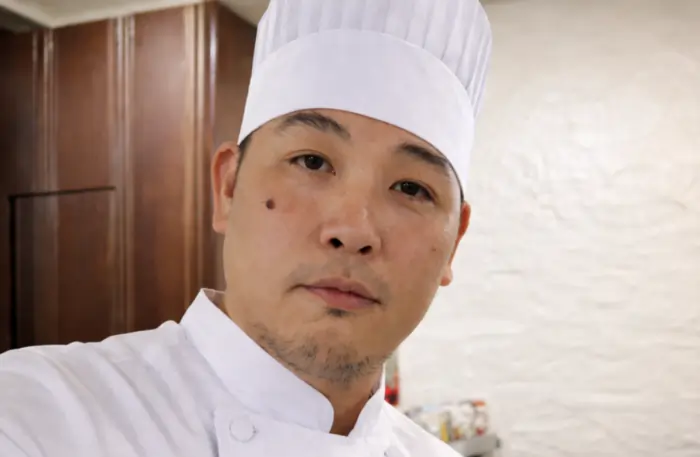
Chef Juan Gadi brings the heart of Filipino hospitality to Ubud, Bali. As an Executive Chef and consultant, he specializes in creating intimate, curated dining experiences that tell a story through every dish. Whether leading the kitchen at Kilig Filipino Warung or hosting a private villa dinner, Chef Juan’s approach is defined by warmth, modern technique, and a commitment to culinary excellence.