

Travelers Discover the Authentic Side of Bali Key Takeaways
For those who venture beyond the busy beach clubs and Instagram-famous swings, travelers discover the authentic side of Bali through quiet village mornings, temple ceremony rhythms, and the warmth of local kitchens.
- Travelers discover the authentic side of Bali most powerfully through homestay village experiences and shared meals with local families.
- Cultural immersion in Bali means participating in temple ceremonies, learning from local artisans, and choosing community-based tourism.
- Meaningful travel in Bali prioritizes respect, slow pace, and genuine human connection over tourist itineraries.

Why Travelers Discover the Authentic Side of Bali Matters for Meaningful Travel
I remember my first real afternoon in Ubud. Not the one spent at a crowded coffee plantation, but the one where a neighbor invited me to her family compound for afternoon prayers and a plate of lawar. That moment changed everything. Travelers discover the authentic side of Bali not through curated tours, but through spontaneous invitations and the vulnerability of curiosity. In a place so famous for its beauty, the real treasure is the genuine welcome behind closed gates.
The Shift from Tourist to Traveler
More and more people are seeking authentic Bali experiences because they sense that the real soul of the island lives outside the resort walls. Real Bali travel experiences happen when you put down the phone and look someone in the eye. Chef Juan Gadi, who left a busy hotel kitchen to open a small warung in Ubud, often says that cultural travel in Bali is about surrender — letting the island teach you its rhythm rather than imposing your schedule on it.
How Can Travelers Discover the Authentic Side of Bali Step by Step
The path to discovering authentic Bali is not a checklist. It is a mindset shift. Here are the seven most effective ways to move from observer to participant.
Step 1: Choose a Homestay in a Local Village
Local villages like Tenganan, Penglipuran, or the rice-terrace hamlets around Sidemen offer stays that no hotel can replicate. Waking up to the sound of roosters and the smell of wood-fired cooking connects you to village life immediately. Your host becomes a guide to local connections that no guidebook can provide.
Step 2: Attend a Temple Ceremony with Respect
Temple ceremonies are the heartbeat of traditional Bali culture. If you see a procession, ask your homestay host if you may observe. Wear a sarong and sash. Sit quietly. Watch how offerings are made, how prayers are offered, and how community gathers. This is not a show — it is cultural immersion at its deepest level.
Step 3: Eat Where the Locals Eat
Forget the brunch cafés for one day. Follow the scooters to a roadside local cuisine warung. Point at what looks good. Let the cook choose for you. Chef Juan Gadi’s Kilig Filipino Warung in Ubud operates on this same principle: food made with love shared between strangers. A bowl of babi guling or a plate of nasi campur in a humble setting teaches you more about Balinese traditions than any cooking class held in a sterile studio.
Step 4: Walk the Rice Fields Before Sunrise
Before the selfie crowd arrives, the rice terraces belong to farmers and early risers. The Campuhan Ridge Walk at dawn or the Jatiluwih terraces just after sunrise offer a hidden side of Bali that feels private and sacred. You will hear the water channels, see kingfishers, and understand why the island is called the Land of the Gods.
What Are the Best Ways to Experience Local Culture in Bali
Bali cultural exploration is best done through active participation, not passive observation. Community tourism initiatives in villages like Jatiluwih, Trunyan, and the Batuan area invite travelers to join daily activities: planting rice, preparing offerings, or learning to play the gamelan.
Learn from Local Artisans
Local artisans in Ubud, Mas, and Batubulan still practice crafts passed down for generations. Instead of buying mass-produced souvenirs, spend an afternoon watching a woodcarver or a batik maker. Many welcome you to try. That connection is authentic travel in its truest form.
Visit Traditional Markets Early
Traditional markets like Ubud Market at 6 a.m. or the Sukawati Art Market before the tourist buses arrive are bursting with local life in Bali. You will see farmers delivering produce, women bargaining for spices, and vendors preparing offerings. Bring small denominations, smile, and practice basic Indonesian phrases. The exchange is often the highlight of the trip.
Why Do Many Visitors Seek Authentic Experiences in Bali
The answer is simple: Bali gives you permission to slow down. In a world that demands productivity, the island offers an alternative. Meaningful travel experiences are becoming more important than collecting passport stamps. Visitors want to feel something real, not just see something beautiful. Immersive travel in Bali satisfies a deep hunger for connection — with culture, with place, and with oneself.
The Trap of Commercialized Bali
Many travelers arrive expecting paradise and find traffic jams in Canggu and pricey cocktails in Seminyak. That is why Bali beyond tourist attractions matters so much. It rescues the trip from disappointment and opens a door to the island that locals love. Responsible travel in Bali begins with choosing experiences that honor the culture rather than consume it.
What Destinations Showcase the Traditional Side of Bali
Authentic destinations in Bali are often the ones without a famous beach club. Here is a short list of places where traditional Bali culture still thrives.
| Destination | Why It Feels Authentic | Best Activity |
|---|---|---|
| Tenganan Village | Bali Aga village with pre-Hindu traditions | Visit the woven double ikat workshops |
| Penglipuran | Perfectly preserved village layout | Morning walk with a local guide |
| Sidemen Valley | Rice terraces without crowds | Trekking and homestay dining |
| Amlapura | Former royal capital, less tourist traffic | Explore water palaces and local markets |
| Munduk | Mountain village with coffee plantations | Clove and coffee farm tour |
How Can Travelers Connect with Local Communities in Bali
Local connections are built through curiosity and humility. Learning a few words of Bahasa Indonesia — suksma for thank you, om swastiastu for greeting — opens doors. When Chef Juan Gadi first moved to Bali, he spent his free days sitting at the warung corner, watching, listening, and offering to help chop vegetables. That willingness to be useful and present is the secret to cultural immersion.
Volunteer in Community Projects
Sustainable tourism projects like teaching English at a local school, helping with beach cleanups, or working with Bali Children’s Foundation create bonds that last long after the trip ends. Responsible tourism is not just about minimizing harm — it is about actively contributing.
What Cultural Activities Offer a Deeper Understanding of Bali
Cultural activities that go beyond surface-level lessons include attending a full moon ceremony at a village temple, joining a traditional customs workshop on making canang sari (daily offerings), or learning the art of Balinese hospitality by helping prepare a family meal. These experiences are available through community tourism networks and local guides, not mass tour operators.
How Do Village Visits Reveal Authentic Balinese Life
A village visit is not a photo op. It is a front-row seat to a way of life built on cooperation, ritual, and respect for nature. In rural Bali, you see the subak (cooperative irrigation system) in action, watch women make offerings from banana leaves, and observe how every action — from building a house to planting rice — is preceded by prayer. Balinese traditions are not performed for tourists; they are lived.
What Role Do Temples and Ceremonies Play in Cultural Experiences
Spiritual experiences in Bali are woven into everyday life. Visiting a temple like Tirta Empul or Besakih is meaningful when you understand the context. Go with a local friend. Ask about the meaning of the offerings. Observe the purification rituals quietly. Cultural heritage is not a backdrop; it is a living practice that demands respect. When you approach it with reverence, the experience becomes transformative.
How Can Tourists Avoid Overly Commercialized Attractions in Bali
The simplest rule: if a place charges a fee just to take a photo, skip it. Discovering authentic Bali means saying no to the swing parks, the dolphin pools, and the fake rice terrace photo spots. Instead, ask locals: “Where do you go on your day off?” That question will lead you to a waterfall without a queue, a beach where fishermen still launch their boats, or a hidden gems warung serving the best sate lilit on the island.
What Hidden Gems Help Travelers Experience the Real Bali
Hidden gems are everywhere if you look. The silent temple of Pura Lempuyang before sunrise. The black sand beaches of Amed where you can watch salt farmers work. The village of Biaung with its ancient animist traditions. Exploring local Bali is a treasure hunt where the reward is not a souvenir but a story.
How Does Local Cuisine Reflect Balinese Culture
Local cuisine is a direct expression of the island’s geography, religion, and history. The use of spices like turmeric, galangal, and kemangi (lemon basil) mirrors the abundance of the volcanic soil. The ritual of offering a small portion of every meal before eating shows the centrality of gratitude. When you taste a dish made by a village grandmother, you taste the island itself. Chef Juan Gadi often says that food is the shortest path to understanding a culture.
Why Is Cultural Immersion Important When Visiting Bali
Cultural immersion turns a vacation into a learning journey. It builds empathy, challenges assumptions, and creates memories that are not just photos but feelings. Meaningful travel experiences are the ones that linger — the taste of a spice, the sound of a chant, the feeling of being welcomed into a home. That is why immersive travel in Bali is worth prioritizing over busy itineraries. For a related guide, see The Growing Appeal of Slow Travel in Bali.
How Can Responsible Travel Support Authentic Experiences in Bali
Responsible travel in Bali means staying in locally owned accommodations, eating at warungs, hiring local guides, avoiding single-use plastic, and respecting sacred spaces. Sustainable tourism is not a buzzword; it is the only way to ensure that future generations can also experience authentic Bali experiences. When you spend money with intention, you support the preservation of cultural heritage and local life in Bali.
What Traditions Can Visitors Respectfully Observe During Their Trip
Balinese traditions you can respectfully observe include the Melasti purification ceremonies before Nyepi, the Ogoh-Ogoh parades, and the daily offerings (canang sari) placed everywhere. Visit during Galungan or Kuningan to see the island decorated with penjor (bamboo poles). Always ask before photographing ceremonies. Dress modestly. Speak softly. Your respect will be remembered.
Why Do Authentic Bali Experiences Create Lasting Travel Memories
Because they involve the heart, not just the eyes. The memory of being invited into a family compound after a temple ceremony, of eating with your hands from a banana leaf, of laughing with a grandmother who speaks no English — these moments imprint. Real Bali travel experiences are not edited, curated, or filtered. They are raw, imperfect, and deeply human. And that is exactly why travelers discover the authentic side of Bali and never forget it. For a related guide, see 10 Reasons Travelers Love Intimate Dining Experiences.
Useful Resources
For deeper insight into community-based tourism and local guides, visit Bali Eco Village for ethical village stays and cultural programs. To learn more about Bali’s culinary traditions and Chef Juan Gadi’s philosophy of hospitality, explore Kilig Filipino Warung in Ubud, where modern technique meets authentic Balinese warmth.
Frequently Asked Questions About Travelers Discover the Authentic Side of Bali
How can travelers discover the authentic side of Bali?
Travelers can discover the authentic side of Bali by staying in local village homestays, participating in temple ceremonies, eating at warungs, and engaging with community-based tourism projects that prioritize genuine cultural exchange.
What are the best ways to experience local culture in Bali?
The best ways include attending a full moon ceremony at a local temple, learning to make offerings, visiting traditional markets at dawn, and taking a cooking class with a village grandmother rather than a commercial studio.
Why do many visitors seek authentic experiences in Bali?
Visitors seek authentic experiences because they want meaningful connections beyond surface-level tourism, a deeper understanding of Balinese spirituality, and memories that feel real rather than manufactured.
What destinations showcase the traditional side of Bali?
Destinations like Tenganan, Penglipuran, Sidemen Valley, Amlapura, and Munduk showcase traditional Balinese life with preserved villages, ancient irrigation systems, and minimal tourist crowds.
How can travelers connect with local communities in Bali?
Travelers connect by learning basic Indonesian phrases, hiring local guides, participating in community projects, and spending time in warungs and village spaces rather than sticking to tourist enclaves.
What cultural activities offer a deeper understanding of Bali?
Activities such as attending temple purification ceremonies, joining offering-making workshops, learning gamelan music, and volunteering with local schools provide deep cultural insight.
How do village visits reveal authentic Balinese life?
Village visits reveal daily rituals like subak irrigation cooperation, offering preparation, and the close-knit social structure that forms the foundation of Balinese community life.
What role do temples and ceremonies play in cultural experiences?
Temples and ceremonies are the spiritual and social anchors of Bali. They offer travelers insight into the island’s Hindu traditions and the communal values that define daily life.
How can tourists avoid overly commercialized attractions in Bali?
Avoid places that charge entry just for photos, research community-based tours, ask locals for recommendations, and skip attractions marketed heavily on social media.
What hidden gems help travelers experience the real Bali?
Hidden gems include the black sand beaches of Amed, the silent dawn at Pura Lempuyang, the remote village of Biaung, and the lesser-known waterfalls in the Munduk region.
How does local cuisine reflect Balinese culture?
Local cuisine reflects the island’s volcanic soil, the balance of Hindu cosmology, and the communal spirit. Dishes like lawar, sate lilit, and babi guling tell the story of ritual and generosity.
Why is cultural immersion important when visiting Bali?
Cultural immersion transforms a trip into a learning experience, builds empathy, and creates lasting memories that go beyond photography to genuine human connection.
How can responsible travel support authentic experiences in Bali?
Responsible travel supports authentic experiences by putting money into local hands, reducing environmental impact, and respecting sacred sites, which helps preserve traditions for future generations.
What traditions can visitors respectfully observe during their trip?
Visitors can observe daily offerings, Melasti purification rituals, Ogoh-Ogoh parades, and Galungan festivities. Always dress modestly, ask permission, and avoid interrupting ceremonies.
Why do authentic Bali experiences create lasting travel memories?
Authentic experiences engage the heart — they involve being welcomed into homes, sharing meals, and participating in rituals. These raw human moments leave deeper imprints than any curated attraction.
What should I pack for a cultural immersion trip in Bali?
Pack a sarong, a sash, comfortable clothing that covers shoulders and knees, reusable water bottle, a flashlight for evening temple visits, and an open mind.
When is the best time to visit Bali for cultural experiences?
The best times are during Galungan (every 210 days), Nyepi (March), and the dry season from April to October, when ceremonies are frequent and weather is favorable for village exploration.
Can solo travelers access authentic experiences in Bali?
Yes. Solo travelers can easily join community tours, stay in homestays, and connect with locals through cooking classes, temple visits, and volunteering. Bali is very welcoming to solo explorers.
How do I find a reliable local guide in Bali?
Ask your homestay host, use platforms like Balinese Local Guide Association, or visit the village information center. Avoid touts at popular temples and always check reviews.
Is it safe to eat at warungs in rural Bali?
Yes, as long as the food is cooked fresh and served hot. Look for busy warungs where locals eat. The turnover ensures freshness, and the flavors are often more authentic than restaurants.
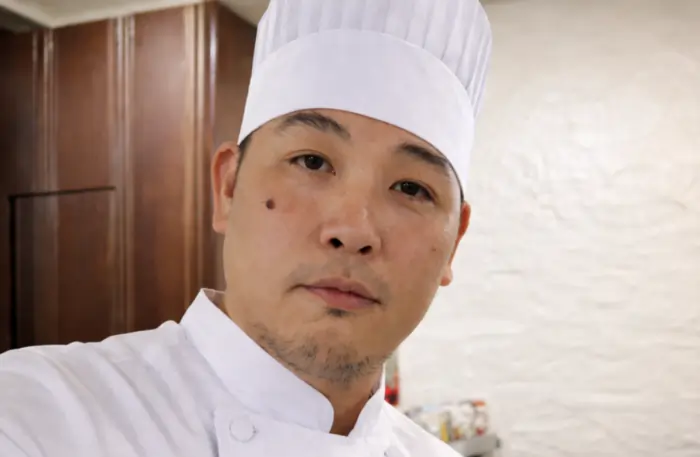
Chef Juan Gadi brings the heart of Filipino hospitality to Ubud, Bali. As an Executive Chef and consultant, he specializes in creating intimate, curated dining experiences that tell a story through every dish. Whether leading the kitchen at Kilig Filipino Warung or hosting a private villa dinner, Chef Juan’s approach is defined by warmth, modern technique, and a commitment to culinary excellence.