What Makes Ubud Different From Other Bali Destinations Key Takeaways
When I first arrived in Ubud as a young chef searching for more than just a holiday, I expected palm-fringed beaches and beach clubs.
- What Makes Ubud Different From Other Bali Destinations is its seamless blend of sacred traditions, lush rice terraces , and a vibrant art scene that thrives away from the beach.
- Ubud attracts a diverse mix of solo travelers, digital nomads , wellness seekers, and artists who value cultural immersion over party tourism.
- From temple ceremonies to farm-to-table dining, Ubud delivers authentic travel experiences that coastal areas simply cannot replicate.
What Makes Ubud Different From Other Bali Destinations: A Personal Introduction
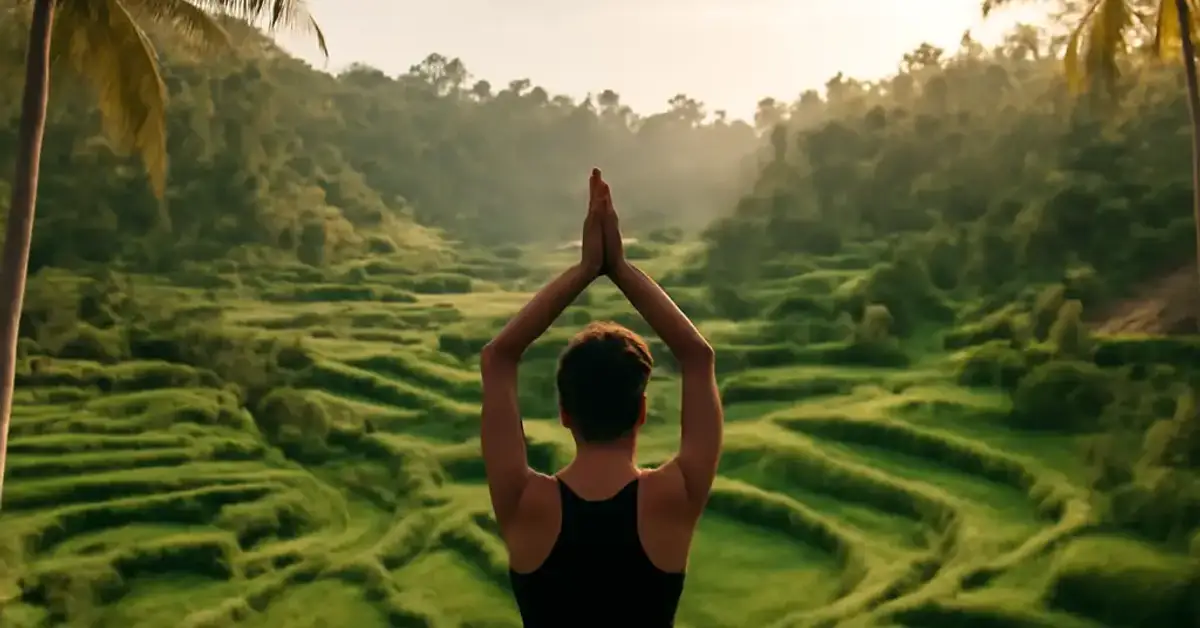
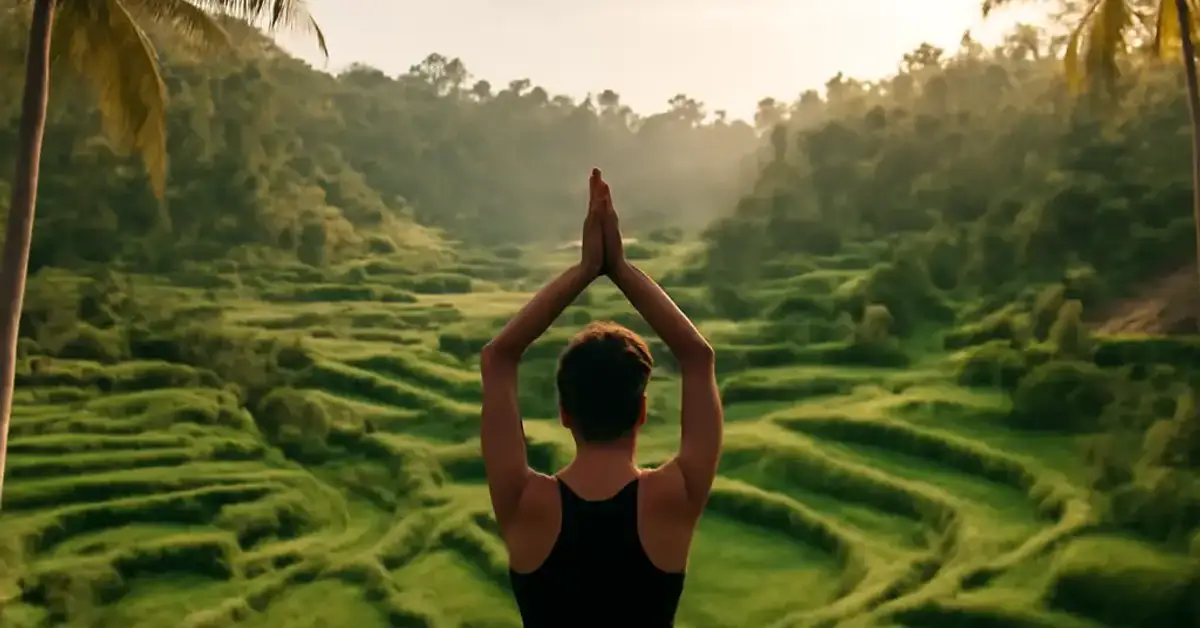
When I first arrived in Ubud as a young chef searching for more than just a holiday, I expected palm-fringed beaches and beach clubs. Instead, I found misty mornings over rice terraces, the sound of gamelan echoing from a traditional village, and a warmth that felt like home. After years of running Kilig Filipino Warung and hosting private villa dinners here, I can say without hesitation that What Makes Ubud Different From Other Bali Destinations is its refusal to perform for tourists. It invites you to participate. Whether you are cooking alongside local families or walking to a hidden waterfall, Ubud demands your presence, not just your photos. For a related guide, see 10 Catering Ideas Inspired by Balis Tropical Lifestyle.
What makes Ubud different from other Bali destinations?
To put it simply, Ubud is the cultural heart of Bali. Unlike Seminyak, where boutique shopping meets sunset mojitos, or Canggu, where the digital nomad lifestyle pulses through coworking spaces and smoothie bowls, Ubud prioritizes spiritual experiences and Balinese culture. The entire town is woven around temples, art galleries, and local crafts that have been passed down for generations. Here, you are as likely to stumble upon a temple blessing as a yoga retreat. This is not a destination you breeze through; it is a place you settle into. For a related guide, see How Ubud Became a Global Hub for Creative Travelers.
Ubud vs other Bali destinations: a quick comparison
The contrast is striking. In Seminyak, the main drag is filled with international brands and high-end restaurants. Canggu offers a gritty surf vibe with trendy cafés. Kuta is built for backpackers and beer pong. Ubud, on the other hand, offers nature walks, wellness tourism, and cultural festivals that celebrate everything from moon cycles to harvests. If you are asking why visit Ubud, the answer is simple: you come here to feel, learn, and reconnect.
Why is Ubud considered the cultural heart of Bali?
Every corner of Ubud breathes tradition. The Balinese heritage is not a museum piece here—it is alive. Temple visits are not just tourist attractions; they are daily rituals. The Ubud Palace hosts traditional dance performances every evening. Local markets like Ubud Market overflow with handwoven textiles, ceremonial offerings, and spices that tell stories of the island’s past. As someone who sources ingredients daily for my dishes, I can tell you that the connection between culture and food is immediate. The same hands that prepare local crafts also cook the meals that sustain families.
What unique experiences can travelers find in Ubud?
Ubud offers an embarrassment of riches for the curious traveler. Beyond the obvious Instagram spots, you can join a cultural immersion program where you learn to make offerings from a local priest, or walk the Campuhan Ridge at dawn with only the sound of birds. Scenic landscapes like the Tegallalang rice terraces are not photo backdrops—they are working farms where you can join a guided nature walk and learn about subak irrigation. For a deeper dive, I recommend booking a private cooking class. In my own kitchen, I often host guests who want to understand how ingredients like turmeric, pandan, and coconut are transformed into dishes that honor both Filipino and Balinese traditions.
Unique attractions in Ubud that go beyond the guidebooks
- Hidden waterfalls like Kanto Lampo where you can bathe under the cascade with locals.
- Tirta Empul temple for a purification ritual—a powerful spiritual experience that many travelers find transformative.
- The Ubud Monkey Forest is not just a photo op; it is a sacred sanctuary where monkeys roam among ancient statues.
- Art galleries such as the Neka Art Museum and Agung Rai Museum of Art house collections that trace the evolution of Balinese art.
- Coworking spaces like Outpost Ubud attract digital nomads who work from bamboo desks overlooking jungle canopies.
How does Ubud compare to Seminyak and Canggu?
The question of Ubud vs other Bali destinations often comes down to pace. Seminyak and Canggu are built around social scenes: beach clubs, brunch spots, and bars that spill onto the sand. Ubud is quieter, more introspective, and infinitely more connected to Balinese culture. While you can find excellent coffee in all three, in Ubud you sip it while watching a farmer return from the fields. The Ubud travel experience is slower, more deliberate, and ultimately more rewarding for those who value authentic travel over convenience.
Why do artists and creatives choose Ubud?
Ubud has long been a magnet for the creative community. Painters, writers, musicians, and chefs like myself are drawn to the town’s energy—a mix of inspiration and tranquility. The abundance of art galleries, music workshops, and open-mic nights creates an ecosystem where creativity thrives. Many travel bloggers and photographers set up base here because the light, the textures, and the faces tell endless stories. For me, the creative pulse of Ubud is felt in the way local artisans carve wood, weave baskets, and prepare food. There is an honesty to the work here that is rare to find anywhere else.
What cultural attractions make Ubud special?
Ubud’s cultural attractions are not static exhibits—they are living traditions. Cultural festivals like the Ubud Writers and Readers Festival and the Bali Arts Festival draw global audiences while remaining rooted in local customs. Temple visits to sites like Goa Gajah and Gunung Kawi offer a window into ancient spirituality. The Balinese heritage is also preserved in traditional villages such as Penglipuran and Tenganan, where residents continue to live by ancestral rules. These are not places you simply photograph; they are communities that welcome respectful visitors. For a related guide, see How Bali Balances Tourism With Cultural Preservation.
How does Ubud appeal to wellness travelers?
Wellness is not an afterthought in Ubud—it is woven into everyday life. The town is a global capital of wellness tourism, offering everything from yoga retreats in bamboo studios to detox programs at dedicated wellness centers. The air is cleaner, the food is fresher, and the pace is intentionally slower. Many visitors come specifically for spiritual experiences such as meditation at the Yoga Barn or sound healing sessions. As a chef, I see wellness as an extension of hospitality. When I prepare a meal for guests, I am thinking about nourishment, balance, and the connection between what we eat and how we feel.
What are the best things to do in Ubud beyond sightseeing?
If you want to go deeper than the typical tourist checklist, consider these activities:
- Join a morning yoga retreat at a studio overlooking the jungle.
- Take a workshop in local crafts such as batik, silver jewelry, or wood carving.
- Volunteer at a local school or community project—many sustainable tourism initiatives welcome short-term help.
- Attend a cultural festival or temple ceremony, but ask a local guide to explain the meaning behind the rituals.
- Book a private dining experience where the chef (like me) tells the story of each dish through ingredients and technique.
Why is Ubud popular among digital nomads?
The digital nomad lifestyle has found a natural home in Ubud. Fast internet, affordable co-living spaces, and a community of like-minded professionals make it easy to work remotely while staying connected to nature. Coworking spaces like Hubud and Tribe offer ergonomic setups, networking events, and a social calendar that balances productivity with wellness. Many nomads start their day with a sunrise nature walk, work through the morning, attend a yoga class at lunch, and explore local markets in the afternoon. It is a rhythm that supports both output and well-being—something I incorporate into my own daily routine.
What natural attractions can visitors explore in Ubud?
Ubud is surrounded by some of the most stunning scenic landscapes in Bali. The rice terraces of Tegallalang and Jatiluwih are UNESCO-recognized cultural landscapes that change color with the seasons. Nature walks through the Campuhan Ridge or the Tjampuhan Valley offer panoramic views without the crowds. For the adventurous, Mount Batur trekking starts before dawn and rewards you with a sunrise that paints the entire caldera in gold. These experiences ground you in the natural world and remind you why Ubud is considered a sanctuary for the soul.
How do local traditions shape the Ubud experience?
In Ubud, tradition is not a performance—it is a way of life. Every day begins with offerings placed on doorsteps, temples, and even sidewalks. Balinese culture emphasizes harmony between people, nature, and the divine, known as Tri Hita Karana. This philosophy shapes everything from architecture to agriculture. As a chef, I respect this principle by sourcing ingredients that honor the land and the farmers who tend it. When you dine in Ubud, you taste more than food—you taste a worldview.
Is Ubud a good destination for first time visitors to Bali?
Absolutely. For first time Bali visitors, Ubud offers a balanced introduction to the island’s true character. You get to experience cultural immersion, stunning scenic landscapes, and wellness tourism without the overwhelm of coastal party zones. However, I always advise guests to spend at least three nights here. One day for the main sights, one day for a deeper experience like a cooking class or temple ceremony, and one day to simply breathe. That third day is often where the magic happens.
What makes Ubud’s atmosphere different from coastal areas?
The atmosphere in Ubud is palpably different. The air is cooler, the soundscape is dominated by birds and flowing water, and the energy is grounded. Coastal areas are transitory—people come and go, chasing sunsets and surf. Ubud has a permanence that comes from its connection to the land and the traditional villages that have been here for centuries. You feel it in the morning mist that settles over the rice terraces and in the evening incense that carries prayers to the gods. It is a place that asks you to slow down and listen.
How does Ubud blend culture, nature, and wellness?
This is where Ubud truly excels. The integration of Balinese culture, scenic landscapes, and wellness tourism is seamless. You can start your day with a meditation session at a temple, take a nature walk through a working traditional village, and end with a healing massage using local ingredients. The Ubud travel experience is holistic by design. Even the food supports this blend—many restaurants offer organic, locally sourced meals that align with the principles of sustainable tourism and authentic travel.
Why do many travelers consider Ubud the most authentic part of Bali?
Authentic travel is a pursuit of genuine connection, and Ubud delivers it in abundance. The town has not been overrun by chain hotels or mass tourism infrastructure. Instead, you find family-run guesthouses, warungs serving recipes passed down through generations, and local markets where bargaining is still a friendly conversation. The creative community and digital nomad lifestyle coexist with ancient rituals, creating a dynamic that feels both progressive and rooted. For me, Ubud is authentic because it does not need to impress you. It simply is what it is—a place where tradition and modernity live side by side, and where every meal, walk, and conversation has meaning.
Useful Resources
For more details on Ubud’s temples and cultural sites, visit the official Bali Tourism Board.
To explore sustainable travel initiatives and community projects in Ubud, check out Green Bali.
Frequently Asked Questions About What Makes Ubud Different From Other Bali Destinations
What makes Ubud different from other Bali destinations ?
Ubud is the cultural heart of Bali, offering rice terraces, yoga retreats, art galleries, and spiritual experiences that contrast with the beach clubs and nightlife of coastal areas.
Why is Ubud considered the cultural heart of Bali?
Because it preserves and practices Balinese culture through daily temple rituals, cultural festivals, local crafts, and traditional villages that remain active.
What unique experiences can travelers find in Ubud?
Travelers can participate in temple purification ceremonies, join coworking spaces, attend cultural festivals, take nature walks through scenic landscapes, and learn local crafts from artisans.
How does Ubud compare to Seminyak and Canggu?
Ubud focuses on cultural immersion and wellness tourism, while Seminyak and Canggu emphasize beach clubs, surfing, and nightlife. Ubud is quieter and more spiritually oriented.
Why do artists and creatives choose Ubud?
The creative community thrives here because of the abundance of art galleries, workshops, and a supportive environment that blends nature with inspiration.
What cultural attractions make Ubud special?
Temple visits, cultural festivals, local markets, and traditional villages all offer living examples of Balinese heritage.
How does Ubud appeal to wellness travelers?
Ubud is a hub for wellness tourism with yoga retreats, detox programs, spiritual experiences, and farm-to-table dining that supports holistic health.
What are the best things to do in Ubud beyond sightseeing?
Take a cooking class, join a yoga retreat, volunteer with a sustainable tourism project, attend a ceremony, or book a private dining experience with a local chef.
Why is Ubud popular among digital nomads?
Because of reliable internet, coworking spaces, a supportive community, and a lifestyle that balances work with nature walks and wellness tourism.
What natural attractions can visitors explore in Ubud?
The rice terraces of Tegallalang, Campuhan Ridge, hidden waterfalls, and Mount Batur are all within easy reach and offer breathtaking scenic landscapes.
How do local traditions shape the Ubud experience?
Daily offerings, temple ceremonies, and the philosophy of Tri Hita Karana inform everything from architecture to food, creating a rich cultural immersion.
Is Ubud a good destination for first time visitors to Bali?
Yes, it provides a balanced introduction to Balinese culture, scenic landscapes, and wellness tourism without the intensity of coastal party zones.
What makes Ubud’s atmosphere different from coastal areas?
Cooler air, quieter soundscape, and a grounded energy rooted in traditional villages and rice terraces create a serene, introspective atmosphere.
How does Ubud blend culture, nature, and wellness?
Through integrated experiences like temple meditation, nature walks in working villages, organic dining, and yoga retreats that honor all three elements.
Why do many travelers consider Ubud the most authentic part of Bali?
Because it retains family-run accommodations, local local markets, and living traditions that resist mass tourism, offering authentic travel experiences.
What is the best time to visit Ubud?
The dry season from April to October is ideal for nature walks, temple visits, and cultural festivals.
How many days should I spend in Ubud?
At least three days: one for main sights, one for deeper cultural immersion, and one for relaxation and wellness tourism.
What should I pack for Ubud?
Lightweight clothing, a sarong for temple visits, comfortable walking shoes, insect repellent, and a reusable water bottle for sustainable tourism.
Is Ubud safe for solo travelers?
Yes, Ubud is very safe. Solo travelers, especially women, feel comfortable exploring the town and joining group activities like yoga retreats and cooking classes.
Can I work remotely while staying in Ubud?
Absolutely. With fast internet, numerous coworking spaces, and a thriving digital nomad lifestyle, Ubud is one of the best places in the world to work remotely.
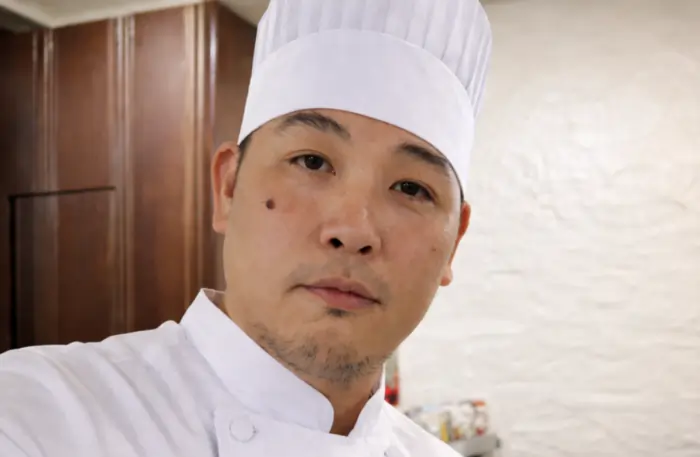
Chef Juan Gadi brings the heart of Filipino hospitality to Ubud, Bali. As an Executive Chef and consultant, he specializes in creating intimate, curated dining experiences that tell a story through every dish. Whether leading the kitchen at Kilig Filipino Warung or hosting a private villa dinner, Chef Juan’s approach is defined by warmth, modern technique, and a commitment to culinary excellence.