Catering Ideas Inspired by Balis Tropical Lifestyle Key Takeaways
When I first arrived in Ubud, I realized that Bali’s magic isn’t just in its temples and rice terraces—it’s in how food connects people to place.
- Catering ideas inspired by Bali’s tropical lifestyle emphasize fresh, seasonal ingredients and vibrant flavors.
- Tropical dining concepts like open-air feasts and live cooking stations boost guest engagement.
- Catering Ideas Inspired by Balis Tropical Lifestyle: Understanding Tropical Dining Concepts for Premium Events
Understanding Tropical Dining Concepts for Premium Events
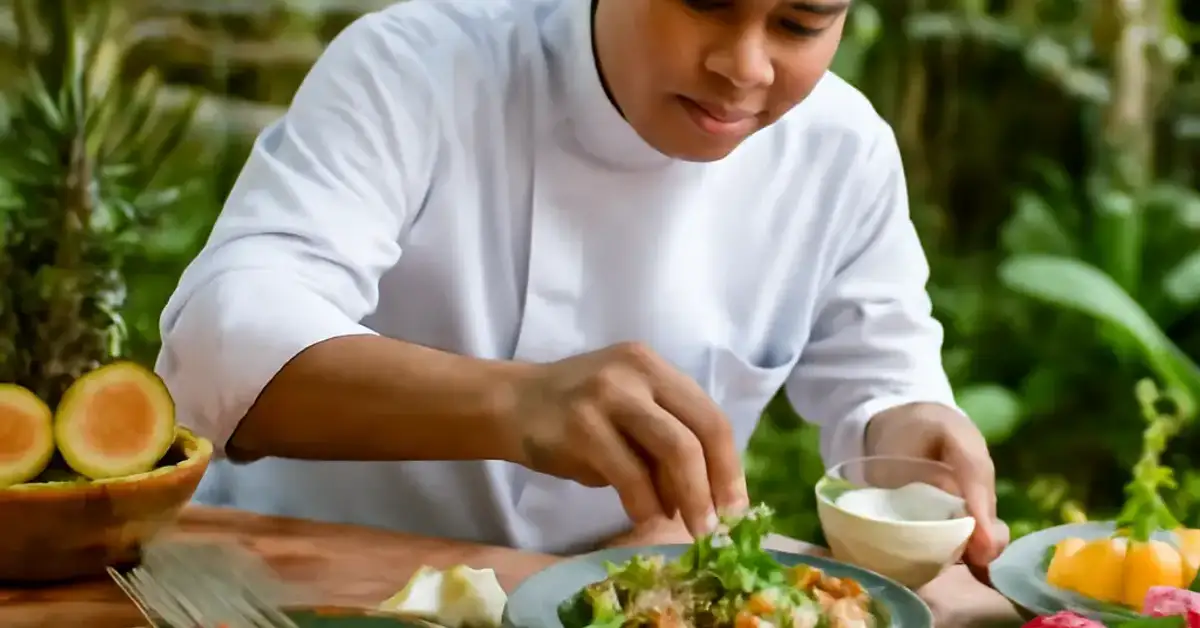
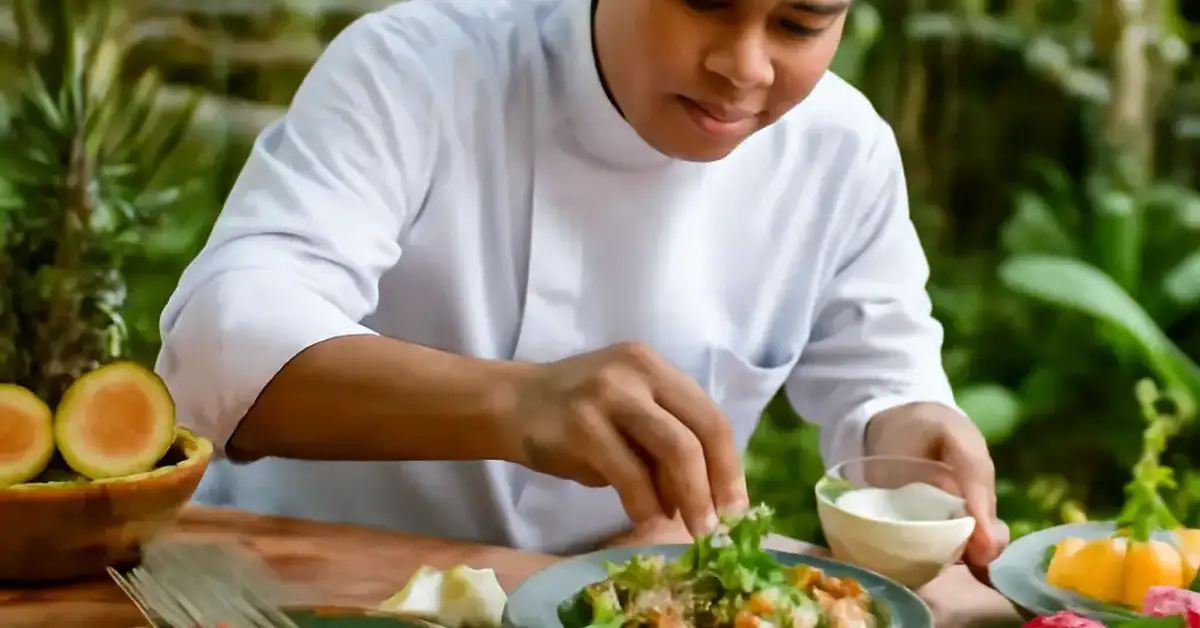
When I first arrived in Ubud, I realized that Bali’s magic isn’t just in its temples and rice terraces—it’s in how food connects people to place. Tropical dining concepts go beyond menus; they create atmospheres where every meal feels like a celebration of the island’s generous nature. For event planners, wedding organizers, and hospitality professionals, embracing this philosophy means designing experiences that guests will remember long after the last bite. For a related guide, see 8 Ways Filipino Cuisine Connects Cultures in Bali.
Why Bali’s Culinary Identity Resonates Globally
Bali sits at a crossroads of spice trade routes, indigenous wisdom, and modern wellness culture. Its kitchens produce food that is boldly seasoned, beautifully presented, and often eaten under the open sky. This authenticity appeals to destination wedding couples, luxury event hosts, and corporate event planners who want meaning in their menus.
Key Pillars of Balinese Catering Philosophy
Balinese catering rests on three foundations: freshness (ingredients harvested hours before serving), balance (sweet, sour, salty, bitter, and umami in every dish), and community (meals shared, not plated in isolation). These pillars translate directly into the ten ideas that follow.
1. Farm-to-Table Catering Featuring Seasonal Local Ingredients
Nothing says Bali like a farm-to-table catering spread sourced directly from the island’s volcanic soils. I work with farmers in Bedugul and Sidemen to bring just-picked vegetables, free-range eggs, and aromatic herbs straight to the table. For catering businesses and private event hosts, this approach guarantees unmatched flavor and a story guests love to hear. For a related guide, see The Role of Seasonal Ingredients in Event Dining.
Practical Application
Design a menu that changes weekly based on what’s in season. Offer a “Meet the Farmer” card at each table setting. Use bamboo or banana-leaf platters to reinforce the natural theme.
2. Island-Inspired Seafood Stations with Regional Flavors
Jimbaran Bay’s iconic fish markets inspire my island-inspired seafood stations. I grill snapper, tuna, and prawns over coconut husks and serve them with sambal matah (a raw shallot and chili relish) and calamansi lime. This station works beautifully for destination wedding catering and beachside dining events.
Practical Application
Set up a live grill station under string lights. Offer two or three house-made sambals with varying heat levels. Pair with fresh young coconut water for a non-alcoholic refreshment.
3. Tropical Grazing Tables with Fruits, Cheeses, and Artisanal Selections
A tropical grazing table replaces traditional appetizer trays with a lush, edible landscape. I arrange dragon fruit, mangosteen, jackfruit, local cheeses like Gouda from Ubud’s dairy farms, and Balinese palm sugar caramels. Food enthusiasts and lifestyle bloggers love the visual pop these tables bring to social media.
Practical Application
Use wooden slabs, palm leaves, and carved coconut bowls. Label each item with its origin. Include small bowls of sambal and honeycomb for guests to experiment.
4. Open-Air Dining Experiences That Blend Food with Nature
Bali is famous for bamboo venues and rice-terrace backdrops. Open-air dining experiences allow the breeze, bird sounds, and sunset light to season the meal. For hospitality professionals organizing luxury retreats, this format encourages relaxed, lingering conversations.
Practical Application
Choose a venue with natural shade or install bamboo sails. Time the meal to finish as the sky turns golden. Use citronella candles subtly to keep insects at bay without overwhelming the senses.
5. Coconut and Tropical Beverage Bars for Refreshing Hospitality
Nothing beats a coconut and tropical beverage bar for greeting guests. I serve young coconut water straight from the husk, blending it with lemongrass, ginger, and turmeric for grown-up tropical beverages. Wedding organizers can use these bars as a welcome stations or ceremony cool-downs.
Practical Application
Hire a resident “coconut boy” to open husks with a machete—it’s a performance. Offer infused syrups (pandan, hibiscus) so guests can customize. Add a splash of rum for those who want an adult twist.
6. Balinese-Inspired Fusion Cuisine Blending Local and International Influences
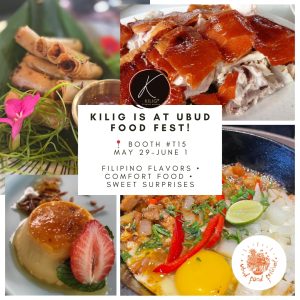
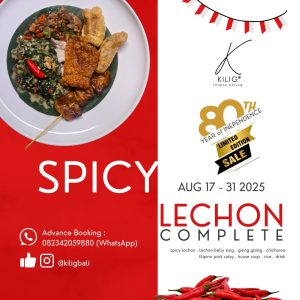
At Kilig Filipino Warung, I often combine Filipino adobo with Balinese base genep (a traditional spice paste). Balinese-inspired fusion cuisine introduces familiar comfort dishes with unexpected island flair. Restaurant owners and tourism marketers find this approach attracts adventurous diners.
Practical Application
Pair a classic Western starter (like bruschetta) with a sambal topping. Serve a Balinese-style grilled chicken alongside a coconut risotto. The key is balance—don’t overwhelm the original dish.
7. Sunset Barbecue Concepts for Beachside and Outdoor Celebrations
Bali’s sunsets are legendary, and sunset barbecue concepts turn them into the main event. I set up low tables on the sand, light torches, and serve grilled satay, whole fish wrapped in banana leaves, and roasted sweet potatoes. Corporate event planners use this format for team-building dinners that feel like vacations.
Practical Application
Start grilling exactly 45 minutes before sunset. Offer a “DIY satay stick” station where guests choose their protein and marinade. End with baked pineapple drizzled with palm sugar syrup.
8. Wellness-Focused Menus with Plant-Based and Healthy Options
Ubud is the world’s wellness capital, and wellness-focused menus are a must. I create bowls with quinoa, local greens, roasted jackfruit, and ginger-turmeric dressings. Luxury event hosts serving health-conscious travelers appreciate menus that feel indulgent yet light.
Practical Application
Offer a “wellness journey” course with three small plant-based dishes. Include a cold-pressed juice pairing. Label each dish with its wellness benefit (e.g., “anti-inflammatory,” “energy boost”).
9. Interactive Live Cooking Stations Inspired by Bali’s Traditions
Balinese cooking is theatrical. An interactive live cooking station featuring a chef making sate lilit (minced seafood satay) or rolling dadar gulung (green coconut pancakes) captivates guests. Event planners and food enthusiasts love the spectacle and the chance to ask questions.
Practical Application
Station the chef in the center of the space, not hidden behind a counter. Use a loud mortar and pestle for grinding spices—the sound draws a crowd. Let guests form their own satay sticks.
10. Tropical Dessert Displays Featuring Exotic Fruits and Local Sweets
End the meal with a tropical dessert display that doubles as art. I arrange pyramids of rambutan, bowls of black rice pudding with coconut cream, and mini martabak (stuffed sweet pancakes). Hospitality professionals find this approach to luxury catering creates a memorable final impression.
Practical Application
Use tiered bamboo stands for height. Offer small tasting portions so guests can sample multiple items. Garnish with edible flowers and fresh mint.
Useful Resources
Deepen your understanding of Balinese cuisine and sustainable event practices with these trusted sources:
- Bali Tourism Board – Official insights on destination events, local ingredients, and hospitality regulations.
- World Food Travel Association – Research on how tropical dining concepts influence guest satisfaction and event success.
Frequently Asked Questions About Catering Ideas Inspired by Bali s Tropical Lifestyle
What makes Balinese catering different from other tropical cuisines?
Balinese catering emphasizes a balance of sweet, sour, salty, and spicy flavors, with generous use of fresh herbs, coconut, and fermented pastes like base genep—all presented in communal, outdoor settings.
Can these catering ideas work for non-Bali destinations?
Absolutely. Adapt the principles of freshness, open-air dining, and local sourcing to your region. Use indigenous herbs, fruits, and seafood to recreate the tropical spirit anywhere.
How do I source authentic Balinese ingredients outside Indonesia?
Many specialty Asian grocers carry kecap manis, sambal oelek, and galangal. You can also find online suppliers for dried Balinese spices and coconut products.
What is the best way to incorporate live cooking stations ?
Choose two dishes that allow interaction, like satay grilling or pancake folding. Place the station in a well-lit area and let the chef explain each step while cooking.
Are tropical grazing tables cost-effective for large weddings?
Yes. They reduce the need for passed appetizers and plated starters. Using seasonal fruits, bulk cheeses, and house-made crackers keeps costs manageable while creating visual impact.
What beverages pair best with Balinese tropical menus?
Coconut water, lemongrass iced tea, passionfruit spritzers, and Balinese coffee make excellent non-alcoholic options. For alcoholic pairings, try arak cocktails or crisp lager-style beers.
How do I handle dietary restrictions in tropical catering?
Bali’s cuisine naturally includes many gluten-free, dairy-free, and plant-based dishes. Label allergens clearly and offer at least one vegan option for each course.
What is the ideal setup for an open-air dining event?
Use low tables and floor cushions to mimic the Balinese lesehan style. Ensure good ventilation, ambient torch lighting, and natural decorations like palm leaves and frangipani.
How far in advance should I plan a farm-to-table catering menu?
Begin sourcing ingredients at least two weeks ahead. Build relationships with local farmers or cooperatives so you can adapt the menu to whatever is freshly harvested.
Can I incorporate Balinese traditions into a non-Indonesian event?
Yes. Simple touches like using banana leaves as plates, offering welcome drinks in coconut shells, or featuring a small offering (canang sari) at the entrance add authentic Balinese flavor.
What are the most popular Balinese dishes for catering?
Sate lilit (minced seafood satay), babi guling (suckling pig), nasi campur (mixed rice plate), lawar (spicy chopped vegetable salad), and bebek betutu (slow-cooked duck) are crowd favorites.
How do I keep seafood fresh during an outdoor event?
Use portable coolers with ice packs and keep fish on ice until just before grilling. Opt for whole fish or fillets that can be cooked thoroughly to minimize spoilage risks.
What is the role of spice pastes in Balinese cuisine ?
Base genep (traditional spice paste) is the foundation of many dishes. It contains shallots, garlic, turmeric, ginger, galangal, candlenuts, and shrimp paste, ground together for depth of flavor.
How can I make tropical dessert displays more sustainable?
Use edible flowers, reusable bamboo platters, and compostable serving utensils. Choose fruits that are in season to reduce food miles and waste.
What are the best tropical fruits to feature in a catering menu?
Mangoes, dragon fruit, rambutan, mangosteen, passionfruit, soursop, and jackfruit offer vibrant colors and distinct tropical flavors that pair well with both sweet and savory dishes.
How do I train staff for live cooking stations ?
Practice the cooking flow multiple times before the event. Teach staff how to engage with guests, explain ingredients, and handle high heat safely in an open environment.
What decorating tips create a tropical Bali atmosphere?
Use bamboo structures, palm frond arrangements, rattan tableware, and tropical blooms like frangipani and orchids. Soft, warm lighting from lanterns or fairy lights completes the ambiance.
How long does it take to prepare a multi-course tropical menu?
Preparation can take 6 to 12 hours depending on complexity. Spice pastes and marinades benefit from being made a day in advance to deepen flavors.
Can I combine Balinese catering with other Southeast Asian cuisines?
Yes. Filipino, Thai, and Vietnamese flavors harmonize beautifully with Balinese dishes. I often blend Filipino adobo with Balinese sambal to create unique fusion experiences.
What is the typical cost range for tropical wedding catering in Bali?
Costs vary widely based on guest count, menu complexity, and service style. A rough estimate is $30–$80 per person for premium, locally sourced tropical catering.
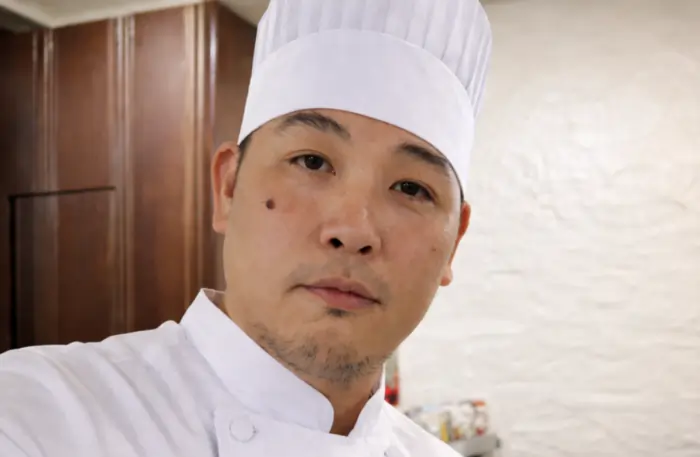
Chef Juan Gadi brings the heart of Filipino hospitality to Ubud, Bali. As an Executive Chef and consultant, he specializes in creating intimate, curated dining experiences that tell a story through every dish. Whether leading the kitchen at Kilig Filipino Warung or hosting a private villa dinner, Chef Juan’s approach is defined by warmth, modern technique, and a commitment to culinary excellence.