
What Travelers Look for in Special Event Dining Experiences Key Takeaways
Modern travelers and event hosts seek dining experiences that go beyond plated food — they want seamless celebrations , personalized menus, and flawless execution that lets them enjoy every moment.
- What Travelers Look for in Special Event Dining Experiences centers on personalization, reliability, and a stress-free atmosphere where guests feel genuinely cared for.
- Professional catering teams reduce operational burdens through expert catering logistics , from timely food delivery to temperature control, ensuring every course arrives in perfect condition.
- From intimate gatherings to large-scale galas, the role of event coordination and experienced staff elevates the guest experience , making each celebration feel extraordinary and well-managed.

Why Travelers Prioritize Special Event Dining Experiences
When travelers plan milestone celebrations — a wedding, a milestone birthday, a corporate retreat — they expect the same level of care and creativity they’d find in a top restaurant, but tailored to their unique story. What travelers look for in special event dining experiences goes beyond the menu card; they want an atmosphere of ease, where every detail from the first welcome drink to the last dessert bite feels intentional and warm.
Having worked as an Executive Chef in Ubud, Bali, and hosted countless private villa dinners and pop-up events at Kilig Filipino Warung, I’ve seen firsthand that event catering must deliver both artistry and reliability. Guests remember the surprise of a perfectly timed amuse-bouche, the relief of a waiter remembering their gluten allergy, and the joy of not having to ask for anything. That’s the essence of seamless celebrations — visible effort made invisible to the host and their guests.
The Shift Toward Personalization and Luxury
Today’s luxury traveler expects luxury catering that feels bespoke. They want menus inspired by local ingredients — like Balinese spices, heirloom rice, and fresh-caught seafood — presented with modern technique. Destination catering has grown in demand as couples choose remote venues such as cliffside terraces, rice terrace pavilions, or beachfront gazebos. In these settings, catering companies must adapt to limited kitchens, variable weather, and unique service challenges without compromising quality.
The Role of Professional Catering in Seamless Celebrations
You may ask: how does professional catering support events? The answer lies in the invisible orchestra of planning, preparation, and service that allows hosts to focus on their guests. Professional catering is not just about cooking — it’s about creating a controlled environment of hospitality even when you’re cooking in a makeshift tent kitchen or a villa with limited equipment.
How Catering Teams Ensure Smooth Event Execution
The role of catering teams in ensuring smooth event execution cannot be overstated. Each team member — from the chef de partie to the server — understands timing, plating standards, and communication protocols. During a recent 80-person wedding reception I led in Ubud, the service team moved through a multi-course degustation with military precision, yet every interaction with guests was warm and unhurried. That balance comes from rigorous rehearsal and a shared commitment to the guest experience.
Planning and Coordination in Large and Private Events
The importance of planning and coordination in large and private events is like building a house — if the foundation is weak, everything cracks. Before any dish is plated, a catering team must coordinate with event planning teams, venue managers, rental suppliers, and sometimes even local farmers. In Bali, that means confirming produce delivery routes, generator availability, and back-of-house layout days in advance. Meticulous catering logistics ensures water, gas, and refrigeration are in place, especially for remote destinations.
What Makes Catering Seamless: Consistency, Timing, and Service Flow
When guests remark, “Everything felt so smooth,” they are experiencing the result of food service management done right. But what factors create that feeling? Let’s break down the key elements that travelers and hosts truly value.
How Professional Chefs Maintain Consistency in Food Quality and Presentation
Consistency is the hallmark of culinary services that earn trust. How professional chefs maintain consistency in food quality and presentation involves standardized recipes, precise temperature logging, and rigorous plating audits throughout service. In large events where multiple servings of the same dish go out, each plate must look as if it were made for a single VIP. At my kitchen, we align tasting portions with a reference photo and ensure every chef knows the exact garnish placement.
Impact of Organized Service Flow on Guest Satisfaction
The impact of organized service flow on guest satisfaction is immediate and measurable. A well-paced meal — where courses arrive without long gaps or rushed stacking — keeps the party energy balanced. Guests can converse, enjoy the view, and savor each course. Conversely, a chaotic service flow creates tension, spills, and unhappy faces. Event coordination cues between the kitchen and front-of-house ensure that each course transition feels natural and elegant.
How Catering Logistics Reduce Stress for Event Hosts
Hosts should be greeting guests, not checking on chafing dishes. How catering logistics reduce stress for event hosts is one of the most compelling benefits of hiring professionals. A dedicated catering manager handles ice supply, plate washing, dietary swaps, and timing adjustments. In a private villa setup, I often assign a point person who silently communicates with the host about any changes, so the host never has to leave their guests. That peace of mind is priceless.
Menu Planning and Timing in Successful Celebrations
The importance of menu planning and timing in successful celebrations is where culinary creativity meets operational reality. A menu that looks beautiful on paper can collapse if it requires too many last-minute steps or ingredients that don’t travel well. Seasonality, local availability, and cooking methods all factor into a menu that works within the service timeline.
How Catering Companies Handle Dietary Restrictions and Customization
Dietary needs are no longer optional — they are expected. How catering companies handle dietary restrictions and customization starts with precise intake during the booking phase and extends to clear labeling and separated preparation areas on event day. For a recent luxury event, we created a dedicated station for vegan, gluten-free, and nut-free versions of a shared menu. Every guest received the same visual quality and flavor profile, just adapted for their needs. Flexibility within a structured system is the key.
Importance of Food Safety and Hygiene Standards in Professional Catering
Working in tropical climates like Bali means food safety and hygiene standards in professional catering are non-negotiable. Temperature-controlled transport, chilled storage on site, and strict hand-washing protocols protect guests. During outdoor events, we use insulated carriers with real-time thermometers and rotate dishes frequently. Transparency about these practices actually enhances the guest experience — when a host can confidently say their caterer follows HACCP guidelines, it builds trust.
How Equipment, Setup, and Staffing Contribute to Seamless Dining
The physical backbone of any special event is the equipment, the setup design, and the people executing it. How equipment, setup, and staffing contribute to seamless dining experiences is a topic every caterer must master, especially when working in non-traditional venues.
Role of Experienced Staff in Managing Service Efficiency During Events
A well-trained team is the heart of hospitality services. The role of experienced staff in managing service efficiency during events means they anticipate needs before they’re spoken — refilling water glasses, clearing plates promptly, and answering questions about ingredients with genuine knowledge. In high-pressure events, experienced staff also manage themselves; they stay calm when the oven fails or a guest spills wine. That professionalism is what travelers remember.
How Equipment and Setup Affect the Dining Experience
For banquet service in a villa garden, we bring portable induction burners, backup generators, and proper lighting for cooking and serving areas. The setup must allow servers to move without bumping into each other or guests. Thoughtful station placement reduces noise and visual clutter, allowing the beauty of the food and the venue to shine.
Role of Communication Between Planners, Chefs, and Venues
Miscommunication is the enemy of seamless celebrations. The role of communication between planners, chefs, and venues involves detailed run-of-show documents, shared timelines, and a pre-event walkthrough. I always require a briefing call 48 hours before any event where we confirm guest counts, dietary updates, and any last-minute venue changes. This coordination ensures that the kitchen, service team, and event manager are aligned on every detail.
Timely Food Delivery and Temperature Control in Catering
One of the most critical operational details is how catering ensures timely food delivery and temperature control. In multi-course events, timing must be synchronized with speeches, toasts, and entertainment. A hot soup must arrive steaming, and a composed salad must remain crisp. Catering operations rely on time-stamped plating schedules and insulated transport to achieve this. For a destination wedding on a Bali beach, we pre-plate cold courses in a chilled tent and fire hot courses in bursts to match the service rhythm.
Scalability and Flexibility in Catering
The importance of scalability in handling small and large gatherings determines whether a catering company can serve a 30-person private dinner and a 500-person gala with equal grace. Scalability isn’t just about cooking volume — it’s about maintaining the same quality, service level, and personal touch regardless of guest count. Full-service catering firms build in modular menus and staffing ratios that adapt without reinventing the wheel.
How Professional Catering Enhances Event Aesthetics and Presentation
Presentation is part of the food presentation equation, but it extends to tableware, linens, and even serving vessels. How professional catering enhances event aesthetics and presentation includes custom plating designs that match the event theme — hand-painted plates for a boho wedding, or black slate boards for a modern corporate dinner. The visual harmony between food and environment elevates the entire guest experience.
Contingency Planning and Adaptability
Even with perfect planning, unexpected issues arise — a monsoon in tropical Bali, a supplier mix-up, a broken oven. The role of contingency planning in avoiding service disruptions separates seasoned caterers from amateurs. Duplicate equipment, backup menus that use alternative ingredients, and extra staffing buffers ensure that surprises stay behind the scenes. Contingency planning also extends to timing: we design schedules with built-in buffers for each course transition.
How Catering Supports Themed and Destination Events
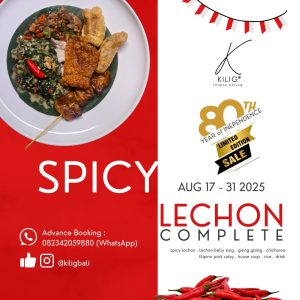
Themed events require menus that tell a story. How catering supports themed and destination events involves researching local culinary traditions, sourcing authentic ingredients, and training the team on the cultural context of each dish. For a Filipino-themed dinner at Kilig Warung, we served kinilaw alongside modern takes on adobo, explaining each course’s origin to guests. This storytelling aspect deepens guest engagement and makes the dining experience truly memorable. For a related guide, see The Role of Seasonal Ingredients in Event Dining.
Coordination in Multi-Course Dining Experiences
The importance of coordination in multi-course dining experiences lies in pacing, sequence, and communication between kitchen and service. A five-course menu requires precise timing — the kitchen must communicate when the first course is ready, the service team clears and resets, and the next course follows without a lull. This dance becomes choreographed through practice and clear signals. At larger events, we use discreet headsets for real-time communication.
How Professional Service Improves Guest Experience and Engagement
How professional service improves guest experience and engagement is about warmth, not just efficiency. Guests who feel welcomed and attended to are more likely to interact positively with the event. Our servers at private dinners are trained not only to serve but to engage — offering a brief story about the dish, checking in on comfort, and anticipating refills. That personal connection turns a meal into a memory. For a related guide, see How Curated Menus Elevate Private Gatherings.
Role of Hospitality Expertise in Managing High-Pressure Events
The role of hospitality expertise in managing high-pressure events is critical when stakes are high, like a celebrity wedding or a corporate product launch. Experienced caterers stay calm under pressure, solve problems quietly, and maintain a smile. That expertise comes from years of handling unexpected crises — and that confidence radiates to the host and guests, creating an atmosphere of trust and ease.
How Catering Reduces Operational Burden for Hosts
Hosts want to enjoy their event, not manage logistics. How catering reduces operational burden for hosts is the primary reason they hire professionals. From supplier coordination, menu design, and staffing to cleanup, caterers absorb every operational headache. When the host steps into the venue on event day, their only role is to be present and celebrate.
Importance of Consistency Across Multiple Event Elements
The importance of consistency across multiple event elements — food quality, service tone, table settings, and timing — creates a cohesive experience. Inconsistencies, like a beautiful appetizer followed by a burnt main course, break the illusion of seamless execution. Professional caterers apply the same standards to every course and interaction, ensuring the event’s narrative flows without disruption.
How Professional Catering Contributes to Memorable and Stress-Free Celebrations
Ultimately, how professional catering contributes to memorable and stress-free celebrations is by allowing hosts and guests to be fully present. When a guest says, “That was the best dinner I’ve ever had at a wedding,” they are responding to an invisible web of preparation, skill, and care. That is the goal of every caterer who takes pride in their craft.
Growing Demand for Full-Service Catering in Modern Event Planning
The growing demand for full-service catering in modern event planning reflects a broader shift: travelers and hosts want convenience without compromise. They want a single point of responsibility that handles everything from napkin folds to dessert fireworks. Full-service catering firms respond by offering end-to-end solutions that include menu design, beverage pairing, staffing, rentals, and on-site management. This trend is especially strong in destination locations like Bali, where logistical complexities make integrated services invaluable.
Useful Resources
For further reading on elevating special event dining experiences and mastering catering logistics, explore these trusted sources:
- Catersource – The Leading Resource for Catering Professionals – Industry insights, trends, and best practices for event caterers worldwide.
- Event Manager Blog – Event Planning and Management Tips – Practical guides on event coordination, service flow, and hospitality excellence.
Frequently Asked Questions About What Travelers Look for in Special Event Dining Experiences
How does professional catering support events?
Professional catering supports events by handling all food-related logistics, from menu design and ingredient sourcing to cooking, plating, and service. This allows hosts to focus on their guests while the catering team ensures timely delivery, temperature control, and dietary accommodations. In destination settings like Bali, caterers also manage equipment transport, local supplier relationships, and site-specific challenges.
Why is catering important for celebrations?
Catering is important for celebrations because food is often the centerpiece of social gatherings — it sets the tone, fuels conversation, and creates lasting memories. Professional caterers ensure every dish is delicious, safe, and presented beautifully, removing the stress of cooking and service for the host. A well-catered event elevates the entire guest experience.
What do catering companies do at events?
Catering companies do far more than cook — they plan menus based on guest preferences, source fresh ingredients, prepare food on-site or in a central kitchen, transport and set up equipment, coordinate service timing, manage dietary restrictions, and clean up after the event. Full-service firms also handle tableware, linens, staffing, and beverage service.
How does catering make events easier?
Catering makes events easier by absorbing the food-related operational burden — shopping, cooking, plating, serving, and cleaning — so the host can enjoy the celebration. Professional caterers also solve problems behind the scenes, like adjusting to weather changes or last-minute guest count increases, all without disrupting the event flow.
What is full-service catering?
Full-service catering means the caterer provides everything needed for the dining experience: menu planning, food preparation, service staff, tableware, linens, beverages, and cleanup. It often includes event coordination, dietary management, and on-site supervision. This end-to-end approach is ideal for hosts who want a stress-free celebration with a cohesive, professional result.
How do caterers manage large events?
Caterers manage large events through meticulous planning, scalable recipes, and a structured service flow. They divide tasks among teams (e.g., prep, cooking, plating, service), use time-stamped schedules, and rely on effective communication between kitchen and front-of-house. Experienced caterers also prepare backup plans for equipment failure or supply delays.
Why is coordination important in catering?
Coordination is crucial because catering involves multiple moving parts — ingredient delivery, cooking timelines, service pacing, and guest interactions. Without event coordination, dishes can arrive cold or out of order, dietary requests can be missed, and service can feel chaotic. Good coordination ensures every element aligns with the event schedule and guest expectations.
How do caterers handle food quality?
Caterers maintain food quality by using standardized recipes, fresh ingredients, precise cooking techniques, and temperature-controlled transport. Catering operations often include quality checks at every stage — from receiving ingredients to final plating — ensuring consistency in taste and presentation, even for large guest counts.
What makes catering seamless?
Seamless celebrations feel effortless because the catering team anticipates needs, communicates clearly, and executes service with precision. Factors include well-trained staff, organized kitchen flow, proper equipment, contingency plans, and a calm, professional demeanor under pressure. When everything works behind the scenes, guests experience pure enjoyment.
How does catering improve guest experience ?
Catering improves guest experience by serving delicious, beautifully presented food in a timely manner, accommodating dietary needs without fuss, and providing warm, attentive service. A professional catering team also manages the pace of the meal, creating a relaxed atmosphere where guests can focus on connection and celebration.
What elements define a luxury catering experience?
Luxury catering is defined by bespoke menus, premium ingredients, artistic plating, personalized service, and meticulous attention to detail. It often includes custom table settings, wine pairings, interactive food stations, and a high staff-to-guest ratio. The goal is to create a dining experience that feels exclusive, curated, and memorable.
How do caterers handle dietary restrictions?
Caterers handle dietary restrictions by asking about allergies and preferences during the planning phase, then creating separate preparation areas and clearly labeled dishes. Many professional firms offer alternative menu versions — vegan, gluten-free, nut-free — that maintain the same visual and flavor standards as the main menu.
What is destination catering ?
Destination catering involves planning and executing meals at remote or non-traditional venues, such as beaches, cliffs, villas, or historic sites. It requires extra logistical planning for equipment transport, power supply, water access, and weather contingencies. Experienced destination caterers partner with local suppliers and adapt menus to the setting.
How do catering companies ensure food safety?
Reputable catering companies follow strict food safety protocols including HACCP standards, temperature logging for storage and transport, separated cutting boards for allergens, and rigorous hand-washing policies. They also train staff on safe food handling and maintain clean workstations throughout the event.
What is the role of a catering coordinator?
A catering coordinator acts as the bridge between the client, the kitchen, and the venue. They manage timelines, dietary requests, service flow, and any last-minute changes. Their goal is to ensure the client’s vision is executed smoothly, often handling communication so the chef and team can focus on food quality.
How do caterers plan menus for large events?
Menu planning for large events begins with understanding guest preferences, event theme, and venue capabilities. Caterers design menus that balance cooking complexity, timing, and visual impact. They often choose dishes that can be prepped in stages and hold well during service, while incorporating seasonal and local ingredients for freshness.
What is the benefit of hiring a full-service catering company?
Hiring a full-service catering company provides a single point of accountability for food, beverages, service staff, rentals, and cleanup. This reduces the host’s coordination burden and ensures cohesive execution. It also offers peace of mind, especially for complex events like weddings or corporate galas.
How important is timing in event catering?
Timing is everything in event catering — it determines whether dishes arrive at the perfect temperature, whether courses pace well, and whether service interruptions are avoided. A precise schedule, communicated between kitchen and service teams, is essential for maintaining the event’s energy and flow.
How do caterers handle last-minute changes?
Experienced caterers build flexibility into their operations — they keep extra ingredients, plan for variable guest counts, and have backup menu items ready. When last-minute changes occur, the team calmly adjusts, often without the host or guests ever noticing. Contingency planning is part of the professional standard.
What should I look for when hiring a catering company?
Look for a catering company with experience in similar event sizes and styles, a clear menu customization process, strong food safety protocols, and positive client testimonials. It’s also important to gauge their communication style and willingness to accommodate your specific needs — whether that includes dietary restrictions, themed menus, or unique venue challenges.
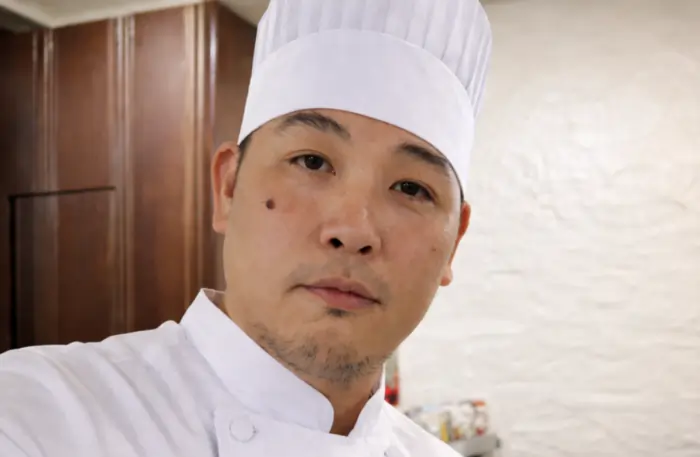
Chef Juan Gadi brings the heart of Filipino hospitality to Ubud, Bali. As an Executive Chef and consultant, he specializes in creating intimate, curated dining experiences that tell a story through every dish. Whether leading the kitchen at Kilig Filipino Warung or hosting a private villa dinner, Chef Juan’s approach is defined by warmth, modern technique, and a commitment to culinary excellence.