
Growing Demand for Personalized Event Menus in Bali Key Takeaways
Bali has become a global epicenter for destination events , and with that rise comes an unmistakable shift: guests no longer settle for standard banquet fare.
- Personalized event menus are now the standard for luxury celebrations in Bali, driven by guest expectations for unique, memorable experiences.
- Chefs collaborate closely with clients to integrate dietary needs, cultural symbolism, and local ingredients, creating menus that resonate emotionally.
- Wellness-focused options, fusion cuisine, and Instagram-worthy presentation are key pillars of this trend, pushing Bali’s hospitality industry toward ever-greater creativity and flexibility.

What Is Driving the Growing Demand for Personalized Event Menus in Bali
Bali has long been synonymous with enchanting landscapes and spiritual tranquility. But in recent years, a quieter revolution has been simmering in its kitchens. Travelers and event hosts are increasingly seeking customized dining experiences that reflect their personal stories and values. As an executive chef and consultant based in Ubud, I have witnessed firsthand how the growing demand for personalized event menus in Bali is reshaping the culinary landscape.
Several factors fuel this shift. First, the island’s tourism boom has brought a diverse clientele with sophisticated palates. Second, social media amplifies every beautifully plated dish, turning meals into shareable moments. Third, modern hospitality has moved beyond simply meeting expectations—it must now exceed them through culinary personalization. Guests want to feel seen, understood, and celebrated. A tailored menu achieves exactly that.
Moreover, Bali’s unique cultural tapestry offers an endless palette of flavors. The integration of local ingredients—such as heirloom rice, tropical fruits, and freshwater fish—combined with global techniques, allows chefs to craft bespoke menus that cannot be replicated anywhere else. This authenticity is a magnet for those who value fine dining personalization.
The Rise of Customized Dining Experiences for Weddings, Birthdays, and Private Celebrations
Weddings in Bali have evolved from generic buffet affairs to highly curated gastronomic journeys. Couples now collaborate with chefs to design Bali weddings catering that mirrors their love story—from appetizers inspired by their first date to a dessert that echoes their honeymoon destination. Similarly, milestone birthdays and anniversary celebrations are transformed into tasting journeys where each course has a narrative.
Private dining Bali services have surged in popularity. Luxury villas, cliff-top venues, and even rice terrace settings provide the backdrop for chef curated menus that prioritize intimacy and exclusivity. Clients often request multi-course degustations paired with local wines or craft cocktails. The result is an immersive Bali dining experience that lingers in memory long after the last plate is cleared.
How Bali’s Hospitality Industry Adapts to Personalized Culinary Requests
Bali’s hotels, resorts, and private chefs have had to rethink their approach to event catering Bali. Standard packages no longer suffice. Instead, hospitality providers invest in flexible kitchen teams, diverse ingredient sourcing, and consultative planning processes. The hospitality trends in Bali show a clear pivot toward agility and client co-creation.
For instance, a resort might offer a “culinary concierge” who meets with guests weeks before their event to map out preferences, allergies, and cultural considerations. This deep level of food customization ensures that every dish aligns with the host’s vision. Even walk-in wedding parties at some villas can now request a completely personalized menu with 48 hours’ notice—a testament to the industry’s adaptability.
The Importance of Tailored Menus in Luxury and Experiential Dining
In the luxury segment, personalization is no longer a perk—it is an expectation. High-net-worth individuals and discerning travelers seek personalized event menus that demonstrate exclusivity and craftsmanship. The importance of tailored menus in luxury and experiential dining cannot be overstated. A bespoke menu signals that the host has spared no detail, and the chef has poured passion into every element.
Experiential dining, by definition, goes beyond taste. It engages all five senses. In Bali, this might mean a seafood barbecue on a black-sand beach, a vegetarian feast for a yoga retreat, or a Balinese rijsttafel reinterpreted with modern techniques. These experiences depend on custom menus Bali that reflect the setting and the guest’s personality. The result is a deeply emotional connection that elevates a celebration from simply enjoyable to truly unforgettable.
The Role of Chefs in Creating Bespoke Food Experiences
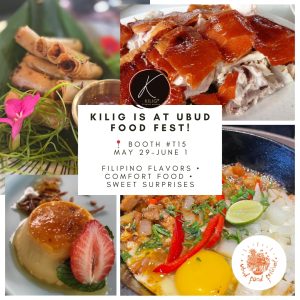
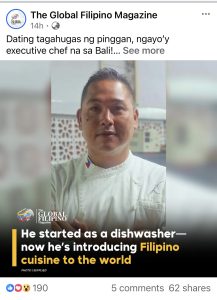
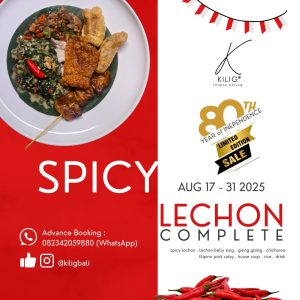
Chefs are no longer hidden in the kitchen. They are collaborators, storytellers, and alchemists. The growing demand for personalized event menus in Bali has elevated the chef’s role as a central figure in event planning. At Kilig Filipino Warung, where I serve as executive chef, I often sit down with guests to understand their memories, cravings, and even childhood tastes. From there, I craft a menu that fuses Filipino heritage with Balinese ingredients—a reflection of my own journey.
Chef curated menus involve a fluid dialogue. Clients might share photos, describe a favorite dish from a past trip, or request a surprise element. The chef translates these inputs into a cohesive culinary narrative. This collaborative process is the heart of culinary tourism Bali, attracting visitors who want more than a meal—they want a story they can taste.
Integration of Dietary Preferences and Cultural Influences into Event Menus
Dietary restrictions are no longer an afterthought. The integration of dietary preferences and cultural influences into event menus is a core component of personalization. Whether it is vegan, gluten-free, halal, or low-FODMAP, modern chefs must be adept at reimagining classics. In Bali, where a significant portion of visitors practice yoga and mindfulness, wellness-focused and health-conscious menu customization is especially relevant.
Cultural sensitivity also plays a part. A wedding with a mixed-heritage couple might feature a fusion of Balinese and Japanese dishes, or Italian and Indian flavors. Chefs must respect religious and cultural practices while pushing creative boundaries. This delicate balance is what makes Bali food culture so dynamic and appealing for destination events.
The Influence of Tourism Growth on Customized Food Offerings
Bali welcomed over 5 million international visitors in 2023, and projections show continued growth. This influx has directly impacted the influence of tourism growth on customized food offerings. Restaurants, cafes, and catering companies must differentiate themselves to capture a share of this discerning audience. As a result, Bali dining experiences have become more varied, niche, and personalized.
Destination events are a major driver. Couples from Australia, Europe, and North America choose Bali for its beauty and value, but they expect world-class culinary flexibility. The same applies to corporate retreats and wellness getaways. The growing demand for personalized event menus in Bali parallels the overall rise of experiential travel, where every aspect of a trip—including food—must be unique.
Personalization as a Key Trend in Modern Hospitality
According to hospitality experts, personalization as a key trend in modern hospitality is reshaping everything from hotel room amenities to restaurant service. In Bali, this trend is especially pronounced. Resorts now employ in-house menu designers who work alongside chefs to develop customized dining experiences. Data from pre-arrival questionnaires helps anticipate guest preferences before they even step onto the island.
Even street food vendors are getting in on the action, offering build-your-own satay bowls or custom spice levels. The democratization of personalization means that no matter the budget, guests can find food customization options that suit their taste. This inclusive approach is part of what makes Bali a leader in experiential hospitality.
How Destination Dining in Bali Emphasizes Creativity and Flexibility
Bali’s geography is a chef’s playground. Jungle canopies, terraced rice fields, volcanic highlands, and coral-fringed beaches offer limitless venues. How destination dining in Bali emphasizes creativity and flexibility is evident in the pop-up dinners, floating breakfasts, and cave feasts that have become social media sensations. Each location demands a different approach to menu planning.
For example, a dinner on the slopes of Mount Batur requires portable, sturdy dishes that retain heat. A beachside celebration calls for fresh, chilled seafood and tropical fruits. Chefs must adapt not only the flavors but also the logistics. This flexibility is a hallmark of event catering Bali services that thrive on customization.
Demand for Fusion Cuisine and Curated Tasting Journeys
Bali’s multicultural environment naturally fosters fusion. The demand for fusion cuisine and curated tasting journeys is high among event hosts who want to surprise and delight their guests. Menus might blend Balinese spices with French techniques or Japanese simplicity with Mediterranean ingredients. These mashups are not random; they are carefully designed to tell a story.
Curated tasting journeys, where each course reveals a new chapter of the host’s story, are especially popular for milestone birthdays and anniversaries. The chef might design a five-course progression that moves from the couple’s first meeting to their present life, using colors, aromas, and textures to evoke memory. Such creativity requires deep culinary personalization and close collaboration.
Impact of Social Media on Customized Dining Trends
There is no denying the impact of social media on customized dining trends. A stunning plate of gado-gado reimagined as a deconstructed art piece can generate thousands of likes and shares. Event hosts increasingly request menus that are not only delicious but also “Instagrammable.” This pressure has pushed chefs to elevate their presentation skills.
However, social media’s influence goes beyond aesthetics. It has also educated consumers. Guests now know what is possible. They have seen a private dinner in a bamboo forest and a cake that incorporates live flowers. They arrive with higher expectations and specific ideas. The growing demand for personalized event menus in Bali is partly driven by this visual culture that celebrates uniqueness.
Importance of Storytelling Through Food in Events
Every great menu has a narrative. The importance of storytelling through food in events cannot be overemphasized. Guests remember a dish that made them feel something—nostalgia, joy, curiosity. When a chef explains the inspiration behind a course, the dining experience becomes richer. At a recent villa wedding, I prepared a dessert inspired by a Balinese legend about love and sacrifice, using pandan, coconut, and palm sugar. The couple’s guests were visibly moved.
Storytelling also connects diners to the land. By highlighting local farmers, fishermen, and foragers, chefs can share Bali’s culture through every bite. This practice is central to experiential dining Bali and resonates deeply with travelers who seek authentic connections.
Role of Presentation and Ambiance in Personalized Menus
A personalized menu is incomplete without bespoke presentation. The role of presentation and ambiance in personalized menus is to elevate the food from sustenance to art. Chefs collaborate with event stylists to ensure that plates, linens, and lighting harmonize with the culinary vision. Edible flowers, hand-thrown pottery, and banana-leaf platters are common elements.
Ambiance is equally critical. A personalized dining experience might include low tables and floor cushions for a Balinese feel, or a dramatic long table with fairy lights for a romantic dinner. The food must match the mood. This holistic approach is why private chef services in Bali often include menu planning, venue styling, and service coordination.
Wellness-Focused and Health-Conscious Menu Customization
Bali is a wellness destination, and many visitors maintain specific dietary practices. Wellness-focused and health-conscious menu customization has become a pillar of the personalized menu trend. Plant-based, raw, gluten-free, and low-sugar options are no longer niche but standard. Chefs must also consider functional benefits, such as anti-inflammatory ingredients or adaptogenic herbs.
For yoga retreats and detox programs, menus are designed to energize without heaviness. Locally sourced vegetables, turmeric, ginger, and coconut feature prominently. Even for celebrations, clients increasingly ask for “indulgent but clean” dishes that satisfy without guilt. This evolution reflects a broader global shift toward mindful eating.
Growth of Private Chef and Villa Dining Services in Bali
The growth of private chef and villa dining services in Bali has been explosive. Travelers no longer want to eat only in restaurants; they want the intimacy of a home-cooked meal prepared by a professional in their own villa. Services like mine specialize in bringing the restaurant experience to the guest’s temporary home, complete with customized menus and personalized service.
Villa dining is ideal for groups who value privacy and flexibility. A family celebrating a reunion might request a traditional Balinese feast, while a group of friends might want a sushi-making class followed by a sake pairing. The chef travels with ingredients, equipment, and often a sous chef. This service model is a direct response to the growing demand for personalized event menus in Bali in the luxury travel sector.
Connection Between Food Personalization and Emotional Guest Satisfaction
Why does a personalized menu leave a stronger impression than a generic one? The answer lies in emotion. The connection between food personalization and emotional guest satisfaction is powerful. When a guest sees their favorite comfort food reimagined with local ingredients, they feel cared for. When a chef remembers their avocado allergy without being reminded, they feel respected.
Studies in hospitality psychology confirm that customized experiences generate higher levels of happiness and loyalty. For events, this emotional resonance translates into long-lasting memories. Guests will talk about the canapé that tasted like their grandmother’s kitchen for years. That is the true value of customized dining experiences.
Increasing Value Placed on Exclusivity and Uniqueness in Events
In a world of mass production, exclusivity has become a premium. The increasing value placed on exclusivity and uniqueness in events means that hosts are willing to invest more in personalized touches. A menu that cannot be found in any restaurant, created just for one night, is the ultimate luxury. Bespoke menus satisfy this desire for one-of-a-kind experiences.
For a recent birthday celebration, I designed a seven-course seafood menu that included a course prepared tableside with a liquid nitrogen show. The host wanted to surprise his guests with something they had never seen. The exclusivity of the experience made the celebration unforgettable. This is the level of creativity that event planning Bali professionals now routinely deliver.
How Local Ingredients Are Incorporated into Custom Menus
Bali’s terroir is a chef’s treasure chest. Understanding how local ingredients are incorporated into custom menus is essential for any personalized offering. Chefs use sea salt from coastal salt farms, free-range chickens from Ubud’s hills, and tropical fruits from nearby plantations. These ingredients not only taste better but also reduce the carbon footprint.
For a recent destination wedding, I sourced wild honey from a beekeeper in Bedugul and served it with a local cheese plate. The couple loved the story behind each ingredient. Incorporating local elements lends authenticity and reinforces the Bali connection, which is why culinary tourism Bali continues to flourish.
Collaboration Between Clients and Chefs for Curated Experiences
The magic of a personalized menu begins with a conversation. Collaboration between clients and chefs for curated experiences is a dance of creativity and logistics. I typically start with a questionnaire covering dietary needs, flavor preferences, and cultural touchpoints. Then we hold a tasting session where I present three to five options for each course.
The client feedback loop ensures the final menu is exactly right. Sometimes the collaboration extends to the table design or the serving sequence. This shared ownership creates a sense of pride for the host and a sense of purpose for the chef. It is the essence of custom menus Bali done right.
Evolution of Event Dining from Standard Menus to Bespoke Experiences
Not long ago, event dining meant choosing from a list of preset canapés and entrees. The evolution of event dining from standard menus to bespoke experiences has been rapid. Today, a wedding catering package might include a dish named after the bride’s grandmother, a cocktail that matches the wedding colors, and a dessert course inspired by the couple’s honeymoon destination.
This shift is driven by competition. Resorts and private chefs must continuously innovate to stay relevant. The growing demand for personalized event menus in Bali pushes the industry to raise the bar every season. What was considered premium five years ago is now the baseline. Event hosts have come to expect nothing less than a fully customized dining experience.
Importance of Cultural Authenticity in Personalized Culinary Design
Bali’s culture is rich with symbolism and tradition. The importance of cultural authenticity in personalized culinary design is particularly relevant for events that involve local guests or rituals. A menu that incorporates ceremonial dishes or uses ingredients with symbolic meanings—such as yellow rice for prosperity—shows respect and deepens the experience.
However, authenticity does not mean rigidity. Chefs can reinterpret traditional flavors in modern ways. For instance, a lawar (Balinese minced meat salad) might be served as a tartare, or a sate lilit might be deconstructed into a canapé. The key is to honor the essence while making it accessible. This balance is what sets Bali dining experiences apart from those in other destinations.
Rising Competition Among Restaurants to Offer Unique Dining Options
Bali’s restaurant scene is notoriously competitive. The rising competition among restaurants to offer unique dining options has led to an explosion of niche concepts. From chef’s table experiences to secret supper clubs, venues are finding creative ways to stand out. Personalized event menus are one of the most effective differentiators.
Restaurants that offer customization as a core service see higher booking rates and better reviews. Guests appreciate when a restaurant goes off-menu to accommodate a request. This flexibility is becoming a key selection criterion for event hosts. The growing demand for personalized event menus in Bali is therefore influencing not only catering but also restaurant operations.
How Personalization Enhances Memory and Celebration Impact
We remember what moves us. How personalization enhances memory and celebration impact is a question of neuroscience as much as hospitality. A personalized menu triggers dopamine release because it feels special. The brain encodes the experience as significant. That is why a couple’s wedding feast with a menu designed around their love story is remembered far more vividly than a generic buffet.
Chefs can amplify this effect by adding sensory surprises—a hidden flavor, a reveal course, or a dish that requires diner interaction. These elements make the meal an active experience rather than passive consumption. For event hosts aiming to create lasting impact, investment in culinary personalization is one of the highest-return decisions they can make.
Future Trends in Experiential Dining and Customization
What lies ahead? The future trends in experiential dining and customization point toward even greater integration of technology, sustainability, and hyper-personalization. We may see AI-assisted menu creation based on genetic taste profiles, or edible packaging that reduces waste. Augmented reality menus that show the dish’s origin story could become common.
In Bali, I predict a deeper emphasis on zero-waste cooking, plant-forward menus, and collaborations with local artisans. The concept of “menu as art installation” will gain traction, with chefs partnering with sculptors and painters to create edible masterpieces. The growing demand for personalized event menus in Bali will only intensify, and those who adapt will thrive.
Useful Resources
For further reading on personalized dining and hospitality trends, explore these resources:
Frequently Asked Questions About Growing Demand for Personalized Event Menus in Bali
Why are personalized event menus popular in Bali?
Bali attracts a sophisticated, experience-seeking clientele who value uniqueness. Personalized menus allow hosts to reflect their personality and cultural backgrounds, creating memorable celebrations that standard packages cannot deliver. The island’s multicultural environment and abundance of fresh ingredients also make customization practical and exciting.
How do chefs create custom menus for events?
Chefs typically begin with a detailed consultation to understand dietary needs, flavor preferences, budget, and the event’s theme. They then propose a multi-course menu using local and imported ingredients, hold tastings, and refine each dish based on feedback. The process is highly collaborative and iterative.
What makes Bali ideal for private dining experiences?
Bali offers stunning natural venues—beaches, rice terraces, cliffs, and villas—that create magical backdrops. The local food culture is rich and diverse, providing chefs with an array of ingredients and culinary traditions to draw from. Additionally, the hospitality industry is accustomed to high service standards and flexibility.
How does personalization improve dining experiences?
Personalization makes guests feel valued and understood. It transforms a meal from a generic transaction into a meaningful, emotional experience. Tailored menus can accommodate dietary restrictions, surprise with favorite flavors, and tell a story, which enhances overall satisfaction and memory retention. For a related guide, see Why Personalized Hospitality Matters at Every Event.
What are trends in luxury event catering?
Trends include multi-course tasting journeys, fusion cuisine, interactive cooking stations, and sustainability-focused menus. Tableside presentations, edible flowers, and locally foraged ingredients are also popular. Exclusivity and storytelling through food are central to luxury event catering today. For a related guide, see 8 Catering Trends Shaping Modern Gatherings.
Why do travelers want customized food experiences?
Travelers today seek authentic, unique experiences that go beyond sightseeing. Customized food experiences allow them to connect with local culture, explore personal tastes, and create shareable moments for social media. It turns a holiday meal into a highlight of the trip.
How do restaurants offer bespoke menus in Bali?
Many restaurants now offer a “chef’s table” or “custom menu” option where guests can arrange a personalized tasting menu in advance. Some venues have private dining rooms where chefs tailor the menu to the group’s preferences. This service is often promoted as an exclusive add-on.
What is a personalized event menu?
A personalized event menu is a culinary offering designed specifically for a particular celebration—such as a wedding, birthday, or corporate event—based on the host’s preferences, dietary requirements, cultural influences, and the event’s theme. It is fully customized rather than chosen from a preset list.
How does Bali hospitality support customized dining?
Bali’s hospitality sector is known for its warmth and service orientation. Hotels, resorts, and private chefs are accustomed to accommodating special requests. They invest in flexible kitchen teams, diverse sourcing, and consultative planning to ensure every event meets the host’s vision.
Why is experiential dining growing in popularity?
Consumers increasingly value experiences over material goods. Experiential dining engages multiple senses, encourages social sharing, and creates lasting memories. It satisfies the desire for novelty and personalization, which are major drivers in modern travel and celebration planning.
What is the average cost of a personalized event menu in Bali?
Costs vary widely depending on the number of courses, ingredients, wine pairings, and service level. A basic five-course personalized menu might start at around $80 per person, while luxury degustations with rare ingredients and premium beverages can exceed $250 per person. Private chef villa dining may have a minimum spend plus travel fees.
Can dietary restrictions be accommodated in personalized menus?
Absolutely. Dietary accommodations—vegan, gluten-free, halal, nut-free, etc.—are a core part of the personalization process. Chefs work closely with clients to create delicious dishes that meet all requirements without compromising taste or presentation.
How far in advance should I book a personalized event menu?
For popular private chefs or luxury resorts, booking four to eight weeks in advance is recommended. Tastings, ingredient sourcing, and design consultations require time. Last-minute requests may still be accommodated but with fewer options for customization.
What types of events are best suited for personalized menus?
Weddings, milestone birthdays, anniversaries, corporate retreats, and holiday gatherings all benefit from personalized menus. Even small gatherings like a proposal dinner or a family reunion can be elevated with a bespoke culinary experience.
Do personalized menus include beverages?
Most personalized menu offerings can include wine, cocktail, or juice pairings that match each course. Some chefs collaborate with bartenders to design signature drinks that align with the event’s theme and the host’s preferences.
What is the role of the client in menu creation?
The client provides the vision, dietary needs, and inspiration. Chefs take this input and translate it into a cohesive menu. The level of involvement varies, but successful personalization requires open communication and trust between client and chef.
How are local Balinese ingredients used in custom menus?
Chefs use heirloom rice, tropical fruits, seafood from the Bali Strait, free-range pork, and spices like kencur and salam leaves. These ingredients add authenticity and freshness. Many chefs also visit local markets and farms to source the best produce for each event.
What is the difference between a personalized menu and a tasting menu?
A tasting menu is a preset multi-course offering designed by the chef to showcase their skills. A personalized menu is built around the client’s preferences and dietary needs. The latter is truly bespoke, while the former is chef-directed though may still be customized to some extent.
Can a personalized menu be combined with a cooking class?
Yes. Many private chefs and resorts offer a “dine and learn” experience where guests prepare part of the meal under the chef’s guidance, then enjoy the full personalized menu. This interactive format adds an educational and fun element to the celebration.
How do I choose the right chef for a personalized event menu?
Look for chefs with experience in event catering, a portfolio that demonstrates versatility, and strong references. Schedule a tasting to assess their cooking style and communication. A good chef will ask questions about your event and offer creative suggestions, not just a price list.
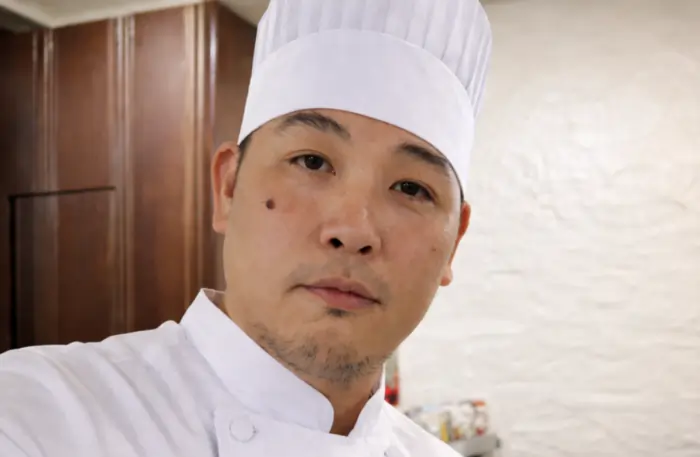
Chef Juan Gadi brings the heart of Filipino hospitality to Ubud, Bali. As an Executive Chef and consultant, he specializes in creating intimate, curated dining experiences that tell a story through every dish. Whether leading the kitchen at Kilig Filipino Warung or hosting a private villa dinner, Chef Juan’s approach is defined by warmth, modern technique, and a commitment to culinary excellence.