Food Has Become the Centerpiece of Modern Celebrations Key Takeaways
As an executive chef working in the heart of Ubud, Bali, I’ve witnessed this transformation up close.
- Food Has Become the Centerpiece of Modern Celebrations because it creates emotional memories and strengthens social bonds like no other element can.
- Shared meals foster intimacy and togetherness, making every gathering more meaningful.
- The rise of culinary experiences , from private chef dinners to themed tasting menus, has transformed how we mark life’s biggest moments.
What Readers Should Know About Why Food Has Become the Centerpiece of Modern Celebrations
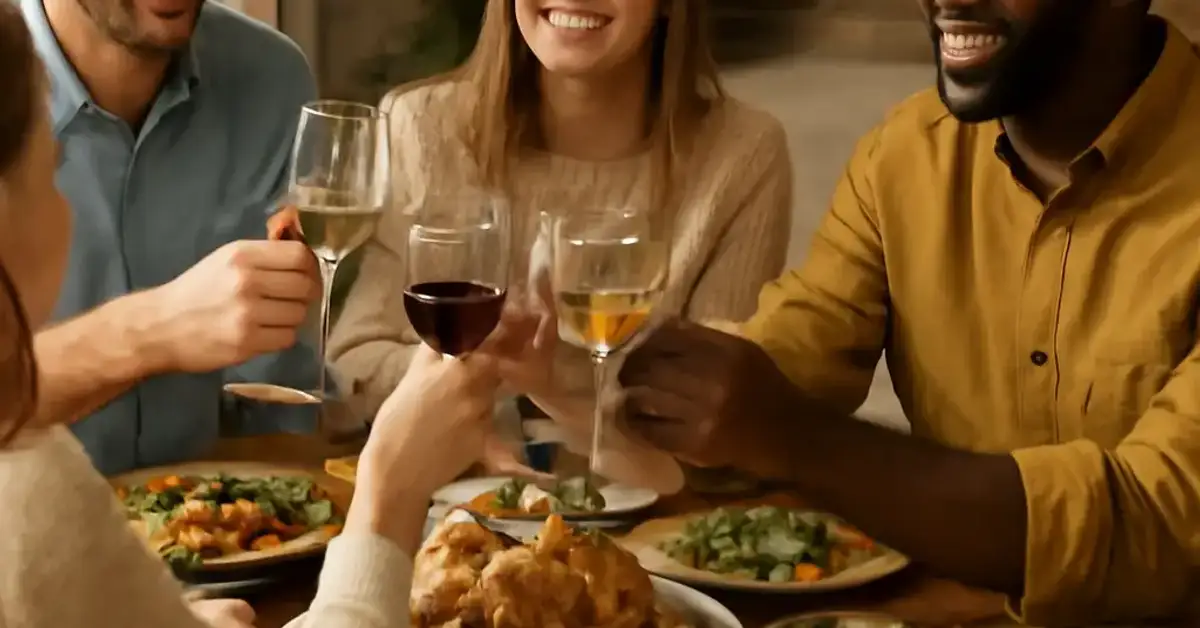
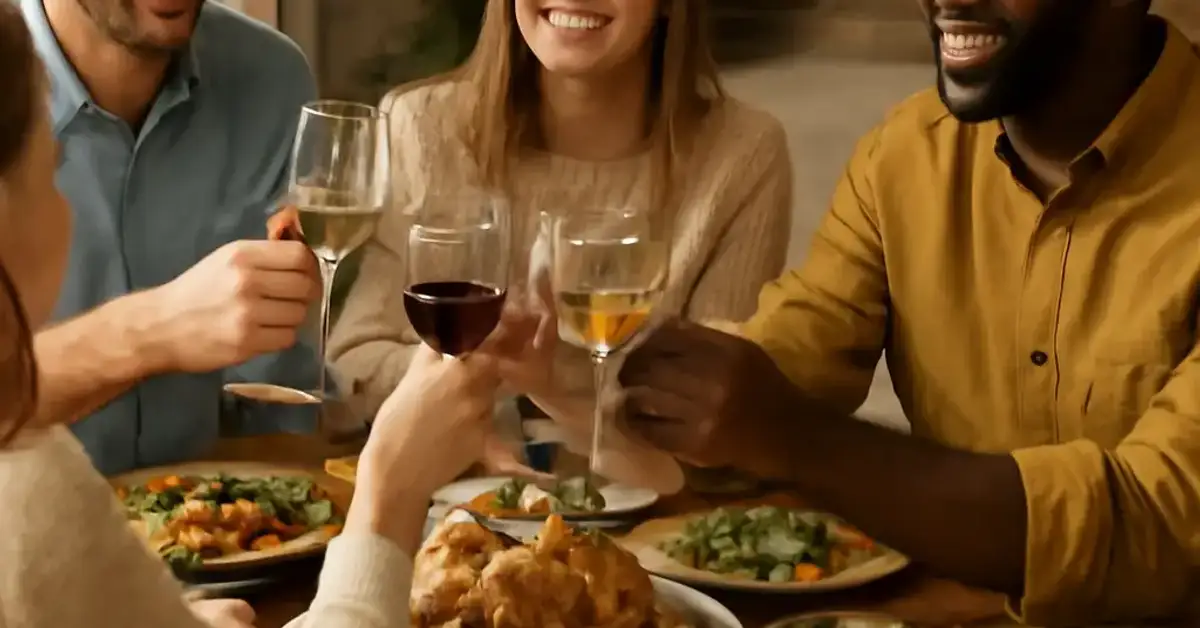
Think back to the most memorable celebration you’ve attended. What do you remember first? The decorations? The music? Or the dish that made everyone pause and smile? If you’re like most people, your answer leans toward the food. That’s because food has become the centerpiece of modern celebrations in a way that goes far beyond simple nourishment. It’s now the emotional anchor, the conversation starter, and the lasting souvenir of a shared moment.
As an executive chef working in the heart of Ubud, Bali, I’ve witnessed this transformation up close. Guests no longer ask for a generic buffet. They want a celebration dining experience that reflects their story, their heritage, and their taste. They want dishes that surprise, comfort, and connect. In this article, we’ll explore why food now holds such a powerful role at our most important gatherings, and how you can harness that power for your own events.
The Evolution of Modern Celebrations: From Tradition to Experience
Not long ago, celebrations followed a predictable script. You gathered in a banquet hall, listened to speeches, and ate from a standard menu. The food was fuel, not focus. But the evolution of celebrations from traditional events to experience-driven gatherings has rewritten that script.
Today, people crave memorable experiences—moments that are photographable, shareable, and deeply felt. Food culture has stepped into that void beautifully. When you design a menu around a theme, a season, or even a family story, you transform a meal into an event. The hospitality industry has responded by offering more than just a plate of food; it provides a journey. Restaurant experiences now often begin before the first bite, with the ambiance of the room, the sound of the kitchen, and the story behind each ingredient setting the stage.
How Event Planning Has Embraced Culinary Storytelling
Event planners have become savvy to this shift. They know that the menu is no longer a footnote—it’s the headline. When planning a milestone birthday or a wedding, the special occasions menu now reflects the couple’s favorite cuisines, their cultural heritage, or even the location of their first date. This personalization of menus for birthdays, weddings, and anniversaries means that every dish carries a memory before it even touches the table.
At my own warung in Bali, I often design private dining and curated tasting experiences for guests celebrating anniversaries. I ask them about the first meal they shared together. Then I reinterpret that dish with local, seasonal ingredients and modern technique. The result? A plate that sparks conversation, laughter, and sometimes even tears of joy. That is the power of food and emotion working together. For a related guide, see Why Food Is Often the Highlight of Any Celebration: 7 Chef Secrets for Event Planners.
The Role of Food in Creating Emotional Connection During Special Occasions
Science backs up what chefs have always known: flavor and memory are deeply intertwined. The connection between food, emotion, and memory retention is so strong that a single bite can transport us back decades. That’s why the role of food in creating emotional connection during special occasions is unparalleled.
When you serve a dish that reminds a guest of their grandmother’s kitchen or of a trip they once took, you’re not just feeding them—you’re honoring their story. This emotional connection food creates is what makes shared meals so powerful. How shared meals strengthen relationships and social bonds becomes obvious when you watch a table of strangers become friends over a family-style dinner. The act of passing plates, sharing tastes, and commenting on flavors builds intimacy in a way that a toast or a speech cannot. For a related guide, see Creating Meaningful Celebrations Through Food and Connection.
Food as a Cultural Expression During Milestones and Events
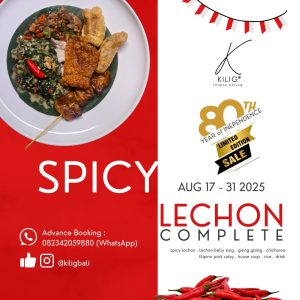
Food is also a profound marker of identity. Food as a cultural expression during milestones and events allows families and communities to pass down traditions, tell stories of origin, and celebrate diversity. Whether it’s a Filipino lechon at a reunion, an Italian feast for a wedding, or a Balinese lawar served during a temple ceremony, these dishes ground celebrations in history and belonging.
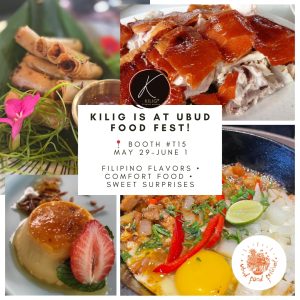
In my own practice, I emphasize Filipino hospitality—warm, generous, and deeply tied to family. When I cater a celebration, I make sure the menu includes dishes that speak to that heritage. Guests from the Philippines often tell me the food tastes like home, while international visitors leave with a new appreciation for the culture. This food tourism effect—where travelers seek out authentic culinary experiences—has become a major driver in modern lifestyle celebrations, especially in destinations like Bali. For a related guide, see How Filipino Food Reflects Family and Celebration.
The Rise of Experiential Dining in Modern Lifestyle Trends
The rise of experiential dining in modern lifestyle trends is not a passing fad. It’s a reflection of a broader cultural shift. People are shifting from material gifts to experience-based celebrations for good reason. A physical gift collects dust. A meal shared with loved ones lives in the heart. How modern consumers prioritize meaningful experiences over objects has reshaped everything from wedding registries to birthday parties.
Couples now register for cooking classes instead of china sets. Families book private chef dinners for holidays instead of buying electronics. This lifestyle celebrations approach values time and connection over stuff. And the hospitality industry has stepped up to meet that demand.
How Restaurants and Chefs Design Immersive Celebration Experiences
How restaurants and chefs design immersive celebration experiences involves more than just plating. It requires thinking like a storyteller. The importance of presentation, ambiance, and storytelling in celebration dining cannot be overstated. The lighting must be warm, the music must match the mood, and the menu must flow like a narrative—from an amuse-bouche that awakens the palate to a dessert that leaves a sweet final impression.
Chefs are increasingly collaborating with event planners, florists, and musicians to create holistic experiences. In my own work, I partner with local artisans to craft tableware that echoes the theme, and with farmers to source ingredients that tell the story of the season. When a guest sits down to a dinner that has been carefully orchestrated—sight, sound, taste, and smell all aligned—they feel something rare: they feel seen.
Importance of Ambiance and Location in Modern Celebrations
The importance of ambiance and location in modern celebrations is another reason food takes center stage. A stunning view, a candlelit villa, a garden under the stars—these settings elevate the meal from functional to magical. How restaurants and chefs design immersive celebration experiences often begins with choosing the right space. A private villa dinner in Ubud, with the jungle canopy as a backdrop and the sound of crickets as ambient music, makes every course taste more vivid.
Food brings people together across cultures and backgrounds especially when the setting invites connection. A long communal table, shared platters, and interactive elements like a live grill station break down barriers. Guests who were strangers become collaborators in the meal, passing bowls and exclaiming over flavors.
The Influence of Social Media on Food-Centered Celebrations
Let’s be honest: a beautifully plated dish is incredibly photogenic. The influence of social media on food-centered celebrations has accelerated the trend toward visually stunning and Instagrammable food. But this isn’t superficial—it’s a form of sharing joy. When a guest posts a photo of a stunning dessert, they’re not just showing off; they’re telling the world, “Look at this beautiful moment we shared.”
This food presentation focus means that chefs and hosts pay more attention to color, texture, and composition. Even a simple dish can become a work of art with the right garnish and plating technique. Modern lifestyle celebrations now include a “social moment” in the menu—a dish designed to be photographed, admired, and shared.
Psychological Satisfaction Derived from Shared Meals
There’s a deep psychological satisfaction derived from shared meals. Eating together releases oxytocin, the bonding hormone. It reduces cortisol, the stress hormone. It creates a sense of abundance and gratitude. Food as a symbol of abundance, gratitude, and connection is not just poetic—it’s biological.
When we gather around a table, we signal safety and community. This is why shared meals are so important for how shared meals strengthen relationships and social bonds. They provide a pause, a moment to look each other in the eye, and a reason to be present. In a digital world, that presence is more valuable than ever.
Integration of Culinary Tourism into Special Occasions
Integration of culinary tourism into special occasions has opened up new possibilities for celebration. Instead of throwing a party at home, families now book a weekend at a culinary destination. A birthday in Bali might include a private cooking class, a market tour, and a chef’s table dinner at a local warung. Food tourism has become a legitimate reason to travel, and celebrations are the perfect excuse.
In Bali, we see this every day. Guests come for a holiday and end up celebrating a milestone with us. They want the experience to be authentic—real Balinese flavors, real Filipino hospitality, real connection to the land. This culinary experiences trend is reshaping how destinations market themselves.
A Practical Checklist for Hosting a Food-Centric Celebration
If you’re planning your own modern celebration, here’s a simple checklist to ensure the focus on food feels intentional and meaningful:
- Define the story. What feeling do you want to convey? A celebration of heritage? A love story? A milestone of growth?
- Choose a format that fits. Family-style, plated dinner, tasting menu, or interactive station—each creates a different energy.
- Collaborate with a chef who listens. Find someone who asks about your favorite dishes, not just your budget.
- Prioritize ingredients that matter. Seasonal, local, and ethically sourced ingredients add a layer of intention.
- Design the journey. Start with a welcome bite and end with a memorable sweet. Every course should tell a part of the story.
- Involve the senses. Lighting, music, scent, and texture all matter as much as taste.
- Leave room for spontaneity. The best moments often come when the plan loosens—a surprise toast, an extra course, a shared laugh.
Conclusion: Why Food Has Become the Centerpiece of Modern Celebrations and Why It Will Stay
Food has always been about more than fuel. But now, in a world that craves authentic connection, food has become the centerpiece of modern celebrations because it delivers something no other element can: emotional resonance. It anchors us to our past, connects us to our present, and offers a taste of hope for the future. Whether you are a couple planning a wedding, a family organizing a reunion, or a traveler marking a milestone abroad, the table you set will be the heart of your celebration.
As Chef Juan Gadi, I invite you to think of your next celebration as an opportunity to craft a memorable experience. Let the food be your storyteller. Let the shared meals be your gift. Let every dish reflect the love, history, and joy of the people around you. That is the true culinary trend that will never fade.
Useful Resources
For deeper insight into the psychology of food and memory, explore the work of the Monell Chemical Senses Center, which researches how taste and smell shape our experiences. For practical guidance on planning experiential events, visit the International Foodservice Editorial Council.
Frequently Asked Questions About Food Has Become the Centerpiece of Modern Celebrations
Why is food important in modern celebrations ?
Food is important because it creates emotional connection, fosters togetherness, and serves as a sensory anchor for memory. Food has become the centerpiece of modern celebrations because it offers a shared experience that goes beyond the plate.
How does food bring people together during events?
Through shared meals, people engage in conversation, pass dishes, and comment on flavors. This ritual builds intimacy and breaks down social barriers, how food brings people together during events is both psychological and cultural.
Why do people focus on dining experiences for special occasions ?
Because experiential dining offers lasting memories. A meal is immersive, engaging all the senses, and often more personal than a material gift. People now prioritize how restaurants and chefs design immersive celebration experiences to make moments unforgettable.
How has celebration culture changed over time?
Modern celebrations have shifted from rigid, formal gatherings to flexible, experience-driven events. Evolution of celebrations from traditional events to experience-driven gatherings shows that people now value authenticity, personalization, and emotional connection over formality.
What role does food play in emotional memories?
Flavor and aroma are directly linked to the brain’s memory centers. Emotional memory formation through taste and shared dining experiences means a single dish can evoke vivid nostalgia and emotion, making food and emotion inseparable in celebrations.
Why are shared meals important for relationships?
How shared meals strengthen relationships and social bonds is backed by science: eating together releases bonding hormones, reduces stress, and creates a safe space for connection. Shared meals are a powerful relationship tool.
How do restaurants create celebration experiences?
How restaurants and chefs design immersive celebration experiences involves storytelling menus, thoughtful ambiance, personalized service, and interactive elements. Chefs collaborate with event planners to orchestrate every detail, from lighting to the final course.
Why is experiential dining becoming popular?
The rise of experiential dining in modern lifestyle trends reflects a cultural shift from materialism to meaning. People want to collect moments, not things. Experiential dining offers a rich, sensory adventure that feels valuable and memorable.
How does social media influence celebration food trends?
The influence of social media on food-centered celebrations encourages visually stunning plating, unique color combinations, and shareable moments. Instagram-friendly dishes have become a staple of modern celebrations.
What makes food the centerpiece of events?
Food acts as a universal language that communicates care, culture, and celebration. Food has become the centerpiece of modern celebrations because it brings people together, tells a story, and creates lasting emotional impact through celebration dining.
How can I personalize a menu for a birthday?
Ask about the guest of honor’s favorite cuisines, travel memories, and family traditions. Personalization of menus for birthdays, weddings, and anniversaries can include a dish that recalls a special trip or a family recipe reinterpreted with modern technique.
What is culinary tourism’s role in celebrations?
Integration of culinary tourism into special occasions allows families to combine celebration with exploration. A milestone anniversary in a food destination like Bali offers cooking classes, market tours, and private chef dinners as part of the festivities.
How does the hospitality industry support food-centric events?
Role of hospitality industry in curating memorable dining events includes training staff in storytelling, offering customizable menus, and designing spaces that enhance the dining atmosphere. Hotels, resorts, and private chefs all play a part.
Why is ambiance important in celebration dining ?
Importance of ambiance and location in modern celebrations sets the emotional tone. Soft lighting, curated music, and a beautiful setting elevate the food and create a memorable atmosphere that guests associate with the experience.
How does food express culture during events?
Food as a cultural expression during milestones and events allows communities to share heritage through traditional recipes, cooking techniques, and presentation styles. It turns a meal into a cultural story.
What psychological benefits come from shared meals ?
Psychological satisfaction derived from shared meals includes reduced anxiety, increased feelings of belonging, and enhanced enjoyment of food. Eating together satisfies both hunger and the human need for connection.
How can I create a food-centered celebration on a budget?
Focus on one or two standout dishes that tell a story, and keep the rest simple. Use seasonal ingredients, cook family-style to reduce prep, and let the culinary experiences be the highlight rather than expensive décor.
What trends are shaping food celebrations in 2025?
Key culinary trends include interactive dining like build-your-own taco bars, zero-waste menus, hyper-local sourcing, and dessert tables designed for social media sharing. Modern celebrations continue to evolve toward personalization and sustainability.
How do I choose the right chef for a celebration?
Look for a chef who specializes in celebration dining and who asks about your story, not just your budget. Review their portfolio of past events, and discuss how they incorporate emotional connection food into their menus.
What is the link between food and gratitude in celebrations?
Food as a symbol of abundance, gratitude, and connection is central to many cultures. Sharing a meal expresses thankfulness, generosity, and community. It transforms a gathering from a simple party into a meaningful ritual.
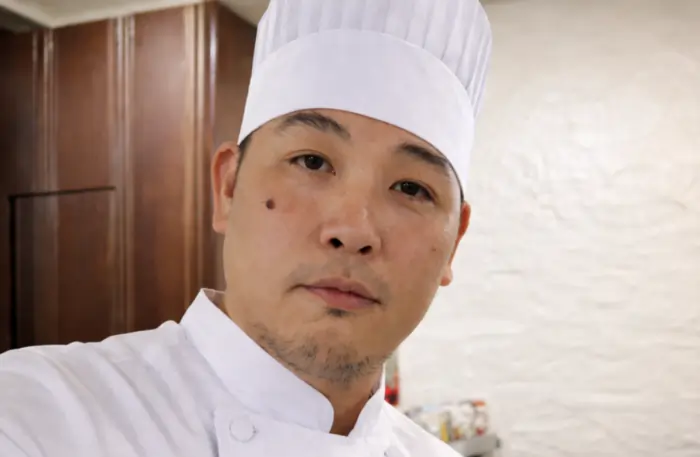
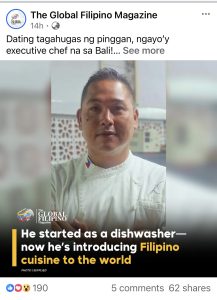
Chef Juan Gadi brings the heart of Filipino hospitality to Ubud, Bali. As an Executive Chef and consultant, he specializes in creating intimate, curated dining experiences that tell a story through every dish. Whether leading the kitchen at Kilig Filipino Warung or hosting a private villa dinner, Chef Juan’s approach is defined by warmth, modern technique, and a commitment to culinary excellence.