Ways to Create a Relaxed Event Atmosphere Key Takeaways
Creating a relaxed event atmosphere is one of the most sought-after goals in modern hospitality and event design.
- Master event ambiance design strategies that put guest comfort at the forefront.
- Learn how lighting and music for event mood transform a space from formal to inviting.
- Apply stress-free celebration planning principles to reduce anxiety for both hosts and guests.
Why a Relaxed Event Atmosphere Matters in Hospitality Today
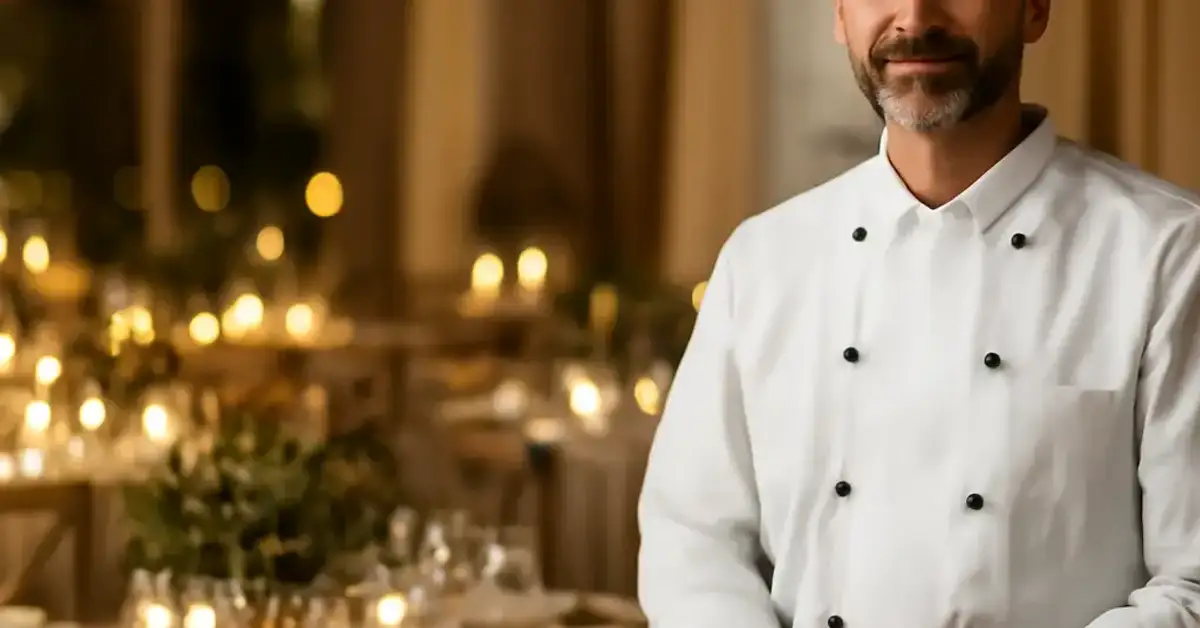
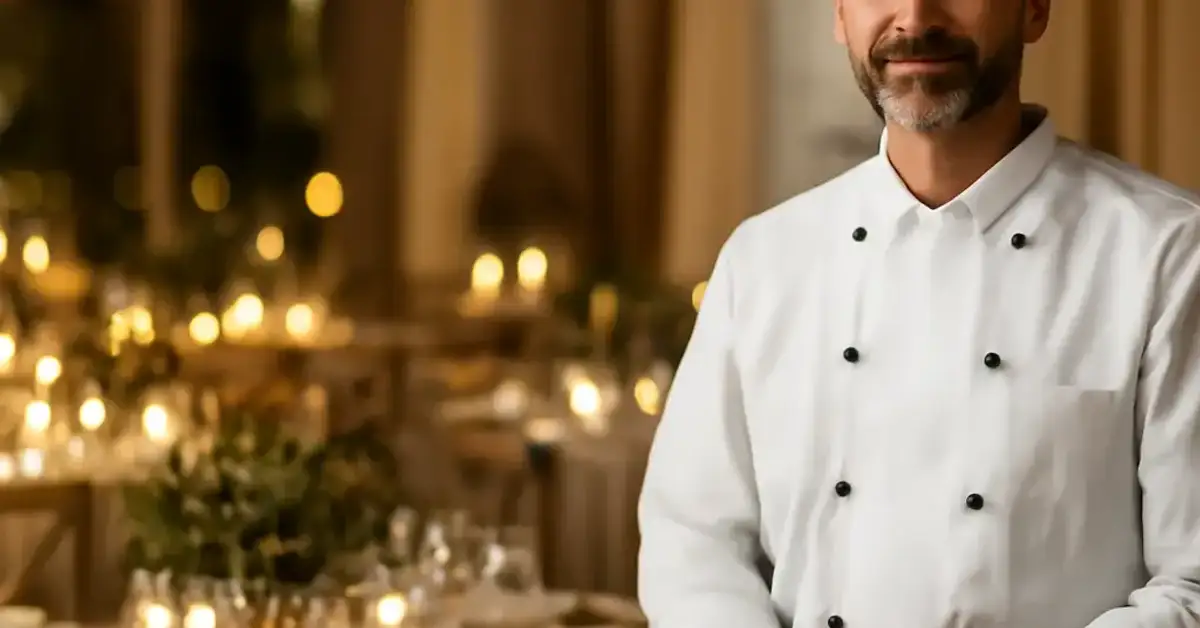
Guests today crave authenticity and ease. A forced, overly structured event can create tension. In contrast, a relaxed event atmosphere encourages genuine connection, better conversation, and memorable experiences. Chef Juan Gadi, Executive Chef at Kilig Filipino Warung in Ubud, Bali, believes the heart of great hospitality is making people feel at home. “When guests walk in, they should exhale. Everything else — the food, the timing, the light — should support that release,” he shares. Optimizing the hospitality environment is no longer optional; it is essential for any event aiming to leave a positive impression. For a related guide, see How Beautiful Dining Moments Create Lasting Emotions.
1. Start with Open Space and Layout Design
The layout sets the psychological tone. Avoid tight bottlenecks or a single congested entry. Instead, use open space and layout design to guide movement naturally. Create distinct zones for arrival, mingling, dining, and lounging. A spacious flow prevents guests from feeling trapped and helps crowd management for relaxed atmosphere. Even in small venues, clearing central pathways and using perimeter seating opens up the room.
Practical Tips for Layout
- Position the bar or welcome station away from the main door to avoid clustering.
- Use low furniture in conversational clusters to define zones without blocking sightlines.
- Leave at least 1.2 meters of walkway clearance in high-traffic areas.
2. Master Seating Arrangement for Relaxed Gatherings
A correct seating arrangement for relaxed gatherings supports both socialization and personal space. Mix table sizes: some small tables for intimate groups, some communal for connection. Provide a mix of chairs — armchairs, stools, and benches — to suit different comfort preferences. Rows of straight-backed chairs should be avoided for informal events. Instead, use lounge seating and soft chairs that invite lingering.
Avoiding Common Mistakes
Do not overfill the room. Leave empty chairs to signal that guests are not crowded. A well-planned venue setup comfort strategy includes seats that are easy to move, allowing guests to customize their arrangement.
3. Use Lighting and Music for Event Mood to Lower Stress
Lighting and music for event mood are the fastest levers to pull for immediate relaxation. Dim, warm light (2700K–3000K) reduces cortisol and encourages conversation. Avoid overhead fluorescent lights; use floor lamps, candles, or string lights instead. Background music selection for relaxation should be instrumental, at a low volume (around 60 dB), and with a tempo of 60–80 BPM — roughly the speed of a resting heart rate.
| Element | Relaxed Setting | Formal Setting |
|---|---|---|
| Light Temperature | 2700K–3000K warm | 4000K+ cool |
| Music Genre | Acoustic, jazz, ambient | Classical, live band |
| Volume | 60 dB (conversation possible) | 70+ dB (speech difficult) |
4. Control Temperature and Comfort Control in Venues
Nothing ruins comfort faster than a too-cold or stuffy room. Temperature and comfort control in venues should be set slightly cooler than comfortable (21°C–23°C) when guests arrive, as body heat from a crowd will raise the temperature by several degrees. Provide fans or adjustable AC zones. For outdoor events, misting fans or heat lamps give guests agency over their comfort. This detail is part of wellness-focused event planning that respects physical ease.
5. Choose a Calming Color Palettes for Event Design
Color psychology is powerful in event ambiance design. Soft neutrals, sage greens, warm beiges, and dusty blues lower heart rate and create a sanctuary feel. Avoid high-contrast reds or bright yellows in main spaces. Use calming color palettes for event design on linens, napkins, and signage. Even a simple shift from white to ivory tablecloths signals a less formal tone.
6. Plan Food and Beverage Timing for Comfort
Food and beverage timing for comfort is about anticipating guest needs before they arise. Serve a welcome drink immediately — something non-alcoholic like infused water or iced tea. Grazing stations or passed appetizers prevent long waiting periods. Time main courses so that no table is empty for more than 15 minutes. Chef Juan Gadi emphasizes: “When food arrives without delay, guests relax. When they wait, tension builds.” This principle applies equally to service timing and staff coordination; well-trained staff who appear unhurried signal that the event is in control. For a related guide, see What Makes Guests Feel Truly Welcome At An Event: 9 Proven Ways to Create a Truly Welcoming Guest Experience at Any Event.
7. Adopt Informal and Welcoming Event Styling
Formal settings can feel intimidating. Informal and welcoming event styling uses relaxed table settings — mismatched ceramics, cloth napkins left unbowed, handwritten menus. Encourage guests to help themselves to drinks or dessert. Treat the event like an elevated dinner party rather than a production. This approach aligns with experiential hospitality design, where the feeling of being cared for outweighs visual perfection.
8. Prioritize Natural Flow Event Planning to Avoid Bottlenecks
Natural flow event planning considers the entire guest journey: arrival, welcome, mingling, eating, entertainment, and departure. Each phase should transition smoothly without obvious instruction. Use subtle cues — a change in music tempo, a new light level, or a staff member opening a door — to guide guests. This reduces the need for loud announcements that break the relaxed event atmosphere.
Flow Checklist
- Arrival: immediate drink and coat check within 10 seconds.
- Mingling: 30 minutes minimum before any formal welcome.
- Dining: family-style service or staggered courses to keep rhythm.
- Departure: one last touch — a small favor, a warm thank-you.
9. Enhance Communication and Signage Clarity in Events
Guests feel anxious when they don’t know where to go. Communication and signage clarity in events reduces that uncertainty. Use clear, tasteful signs for restrooms, bars, and exits. Place signage at eye level, not on doors. For outdoor or multi-room venues, add subtle floor lighting or a color-coded path. This is a quiet form of guest comfort and experience in events that works behind the scenes.
10. Apply Personalized Guest Experience Design Thoughtfully
Personalized guest experience design does not mean greeting every person by name. It means observing their comfort: noticing someone who stands too long, offering a seat; checking if a guest looks thirsty; adjusting music volume when conversation feels strained. Train staff to read the room. Small gestures — a preferred drink offered without asking, a quiet table for someone who needs it — build guest engagement without pressure. This thoughtful attention is the hallmark of celebration atmosphere done right.
Useful Resources
These external resources expand on key concepts discussed in this guide:
- Journal of Hospitality and Tourism Research — The Role of Ambiance in Guest Satisfaction
- Eventbrite — Event Planning Tips for Stress-Free Celebrations
Frequently Asked Questions About Ways to Create a Relaxed Event Atmosphere
Creating a relaxed event atmosphere is both an art and a science. By applying these 10 ways to create a relaxed event atmosphere, you can transform any gathering into an experience that guests will remember for its warmth and ease. Whether you are planning a wedding, a corporate retreat, or a villa dinner in Bali, start with one change — perhaps the lighting or the seating — and build from there. Your guests will feel the difference. Share your experience in the comments below or follow Chef Juan Gadi on Instagram for more hospitality insights.
Frequently Asked Questions About Ways to Create a Relaxed Event Atmosphere
How do you create a relaxed event atmosphere ?
Start with warm lighting, low-volume ambient music, comfortable seating, and an open layout. Then layer in personalized service and natural flow timing.
What makes an event feel stress free for guests?
Clear signage, no waiting periods, comfortable temperatures, and staff who anticipate needs rather than hover are key.
How does lighting affect event mood?
Warm, dim lighting (around 2700K) lowers cortisol and encourages relaxation. Bright or cool lighting keeps people alert and on edge.
What music is best for relaxed events?
Instrumental, ambient, or acoustic music between 60 and 80 BPM at low volume (around 60 dB) supports calm conversation.
How can seating arrangements improve comfort?
Provide a mix of lounge chairs, communal tables, and intimate clusters. Allow space between seats and avoid overcrowding.
How do you reduce stress in event planning?
Prioritize the guest journey from arrival to departure. Delegate tasks, test the flow in advance, and leave buffer time between phases.
What role does food timing play in guest comfort?
Well-timed food prevents hunger and frustration. Passed appetizers or grazing tables keep energy stable and guests happy.
How can venues create a calming atmosphere?
Use soft materials, neutral colors, controllable temperature, and sound-absorbing furnishings to create a sensory buffer from the outside world.
Why is event flow important for relaxation?
Good flow eliminates waiting, confusion, and awkward transitions. Guests feel guided without being pushed, which lowers subconscious stress.
How do you make guests feel comfortable at celebrations?
Acknowledge their arrival warmly, offer a beverage immediately, and give them space to settle before any formal program begins.
What is event ambiance design?
It is the intentional combination of lighting, color, texture, sound, scent, and layout to create a specific emotional experience for guests.
How do you choose a calming color palette for an event?
Select soft earth tones, muted greens, warm beiges, and dusty blues. Avoid high-saturation reds or bright yellows in main spaces.
Can corporate events feel relaxed?
Absolutely. Use the same principles: warm lighting, lounge seating, casual dining style, and a no-pressure agenda with generous breaks.
What is experiential hospitality design ?
It is designing every guest touchpoint — from scent to service speed — to produce a cohesive, memorable feeling, not just a functional event.
How do you manage crowds without creating tension?
Create multiple entry points and stations, use staggered timing for key moments, and station staff to guide movement gently.
What is the ideal temperature for an indoor event?
Start at 21°C–23°C, then allow it to rise slightly as the crowd warms the room. Provide fans or open windows for adjustment.
How do you plan a wellness-focused event?
Incorporate natural elements (plants, water), offer healthy beverage options, schedule quiet breaks, and prevent overstimulation with pacing.
What does informal event styling look like?
Mismatched dinnerware, handwritten place cards, self-serve drink stations, and a general atmosphere that prioritizes comfort over uniformity.
How do you time service for a relaxed event?
Service should appear effortless. Serve the first course within 10–15 minutes of seating, then allow natural pauses between courses.
What scent promotes relaxation at events?
Subtle scents like lavender, chamomile, or fresh linen in candles or diffusers can lower heart rate. Avoid strong floral or perfume notes.
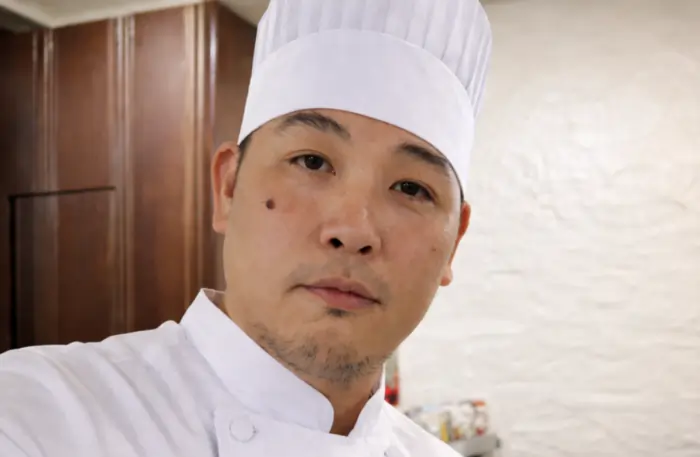
Chef Juan Gadi brings the heart of Filipino hospitality to Ubud, Bali. As an Executive Chef and consultant, he specializes in creating intimate, curated dining experiences that tell a story through every dish. Whether leading the kitchen at Kilig Filipino Warung or hosting a private villa dinner, Chef Juan’s approach is defined by warmth, modern technique, and a commitment to culinary excellence.